Wesource India — Supplier
About Wesource India - Timber Supplier in India
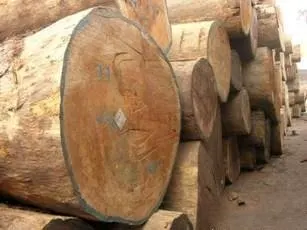
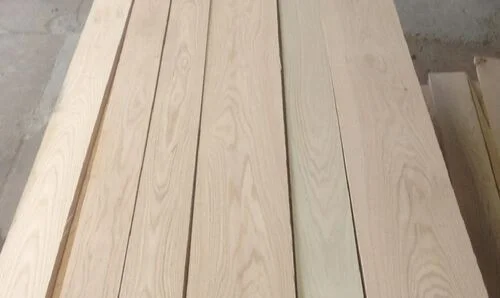
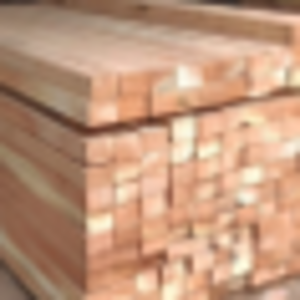
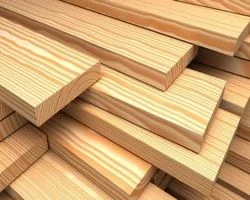
Wesource India operates from India and currently lists seven active products that span timber, hardwood, veneer and log categories. The catalogue records Bankirai sawn timber, Merbau decking and sawn timber, Rubber wood FJLB, Burma (Burmese) teak, Eucalyptus core veneer, Burmese teak veneer and Eucalyptus logs. These items are typical of the HS code headings used for Indian wood exports, such as 4401 for round wood, 4403 for sawn timber and decking, and 4404 for wood veneers. The supplier’s portfolio therefore reflects a mix of raw logs, processed sawn products and engineered veneers that are commonly traded from the sub‑continent.
The product mix includes both plantation species like Rubber (Hevea) and Eucalyptus and natural hardwoods such as Merbau and Burma teak, each offered in standard dimensions for international markets. Sawn timber and decking are generally supplied in lengths of 2.4 m to 6 m, thicknesses of 25 mm to 45 mm, and moisture content between 10 % and 15 %. Veneers are typically 0.5 mm to 1.2 mm thick, peeled from the same species and packed in plywood‑grade bundles. Logs are usually graded by diameter class (e.g., 30 - 45 cm, 45 - 60 cm) and length (4 m to 6 m). All items conform to the material classifications that buyers expect from Indian wood exporters.
Product Range and Specialties of Wesource India
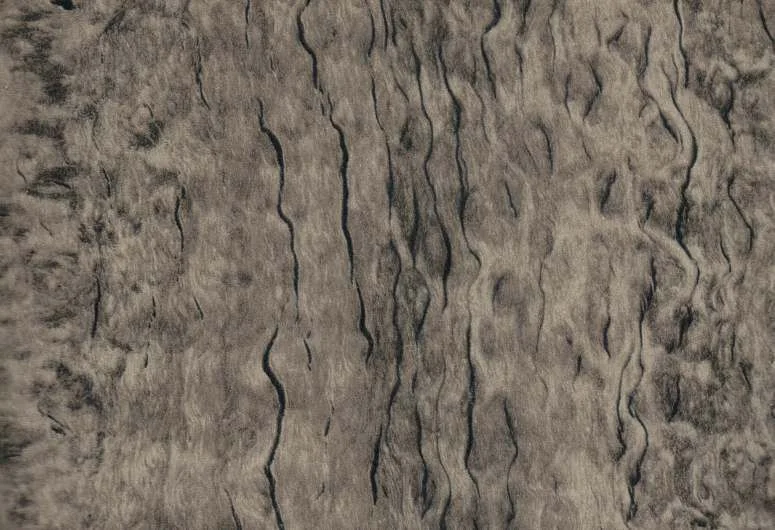
The Wesource India catalogue covers Bankirai sawn timber, Merbau decking, Rubber wood FJLB, Burma teak, Eucalyptus core veneer, Burmese teak veneer and Eucalyptus logs. In the broader timber market, Bankirai is a fast‑growing tropical species often graded to Indian Standard IS 1311, with a typical density of 650 kg m‑3 and moisture 12 % - 15 %. Merbau decking is usually supplied in 25 mm to 38 mm thickness, with a natural durability class of 2 (moderately durable) and a surface hardness of 5 kN. Rubber wood (FJLB) is commonly marketed as FSC‑compatible plantation wood, graded to FAO 70 with a moisture range of 10 % - 13 %. Veneers such as the Eucalyptus core and Burmese teak variants are peeled to 0.6 mm - 1.0 mm thickness and are often classified under the 4404 HS heading for laminated wood products. Eucalyptus logs are typically graded by diameter and length, with a standard moisture content of 18 % - 20 % for export.
Trade and Export Information - Wesource India
India ranks among the top global exporters of hardwood and plantation timber, with major destinations in the Middle East, Southeast Asia, the European Union and the United States. Buyers of sawn timber and decking usually request FOB or CIF terms, with containerized shipments of 20 ft or 40 ft loads that accommodate up to 12 m³ of sawn timber or 20 m³ of veneers per container. Common regulatory requirements include phytosanitary certificates, compliance with the EU Timber Regulation (EUTR) and, where applicable, FSC or PEFC chain‑of‑custody documentation. For veneer shipments, moisture control and protective palletisation are standard to avoid warping during sea transit. Indian exporters also adhere to the ISPM 15 treatment for wood packaging material used in international freight.
Sourcing from Wesource India - Buyer Guidance
When sourcing timber or veneer from Wesource India, buyers should request the latest phytosanitary certificate, a material safety data sheet and any third‑party test reports covering moisture content, dimensional stability and density. Confirmation of FSC or PEFC certification, if claimed, should be verified through the issuing body’s online registry. Buyers are advised to obtain a sample batch cut to the intended dimensions and to inspect the sample for grade conformity, surface finish and veneer uniformity before confirming larger orders. Documentation of the HS code used for each product line, along with the export licence number, helps streamline customs clearance in the destination country.
Frequently Asked Questions About Wesource India
What types of wood does Wesource India list in its catalogue?
The catalogue includes Bankirai sawn timber, Merbau decking, Rubber wood (FJLB), Burma teak, Eucalyptus core veneer, Burmese teak veneer and Eucalyptus logs.
Which HS code headings are typically applied to these products?
Indian exporters usually classify round logs under HS 4401, sawn timber and decking under HS 4403, and wood veneers under HS 4404.
What moisture specifications are common for the sawn timber and decking items?
Sawn timber and decking are generally supplied with a moisture content of 10 % to 15 % to meet international standards for kiln‑dry timber.
Are there standard dimensions for the veneers offered?
Eucalyptus and teak veneers are commonly peeled to a thickness between 0.5 mm and 1.2 mm and are shipped in bundled packs sized for plywood or laminating applications.
Which certifications should a buyer request for these wood products?
Buyers should request phytosanitary certificates, and where sustainability claims are made, verify FSC or PEFC certification through the issuing body’s registry.
What packaging method is typical for shipping the logs and veneers?
Logs are usually bundled in timber‑grade straps and loaded in 20 ft or 40 ft containers; veneers are palletised with moisture‑resistant liners to prevent warping during sea transit.
What incoterms are most commonly used for Indian timber exports?
FOB (Free on Board) from Indian ports and CIF (Cost, Insurance, Freight) to the buyer’s destination are the most frequently applied incoterms.
How can a buyer verify the grade of the hardwood before placing a large order?
Request a physical sample cut to the intended dimensions and compare it against the relevant Indian Standard (e.g., IS 1311 for Bankirai) or internationally recognised grading criteria.




 , India