Wanxie Power Technology., Ltd — Verified Supplier
About Wanxie Power Technology., Ltd - Agriculture Supplier in China
China is the source of Wanxie Power Technology., Ltd, which currently lists 17 distinct product SKUs. The catalogue is grouped under the agriculture top category, but the items are metal clamps and fittings used in wire and cable installations. Products include copper clamps, aluminum alloy strain clamps, bimetal connecting tubes, and various line and electric fittings. The naming conventions follow industry terms such as CCT copper clamp, groove clamp, U‑type shackle, and dead‑end clamp. Each entry is recorded without an HS code in the supplied data, indicating that the supplier has not published tariff classifications for these items.
The listed items fall into HS Chapter 85 for electrical machinery (e.g., 8517 for cable accessories) and Chapter 73 for metal articles (e.g., 7318 for threaded or clamping components). Typical material specifications are copper (Cu) or aluminium alloy (Al) with conductivity and corrosion‑resistance requirements defined by IEC standards. Common grade references include copper C11000 (Electrolytic Tough Pitch) and aluminium alloy 6061 for strain clamps. Buyers usually expect dimensions such as clamp width 10‑50 mm, bolt hole M4‑M12, and tube outer diameters from 5 mm to 30 mm. Packaging is generally bulk in cardboard boxes or wooden crates suitable for 20‑ft or 40‑ft container loading.
Product Range and Specialties of Wanxie Power Technology., Ltd
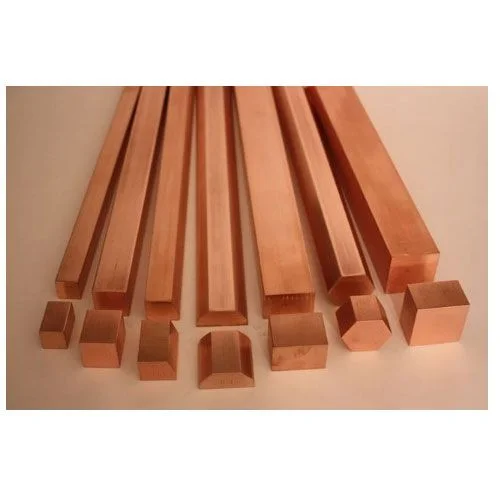
Wanxie Power Technology., Ltd's catalogue enumerates items such as CCT copper clamp/clip of wire connection, aluminum alloy strain clamp, bimetal connecting tubes, copper connecting tube, various groove clamps (copper, aluminium, copper‑aluminium), U‑type shackle line fittings, steel cable mounting clips, and dead‑end clamps. The product titles indicate usage for electrical line installation, cable bundling, and mechanical securing of conductors. In the broader market, copper clamps are typically supplied in C11000 grade with a tensile strength of 210 MPa, while aluminium alloy clamps often use 6061 alloy with a yield strength around 240 MPa. Electrical fittings are commonly tested to IEC 60204 for safety, and metal parts may be required to meet RoHS limits for lead and cadmium. Standard dimensions range from 5 mm to 50 mm in clamp width, and packaging is usually in 25 kg cardboard boxes or wooden pallets for container loading.
Trade and Export Information - Wanxie Power Technology., Ltd
China is a major exporter of metal electrical fittings, with shipments primarily directed to Southeast Asia, the Middle East, and European Union markets. HS Chapter 85 (e.g., 8517.62 for cable accessories) and Chapter 73 (e.g., 7318.15 for threaded clamps) are the tariff classifications most frequently applied to the types listed by Wanxie. Importers generally require compliance with IEC standards, RoHS declaration, and a material safety data sheet (MSDS) for copper and aluminium components. Typical incoterms used are FOB Shanghai or CIF destination port, with loading in 20‑ft containers (approximately 12 m³) or 40‑ft containers (approximately 24 m³) depending on order volume. Chinese export procedures often involve pre‑shipment inspection by agencies such as CIQ to verify dimensions, material grade, and marking.
Sourcing from Wanxie Power Technology., Ltd - Buyer Guidance
When evaluating Wanxie's clamps, buyers should request a product data sheet that lists material grade (e.g., Cu C11000 or Al 6061), dimensional tolerances, and IEC test results. A third‑party test report confirming tensile strength and corrosion resistance is standard for high‑current installations. Samples are typically supplied in a small cardboard box with 5‑10 units per size, allowing verification of fit and finish before bulk ordering. Verify that the supplier can provide RoHS compliance certificates and, if required by the destination country, an authorized CE marking or equivalent conformity documentation.
Frequently Asked Questions About Wanxie Power Technology., Ltd
What material grades are used for the copper clamps?
The copper clamps are generally supplied in electrolytic tough‑pitch copper (C11000) which offers a conductivity of about 97 % IACS and a tensile strength near 210 MPa. Buyers should confirm the exact grade in the supplier’s data sheet.
Which IEC standards apply to the line and electric fittings?
Most line fittings fall under IEC 60204 for safety of machinery electrical equipment and IEC 60529 for ingress protection ratings. Documentation should include test reports referencing these standards.
What are the typical dimensions for the groove clamps?
Groove clamps in the catalogue range from 5 mm to 50 mm in clamp width, with bolt hole sizes from M4 to M12. Lengths of the connecting tubes are commonly 100 mm, 200 mm, or 300 mm, but exact sizes must be confirmed per SKU.
Which HS codes are relevant for these products?
Metal clamps and cable accessories are usually classified under HS 7318.15 (threaded or clamping articles of iron or steel) or HS 8517.62 (parts of electrical apparatus for switching or protecting). The supplier’s own HS code listing was not provided, so buyers should verify the correct code during customs filing.
What certifications should a buyer request before purchasing?
Buyers commonly request a RoHS compliance certificate, an IEC test report, and a material safety data sheet (MSDS) for both copper and aluminium items. If the destination market requires CE marking or other local conformity, those documents should be obtained as well.
What are the standard packaging and shipping options?
Products are typically packed in cardboard boxes of 25 kg each, which are then palletised for container loading. Depending on order size, shipments are placed in 20‑ft containers (≈12 m³) or 40‑ft containers (≈24 m³) under FOB or CIF terms.
What is the minimum order quantity (MOQ) and typical lead time?
The supplier generally works with an MOQ of one container load, but smaller trial orders of a few hundred units can be arranged on request. Lead time from order confirmation to shipment is usually 25‑35 days, subject to production scheduling and export inspection.




 , China