Visimex JSC — Verified Supplier
About Visimex JSC - Dehydrated Spices Supplier in Viet Nam
Visimex JSC operates from Vietnam in the Southeast Asian spice production hub. The supplier currently lists 14 distinct products across its catalogue. Its offerings span dehydrated spices, raw agricultural commodities, and processed food items such as cashew nuts. Core categories include pepper, cinnamon (cassia), star anise, turmeric, and related spice derivatives. The product portfolio reflects common Vietnamese export groups that fall under HS chapter 09 (spices and condiments) and HS chapter 20 (nuts and oilseeds).
Product Range and Specialties of Visimex JSC
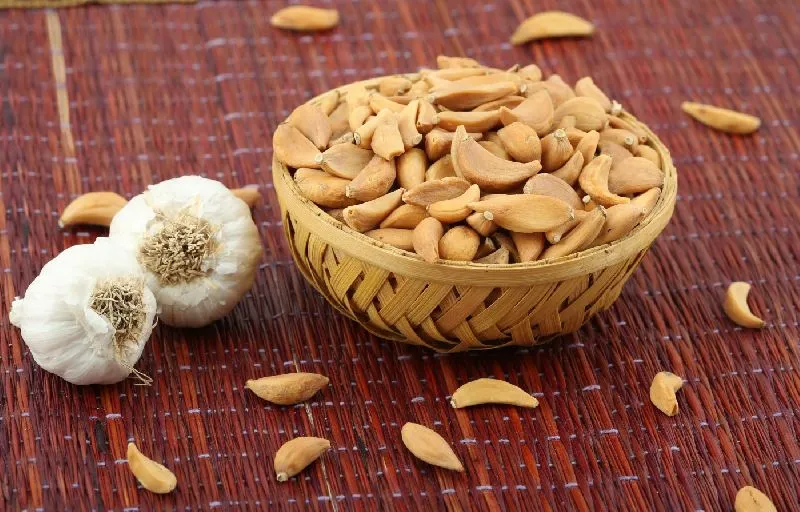
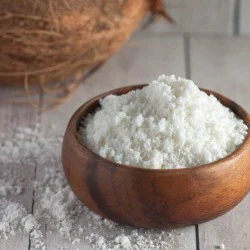
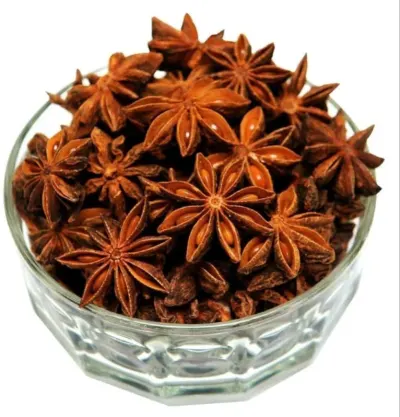
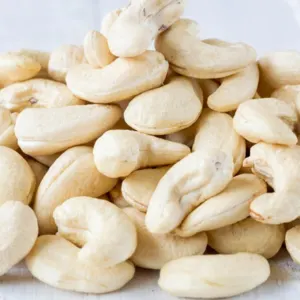
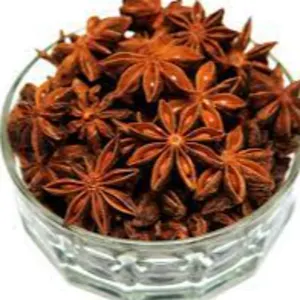
The catalogue includes premium black and white pepper, cassia (cinnamon) bark, whole star anise, desiccated coconut, turmeric powder, tapioca chips, and several formats of cashew nuts including salted‑roasted and fried variants with garlic and chilli. In the spice market, pepper grades are often classified as P1 (whole, ≥95 % peppercorns, moisture ≤12 %) or P2 (broken, moisture ≤14 %); cassia bark is typically sold in lengths of 5 - 10 mm with moisture ≤10 % and a bark oil content of 1 - 2 %. Star anise is usually graded by whole‑bud size (5 - 12 mm) and essential‑oil yield of 4 - 5 %, while turmeric powder is evaluated on curcumin content (≥3 % for standard, ≥5 % for premium) and moisture ≤12 %. Vietnamese cashew nuts are commonly sorted into AA (≥99 % kernel recovery, moisture ≤5 %) and A (≥98 % recovery). Packaging for bulk spice shipments frequently uses 25 kg polypropylene bags, 1 ton polypropylene sacks, or 20‑ft containers packed with wooden pallets, while nuts are often packed in 5 kg vacuum‑sealed bags inside 20 kg cartons.
Trade and Export Information - Visimex JSC
Vietnam is a leading exporter of spices and nuts, with the European Union, United States, China, and Middle Eastern countries accounting for the largest import shares. Spices such as pepper, cassia, and star anise fall under HS codes 0904 and 0905, while cashew nuts are classified under HS 0801; these codes determine duty rates and required documentation. Buyers typically request certifications such as ISO 22000, HACCP, GMP, and where applicable organic or Fair‑Trade certificates. Export shipments are usually arranged on FOB Ho Chi Minh City or CIF destination, using 20‑ft containers (≈25 metric t for spices, ≈20 t for nuts) or 40‑ft containers for larger volumes. Vietnamese authorities require phytosanitary certificates for nuts and may request fumigation certificates for spices, and customs inspections often verify moisture and microbial limits before clearance.
Sourcing from Visimex JSC - Buyer Guidance
When sourcing from Visimex JSC, buyers should ask for a recent analysis report covering moisture, oil content (for nuts), essential‑oil yield (for cinnamon and star anise), and microbial limits such as total plate count and aflatoxin levels. A material safety data sheet (MSDS) and a copy of any ISO or HACCP audit are standard documents to request before confirming a contract. Typical minimum order quantities are 20 metric t for whole pepper, 10 t for cassia bark, and 5 t for cashew nuts, with lead times ranging from 30 to 45 days after purchase order confirmation, depending on product availability and seasonal harvest cycles.
Frequently Asked Questions About Visimex JSC
What spice products does Visimex JSC list in its catalogue?
The supplier lists black and white pepper, cassia (cinnamon) bark, whole star anise, turmeric powder, desiccated coconut, tapioca chips, and several cashew‑nut formats such as salted‑roasted and fried garlic‑chilli varieties.
Are any certifications confirmed for Visimex JSC?
No certifications are specified in the supplied facts; buyers should request copies of ISO 22000, HACCP, GMP, or any organic certificates that are relevant to the specific product.
What are the typical HS codes for the products offered by Visimex JSC?
Spices like pepper, cassia and star anise are generally classified under HS chapter 09 (e.g., 0904, 0905), while cashew nuts fall under HS chapter 08 (0801). These codes are used by customs to determine duties and required documentation.
What is the usual minimum order quantity for pepper from this supplier?
Industry practice for bulk pepper shipments is a minimum order of around 20 metric tonnes, though the exact MOQ should be confirmed with the supplier for each batch.
Which documents should a buyer request before placing an order?
Buyers should obtain a recent product analysis report, phytosanitary certificate (for nuts), any applicable ISO/HACCP audit reports, and a material safety data sheet.
How are the products typically packaged for export?
Bulk spices are commonly packed in 25 kg polypropylene bags placed on wooden pallets, while cashew nuts are usually vacuum‑sealed in 5 kg bags inside 20 kg cartons. Both are loaded into 20‑ft or 40‑ft containers depending on order size.
What lead time can a buyer expect for a standard order?
Lead times normally range from 30 to 45 days after order confirmation, varying with product type, harvest season, and any required certification processing.




 , Viet Nam