Vilaconic Joint Stock Company — Verified Supplier
About Vilaconic Joint Stock Company - Rice Supplier in Viet Nam
Vietnam hosts Vilaconic Joint Stock Company, which currently lists 30 distinct agricultural products in its catalogue. The supplier’s portfolio spans several grain and spice categories, including multiple rice varieties, pepper grades, desiccated coconut, and related starches. Each entry in the catalogue is identified by its specific product name, such as Jasmine Rice, Black Pepper, and Rice Vermicelli, reflecting a focus on both staple and value‑added food items. The company is classified with a "harbor" trust tier, indicating a moderate level of verification within the sourcing platform.
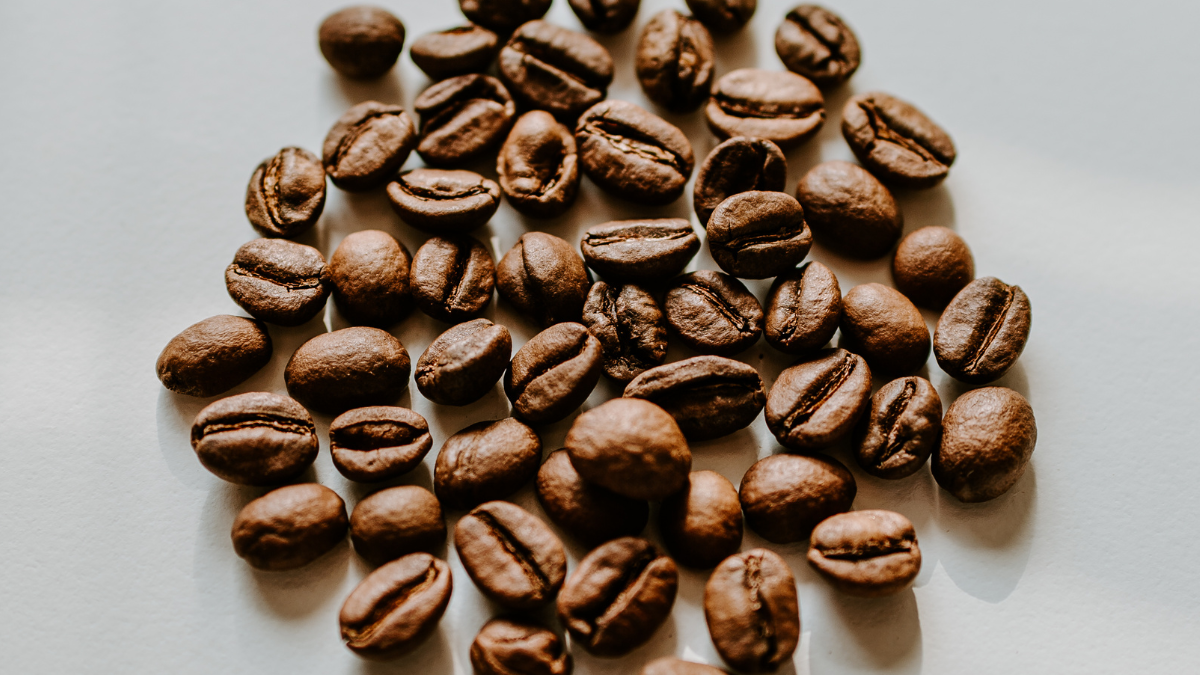
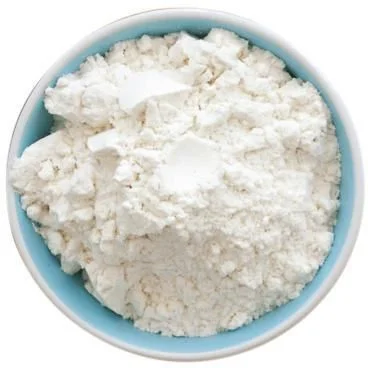
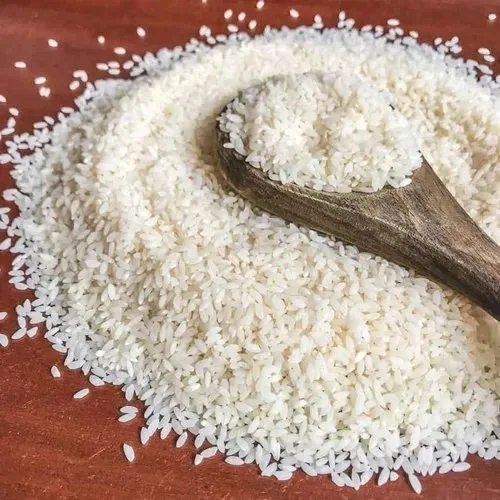
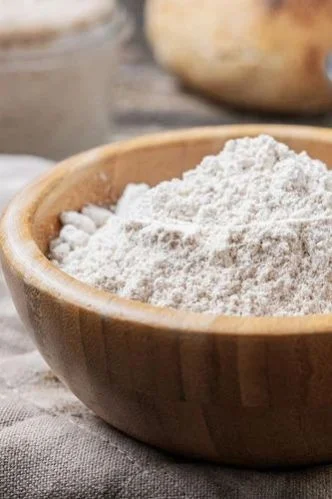
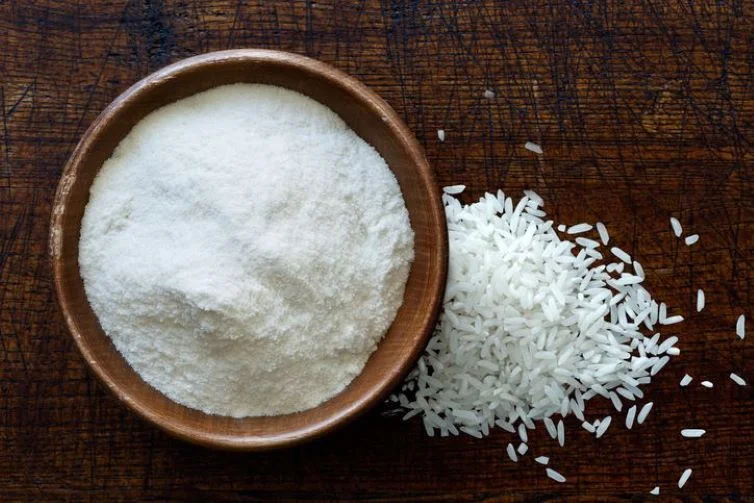
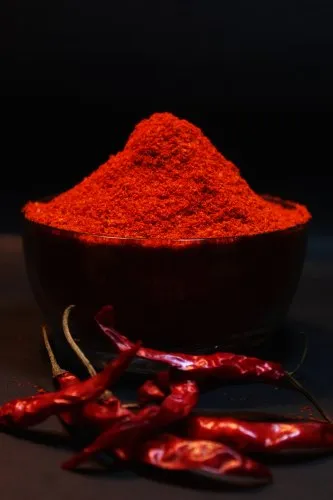
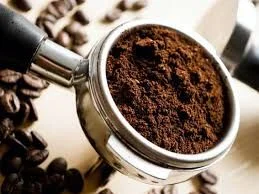
The catalogue enumerates items across rice sub‑types (Jasmine, Long Grain, Broken, Red, Black, Medium, Calrose, Japonica, Glutinous, Homali Jasmine, and crop‑specific entries for 2023), rice‑based processed goods (Rice Paper, Rice Noodles, Rice Flour, Rice Starch, Rice Papper), starches (Tapioca Starch), and spices (Black Pepper, White Pepper, Powder Pepper). Additional commodities include Desiccated Coconut, Vietnam Coffee Beans, and Vietnam Cassia/Cinnamon, bringing the total product count to the reported 30.
Product Range and Specialties of Vilaconic Joint Stock Company
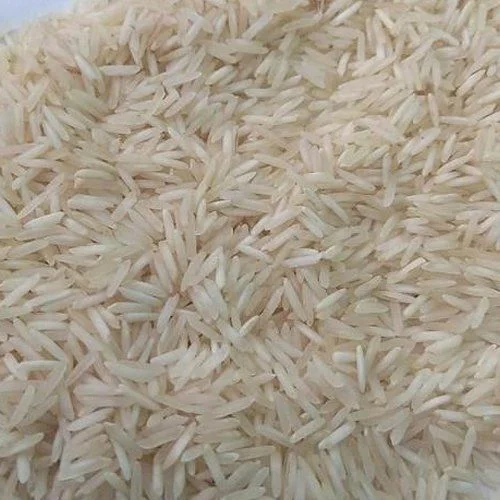
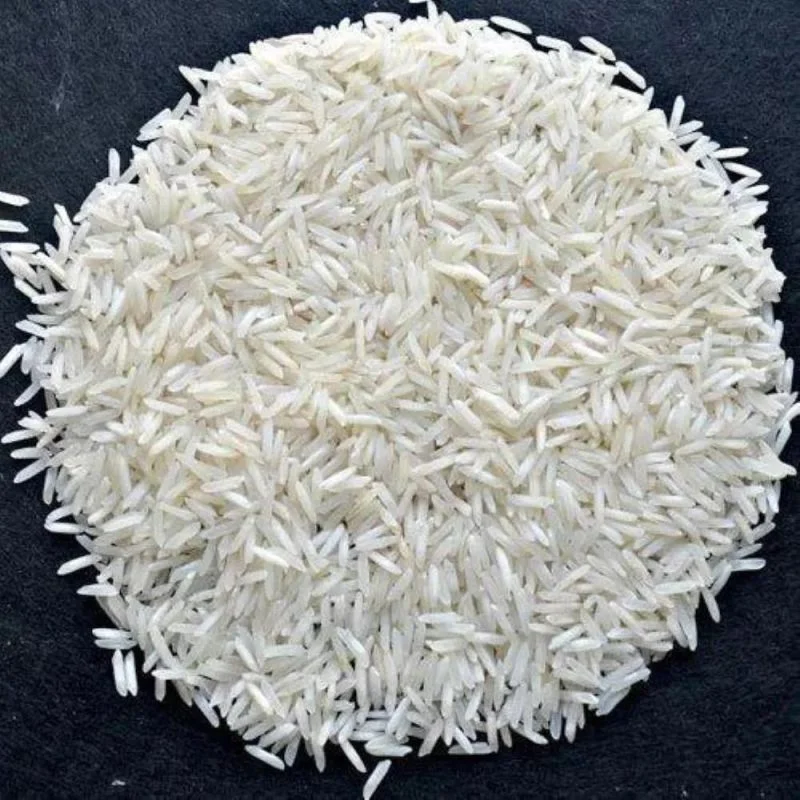
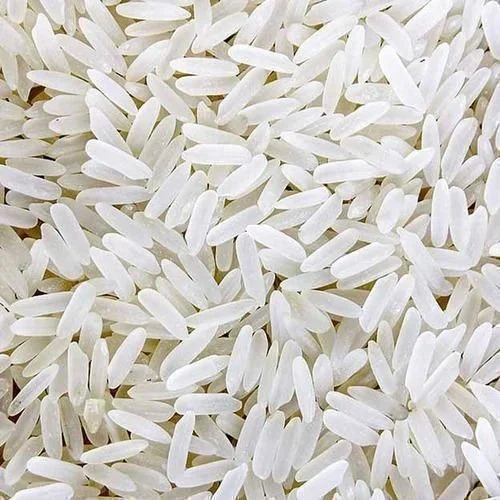
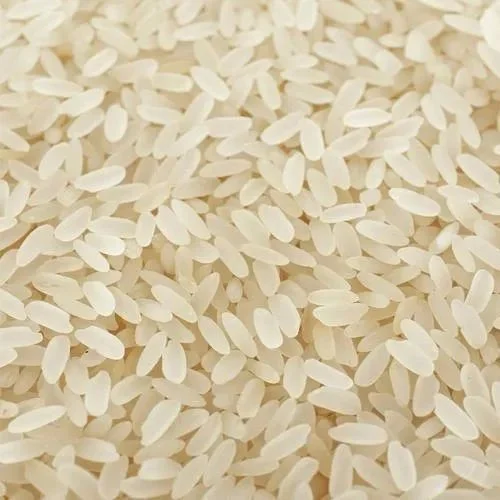
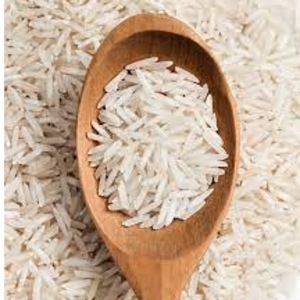
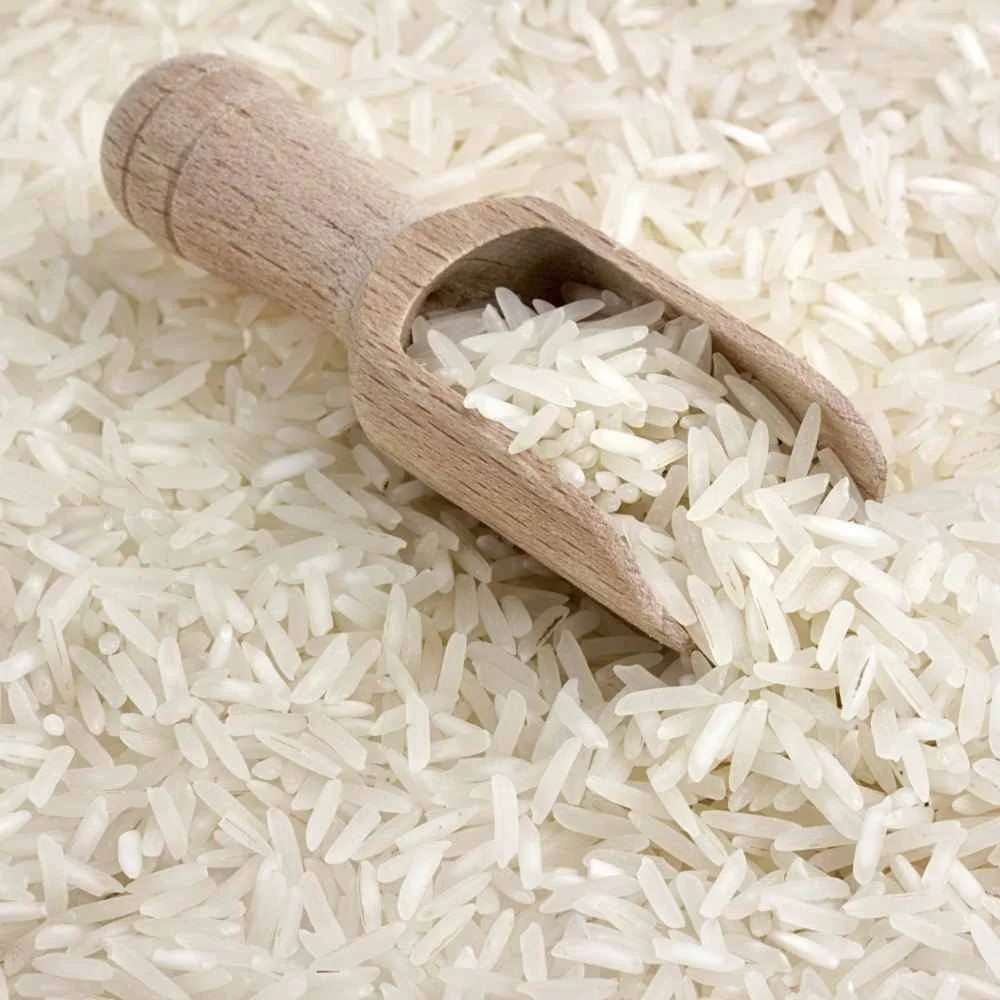
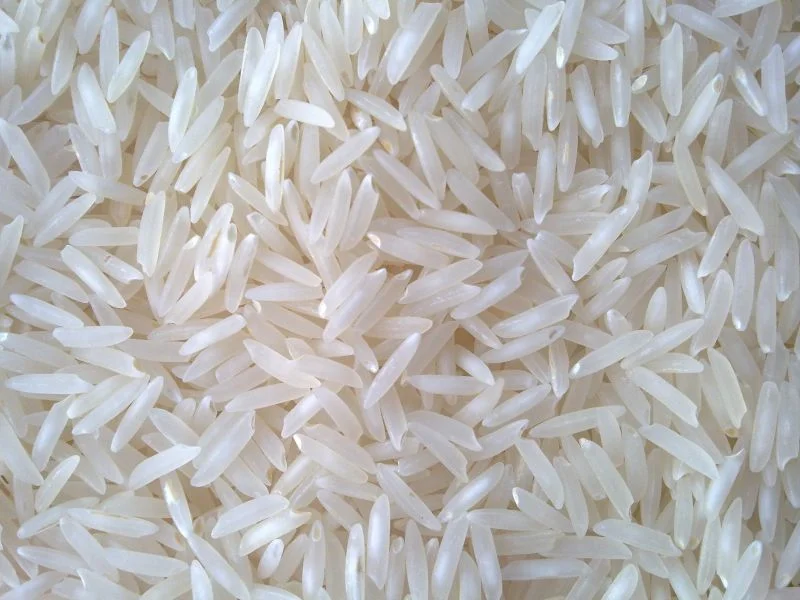
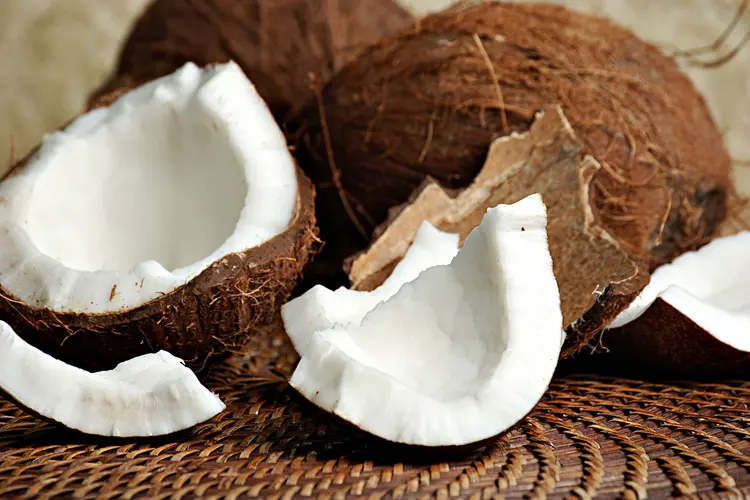
Vilaconic’s rice line covers aromatic Jasmine varieties, standard long‑grain white rice, and specialty pigments such as Red and Black rice, each typically milled to a moisture level below 14 % and broken fractions ranging from 0 % to 5 % as indicated in the product titles. In the broader rice market, buyers often request specifications for grain length (e.g., 6.5‑7.0 mm for long grain), head rice recovery above 65 %, and pesticide residue limits consistent with Codex Alimentarius. Pepper offerings include whole Black and White pepper as well as ground powder, which are normally graded by moisture (<13 %), oil content, and PF (piperine) levels between 40‑45 % for high‑quality Black pepper. Desiccated coconut is generally evaluated on moisture (<6 %) and fat content (≈65 %); tapioca starch is assessed for purity (>99 %) and viscosity (150‑200 cP at 20 °C).
Trade and Export Information - Vilaconic Joint Stock Company
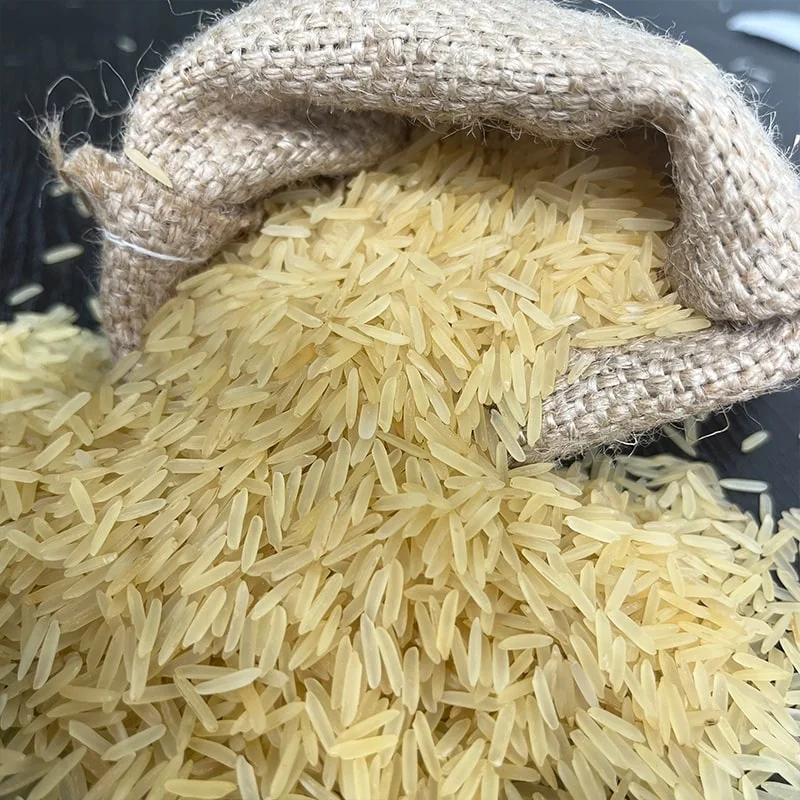
Vietnam is a major exporter of milled rice, accounting for a significant share of global shipments to East Asia, the Middle East, and Africa. Rice exported from Vietnam usually follows HS chapter 10 (particularly 1006), and buyers often require phytosanitary certificates and compliance with local grain import regulations. Vietnamese pepper, classified under HS 0904, is widely shipped to the United States, the EU, and Asian processing hubs, where ISO 22000 or HACCP certification is commonly requested. Desiccated coconut (HS 0801) and tapioca starch (HS 1101) are typically sent to confectionery and food‑manufacturing markets in Europe and North America, with container loads ranging from 20‑ft to 40‑ft units depending on bulk density. Logistics from Vietnam’s coastal ports frequently employ CIF terms, with cargo secured in breathable burlap for rice and moisture‑proof packaging for spices and coconut products.
Sourcing from Vilaconic Joint Stock Company - Buyer Guidance
When sourcing rice from Vilaconic, buyers should ask for a recent mill test report that includes moisture, broken percentage, head rice recovery, and any pesticide residue analysis. For pepper, request a certificate of analysis showing moisture, oil content, and piperine level, together with a phytosanitary certificate. Samples of desiccated coconut and tapioca starch should be accompanied by moisture and purity test results, as well as any relevant food‑safety certifications the supplier can provide. Verify that the supplier can meet standard container loading plans (e.g., 25 t per 40‑ft container for milled rice) and confirm packaging details such as polypropylene sacks with inner liners for rice and airtight drums for starches.
Frequently Asked Questions About Vilaconic Joint Stock Company
What rice varieties does Vilaconic offer and how are they graded?
The catalogue lists Jasmine, Long Grain, Red, Black, Medium, Calrose, Japonica, Glutinous, and Homali Jasmine rice, each typically milled to ≤14 % moisture. Grades are commonly defined by broken percentage (e.g., 5 % broken for some items) and head rice recovery above 65 %.
Are the pepper products whole or ground, and what quality parameters are used?
Both whole Black and White pepper and ground Powder Pepper are offered. Quality is usually measured by moisture (<13 %), oil content, and PF (piperine) levels of 40‑45 % for Black pepper.
What documentation should a buyer request for rice shipments?
Buyers should request a mill test report, a phytosanitary certificate, and any food‑safety certificates such as ISO 22000 or HACCP that the supplier can provide.
How is desiccated coconut packaged for export?
It is typically packed in moisture‑proof bags or bulk containers with inner liners to keep moisture below 6 % during transit.
What are the typical container loads for rice and spices from Vietnam?
Milled rice generally loads about 25 tonnes in a 40‑ft container, while spices like pepper and desiccated coconut are loaded according to weight limits, often 20‑22 tonnes per 40‑ft container.
Which certifications are commonly required for Vietnamese pepper and rice imports?
Importers usually require ISO 22000 or HACCP certification, a phytosanitary certificate, and compliance with Codex maximum residue limits for pesticides.
Can Vilaconic provide samples before a full order?
Yes, the supplier can arrange small‑quantity samples of rice, pepper, or coconut, accompanied by the relevant test reports.
What Incoterms are typically used for shipments from Vietnam?
Buyers often see CIF (Cost, Insurance, Freight) or FOB (Free on Board) terms applied to shipments from Vietnam’s major ports.




 , Viet Nam