Ventifact Holdings — Verified Supplier
About Ventifact Holdings - Agriculture Supplier in Botswana
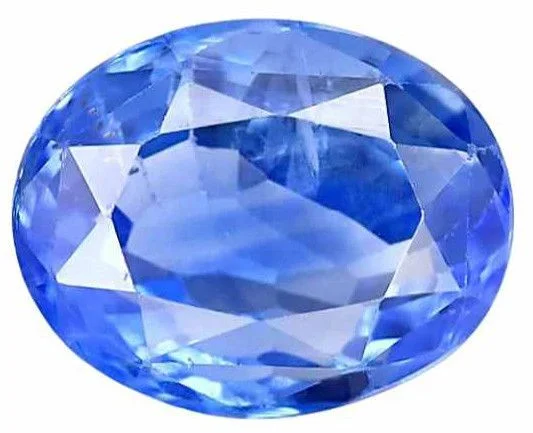
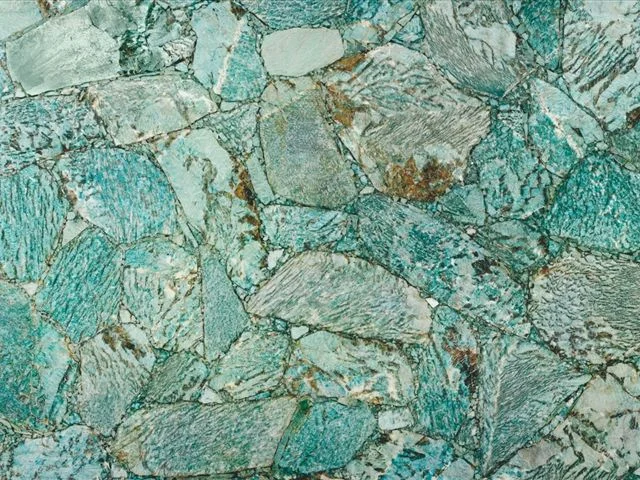
Ventifact Holdings operates from Botswana and currently offers six gemstone products in its catalogue. The list includes Polished Botswana Agate, Rhodolite Garnet, Chrysoberyl, Polish Malawi Ruby, Natural Sri Lanka Blue Sapphire, and Aquamarine. These items fall under the HS Chapter 71, specifically HS code 7103 for cut and polished precious or semi‑precious stones. The catalogue covers a range of mineral origins, with agate sourced locally, garnet and ruby from Malawi, sapphire from Sri Lanka, and aquamarine of unspecified provenance.
The supplier is recorded in the platform as an imported, harbor‑tier trader and is grouped under the Agriculture category despite the gemstone focus. No additional product specifications such as carat weight, color grade, or clarity are supplied in the source data, and the company does not list any certifications. Buyers can therefore treat the catalogue as a source list of six distinct gemstone types originating from Southern Africa and South Asia.
Product Range and Specialties of Ventifact Holdings
The six items span common semi‑precious and precious stone families. Polished Botswana Agate is evaluated for translucency and banding pattern, while Rhodolite Garnet is graded by its pink‑red hue and clarity. Chrysoberyl quality is measured by color saturation and absence of inclusions; Polish Malawi Ruby is assessed against the “pigeon‑blood” red standard, and Natural Sri Lanka Blue Sapphire is judged on its cornflower‑blue tone and uniformity. Aquamarine is typically sorted by its pastel blue‑green shade and clarity. In the gemstone trade, buyers usually request gemological grading reports from laboratories such as GIA or IGI, and standard size ranges for cut stones run from 1 mm up to 15 mm in diameter, with carat weights from 0.01 ct to several carats depending on the stone.
Trade and Export Information - Ventifact Holdings
Botswana’s gemstone exports are routed primarily to processing hubs and luxury markets in India, China, the United Arab Emirates, the United States and the European Union. All six stones are classified under HS 7103, which customs authorities use for cut and polished precious or semi‑precious stones. Importing countries often require a gemological report, an origin certificate, and compliance with CITES where applicable, although none of the listed stones fall under CITES restrictions. Typical logistics involve packing the stones in padded wooden crates or reinforced cartons, loading them into 20‑ft or 40‑ft containers, and shipping under FOB or CIF terms. Export documentation from Botswana includes a commercial invoice, packing list, certificate of origin and, where requested, a laboratory grading report.
Sourcing from Ventifact Holdings - Buyer Guidance
When sourcing from Ventifact Holdings, buyers should request an independent gemological grading report that specifies color grade, clarity, carat weight and any treatments. An origin declaration confirming Botswana, Malawi or Sri Lanka provenance should be obtained, together with the HS‑code declaration (7103). Verify packaging details - soft tissue, individual compartments and sturdy outer crates - to avoid damage during transit. Typical minimum order quantities in the gemstone sector range from 50 to 200 pieces or an equivalent carat weight, and lead times are usually 30‑45 days after order confirmation, subject to laboratory testing and export clearance.
Frequently Asked Questions About Ventifact Holdings
What types of gemstones does Ventifact Holdings list in its catalogue?
The catalogue includes Polished Botswana Agate, Rhodolite Garnet, Chrysoberyl, Polish Malawi Ruby, Natural Sri Lanka Blue Sapphire and Aquamarine.
Under which HS code are these stones classified for customs purposes?
All listed gemstones are classified under HS code 7103, which covers cut and polished precious or semi‑precious stones.
Which certifications or documents should a buyer request for these gemstones?
Buyers should request an independent gemological grading report (e.g., GIA or IGI) and an origin declaration; the supplier does not list any specific certifications.
What are the typical packaging methods for shipments of these gemstones?
Gemstones are usually packed in padded wooden crates or reinforced cardboard boxes, separated with soft tissue, and loaded into 20‑ft or 40‑ft containers for ocean freight.
Which markets commonly import gemstones from Botswana and neighboring regions?
Major import destinations include India, China, the United Arab Emirates, the United States and European Union member states.
What key information should be verified before placing an order with this supplier?
Verify the HS‑code declaration (7103), obtain a gemological report detailing color, clarity and carat weight, confirm the country of origin and agree on packaging specifications and Incoterm (commonly FOB or CIF).




 , Botswana