Agriculture›
 Apparel and fashion accessories›
 Construction & real estate›💡Electronic & Electrical›🍎Food & Beverages›🛋️Home furnishing & supplies›⚗️Industrial goods & chemical›🪨Minerals & metals›📦Miscellaneous›Agriculture›Apparel and fashion accessories›Construction & real estate›💡Electronic & Electrical›🍎Food & Beverages›🛋️Home furnishing & supplies›⚗️Industrial goods & chemical›🪨Minerals & metals›📦Miscellaneous›
Velu Naturo Product Catalog
About Velu Naturo - Jaggery Supplier in India
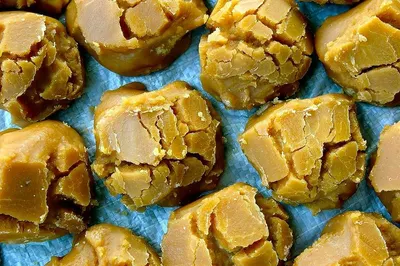
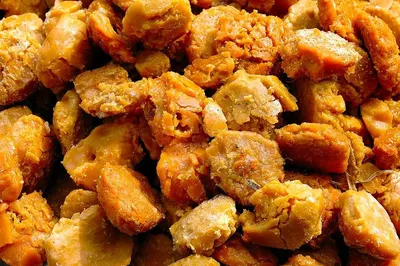
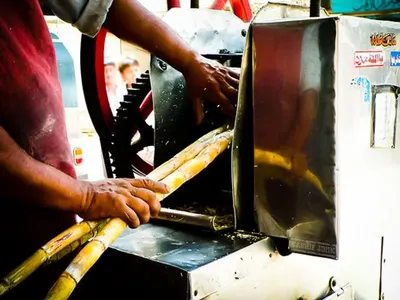
Velu Naturo operates from India and currently lists seven active products in its catalogue. The company’s offerings are concentrated in the sweetener segment, covering jaggery, various forms of sugar, and raw sugarcane. Products include solid jaggery blocks, powdered jaggery, crumbled jaggery, liquid sugar, brown sugar granules, and raw sugarcane stalks. Each item falls under the sugar and confectionery HS chapter 17, which includes codes 1701‑1704 for cane sugar, refined sugar, and jaggery products. The supplier’s catalogue does not disclose additional HS codes beyond the typical chapter classification.
The product list reflects the traditional Indian sweetener market, where jaggery is produced from the concentrated juice of sugarcane or date palm. In trade terms, jaggery products are commonly classified under HS code 1704, while liquid and brown sugar granules align with HS 1701‑1702. The supplier’s active product count of seven indicates a focused portfolio rather than a broad commodity range. No further company history or capacity details are provided in the source data.
Product Range and Specialties of Velu Naturo
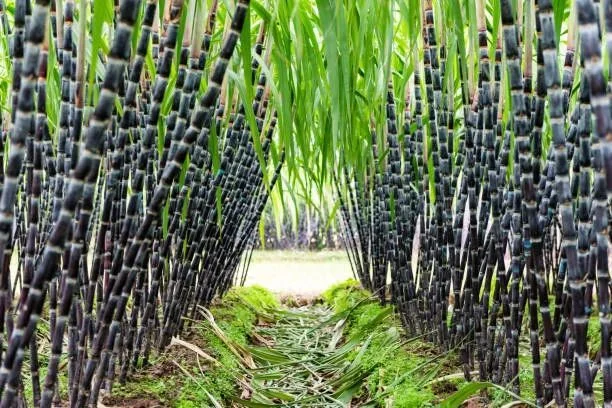
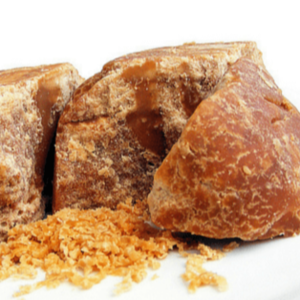
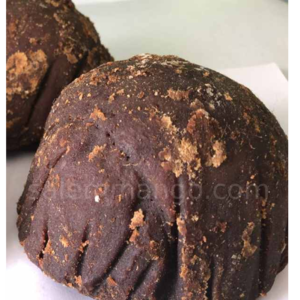
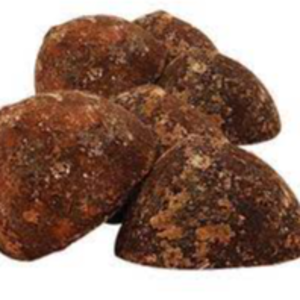
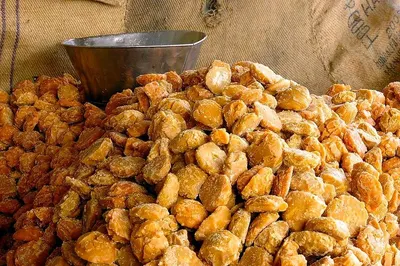
Velu Naturo’s catalogue comprises solid jaggery blocks, powdered jaggery, crumbled jaggery, liquid sugar, brown sugar granules, and raw sugarcane. In the industry, solid jaggery typically has moisture content between 10 % and 15 % and a sucrose concentration of 70 % - 80 %. Powdered jaggery is often milled to a particle size of 150 - 300 µm, while crumbles are broken into irregular pieces of 5 - 20 mm for confectionery use. Liquid sugar sold in bulk generally meets the ISO 3631 standard for sugar syrup, with Brix values ranging from 70 % to 80 % and a viscosity of 1,500 - 2,500 cP at 20 °C. Brown sugar granules are usually produced by mixing refined sugar with molasses, resulting in a moisture level of 4 % - 6 % and a color grade of 3 - 5 on the CIE L*a*b* scale. Raw sugarcane is exported as whole stalks or cut into 1‑meter lengths, with typical Brix values of 14 % - 16 %.
Frequently Asked Questions About Velu Naturo
What types of jaggery does Velu Naturo offer?
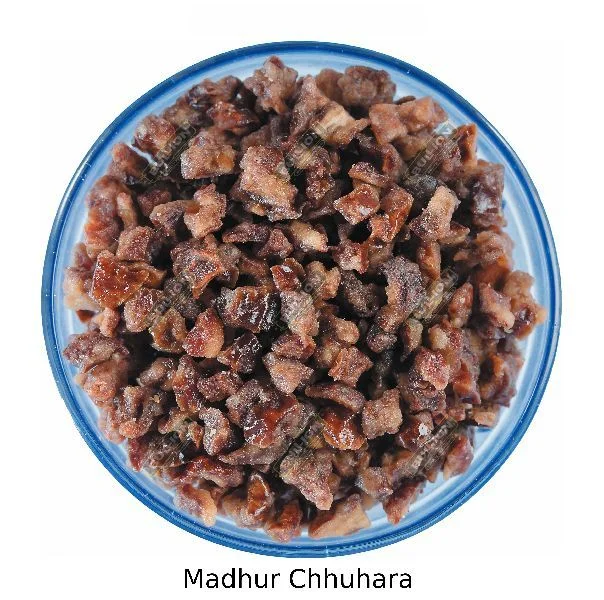
The catalogue lists solid jaggery blocks, powdered jaggery and jaggery crumbles. Each form is produced from concentrated sugarcane juice and is commonly classified under HS code 1704.
Which HS codes are relevant for the products listed by Velu Naturo?
Jaggery products fall under HS code 1704, liquid sugar and brown sugar granules are covered by HS codes 1701‑1702, and raw sugarcane is classified under HS code 1701. These codes belong to Chapter 17, which governs sugar and confectionery items.
What certifications should a buyer request for Indian jaggery imports?
Buyers should request evidence of FSSAI registration, ISO 22000 or HACCP food‑safety certification, and a recent laboratory analysis report. A phytosanitary certificate and certificate of origin are also standard for customs clearance.
How is solid jaggery typically packaged for export?
Exporters usually pack solid jaggery in 25 kg polypropylene bags that meet food‑grade standards. The bags are stacked in standard 20‑ft or 40‑ft containers, allowing approximately 1,200 kg per 20‑ft box.
What quality parameters are commonly checked for liquid sugar?
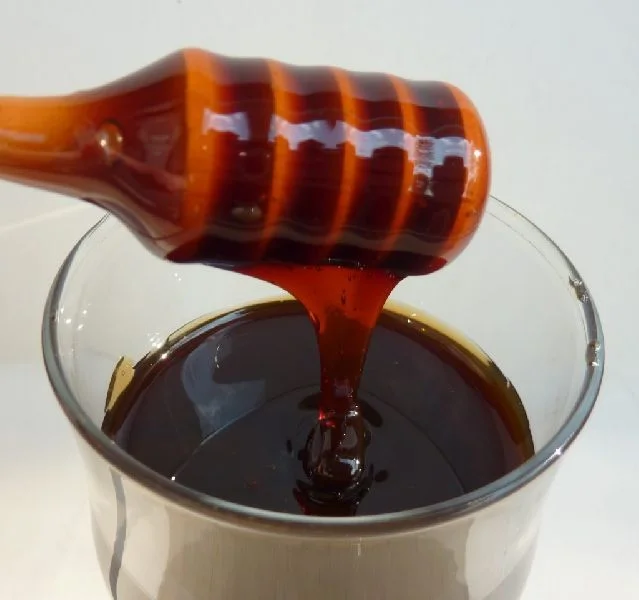
Liquid sugar is tested for Brix (typically 70 % - 80 %), moisture content (under 5 %), viscosity (1,500 - 2,500 cP at 20 °C), and limits on microbial contamination. A certificate of analysis confirming these parameters is standard practice.
 India
Related Suppliers & Products
Explore similar suppliers, related products and trending categories