Valley Green Organics — Verified Supplier
About Valley Green Organics - Charcoal Supplier in Ghana
Valley Green Organics is based in Ghana and currently lists eight active products across natural raw material categories. The catalogue covers hardwood charcoal, dried hibiscus flowers, African black soap, unrefined shea butter, baobab oil, bitter kola nuts, cashew nuts, and handcrafted straw baskets. These items fall under the top categories of charcoal, dried flowers, soaps & detergents, cosmetic raw material, massage oil, dry fruits & nuts, and herbal extracts. Each product is presented with its generic type without further specification of grades or packaging in the source data. The supplier is classified in the harbor trust tier, indicating a moderate level of verification.
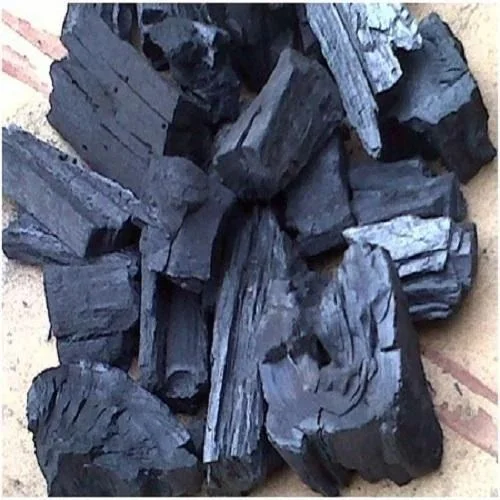
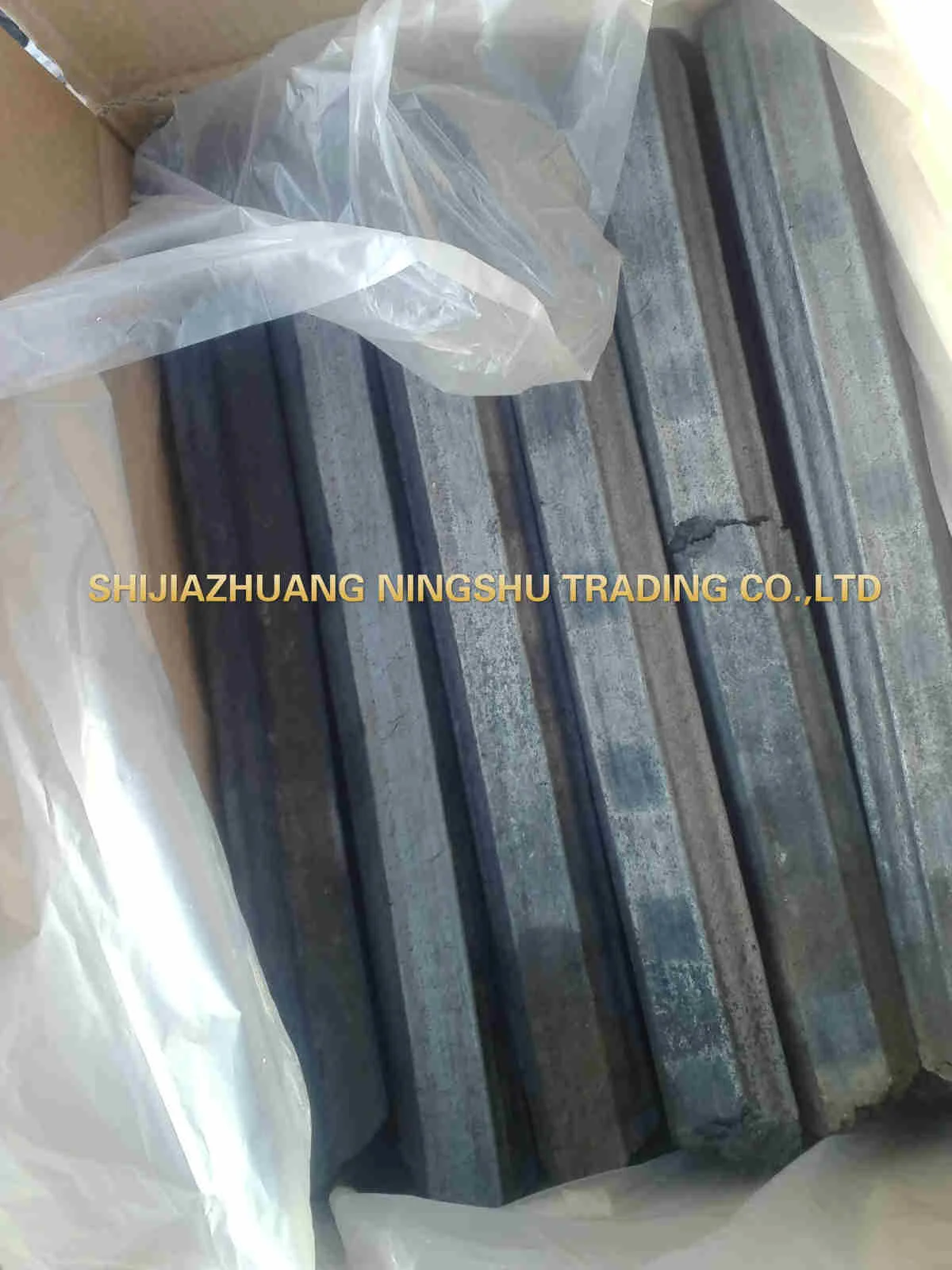
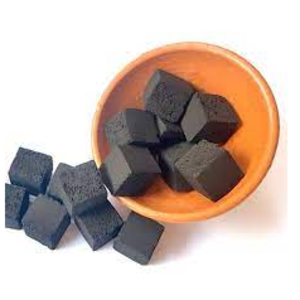
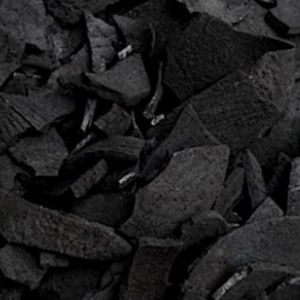
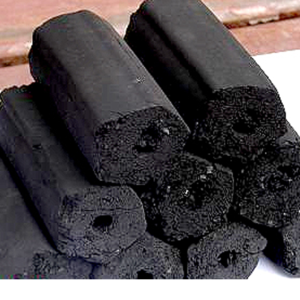
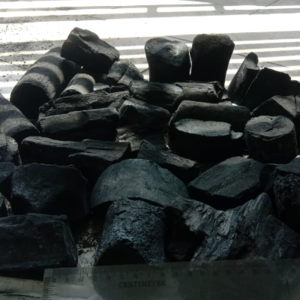
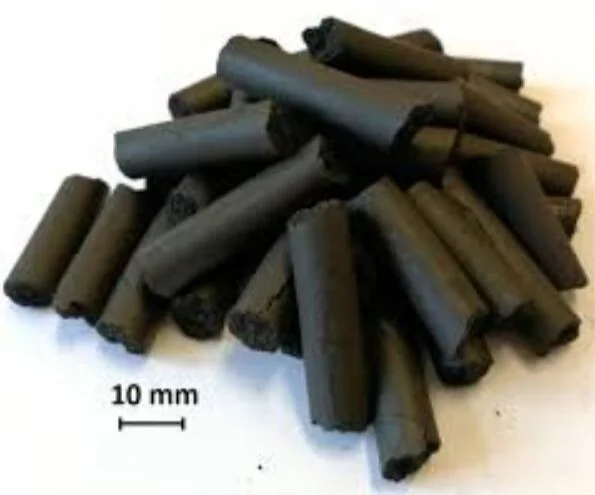
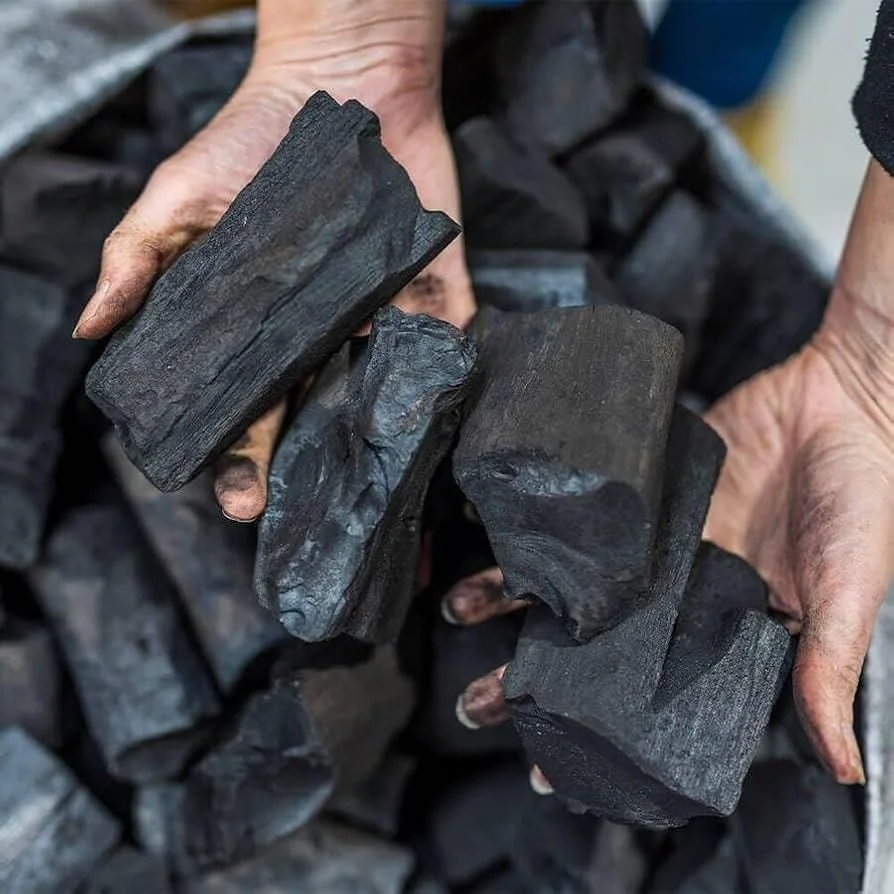
The only product with a disclosed customs classification is the unrefined shea butter, recorded under HS code 1515.90, which belongs to the vegetable fats and oils chapter. The remaining items are typical of HS chapters 44 (hardwood charcoal), 06 (dried flowers), 34 (soap), 15 (vegetable oils), 08 (nuts), and 44/46 (straw baskets). Hardwood charcoal is generally supplied as lump or briquette form for industrial fuel or barbecue use. Dried hibiscus flowers are used in beverages and herbal preparations, while African black soap is a traditional cleansing bar. Baobab oil, bitter kola nuts, and cashew nuts are exported as bulk food‑grade commodities, and straw baskets are packaged as handcrafted décor items.
Product Range and Specialties of Valley Green Organics
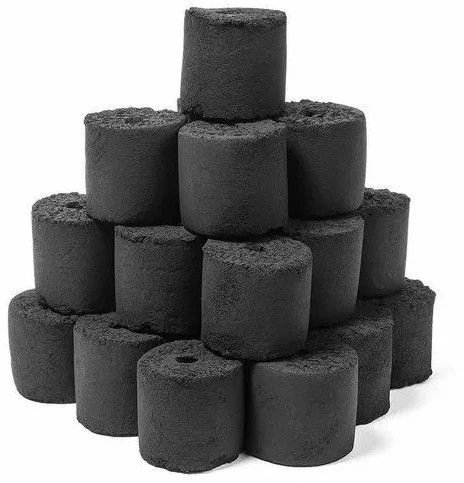
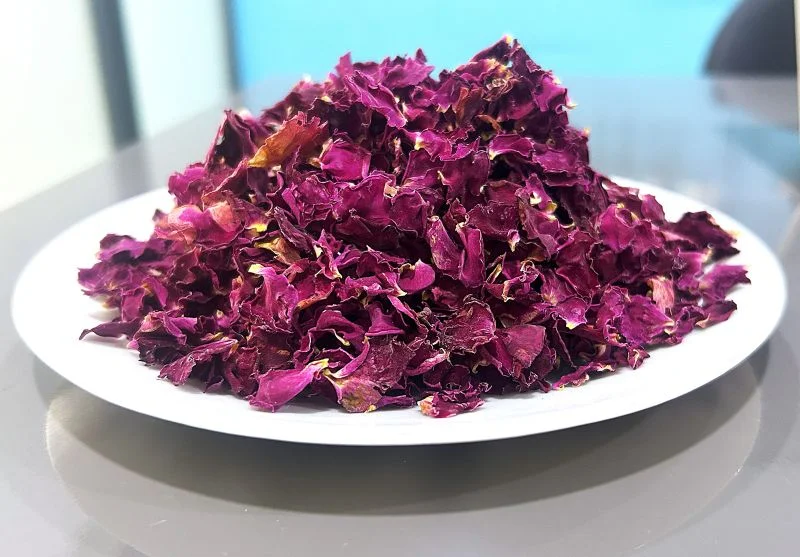
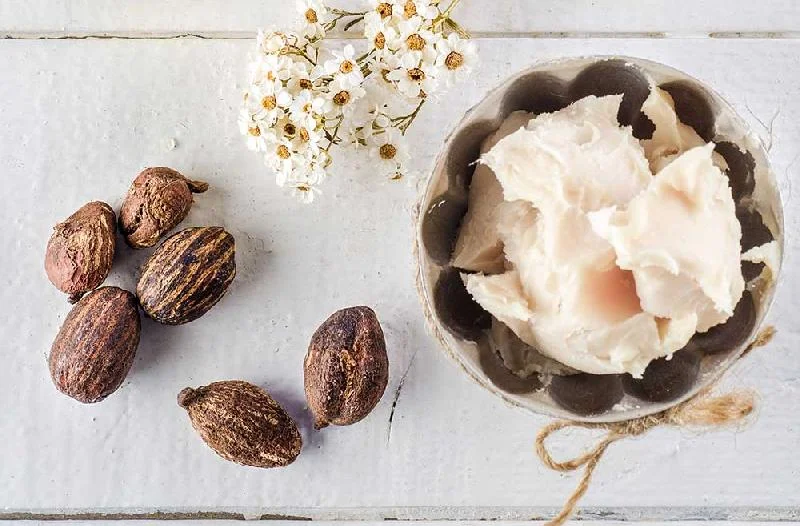
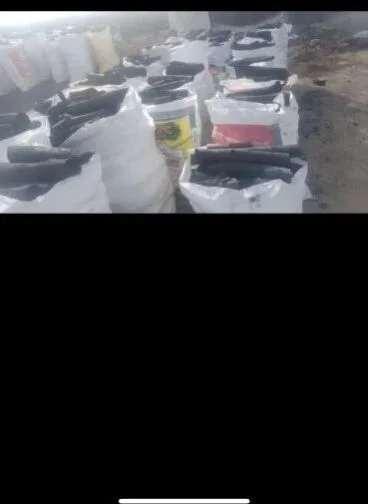
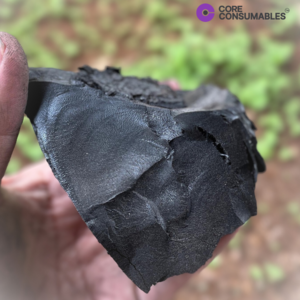
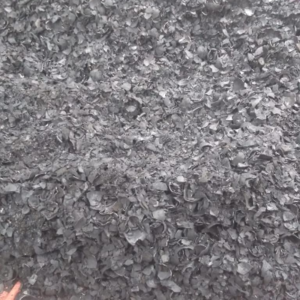
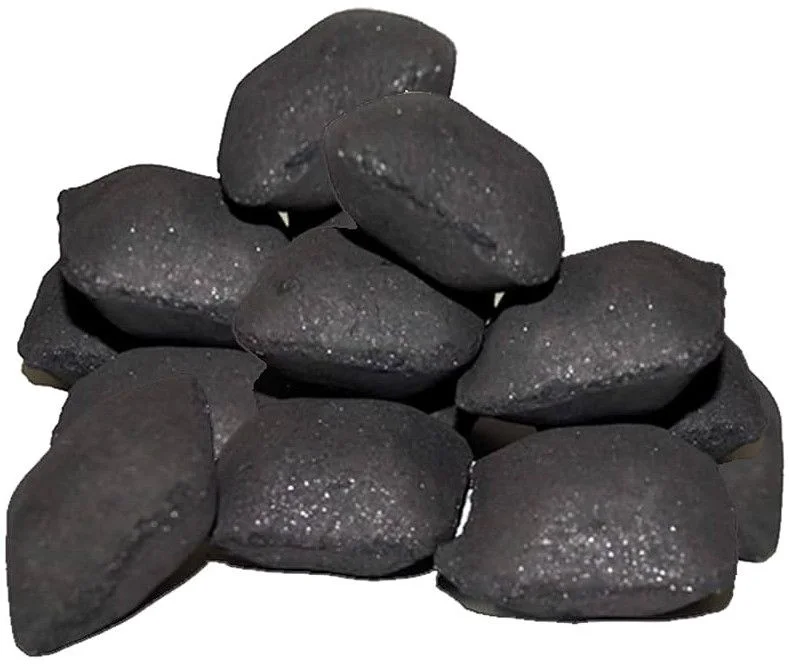
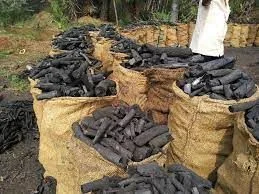
Valley Green Organics offers hardwood charcoal, typically produced from dense tropical timber and marketed in lump or briquette form with moisture content below 10 % and an ash yield under 5 %. Dried hibiscus flowers are usually dried to a moisture level under 12 % and retain a vivid red colour measured by standard colourimetry. African black soap is formulated from locally sourced plant ash and oils, often meeting the WHO standard for pH between 9 and 10. Unrefined shea butter is supplied as 100 % pure butter, with free fatty acid content under 1 % and a melt point of 34‑38 °C. Baobab oil is cold‑pressed, retaining a high unsaponifiable fraction and an iodine value around 70‑80. Bitter kola nuts and cashew nuts are exported shell‑free with moisture below 6 % and comply with food‑grade aflatoxin limits. Straw baskets are woven from dry local straw, typically packed flat in wooden crates for transport.
In global trade, charcoal from Ghana is classified under HS 4401 and is commonly used for grilling and metallurgical processes in Europe and the Middle East. Dried hibiscus flowers (HS 0603) are a popular ingredient for teas and natural colourants, especially in North American and European markets. Shea butter (HS 1515.90) and baobab oil (HS 1515) are sought after by cosmetic manufacturers in the EU and US, who often require organic certification and COA for peroxide value. Nut products (HS 0802) from Ghana meet the EU’s maximum residue limits for pesticides and are frequently shipped in 20 kg polypropylene bags. Straw baskets fall under HS 4419 and are exported as artisanal décor, typically to boutique retailers in Europe and Africa.
Trade and Export Information - Valley Green Organics
Ghana’s export profile for natural raw materials includes charcoal, plant‑based oils, nuts, and handcrafted goods, with the European Union, United States, and West African neighbours representing the largest demand pools. Buyers of hardwood charcoal usually request a moisture certificate and compliance with ISO 17225‑2 for solid biofuels. Cosmetic‑grade shea butter and baobab oil are subject to EU REACH registration and often need a Certificate of Analysis confirming peroxide value, acidity, and microbial limits. Food‑grade nuts must pass phytosanitary inspection and meet the EU’s maximum aflatoxin limits (4 µg/kg for total aflatoxins). Straw baskets are inspected for pest‑free wood and may require a phytosanitary certificate for certain markets.
Logistically, the eight products can be consolidated into standard 20‑ft or 40‑ft containers. Charcoal and straw baskets are typically loaded in bulk or on pallets with moisture‑resistant liners, while edible oils, butter, and nuts are packed in sealed food‑grade drums or bulk bags. Common Incoterms used by Ghanaian exporters include FOB Tema port and CIF European destinations. Export documentation generally includes the commercial invoice, packing list, certificate of origin, phytosanitary certificate for agricultural items, and any required organic or fair‑trade certificates that buyers may request.
Sourcing from Valley Green Organics - Buyer Guidance
When sourcing from Valley Green Organics, buyers should request a current phytosanitary certificate for all edible products, a Certificate of Analysis for shea butter and baobab oil, and a moisture content report for charcoal and nuts. Samples of charcoal, dried hibiscus, and nuts are usually provided in 5 kg bags, while oil and butter samples are shipped in 1 L glass bottles under temperature‑controlled conditions. Verification of compliance with ISO 9001 or organic standards should be confirmed through third‑party audit reports before finalizing a contract. Buyers are advised to check the HS codes on the commercial invoice to ensure correct tariff classification and to request any additional certificates required by the destination country.
It is prudent to confirm the supplier’s packaging specifications - e.g., 20 kg polypropylene bags for nuts, 25 kg bulk bags for shea butter, and palletized crates for charcoal - so that handling and storage align with the buyer’s warehouse capabilities. Lead times for most items range from 30 to 45 days after order confirmation, with longer periods for custom‑processed charcoal or bulk oil shipments. Prior to shipment, request a pre‑shipment inspection report covering weight, dimensions, and compliance with the agreed product specifications.
Frequently Asked Questions About Valley Green Organics
What natural products does Valley Green Organics list in its catalogue?
The catalogue includes hardwood charcoal, dried hibiscus flowers, African black soap, unrefined shea butter (HS 1515.90), baobab oil, bitter kola nuts, cashew nuts, and handcrafted straw baskets.
Which product has an HS code provided in the supplier data?
Unrefined shea butter is listed with HS code 1515.90, which falls under the vegetable fats and oils chapter.
What typical specifications should a buyer verify for the charcoal?
Buyers usually check that the charcoal moisture is below 10 %, ash content is under 5 %, and that it complies with ISO 17225‑2 for solid biofuels.
What certifications are commonly required for the shea butter and baobab oil?
Buyers often request an organic certificate, a Certificate of Analysis showing peroxide value, acidity, and microbial limits, and compliance with EU REACH regulations.
What are the usual packaging formats for the nuts and oil products?
Cashew nuts and bitter kola nuts are generally packed in 20 kg food‑grade polypropylene bags, while shea butter and baobab oil are shipped in sealed drums or bulk bags ranging from 500 kg to 1 ton.
Which markets typically import these Ghanaian natural products?
European Union countries, the United States, and West African regional markets are the main import destinations for Ghanaian charcoal, oils, nuts, and handcrafted baskets.
What documentation should a buyer request before import?
A commercial invoice, packing list, certificate of origin, phytosanitary certificate for edible items, and any organic or third‑party audit reports relevant to the product.
What are typical lead times and minimum order quantities for these items?
Lead times are generally 30‑45 days after order confirmation. Minimum order quantities vary: charcoal often starts at one 20‑ft container, nuts at 10 tons, and oils at 5 tons, but buyers should confirm the exact MOQ with the supplier.




 , Ghana