United International Commercial — Verified Supplier
About United International Commercial - Agriculture Supplier in Egypt
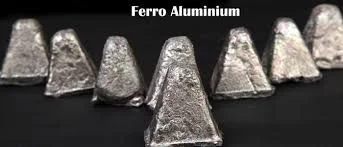
Egypt is the origin country for United International Commercial, which currently lists five active products in its catalogue. The product portfolio comprises aluminum t‑bars & ingot, aluminum foundry ingot alloys, silica sand, aluminum billets and aluminum slabs, each identified under the relevant HS chapter for unwrought aluminium or silica sand. The supplier’s catalogue does not include additional product lines beyond these five items, and the active count reflects the exact items available for trade. All entries are presented without reference to additional certifications or client references.
The listed aluminium items fall under HS chapter 76, which covers unwrought aluminium products such as ingots, billets and slabs, while silica sand is classified under HS chapter 25 for mineral sands. These classifications are standard for customs reporting and determine tariff treatment in most importing jurisdictions. United International Commercial’s catalogue therefore aligns with the typical HS code families used for bulk metal and industrial sand shipments.
Product Range and Specialties of United International Commercial
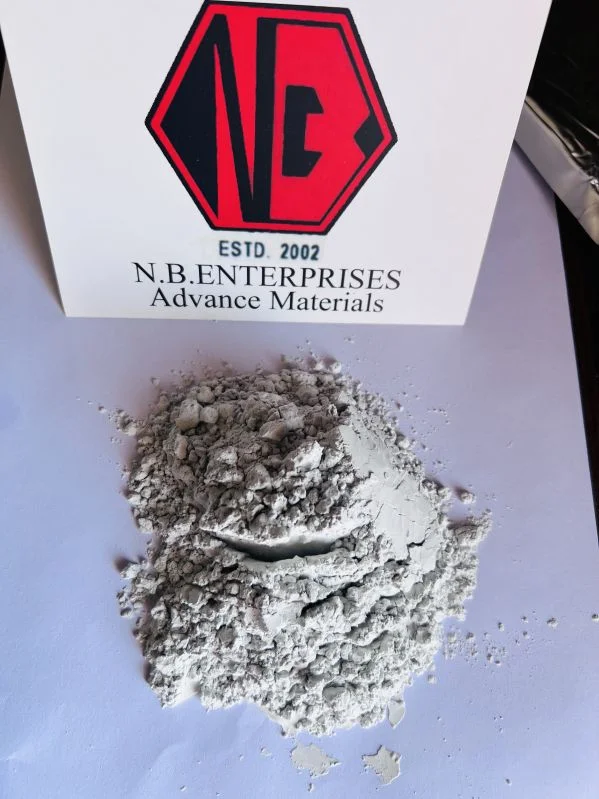
The catalogue offers four aluminium forms - t‑bars, foundry ingot alloys, billets and slabs - and one mineral product, silica sand. In the aluminium sector, t‑bars are commonly produced to ASTM B221 specifications, with alloy grades such as 6061 or 6063 and tolerances on dimensions and surface finish. Foundry ingot alloys are typically supplied in standard casting grades like A319 or A356, with chemical composition certified by mill test reports. Billets and slabs are usually supplied in standard sizes for downstream rolling or extrusion, and are classified under HS code 7601. Silica sand is generally provided with a purity of 99 % SiO₂, grain size distribution between 0.1 mm and 2 mm, and moisture content below 0.5 %, meeting ASTM C136 or EN 1302 requirements.
Industry practice for aluminium products includes compliance with EN 573‑3 for chemical composition and ISO 9001 quality management systems, while silica sand exporters often provide a Certificate of Analysis confirming purity and grain size. Buyers frequently request documentation such as mill test reports, material safety data sheets and compliance certificates to verify that the supplied grades meet the intended application, whether in automotive casting, construction extrusion or glass manufacturing.
Trade and Export Information - United International Commercial
Exporters of aluminium from Egypt typically serve markets in the European Union, the Gulf Cooperation Council and East Asia, where the metal is used for construction, automotive and aerospace applications. The HS chapter 76 classification (e.g., 7601 for unwrought aluminium) is commonly inspected under customs regimes that may require a Certificate of Origin and, where applicable, anti‑dumping duties. Silica sand from Egypt is frequently shipped to glass manufacturers in Europe and the United States, as well as to foundries in the Middle East, and falls under HS code 2501. Importers often request compliance with ISO 9001 and relevant ASTM or EN standards, along with a laboratory analysis report for silica purity and grain size.
Logistically, aluminium billets and slabs are usually loaded in 20‑ft or 40‑ft containers on wooden pallets, while bulk silica sand may be transported in open‑top containers or in 25 kg polypropylene bags. Common Incoterms include FOB Alexandria Port or CIF to the buyer’s destination, with freight forwarders handling the necessary safety certifications. Egypt’s export infrastructure supports these shipments through well‑established port facilities and a network of freight services that align with international trade regulations.
Sourcing from United International Commercial - Buyer Guidance
When sourcing aluminium products from United International Commercial, buyers should request mill test reports that detail alloy designation, chemical composition and mechanical properties per ASTM or EN standards. Verification of the HS code used for customs clearance, along with a Certificate of Origin, helps ensure smooth import procedures. For silica sand, buyers should obtain a Certificate of Analysis confirming SiO₂ purity, grain size distribution and moisture content, as well as any relevant safety data sheets.
It is advisable to confirm the supplier’s compliance with ISO 9001 or any specific industry certifications required by the buyer’s market before placing an order. Buyers should also clarify packaging details - such as pallet dimensions for aluminium billets or bag specifications for silica sand - and agree on Incoterms that match their logistics strategy. Requesting a pre‑shipment sample can further validate that the material meets the required grade and quality specifications.
Frequently Asked Questions About United International Commercial
What aluminium products are listed in United International Commercial’s catalogue?
The catalogue includes aluminium t‑bars & ingot, aluminium foundry ingot alloys, aluminium billets and aluminium slabs, all classified under HS chapter 76 for unwrought aluminium.
Which specifications should be verified for aluminium billets?
Buyers should request a mill test report showing the alloy grade (e.g., 6061, 7075), chemical composition, tensile strength according to ASTM B211, and the exact dimensions of the billets.
What are the typical quality parameters for the silica sand offered?
Silica sand is commonly supplied with at least 99 % SiO₂ purity, grain size between 0.1 mm and 2 mm, moisture content not exceeding 0.5 %, and conforms to ASTM C136 or EN 1302 standards.
Which certifications are normally required for aluminium extrusion products?
International buyers usually ask for ISO 9001 quality management certification and compliance certificates to EN 573‑3 or ASTM B221 for aluminium extrusions.
What documentation is needed for customs clearance of these goods?
Standard documentation includes a commercial invoice, packing list, certificate of origin and the appropriate HS code (e.g., 7601 for aluminium, 2501 for silica sand), plus any required test reports.
How are the products typically packaged and shipped?
Aluminium billets and slabs are packed on wooden pallets, wrapped in protective film and loaded into 20‑ft or 40‑ft containers; silica sand is either bulk‑loaded in open‑top containers or bagged in 25 kg polypropylene bags.
What are the usual minimum order quantities?
Minimum order quantities vary: bulk aluminium ingots are often ordered in metric‑ton batches, while silica sand can be supplied starting from 10 tons, depending on the buyer’s requirement.
What lead times can be expected for these products?
Lead times typically range from 15 days for standard aluminium billets to 30 days for custom‑grade silica sand, subject to production scheduling and export documentation.




 , Egypt