Agriculture›
 Apparel and fashion accessories›
 Construction & real estate›💡Electronic & Electrical›🍎Food & Beverages›🛋️Home furnishing & supplies›⚗️Industrial goods & chemical›🪨Minerals & metals›📦Miscellaneous›Agriculture›Apparel and fashion accessories›Construction & real estate›💡Electronic & Electrical›🍎Food & Beverages›🛋️Home furnishing & supplies›⚗️Industrial goods & chemical›🪨Minerals & metals›📦Miscellaneous›
Turtlebee Impex Private Limited
⚓ Harbor , IndiaNew supplier / no reviews yet
Turtlebee Impex Private Limited Product Catalog
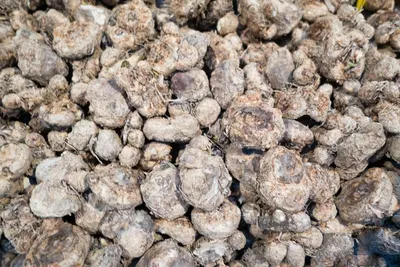
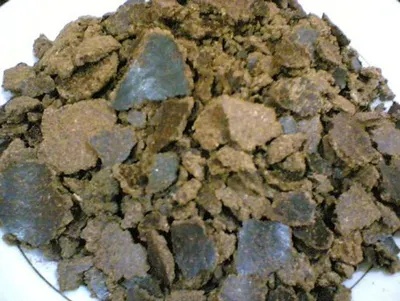
About Turtlebee Impex Private Limited - Copra Supplier in India
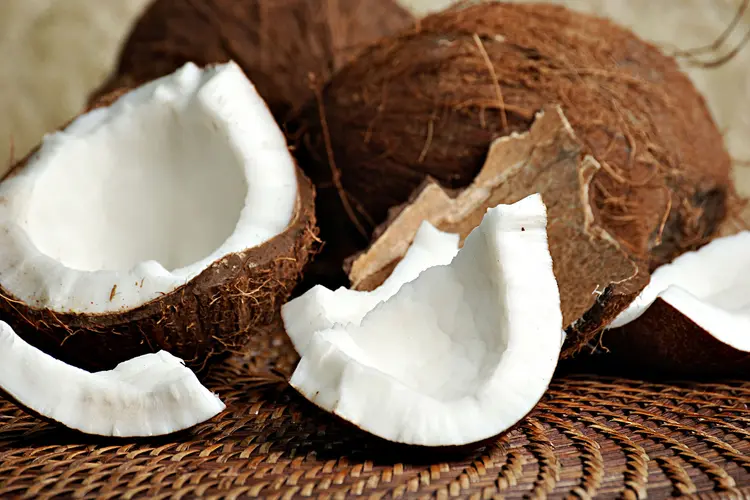
India is the origin country for Turtlebee Impex Private Limited, which currently lists eight active products in its catalogue. The company’s portfolio includes Copra, Semi‑husked Coconut, Fully Husked Coconut, Toilet Paper, Printed Paper Cup, Tender Coconut, and Coconut Sugar. These items fall under HS chapter 08 for coconut kernels, HS chapter 48 for paper and paperboard products. The supplier’s catalogue reflects both food‑grade coconut derivatives and paper‑based consumer goods. Export logistics are typically organized from Indian ports such as Mumbai or Kandla.
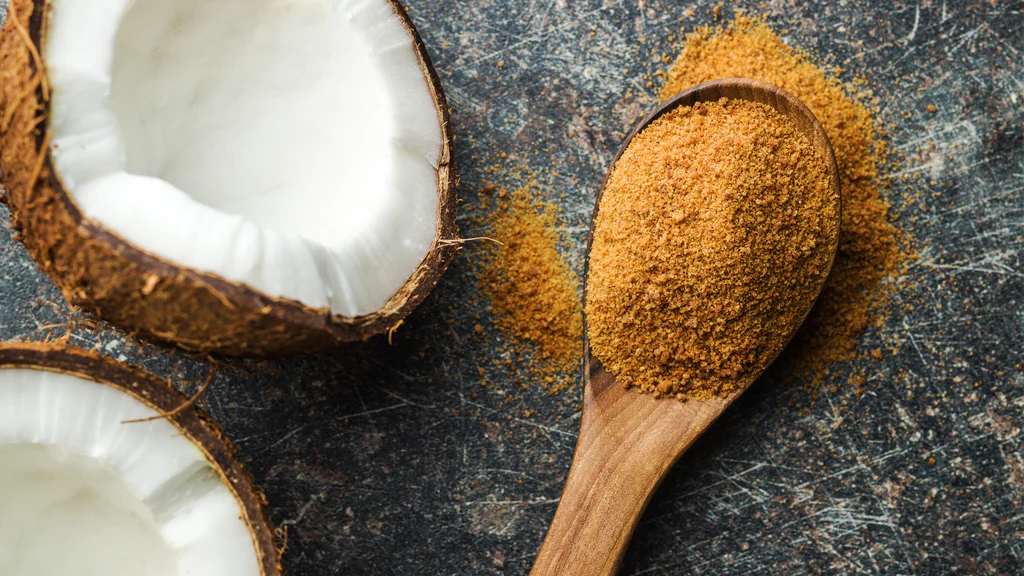
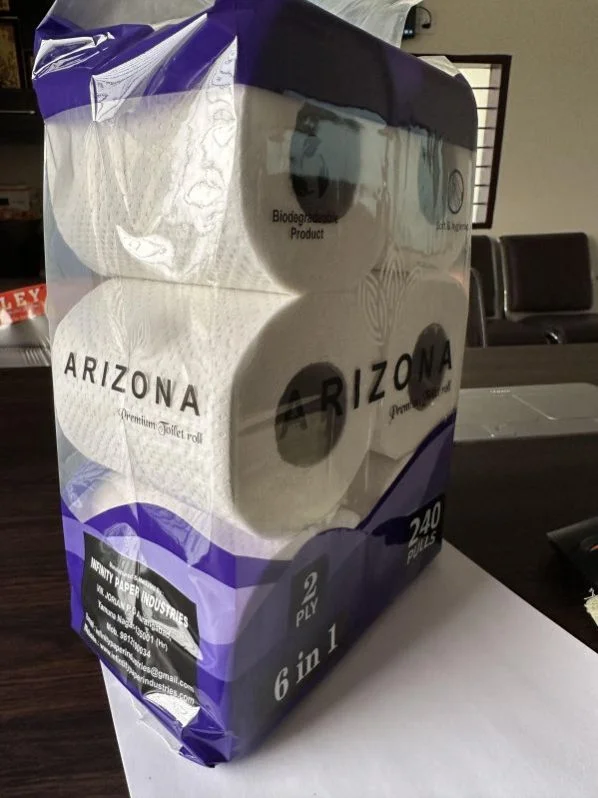
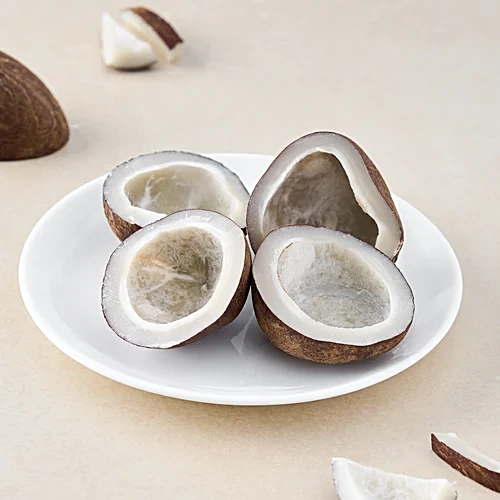
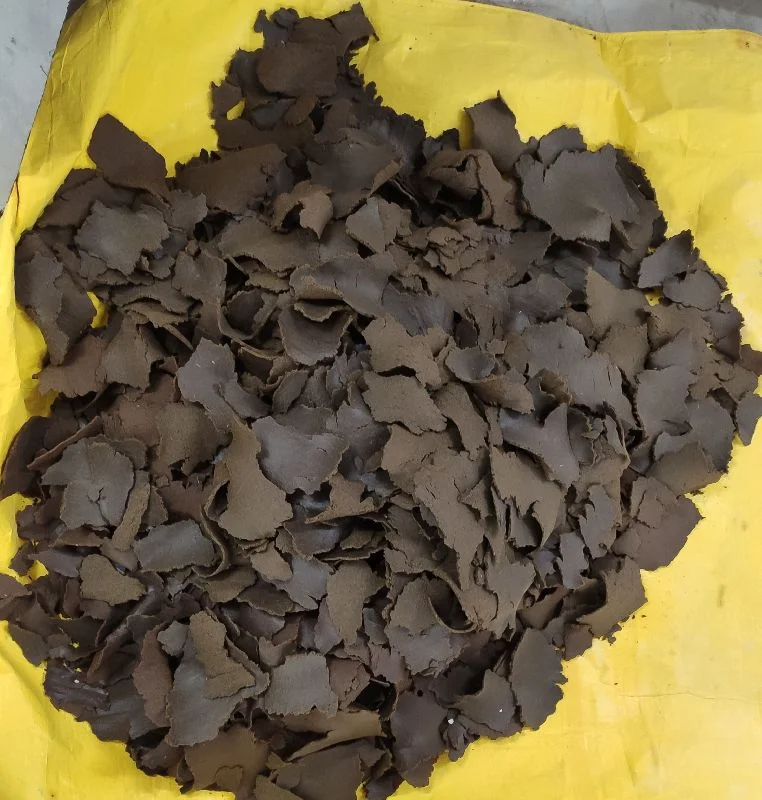
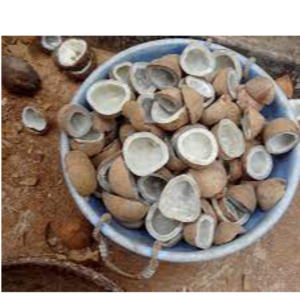
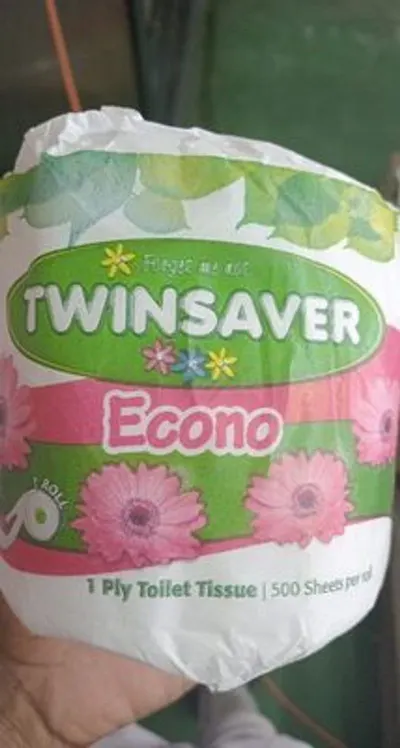
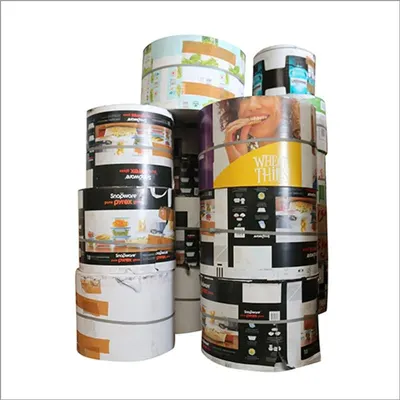
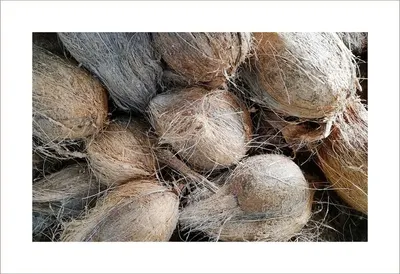
The detailed product list comprises Semi Husked Coconut, Fully Husked Coconut, Dry Copra, Dry Half Copra, Toilet Paper, Printed Paper Cup, Tender Coconut, and Coconut Sugar. Dry Copra is usually processed to a moisture level below 6 % and is used for oil extraction, while Dry Half Copra contains a higher residual moisture of up to 12 %. Semi‑husked coconut retains a portion of the outer husk, whereas Fully Husked Coconut is exported as clean kernels of 1.2 - 1.5 kg each. Toilet paper is supplied in rolls meeting standard dimensions of 30 cm × 30 m, and printed paper cups are offered in 12‑oz and 16‑oz capacities with a polyethylene coating. Tender coconut is shipped as whole fruits with a typical weight of 0.5 - 0.7 kg, and Coconut Sugar is supplied as granulated crystals with a sucrose content of 70 - 80 %.
Product Range and Specialties of Turtlebee Impex Private Limited
In the coconut segment, Indian exporters commonly provide Copra with moisture below 6 % and oil extraction yields of 60 - 65 % for dry copra, while semi‑husked varieties retain 10 - 15 % husk residue. Fully husked kernels are graded by size (A‑grade 1.2 - 1.5 kg, B‑grade 0.9 - 1.2 kg) and are often certified to ISO 22000 for food safety. Tender coconut is evaluated by weight and shell integrity, with a typical shelf life of 3 - 5 days under refrigerated transport.
Paper products from the catalogue follow standards used in the global tissue and disposable sector. Toilet paper is normally produced to a basis weight of 70 - 90 gsm, with a burst strength of 150 - 200 kPa and a ply count of two. Printed paper cups are manufactured from food‑grade paperboard of 250 - 350 gsm, coated with a 12 - 15 µm polyethylene layer to meet FDA food contact regulations. Coconut sugar is dried to a moisture content under 5 % and often carries a color grade of “golden brown” with a sucrose purity of 70 - 80 %.
Frequently Asked Questions About Turtlebee Impex Private Limited
What product categories does Turtlebee Impex list in its catalogue?
The catalogue includes Semi Husked Coconut, Fully Husked Coconut, Dry Copra, Dry Half Copra, Toilet Paper, Printed Paper Cup, Tender Coconut and Coconut Sugar, covering both coconut food products and paper-based consumer items.
How can I obtain a sample of dry copra or coconut sugar?
Request a pre‑shipment sample by specifying the desired quantity (e.g., 5 kg for copra, 2 kg for sugar) and the preferred testing laboratory. The supplier typically ships samples under an FOB or CIF term with a small freight charge.
Which certifications should I ask the supplier to provide for food‑grade coconut products?
Typical certifications for coconut food items include ISO 22000, HACCP or FSSC 22000, and a recent phytosanitary certificate for fresh products. A Certificate of Origin is also standard for customs clearance.
What are the typical HS codes for the coconut and paper products offered?
Dry copra and semi‑husked coconut fall under HS 0804.20‑30, while fully husked coconut kernels are HS 0804.30. Toilet paper is classified as HS 4811.10 and printed paper cups as HS 4823.90.
What is the usual minimum order quantity for toilet paper and printed paper cups?
Buyers generally encounter an MOQ of 5 000 units for printed paper cups and a pallet load of 1 000 m² (approximately 10 rolls) for toilet paper, though exact figures depend on packaging specifications.
IndiaRelated Suppliers & Products
Explore similar suppliers, related products and trending categories