Trishika Enterprisez — Verified Supplier
About Trishika Enterprisez - Rice Supplier in India
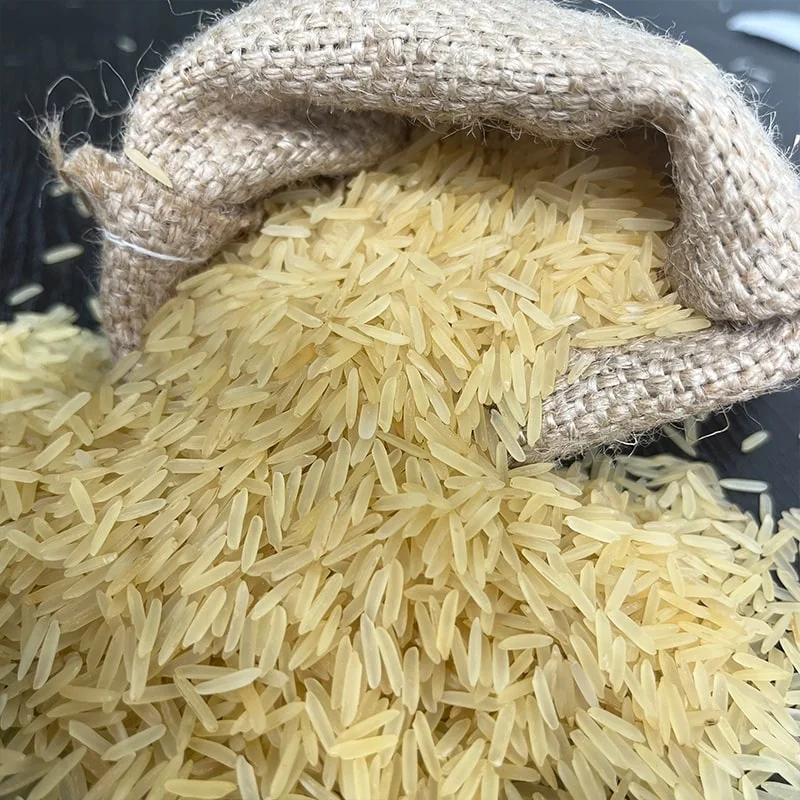
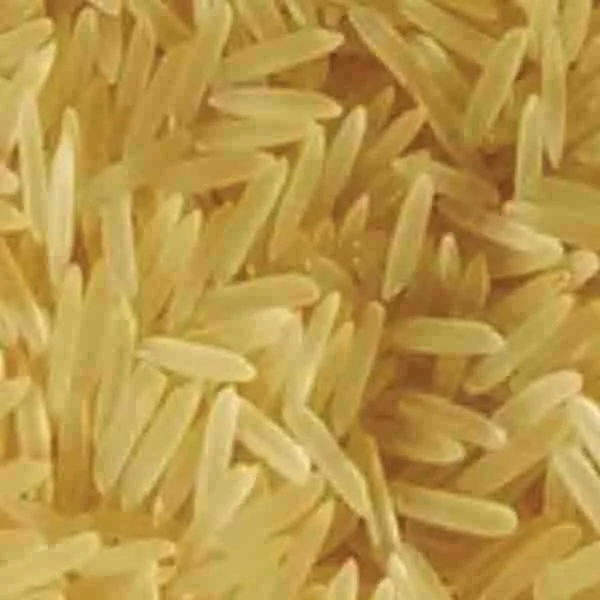
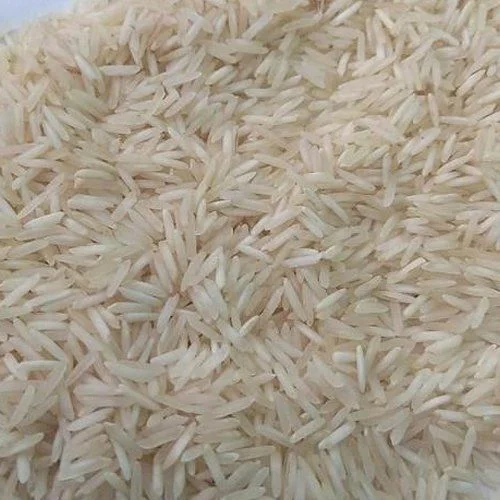
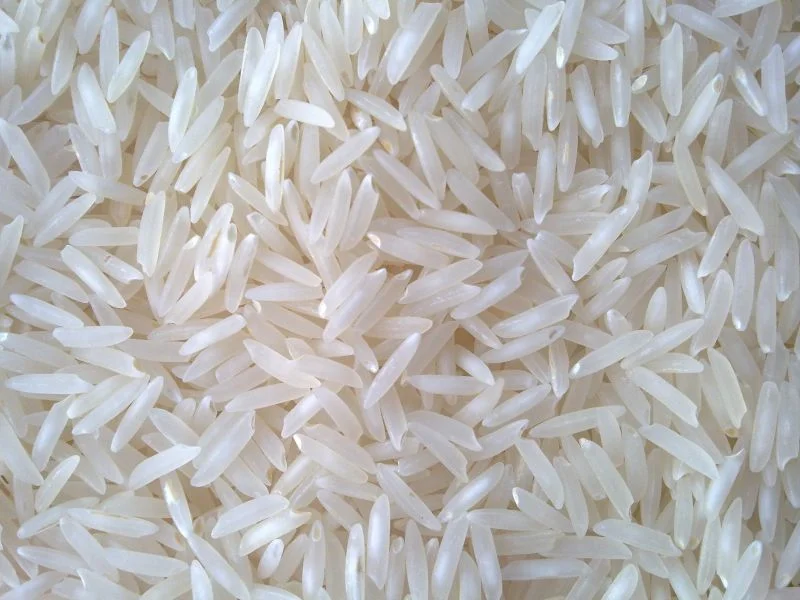
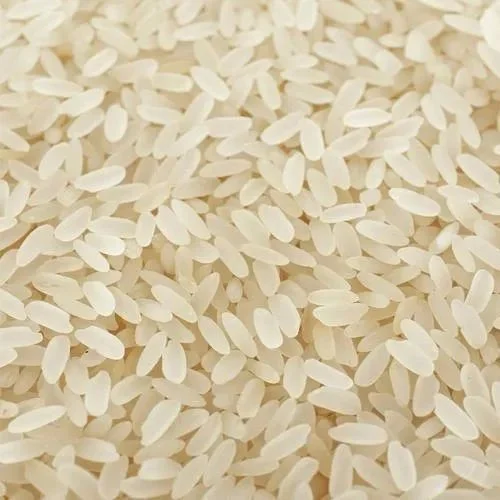
India hosts 16 active rice products listed by Trishika Enterprisez. The catalogue covers several basmati and non‑basmati varieties, including long‑grain basmati (1121), parboiled basmati, Sella basmati (1509), broken rice, and white rice. Products such as “1121 Long Grain Basmati Rice”, “1121 Parboiled Long Grain Basmati Rice” and “1121 Basmati Rice Parboiled” are filed under HS code 1006.30, while “1509 Sella Basmati Rice” uses HS code 1006.20. All items fall within Chapter 1006 for milled and parboiled rice, the standard customs classification for rice products.
The supplier’s list also includes “IR 64 Parboiled Long Grain Rice”, “PR 11 Boiled Rice”, “Indian Swarna White Rice”, “Pusa Parboiled Basmati Rice”, “Sugandha Parboiled Rice”, and several broken‑rice entries that lack a specific HS code in the data but are generally classified under the same chapter. The naming convention follows Indian varietal codes (e.g., 1121, 1509, Pusa) that buyers commonly use to identify grain length, aroma profile, and processing method.
Product Range and Specialties of Trishika Enterprisez
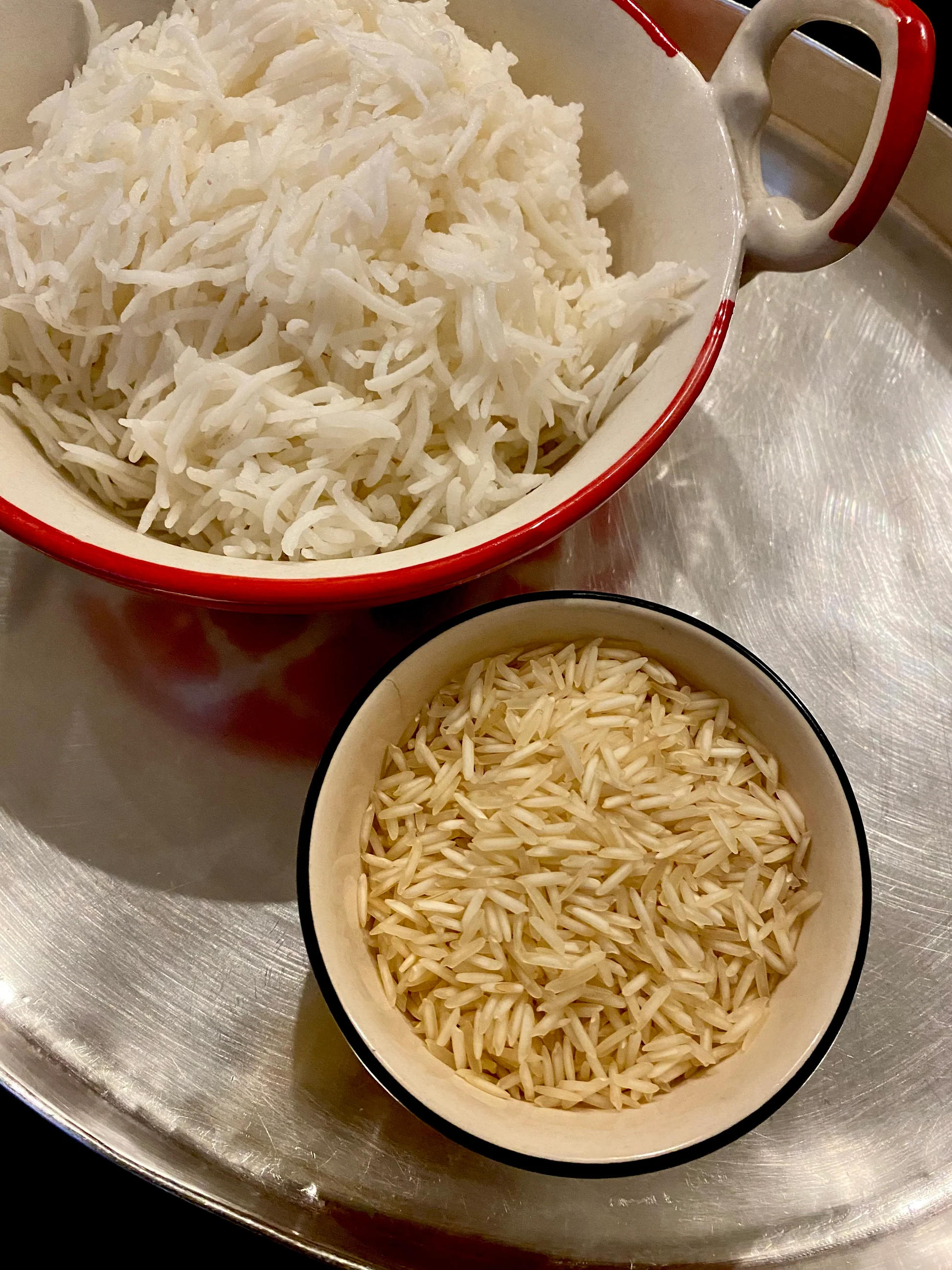
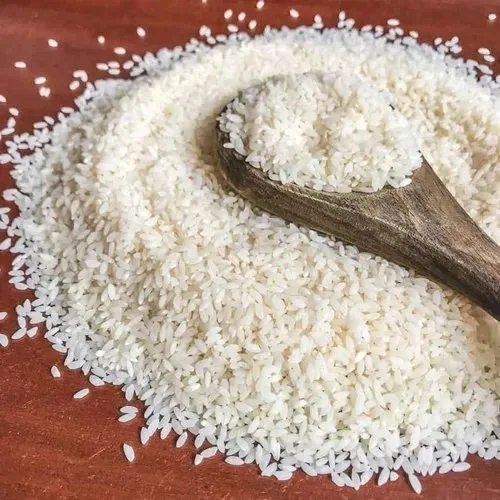
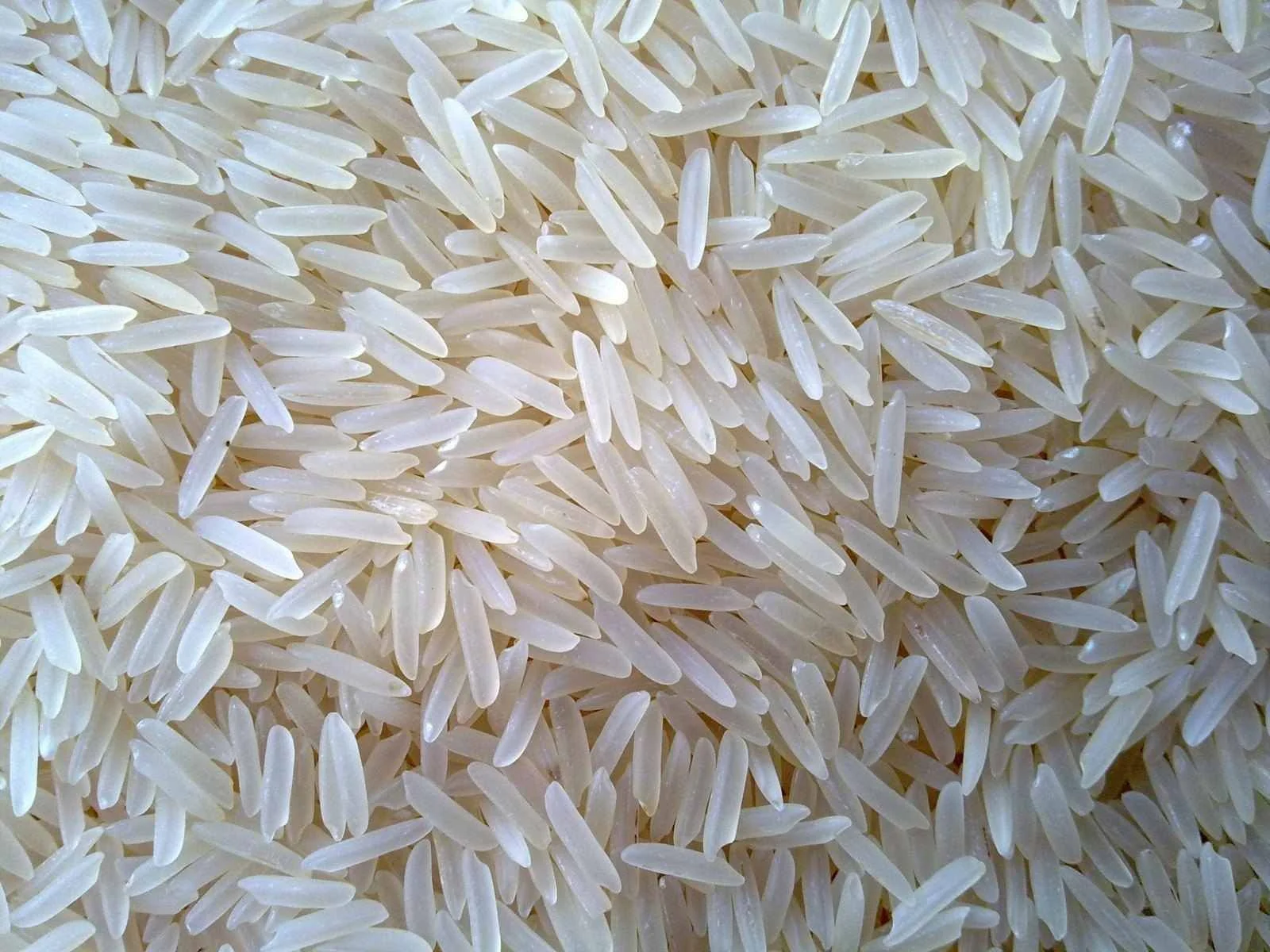
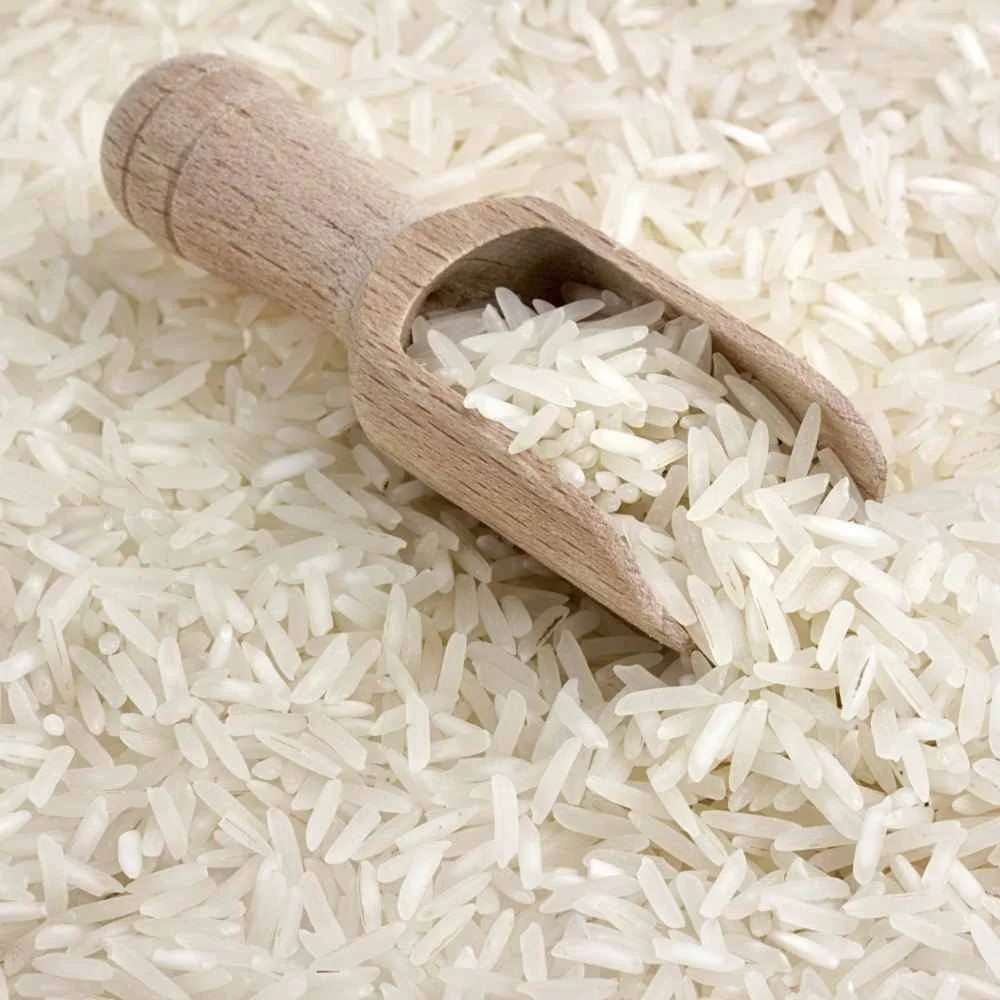
Trishika Enterprisez’s catalogue features 1121 Long Grain Basmati, 1121 Parboiled Long Grain Basmati, 1509 Sella Basmati, Pusa Parboiled Basmati, and steam‑processed basmati varieties, together with broken rice and standard white rice lines. In the Indian rice market, basmati grades such as 1121 and 1509 are distinguished by kernel length (typically 7.5‑9.0 mm for 1121) and aroma intensity measured by 2‑acetyl‑1‑pyrroline levels. Parboiled basmati normally carries a moisture content of 12‑13 % and a broken percentage below 5 %. White rice and broken rice are usually graded by milling recovery (>78 %) and broken grain ratio (often 5 % or less). Industry standards also reference the Indian Standard (IS) specifications for basmati, which set limits for foreign matter, pesticide residues, and aflatoxin levels.
Trade and Export Information - Trishika Enterprisez
India is one of the world’s largest exporters of basmati and parboiled rice, with key destinations in the Middle East (UAE, Saudi Arabia, Qatar), Africa (Nigeria, Kenya), Europe (UK, EU), and North America. HS 1006.30 is the primary code for milled basmati and parboiled basmati, while HS 1006.20 covers parboiled long‑grain rice; both codes trigger standard customs duties and may require a phytosanitary certificate and a certificate of origin. Importers typically request certifications such as ISO 22000, FSSC 22000, HACCP, or the Indian AGMARK mark to demonstrate food‑safety compliance. Rice is commonly packed in 20 kg or 25 kg polypropylene bags, with bulk shipments in 1 MT liners inside 20‑ft or 40‑ft containers. FOB terms from Indian ports (e.g., Mumbai, Chennai) and CIF to the buyer’s port are the usual Incoterms for this commodity.
Sourcing from Trishika Enterprisez - Buyer Guidance
Buyers should request a Certificate of Analysis that details moisture (12‑13 %), broken grain percentage (<5 %), kernel length, aroma rating, and pesticide residue limits before placing an order. A phytosanitary certificate and a certificate of origin are standard documents for Indian rice imports, and many import regulators also ask for a test report confirming compliance with the destination country’s maximum residue limits (MRLs). Requesting a 20 kg sample allows verification of grain uniformity, aroma, and milling quality, while checking that the product’s HS code matches the agreed classification helps avoid customs delays.
Frequently Asked Questions About Trishika Enterprisez
What rice varieties does Trishika Enterprisez list in its catalogue?
The catalogue includes 1121 Long Grain Basmati, 1121 Parboiled Long Grain Basmati, 1509 Sella Basmati, Pusa Parboiled Basmati, steam‑processed basmati, several broken‑rice lines, and standard white rice varieties.
Which HS codes are associated with the listed products?
Products explicitly marked in the data use HS 1006.30 for milled and parboiled basmati rice and HS 1006.20 for the 1509 Sella parboiled rice. Uncoded entries fall under Chapter 1006 for rice.
What typical quality specifications should I verify for basmati rice?
Buyers usually check kernel length (7.5‑9.0 mm for 1121), moisture content (12‑13 %), broken grain ratio (<5 %), aroma rating, and compliance with pesticide‑residue limits.
Are there common certifications required for importing this rice?
Importers typically request ISO 22000, FSSC 22000, HACCP, or the Indian AGMARK certification, along with a phytosanitary certificate and a certificate of origin.
What are the usual packaging formats for these rice products?
Rice is generally packed in 20 kg or 25 kg polypropylene bags, and bulk shipments are placed in 1 MT liners inside 20‑ft or 40‑ft containers.
What minimum order quantity (MOQ) and lead time are typical?
While the supplier’s exact MOQ is not listed, Indian rice exporters often set a MOQ of one 20‑ft container (≈25 MT) with lead times of 15‑30 days after order confirmation.
How can I request a sample before a full order?
Buyers can ask for a 20 kg sample packed in a standard bag; the sample should be accompanied by a test report covering moisture, broken percentage, and pesticide residues.
Which markets commonly import Indian basmati and parboiled rice?
Key import markets include the Gulf Cooperation Council (UAE, Saudi Arabia, Qatar), African countries such as Nigeria and Kenya, European nations, and North‑American buyers.




 , India