Traust Co., Ltd — Supplier
About Traust Co., Ltd - Small Trollies & Related Items Supplier in China
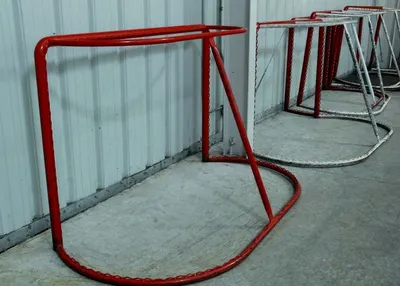
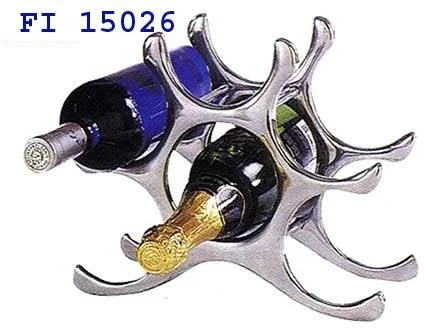
Traust Co., Ltd operates from China and currently lists five active products in its online catalogue. The catalogue includes a Dust bin, a Barrier, a Luggage cart, a Luggage rack and a Wine cart, each falling under the broader categories of Small Trollies & Related Items, Dustbins, and Wine Bottle Racks. The supplier groups these items under the top categories of Small Trollies & Related Items, Dustbin, Wine Bottle Racks and Wine Bottle Holder, reflecting a focus on mobile storage and beverage display solutions. No additional product families or sub‑categories are mentioned beyond the five items listed. All product entries are presented without accompanying HS codes or certification statements in the supplied data.
Product Range and Specialties of Traust Co., Ltd
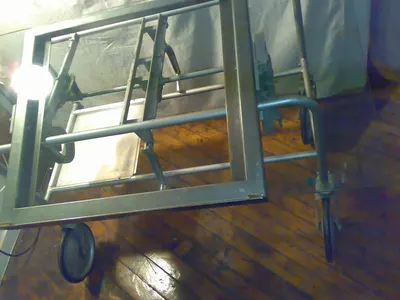
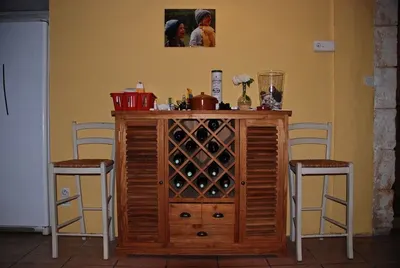
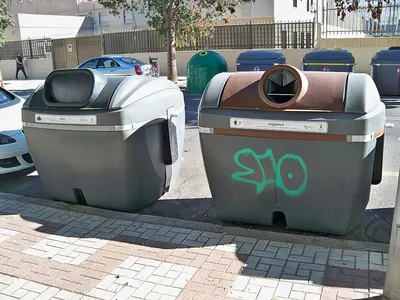
The five listed items cover typical portable storage and transport equipment used in hospitality, retail and travel environments. Dust bins are commonly manufactured from high‑density polyethylene (HDPE) or stainless steel with capacities ranging from 20 L to 100 L, while barriers are often steel frames with polymer‑coated panels designed for crowd control. Luggage carts and racks are usually steel or aluminum structures with load ratings between 150 kg and 300 kg, featuring foldable or telescopic handles for maneuverability. Wine carts and holders are frequently built from powder‑coated steel, supporting 6 to 24 bottles with dimensions around 500 mm × 400 mm × 1500 mm. Industry standards such as ISO 9001 for quality management and CE marking for safety are typical requirements for these product types, although the supplier’s own certifications are not listed.
Trade and Export Information - Traust Co., Ltd
Exporters of portable storage and transport equipment from China typically ship to Europe, North America and the Middle East, where demand is driven by hospitality chains, airports and retail outlets. The relevant HS‑code families include Chapter 39 for plastic containers (e.g., dust bins), Chapter 73 for metal furniture and fittings (e.g., luggage carts, wine racks) and Chapter 83 for other metal articles (e.g., barriers). Buyers often request conformity to the EU REACH regulation for chemical safety and may require test reports for load capacity, corrosion resistance and fire performance. Standard Incoterms such as FOB Shanghai or CIF Rotterdam are frequently used, with container loading optimized for 20‑ft or 40‑ft units depending on product volume and packaging.
Sourcing from Traust Co., Ltd - Buyer Guidance
When sourcing the Dust bin, Barrier, Luggage cart, Luggage rack or Wine cart from Traust Co., Ltd, buyers should ask for material safety data sheets (MSDS) and load‑test certificates that specify maximum weight and durability standards. Requesting a product sample or a third‑party inspection report (e.g., SGS or Bureau Veritas) helps verify compliance with CE marking and any applicable national standards. Verify the dimensions, weight capacity and finish coating (e.g., powder‑coat thickness) against the buyer’s specifications before confirming order quantities. Ensure that the supplier can provide packaging details such as pallet dimensions, shrink‑wrap layers and any moisture‑barrier measures, which are critical for safe sea freight handling.
Frequently Asked Questions About Traust Co., Ltd
What types of materials are used for the Dust bin and Barrier listed by Traust Co., Ltd?
The Dust bin is typically supplied in high‑density polyethylene or stainless steel, while the Barrier is usually a steel frame with polymer‑coated panels, reflecting common material choices for durability and weather resistance.
What load capacity should I expect for the Luggage cart and Luggage rack?
Industry practice for similar steel or aluminum luggage carts and racks is a load rating between 150 kg and 300 kg per unit, but buyers should request the specific load‑test certificate from the supplier.
Are there standard certifications I need to verify for the Wine cart?
Wine carts generally require CE marking for safety and may need to meet EU REACH chemical‑safety requirements; buyers should request the CE declaration and any REACH compliance documents.
Which HS‑code families apply to these five products?
Typical HS codes are Chapter 39 for plastic dust bins, Chapter 73 for metal furniture such as luggage carts and racks, and Chapter 83 for metal barriers, though the supplier’s catalogue does not list exact codes.
What packaging is commonly used for shipping these items from China?
Standard export packaging includes wooden pallets sized 1200 mm × 1000 mm, with shrink‑wrap or stretch film around the pallet, and sometimes additional corner protectors for metal frames.
How can I verify the quality of the powder‑coated finish on the Wine cart?
Buyers should request a finish‑thickness report and, if possible, an independent inspection report that includes visual inspection and adhesion testing of the powder‑coat layer.
What Incoterms are typically used for these products?
Exporters from China commonly use FOB Shanghai or CIF ports such as Shanghai, Ningbo or Shenzhen for these categories, allowing the buyer to choose the most suitable delivery term.
Is there a typical minimum order quantity (MOQ) for these items?
MOQs vary by product; for metal luggage carts and wine racks manufacturers often set MOQs of 100 units, while plastic dust bins may be ordered in batches of 200 units, but the exact figure should be confirmed with the supplier.




 , China