Torninova Group — Supplier
About Torninova Group - Light & Medium Machinery Supplier in Italy
Italy, a major European manufacturing hub, is the base of Torninova Group. The company’s catalogue currently lists ten active products. All items fall under the Light & Medium Machinery segment. The supplier is classified as an imported tier with a harbor trust rating. The catalogue does not provide HS codes, which are typically grouped under Chapter 84 for machinery.
The product list includes Air basic, MAC Bubble, Coreless rewinder rp, Lam machine, Perforating unit, Power Bubble, Polyboll, Twin Bubble, Coex Bubble and MAC Bubble. These items represent various types of air‑flow and bubble‑forming equipment used in paper, film and packaging lines. The naming indicates both basic air generators and specialized bubble machines. Buyers can identify each unit by its descriptive label rather than a numeric HS code in the provided data. The range reflects a focus on auxiliary equipment for converting processes.
Product Range and Specialties of Torninova Group
Torninova Group’s catalogue shows air‑handling units such as Air basic and Power Bubble, alongside bubble‑forming lines like MAC Bubble, Twin Bubble and Coex Bubble. In the light‑ and medium‑machinery market, air generators are commonly rated between 0.5 kW and 5 kW and feature flow rates from 10 m³/h to 200 m³/h. Bubble machines typically allow adjustable bubble diameters from 5 mm to 30 mm and operate at pressures up to 0.8 MPa. Industry buyers often require CE conformity and compliance with IEC 60204‑1 for electrical safety, as well as ISO 9001 quality‑management certification from the supplier. Additional specifications such as noise level below 85 dB(A) and energy‑efficiency class A are frequently requested for equipment in this segment.
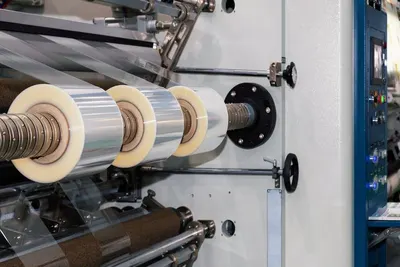
The catalogue also lists a Coreless rewinder rp, Lam machine, Perforating unit and Polyboll, which are auxiliary devices for web handling, laminating and perforation in converting factories. Coreless rewinders are typically designed for web speeds up to 150 m/min and tension control within ±5 % of set point. Laminating machines in this class often support adhesive layers from 10 µm to 150 µm and operate under temperature ranges of 30 °C to 200 °C. Perforating units usually provide perforation densities from 30 to 200 per m² and are built to EN 14712 standards for safety. Buyers of such machinery frequently request test reports, performance curves and compliance certificates before finalizing orders.
Trade and Export Information - Torninova Group
Italy is a well‑established exporter of light and medium industrial machinery, with HS Chapter 84 covering most of the equipment listed by Torninova Group. European Union members, the Middle East, North Africa and parts of Southeast Asia are the primary import markets for such converting machinery. Export shipments are commonly packed on standard 20‑ft or 40‑ft containers, with units secured on wooden pallets and protected by shrink‑wrap. Buyers usually request CE mark documentation, a Declaration of Conformity and, where applicable, test reports complying with ISO 9001 or ISO 14001 environmental standards. Incoterms such as FCA (Free Carrier) in Italian ports like Genoa or FOB are typical for machinery exports to allow the buyer to arrange freight and insurance.
Italian machinery manufacturers often work with freight forwarders experienced in handling oversized or heavy equipment, using road transport to the port followed by sea freight. Customs classification under HS 84.71 (machinery for working of paper, cardboard or similar) may trigger anti‑dumping duties in certain jurisdictions, so buyers should verify tariff rates in advance. Pre‑shipment inspections by third‑party agencies (e.g., SGS, Bureau Veritas) are common to validate CE compliance and functional performance. Documentation typically includes a commercial invoice, packing list, certificate of origin and any required phytosanitary or safety certificates for the destination country.
Sourcing from Torninova Group - Buyer Guidance
When sourcing from Torninova Group, buyers should request detailed specification sheets for each machine, including power consumption, airflow capacity and dimensional drawings. Verification of CE marking and a signed Declaration of Conformity is essential to confirm adherence to EU safety directives. Sample unit testing or factory visits are advisable for complex equipment such as Coreless rewinder rp or Lam machine to assess build quality and control systems. Buyers should also ask for recent performance test reports, noise level measurements and energy‑efficiency certifications to compare against industry benchmarks. Clarifying the packaging method, pallet dimensions and weight will help plan container loading and freight costs.
Lead times for light‑machinery in Italy typically range from 4 to 8 weeks after order confirmation, depending on configuration and optional accessories. Minimum order quantities are generally defined per machine model; for standard air units the MOQ may be one unit, while custom‑engineered lines may require a larger batch. Payment terms often involve a letter of credit issued at sight or a 30‑day post‑shipment documentary credit, aligned with the chosen Incoterm. Ensuring that the supplier can provide after‑sales technical support and spare‑part availability for at least five years is a common risk mitigation step.
Frequently Asked Questions About Torninova Group
What categories of machinery does Torninova Group offer?
Torninova Group lists ten products in the Light & Medium Machinery segment, including air generators (Air basic, Power Bubble), bubble‑forming lines (MAC Bubble, Twin Bubble, Coex Bubble), a Coreless rewinder rp, a Lam machine, a Perforating unit and a Polyboll. Each product is identified by its functional name rather than a numeric code.
Are the machines CE certified?
The catalogue does not specify certifications, so buyers should request the CE mark documentation and a Declaration of Conformity for each unit before purchase. Confirmation of CE compliance is required for entry into most European and many international markets.
Which HS code is applicable to these products?
Machinery of this type is generally classified under HS Chapter 84, for example HS 84.71 for paper‑working machines. The exact sub‑heading depends on the specific equipment and its primary function.
What typical specifications should I verify for bubble machines?
Check the adjustable bubble diameter range (5‑30 mm), operating pressure (up to 0.8 MPa), power rating (0.5‑5 kW) and noise level (usually below 85 dB(A)). Compliance with IEC 60204‑1 electrical safety and any relevant CE markings is also standard.
How are the machines shipped from Italy?
Export shipments are usually loaded in 20‑ft or 40‑ft containers, secured on wooden pallets and wrapped with shrink‑film. Common Incoterms are FCA Genoa or FOB, allowing the buyer to arrange main carriage and insurance.
What documentation is typically required for customs clearance?
A commercial invoice, packing list, certificate of origin, CE Declaration of Conformity and any applicable third‑party test reports are standard. Additional certificates may be needed depending on the destination country's regulations.
What is the typical lead time and MOQ for a standard air unit?
Lead times range from four to eight weeks after order confirmation for standard air units. The minimum order quantity is often a single unit, while custom‑engineered lines may require larger batches.




 , Italy