TiplOx, Sp Z.O.o — Verified Supplier

About TiplOx, Sp Z.O.o - Timber, Coal and Dried Fruit Supplier in Poland

TiplOx, Sp Z.O.o is a Poland-based trading house listing 16 active products across three clearly distinct commodity groups: sawn and engineered timber, solid fuel inputs (coke and coal), and dried fruits and nuts. The catalogue is built around 8 sawn-wood items including pine and spruce edged boards, a pine furniture-grade glued board, planed boards, birch edged boards, and thermomodified (thermal) timber; 3 fuel products covering two petroleum coke grades and a coal line; and 5 dried-fruit items (black and golden raisins, dried prunes, dried apricots, rose hip, and compote), plus apricot kernels under HS 1212.99 and a fish meal line. The breadth of the catalogue, spanning softwood lumber, fossil carbon solids and agro-food lines, signals a multi-commodity export operation rather than a single-category producer. Poland sits at the centre of the central European softwood processing belt, which gives the timber side of the catalogue direct access to the Baltic and Nordic sawmilling supply chain, while the coal and coke items align with Poland's role as one of Europe's larger hard-coal producers and a regional trader of petroleum coke for cement, lime and power-industry buyers.

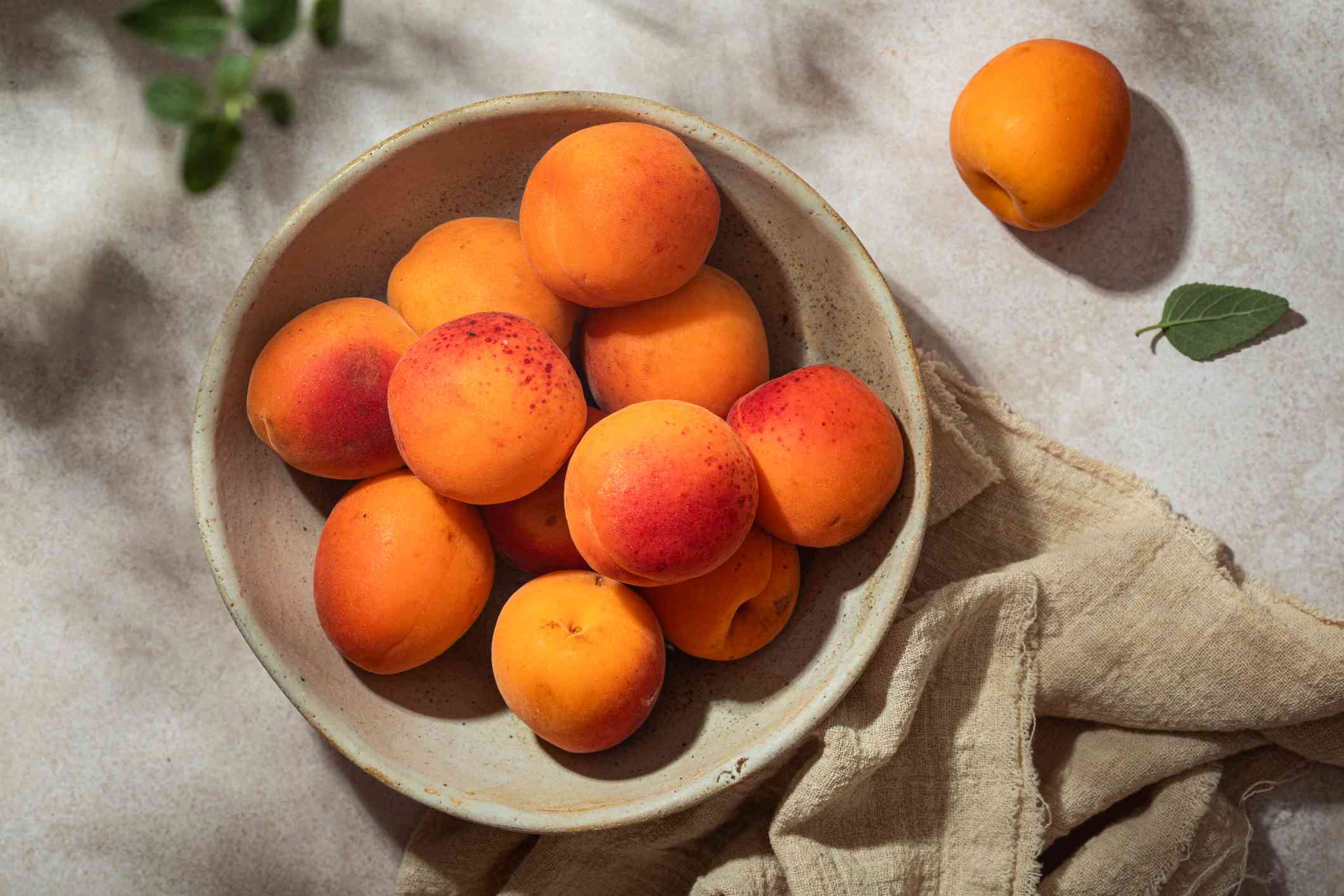
The dried-fruit side of the catalogue covers both conventional table-grade lines (raisins, prunes, apricots) and a kernel line (whole apricot kernels, Prunus armeniaca, HS 1212.99), which is a sub-category of HS 1212 - other oilseeds and oleaginous fruits not elsewhere specified - rather than the heading used for edible dried fruit (08). Buyers should treat the catalogue as a multi-line trading programme rather than a vertically integrated mill: the timber items point to central and eastern European sawmill supply, the fuel items to Polish and regional coal/coke distribution, and the dried-fruit lines to typical Mediterranean, Turkish and South African sourcing that Polish re-exporters commonly handle. The presence of a fish meal item, alongside dried fruits and solid fuels, underlines the diversified nature of the trading programme.

Product Range and Specialties of TiplOx, Sp Z.O.o

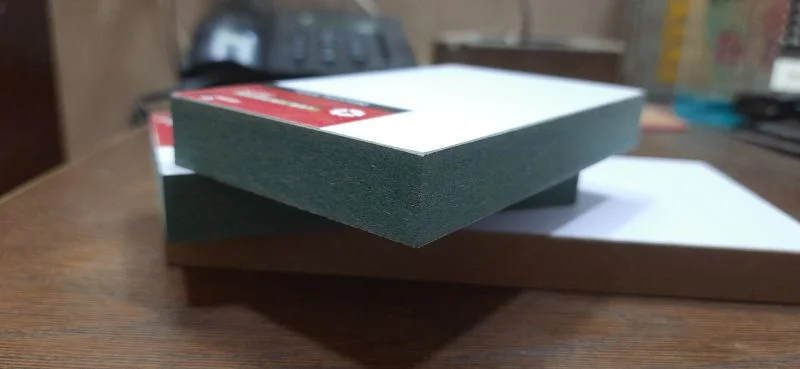
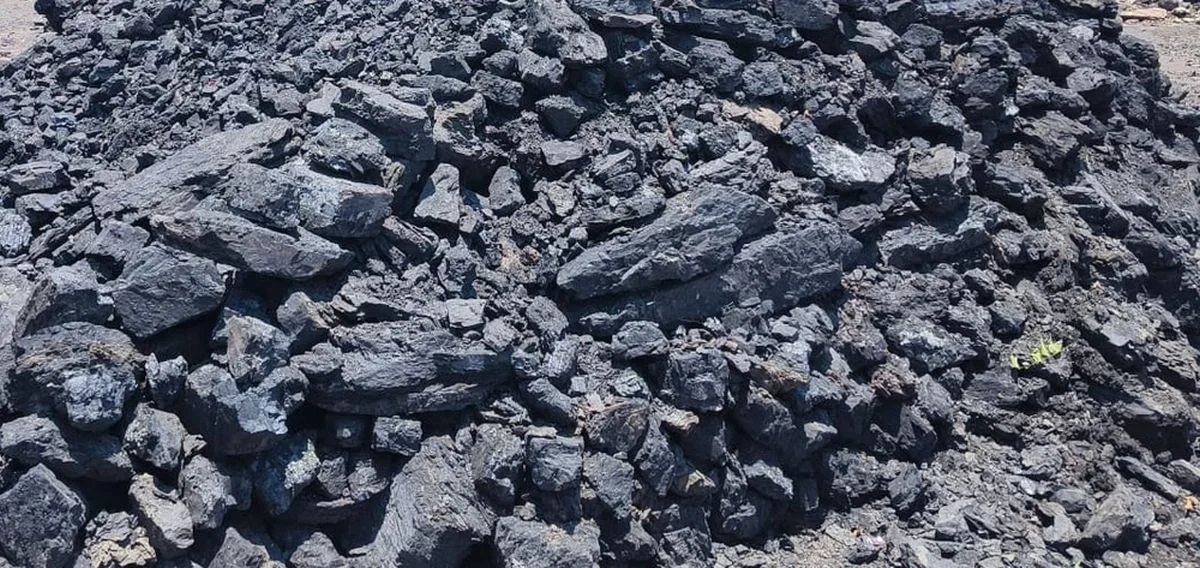
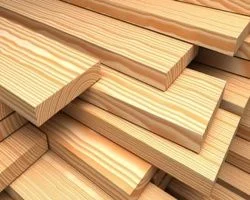
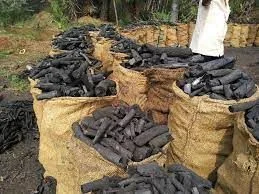
The timber half of the catalogue is dominated by coniferous sawn boards: edged boards in pine (Pinus sylvestris), spruce (Picea abies) and birch (Betula), plus planed boards and a glued pine board aimed at furniture and interior joinery. Buyers of central European softwood typically specify nominal thicknesses of 19, 22, 25, 32, 38, 47 and 50 mm, widths of 75-225 mm, and length sorts of 1.8-6.0 m, with grades following the European standard EN 975-1 for hardwood and the Nordic softwood grade rules (commonly referred to as U/S, S/F, or the German Güte classes A/B/C/D for pine and spruce). Thermomodified timber (the "thermal wood" line) is typically produced at process temperatures of 180-215 °C and is sold on improved dimensional stability and biological durability (class 1-3 against basidiomycetes per EN 350), without chemical preservatives. Glued pine furniture board is normally edge-glued from finger-jointed or full-length lamellas in widths of 18-42 mm and lengths to 2500 mm, with moisture content at shipment of 8-12 %. The solid-fuel side lists two petroleum coke grades and a thermal coal line. Petroleum coke (petcoke) is traded either as fuel-grade (high-sulphur, anode-grade calcined) or as a carbon blendstock; buyers in cement, lime kiln, paper-mill and utility boilers typically request sulphur content (S, % wt), volatile matter, ash, moisture, gross calorific value (kcal/kg or MJ/kg), Hardgrove Grindability Index, and vanadium/nickel where combustion metallurgy is a concern. Coal from Poland is predominantly a high-grade bituminous / semi-anthracite product (types 31-34 in the Polish classification, calorific value commonly 23-30 MJ/kg, sulphur 0.4-1.6 %, ash 4-12 %), used for heating, CHP and industrial combustion. The dried-fruit lines cover black and golden raisins (typically graded by count per 100 g, moisture 15-17 %, sugar ≥ 70 %), dried prunes (size 30/40 to 80/100, moisture ≤ 23 %), dried apricots (size 1-8, moisture ≤ 22 %, SO₂ ≤ 2000 ppm for the unsulphured class), rose hip (whole or cut, dried to moisture ≤ 12 %), and compote (a multi-fruit preserved mix). Whole apricot kernels (HS 1212.99) are sold as a bitter-kernel ingredient for the marzipan substitute and oil-crushing industries, with typical parameters of moisture 4-6 %, oil content 40-52 %, and amygdalin/HCN specifications that buyers must confirm against the destination market's food or feed rules.

Trade and Export Information - TiplOx, Sp Z.O.o

Polish timber exports, particularly pine and spruce sawn boards, are a mainstay of central European forest-product trade, with Germany, the United Kingdom, the Netherlands, Denmark, France, Italy, and Middle Eastern markets (Egypt, Saudi Arabia, the UAE) as the largest traditional destinations. Sawn softwood typically ships under HS chapter 44, with coniferous sawn timber under 4407.11 (pine) and 4407.12 (spruce), planed boards under 4409, and thermowood under 4407 or 4409 depending on whether the boards are merely heat-treated or additionally profiled. Buyers in these markets generally request PEFC or FSC chain-of-custody certification for legal and sustainable sourcing, EN 350/EN 335 use-class ratings, kiln-drying certificates (target moisture 8-12 %), phytosanitary conformity (ISPM-15 for any packaging wood), and CE/DoP marking for structural applications. For thermowood, the Nordic Thermowood Association and the German Qualitätsgemeinschaft Holzwerkstoffe provide the de facto quality frameworks. Petroleum coke and coal trade from Poland typically flows to cement and lime producers, power and CHP utilities, and metallurgical processors inside the EU (Germany, Czechia, Slovakia, Austria, Italy, the Baltic states) and to North African and Turkish buyers. Petroleum coke falls under HS 2713.12 (calcined) or 2713.11 (not calcined), and coal under 2701 (anthracite), 2702 (bituminous), or 2704 (coke and semi-coke). Buyers in these flows normally require a certificate of analysis (sulphur, ash, volatile matter, calorific value, moisture, HGI, and trace metals), REACH compliance or SDS for transport (ADR/RID), weight-by-draft survey at loading, and origin documentation for any customs preference. Dried fruits and apricot kernels from Polish re-exporters typically reach EU food manufacturers, confectionery processors, bakery suppliers, and oil-crushers; the relevant HS headings are 0806 (raisins), 0807 (dried apricots and prunes), 0808 (compote-style preserved fruit under 2008 if processed), and 1212.99 for apricot kernels. EU buyers of these lines require compliance with Regulation (EC) 1881/2006 on contaminants (ochratoxin A limits of 5 µg/kg for dried vine fruit, 2 µg/kg for dried apricots, prunes and figs), Regulation (EC) 396/2005 on pesticide MRLs, food-safety certification (BRCGS, IFS Food, or FSSC 22000), and often halal or kosher attestation for confectionery end-uses. Shipment is typically in 20 ft or 40 ft dry containers, with dried fruit packed in 5-25 kg polybag-in-carton units and kernels in 25 kg kraft bags on pallets.

Sourcing from TiplOx, Sp Z.O.o - Buyer Guidance

Before opening a negotiation with TiplOx, Sp Z.O.o, a buyer should request the catalogue item's full specification sheet rather than relying on the product name alone: for timber, ask for the species, nominal/actual dimensions, grade (per EN 975-1 or the relevant Nordic/Güte class), moisture content at shipment, and any PEFC/FSC chain-of-custody claim; for petcoke and coal, ask for a current certificate of analysis covering sulphur, ash, volatile matter, gross calorific value, moisture, HGI, and trace metals, plus the HS subheading and the REACH/SDS status; for dried fruits, ask for grade, count per 100 g, moisture, sugar, SO₂ (if sulphured), ochratoxin A and pesticide MRL results, and the food-safety management standard held by the supplying plant. For apricot kernels (HS 1212.99), confirm amygdalin/HCN specification, oil content, moisture, microbiology, and whether the product is destined for food, feed, or cosmetics, since regulatory limits differ sharply between those uses. Practical pre-shipment checks that apply across all three lines include: a recent third-party pre-shipment inspection (SGS, Bureau Veritas, or equivalent) covering weight/quality, container condition (clean, dry, odour-free, ISPM-15 compliant for timber packing), and product sampling; a proforma invoice with the exact HS subheading, country of origin, Incoterm (FOB, CIF, DAP are typical), and payment terms; and a written confirmation of lead time per 20 ft or 40 ft container load. Because the catalogue mixes very different risk profiles (timber cargoes are sensitive to moisture and ISPM-15, petcoke/coal require accurate calorific and sulphur data for downstream emissions, and dried fruit is a regulated food), a buyer should treat the supplier's response time, document quality, and willingness to provide mill, mine or packer certificates as the main commercial signals before placing a recurring order.

Frequently Asked Questions About TiplOx, Sp Z.O.o

What product categories does TiplOx, Sp Z.O.o list?

The catalogue spans three groups: sawn and engineered timber (pine, spruce and birch edged boards, planed boards, a glued pine furniture board, and thermomodified timber), solid fuels (two petroleum coke grades and a coal line), and dried fruits and nuts (black and golden raisins, dried prunes, dried apricots, rose hip, compote, and whole apricot kernels under HS 1212.99), plus a fish meal line.

Which HS codes apply to the items TiplOx, Sp Z.O.o lists?

Coniferous sawn timber typically falls under 4407.11 (pine) and 4407.12 (spruce), planed wood under 4409, coal under 2701-2702, petroleum coke under 2713.11 (not calcined) or 2713.12 (calcined), dried vine fruit (raisins) under 0806, dried apricots and prunes under 0807, and whole apricot kernels under 1212.99. Buyers should always confirm the exact subheading on the proforma invoice before shipment.

Which documents and certifications should a buyer request from TiplOx, Sp Z.O.o?

For timber, request the species, grade, moisture content, PEFC/FSC chain-of-custody certificate, kiln-drying certificate, and ISPM-15 compliance for any wooden packaging. For coal and petcoke, request a certificate of analysis (sulphur, ash, volatile matter, gross calorific value, moisture, HGI), an SDS, and a weight survey. For dried fruit and apricot kernels, request a Certificate of Analysis covering moisture, sugar, SO₂, ochratoxin A, pesticide MRLs, and a food-safety management standard such as BRCGS, IFS Food, or FSSC 22000.

What are the typical quality parameters for the timber lines?

Central European pine and spruce sawn boards are usually traded in nominal thicknesses of 19-50 mm, widths of 75-225 mm, and lengths of 1.8-6.0 m, at moisture content of 8-12 %. Grades follow EN 975-1 for hardwood and the Nordic softwood grade rules or German Güte classes A-D. Thermomodified timber is heat-treated at 180-215 °C and is rated for EN 350 use classes 1-3.

What are the typical specifications for the coal and petcoke lines?

Polish coal is generally a bituminous to semi-anthracite product with gross calorific value of 23-30 MJ/kg, sulphur 0.4-1.6 %, ash 4-12 %, and moisture 6-12 %. Petroleum coke is sold on sulphur (often 0.5-7 % S depending on grade), volatile matter, ash, moisture, gross calorific value, Hardgrove Grindability Index, and vanadium/nickel where combustion metallurgy matters. A current lot-specific certificate of analysis should always be requested.

What are the typical specifications for the dried fruit and apricot kernel lines?

Raisins are usually traded at moisture 15-17 %, sugar ≥ 70 %, and graded by count per 100 g. Dried prunes run at moisture ≤ 23 % in sizes 30/40 to 80/100. Dried apricots are graded size 1-8, moisture ≤ 22 %, with SO₂ ≤ 2000 ppm for the unsulphured class. Whole apricot kernels (HS 1212.99) typically show moisture 4-6 %, oil 40-52 %, and must be checked for amygdalin/HCN against the destination market's food or feed regulation.

What is the typical packaging and container load for these products?

Timber is shipped as loose sawn boards in bundles or on pallets in 20 ft or 40 ft flat-rack or standard containers. Coal and petcoke are usually loaded in bulk in 20 ft containers or as break-bulk. Dried fruit is packed in 5-25 kg polybag-in-carton units on pallets, typically in 20 ft FCL (around 10-18 t depending on product), and apricot kernels are commonly packed in 25 kg kraft bags on pallets.

How should a buyer approach sampling and lead time with TiplOx, Sp Z.O.o?

Request a representative pre-shipment sample of 1-5 kg per catalogue item (a small timber parcel for grade and moisture check, a sealed dried-fruit lot sample for laboratory analysis, and a coal/petcoke lot sample for calorific and sulphur verification) and confirm the lead time per 20 ft or 40 ft container load in writing. A documented sample approval, third-party pre-shipment inspection (SGS or Bureau Veritas), and agreed Incoterm on the proforma invoice are the standard safeguards before any recurring order.


Featured Products from this Supplier

Other Suppliers in Primary Category

Top Trusted Suppliers

Related Products

Trending in Parent Category

More Suppliers in Category

Related Products

Other Suppliers

EximNext
58.4K+ live requirements
Register Free🎁 5 free buy-lead credits
Post Requirement
🌍 Trusted by 224.4K+ businesses in 200+ countries|
58.4K+ active requirements right now
✉️ [email protected]
|
Sell on EximNextPost Requirement
EximNext
AgricultureApparelConstructionElectronicFoodHomeIndustrialMineralsMiscellaneous
🔥 Deals|✨ AI Match|🏭 Suppliers|📋 Buy Leads|💰 Trade Finance|⭐ Upgrade
58.4K+ live RFQs·194.4K+ suppliers
🎁 5 free credits →
EximNext
EximNext
Register Free
🎁 5 free buy-lead credits
Sign In
📋Post Requirement💬Get QuotesAI Match📋RFQ Marketplace
All Categories
Services & Tools
🏭Supplier Directory🔥Today's Deals💰Trade FinanceMembership
Sell on EximNext
AboutContactBlogHelp
🏭

TiplOx, Sp Z.O.o

Harbor
Country flag , Poland
🛡️
77/100
Trust Score

TiplOx, Sp Z.O.o Product Catalog

Showing 12 of 16 products
View all products →
Fish meal
Harbor
Fish meal
Contact
MOQ: 1 Unit
Petcoke Brand A
Harbor
Petcoke Brand A
Contact
MOQ: 1 Unit
Petcoke Brand B
Harbor
Petcoke Brand B
Contact
MOQ: 1 Unit
Glued Timber, Pine Furniture Board
Harbor
Glued Timber, Pine Furniture Board
Contact
MOQ: 1 Unit
Planed Board
Harbor
Planed Board
Contact
MOQ: 1 Unit
Edged Board Made Of Spruce
Harbor
Edged Board Made Of Spruce
Contact
MOQ: 1 Unit
Edged Board Made Of Pine
Harbor
Edged Board Made Of Pine
Contact
MOQ: 1 Unit
Thermal Wood, Thermomodified Board
Harbor
Thermal Wood, Thermomodified Board
Contact
MOQ: 1 Unit
Edged Board Made Of Birch
Harbor
Edged Board Made Of Birch
Contact
MOQ: 1 Unit
Coal
Harbor
Coal
Contact
MOQ: 1 Unit
Dried Prune
Harbor
Dried Prune
Contact
MOQ: 1 Unit
Apricots seeds
Harbor
Apricots seeds
Contact
MOQ: 1 Unit

About TiplOx, Sp Z.O.o - Timber, Coal and Dried Fruit Supplier in Poland

TiplOx, Sp Z.O.o is a Poland-based trading house listing 16 active products across three clearly distinct commodity groups: sawn and engineered timber, solid fuel inputs (coke and coal), and dried fruits and nuts. The catalogue is built around 8 sawn-wood items including pine and spruce edged boards, a pine furniture-grade glued board, planed boards, birch edged boards, and thermomodified (thermal) timber; 3 fuel products covering two petroleum coke grades and a coal line; and 5 dried-fruit items (black and golden raisins, dried prunes, dried apricots, rose hip, and compote), plus apricot kernels under HS 1212.99 and a fish meal line. The breadth of the catalogue, spanning softwood lumber, fossil carbon solids and agro-food lines, signals a multi-commodity export operation rather than a single-category producer. Poland sits at the centre of the central European softwood processing belt, which gives the timber side of the catalogue direct access to the Baltic and Nordic sawmilling supply chain, while the coal and coke items align with Poland's role as one of Europe's larger hard-coal producers and a regional trader of petroleum coke for cement, lime and power-industry buyers.

The dried-fruit side of the catalogue covers both conventional table-grade lines (raisins, prunes, apricots) and a kernel line (whole apricot kernels, Prunus armeniaca, HS 1212.99), which is a sub-category of HS 1212 - other oilseeds and oleaginous fruits not elsewhere specified - rather than the heading used for edible dried fruit (08). Buyers should treat the catalogue as a multi-line trading programme rather than a vertically integrated mill: the timber items point to central and eastern European sawmill supply, the fuel items to Polish and regional coal/coke distribution, and the dried-fruit lines to typical Mediterranean, Turkish and South African sourcing that Polish re-exporters commonly handle. The presence of a fish meal item, alongside dried fruits and solid fuels, underlines the diversified nature of the trading programme.

Product Range and Specialties of TiplOx, Sp Z.O.o

The timber half of the catalogue is dominated by coniferous sawn boards: edged boards in pine (Pinus sylvestris), spruce (Picea abies) and birch (Betula), plus planed boards and a glued pine board aimed at furniture and interior joinery. Buyers of central European softwood typically specify nominal thicknesses of 19, 22, 25, 32, 38, 47 and 50 mm, widths of 75-225 mm, and length sorts of 1.8-6.0 m, with grades following the European standard EN 975-1 for hardwood and the Nordic softwood grade rules (commonly referred to as U/S, S/F, or the German Güte classes A/B/C/D for pine and spruce). Thermomodified timber (the "thermal wood" line) is typically produced at process temperatures of 180-215 °C and is sold on improved dimensional stability and biological durability (class 1-3 against basidiomycetes per EN 350), without chemical preservatives. Glued pine furniture board is normally edge-glued from finger-jointed or full-length lamellas in widths of 18-42 mm and lengths to 2500 mm, with moisture content at shipment of 8-12 %. The solid-fuel side lists two petroleum coke grades and a thermal coal line. Petroleum coke (petcoke) is traded either as fuel-grade (high-sulphur, anode-grade calcined) or as a carbon blendstock; buyers in cement, lime kiln, paper-mill and utility boilers typically request sulphur content (S, % wt), volatile matter, ash, moisture, gross calorific value (kcal/kg or MJ/kg), Hardgrove Grindability Index, and vanadium/nickel where combustion metallurgy is a concern. Coal from Poland is predominantly a high-grade bituminous / semi-anthracite product (types 31-34 in the Polish classification, calorific value commonly 23-30 MJ/kg, sulphur 0.4-1.6 %, ash 4-12 %), used for heating, CHP and industrial combustion. The dried-fruit lines cover black and golden raisins (typically graded by count per 100 g, moisture 15-17 %, sugar ≥ 70 %), dried prunes (size 30/40 to 80/100, moisture ≤ 23 %), dried apricots (size 1-8, moisture ≤ 22 %, SO₂ ≤ 2000 ppm for the unsulphured class), rose hip (whole or cut, dried to moisture ≤ 12 %), and compote (a multi-fruit preserved mix). Whole apricot kernels (HS 1212.99) are sold as a bitter-kernel ingredient for the marzipan substitute and oil-crushing industries, with typical parameters of moisture 4-6 %, oil content 40-52 %, and amygdalin/HCN specifications that buyers must confirm against the destination market's food or feed rules.

Trade and Export Information - TiplOx, Sp Z.O.o

Polish timber exports, particularly pine and spruce sawn boards, are a mainstay of central European forest-product trade, with Germany, the United Kingdom, the Netherlands, Denmark, France, Italy, and Middle Eastern markets (Egypt, Saudi Arabia, the UAE) as the largest traditional destinations. Sawn softwood typically ships under HS chapter 44, with coniferous sawn timber under 4407.11 (pine) and 4407.12 (spruce), planed boards under 4409, and thermowood under 4407 or 4409 depending on whether the boards are merely heat-treated or additionally profiled. Buyers in these markets generally request PEFC or FSC chain-of-custody certification for legal and sustainable sourcing, EN 350/EN 335 use-class ratings, kiln-drying certificates (target moisture 8-12 %), phytosanitary conformity (ISPM-15 for any packaging wood), and CE/DoP marking for structural applications. For thermowood, the Nordic Thermowood Association and the German Qualitätsgemeinschaft Holzwerkstoffe provide the de facto quality frameworks. Petroleum coke and coal trade from Poland typically flows to cement and lime producers, power and CHP utilities, and metallurgical processors inside the EU (Germany, Czechia, Slovakia, Austria, Italy, the Baltic states) and to North African and Turkish buyers. Petroleum coke falls under HS 2713.12 (calcined) or 2713.11 (not calcined), and coal under 2701 (anthracite), 2702 (bituminous), or 2704 (coke and semi-coke). Buyers in these flows normally require a certificate of analysis (sulphur, ash, volatile matter, calorific value, moisture, HGI, and trace metals), REACH compliance or SDS for transport (ADR/RID), weight-by-draft survey at loading, and origin documentation for any customs preference. Dried fruits and apricot kernels from Polish re-exporters typically reach EU food manufacturers, confectionery processors, bakery suppliers, and oil-crushers; the relevant HS headings are 0806 (raisins), 0807 (dried apricots and prunes), 0808 (compote-style preserved fruit under 2008 if processed), and 1212.99 for apricot kernels. EU buyers of these lines require compliance with Regulation (EC) 1881/2006 on contaminants (ochratoxin A limits of 5 µg/kg for dried vine fruit, 2 µg/kg for dried apricots, prunes and figs), Regulation (EC) 396/2005 on pesticide MRLs, food-safety certification (BRCGS, IFS Food, or FSSC 22000), and often halal or kosher attestation for confectionery end-uses. Shipment is typically in 20 ft or 40 ft dry containers, with dried fruit packed in 5-25 kg polybag-in-carton units and kernels in 25 kg kraft bags on pallets.

Sourcing from TiplOx, Sp Z.O.o - Buyer Guidance

Before opening a negotiation with TiplOx, Sp Z.O.o, a buyer should request the catalogue item's full specification sheet rather than relying on the product name alone: for timber, ask for the species, nominal/actual dimensions, grade (per EN 975-1 or the relevant Nordic/Güte class), moisture content at shipment, and any PEFC/FSC chain-of-custody claim; for petcoke and coal, ask for a current certificate of analysis covering sulphur, ash, volatile matter, gross calorific value, moisture, HGI, and trace metals, plus the HS subheading and the REACH/SDS status; for dried fruits, ask for grade, count per 100 g, moisture, sugar, SO₂ (if sulphured), ochratoxin A and pesticide MRL results, and the food-safety management standard held by the supplying plant. For apricot kernels (HS 1212.99), confirm amygdalin/HCN specification, oil content, moisture, microbiology, and whether the product is destined for food, feed, or cosmetics, since regulatory limits differ sharply between those uses. Practical pre-shipment checks that apply across all three lines include: a recent third-party pre-shipment inspection (SGS, Bureau Veritas, or equivalent) covering weight/quality, container condition (clean, dry, odour-free, ISPM-15 compliant for timber packing), and product sampling; a proforma invoice with the exact HS subheading, country of origin, Incoterm (FOB, CIF, DAP are typical), and payment terms; and a written confirmation of lead time per 20 ft or 40 ft container load. Because the catalogue mixes very different risk profiles (timber cargoes are sensitive to moisture and ISPM-15, petcoke/coal require accurate calorific and sulphur data for downstream emissions, and dried fruit is a regulated food), a buyer should treat the supplier's response time, document quality, and willingness to provide mill, mine or packer certificates as the main commercial signals before placing a recurring order.

Frequently Asked Questions About TiplOx, Sp Z.O.o

What product categories does TiplOx, Sp Z.O.o list?

The catalogue spans three groups: sawn and engineered timber (pine, spruce and birch edged boards, planed boards, a glued pine furniture board, and thermomodified timber), solid fuels (two petroleum coke grades and a coal line), and dried fruits and nuts (black and golden raisins, dried prunes, dried apricots, rose hip, compote, and whole apricot kernels under HS 1212.99), plus a fish meal line.

Which HS codes apply to the items TiplOx, Sp Z.O.o lists?

Coniferous sawn timber typically falls under 4407.11 (pine) and 4407.12 (spruce), planed wood under 4409, coal under 2701-2702, petroleum coke under 2713.11 (not calcined) or 2713.12 (calcined), dried vine fruit (raisins) under 0806, dried apricots and prunes under 0807, and whole apricot kernels under 1212.99. Buyers should always confirm the exact subheading on the proforma invoice before shipment.

Which documents and certifications should a buyer request from TiplOx, Sp Z.O.o?

For timber, request the species, grade, moisture content, PEFC/FSC chain-of-custody certificate, kiln-drying certificate, and ISPM-15 compliance for any wooden packaging. For coal and petcoke, request a certificate of analysis (sulphur, ash, volatile matter, gross calorific value, moisture, HGI), an SDS, and a weight survey. For dried fruit and apricot kernels, request a Certificate of Analysis covering moisture, sugar, SO₂, ochratoxin A, pesticide MRLs, and a food-safety management standard such as BRCGS, IFS Food, or FSSC 22000.

What are the typical quality parameters for the timber lines?

Central European pine and spruce sawn boards are usually traded in nominal thicknesses of 19-50 mm, widths of 75-225 mm, and lengths of 1.8-6.0 m, at moisture content of 8-12 %. Grades follow EN 975-1 for hardwood and the Nordic softwood grade rules or German Güte classes A-D. Thermomodified timber is heat-treated at 180-215 °C and is rated for EN 350 use classes 1-3.

What are the typical specifications for the coal and petcoke lines?

Polish coal is generally a bituminous to semi-anthracite product with gross calorific value of 23-30 MJ/kg, sulphur 0.4-1.6 %, ash 4-12 %, and moisture 6-12 %. Petroleum coke is sold on sulphur (often 0.5-7 % S depending on grade), volatile matter, ash, moisture, gross calorific value, Hardgrove Grindability Index, and vanadium/nickel where combustion metallurgy matters. A current lot-specific certificate of analysis should always be requested.

What are the typical specifications for the dried fruit and apricot kernel lines?

Raisins are usually traded at moisture 15-17 %, sugar ≥ 70 %, and graded by count per 100 g. Dried prunes run at moisture ≤ 23 % in sizes 30/40 to 80/100. Dried apricots are graded size 1-8, moisture ≤ 22 %, with SO₂ ≤ 2000 ppm for the unsulphured class. Whole apricot kernels (HS 1212.99) typically show moisture 4-6 %, oil 40-52 %, and must be checked for amygdalin/HCN against the destination market's food or feed regulation.

What is the typical packaging and container load for these products?

Timber is shipped as loose sawn boards in bundles or on pallets in 20 ft or 40 ft flat-rack or standard containers. Coal and petcoke are usually loaded in bulk in 20 ft containers or as break-bulk. Dried fruit is packed in 5-25 kg polybag-in-carton units on pallets, typically in 20 ft FCL (around 10-18 t depending on product), and apricot kernels are commonly packed in 25 kg kraft bags on pallets.

How should a buyer approach sampling and lead time with TiplOx, Sp Z.O.o?

Request a representative pre-shipment sample of 1-5 kg per catalogue item (a small timber parcel for grade and moisture check, a sealed dried-fruit lot sample for laboratory analysis, and a coal/petcoke lot sample for calorific and sulphur verification) and confirm the lead time per 20 ft or 40 ft container load in writing. A documented sample approval, third-party pre-shipment inspection (SGS or Bureau Veritas), and agreed Incoterm on the proforma invoice are the standard safeguards before any recurring order.

About TiplOx, Sp Z.O.o - Timber, Coal and Dried Fruit Supplier in Poland

TiplOx, Sp Z.O.o is a Poland-based trading house listing 16 active products across three clearly distinct commodity groups: sawn and engineered timber, solid fuel inputs (coke and coal), and dried fruits and nuts. The catalogue is built around 8 sawn-wood items including pine and spruce edged boards, a pine furniture-grade glued board, planed boards, birch edged boards, and thermomodified (thermal) timber; 3 fuel products covering two petroleum coke grades and a coal line; and 5 dried-fruit items (black and golden raisins, dried prunes, dried apricots, rose hip, and compote), plus apricot kernels under HS 1212.99 and a fish meal line. The breadth of the catalogue, spanning softwood lumber, fossil carbon solids and agro-food lines, signals a multi-commodity export operation rather than a single-category producer. Poland sits at the centre of the central European softwood processing belt, which gives the timber side of the catalogue direct access to the Baltic and Nordic sawmilling supply chain, while the coal and coke items align with Poland's role as one of Europe's larger hard-coal producers and a regional trader of petroleum coke for cement, lime and power-industry buyers.

The dried-fruit side of the catalogue covers both conventional table-grade lines (raisins, prunes, apricots) and a kernel line (whole apricot kernels, Prunus armeniaca, HS 1212.99), which is a sub-category of HS 1212 - other oilseeds and oleaginous fruits not elsewhere specified - rather than the heading used for edible dried fruit (08). Buyers should treat the catalogue as a multi-line trading programme rather than a vertically integrated mill: the timber items point to central and eastern European sawmill supply, the fuel items to Polish and regional coal/coke distribution, and the dried-fruit lines to typical Mediterranean, Turkish and South African sourcing that Polish re-exporters commonly handle. The presence of a fish meal item, alongside dried fruits and solid fuels, underlines the diversified nature of the trading programme.

Product Range and Specialties of TiplOx, Sp Z.O.o

The timber half of the catalogue is dominated by coniferous sawn boards: edged boards in pine (Pinus sylvestris), spruce (Picea abies) and birch (Betula), plus planed boards and a glued pine board aimed at furniture and interior joinery. Buyers of central European softwood typically specify nominal thicknesses of 19, 22, 25, 32, 38, 47 and 50 mm, widths of 75-225 mm, and length sorts of 1.8-6.0 m, with grades following the European standard EN 975-1 for hardwood and the Nordic softwood grade rules (commonly referred to as U/S, S/F, or the German Güte classes A/B/C/D for pine and spruce). Thermomodified timber (the "thermal wood" line) is typically produced at process temperatures of 180-215 °C and is sold on improved dimensional stability and biological durability (class 1-3 against basidiomycetes per EN 350), without chemical preservatives. Glued pine furniture board is normally edge-glued from finger-jointed or full-length lamellas in widths of 18-42 mm and lengths to 2500 mm, with moisture content at shipment of 8-12 %. The solid-fuel side lists two petroleum coke grades and a thermal coal line. Petroleum coke (petcoke) is traded either as fuel-grade (high-sulphur, anode-grade calcined) or as a carbon blendstock; buyers in cement, lime kiln, paper-mill and utility boilers typically request sulphur content (S, % wt), volatile matter, ash, moisture, gross calorific value (kcal/kg or MJ/kg), Hardgrove Grindability Index, and vanadium/nickel where combustion metallurgy is a concern. Coal from Poland is predominantly a high-grade bituminous / semi-anthracite product (types 31-34 in the Polish classification, calorific value commonly 23-30 MJ/kg, sulphur 0.4-1.6 %, ash 4-12 %), used for heating, CHP and industrial combustion. The dried-fruit lines cover black and golden raisins (typically graded by count per 100 g, moisture 15-17 %, sugar ≥ 70 %), dried prunes (size 30/40 to 80/100, moisture ≤ 23 %), dried apricots (size 1-8, moisture ≤ 22 %, SO₂ ≤ 2000 ppm for the unsulphured class), rose hip (whole or cut, dried to moisture ≤ 12 %), and compote (a multi-fruit preserved mix). Whole apricot kernels (HS 1212.99) are sold as a bitter-kernel ingredient for the marzipan substitute and oil-crushing industries, with typical parameters of moisture 4-6 %, oil content 40-52 %, and amygdalin/HCN specifications that buyers must confirm against the destination market's food or feed rules.

Trade and Export Information - TiplOx, Sp Z.O.o

Polish timber exports, particularly pine and spruce sawn boards, are a mainstay of central European forest-product trade, with Germany, the United Kingdom, the Netherlands, Denmark, France, Italy, and Middle Eastern markets (Egypt, Saudi Arabia, the UAE) as the largest traditional destinations. Sawn softwood typically ships under HS chapter 44, with coniferous sawn timber under 4407.11 (pine) and 4407.12 (spruce), planed boards under 4409, and thermowood under 4407 or 4409 depending on whether the boards are merely heat-treated or additionally profiled. Buyers in these markets generally request PEFC or FSC chain-of-custody certification for legal and sustainable sourcing, EN 350/EN 335 use-class ratings, kiln-drying certificates (target moisture 8-12 %), phytosanitary conformity (ISPM-15 for any packaging wood), and CE/DoP marking for structural applications. For thermowood, the Nordic Thermowood Association and the German Qualitätsgemeinschaft Holzwerkstoffe provide the de facto quality frameworks. Petroleum coke and coal trade from Poland typically flows to cement and lime producers, power and CHP utilities, and metallurgical processors inside the EU (Germany, Czechia, Slovakia, Austria, Italy, the Baltic states) and to North African and Turkish buyers. Petroleum coke falls under HS 2713.12 (calcined) or 2713.11 (not calcined), and coal under 2701 (anthracite), 2702 (bituminous), or 2704 (coke and semi-coke). Buyers in these flows normally require a certificate of analysis (sulphur, ash, volatile matter, calorific value, moisture, HGI, and trace metals), REACH compliance or SDS for transport (ADR/RID), weight-by-draft survey at loading, and origin documentation for any customs preference. Dried fruits and apricot kernels from Polish re-exporters typically reach EU food manufacturers, confectionery processors, bakery suppliers, and oil-crushers; the relevant HS headings are 0806 (raisins), 0807 (dried apricots and prunes), 0808 (compote-style preserved fruit under 2008 if processed), and 1212.99 for apricot kernels. EU buyers of these lines require compliance with Regulation (EC) 1881/2006 on contaminants (ochratoxin A limits of 5 µg/kg for dried vine fruit, 2 µg/kg for dried apricots, prunes and figs), Regulation (EC) 396/2005 on pesticide MRLs, food-safety certification (BRCGS, IFS Food, or FSSC 22000), and often halal or kosher attestation for confectionery end-uses. Shipment is typically in 20 ft or 40 ft dry containers, with dried fruit packed in 5-25 kg polybag-in-carton units and kernels in 25 kg kraft bags on pallets.

Sourcing from TiplOx, Sp Z.O.o - Buyer Guidance

Before opening a negotiation with TiplOx, Sp Z.O.o, a buyer should request the catalogue item's full specification sheet rather than relying on the product name alone: for timber, ask for the species, nominal/actual dimensions, grade (per EN 975-1 or the relevant Nordic/Güte class), moisture content at shipment, and any PEFC/FSC chain-of-custody claim; for petcoke and coal, ask for a current certificate of analysis covering sulphur, ash, volatile matter, gross calorific value, moisture, HGI, and trace metals, plus the HS subheading and the REACH/SDS status; for dried fruits, ask for grade, count per 100 g, moisture, sugar, SO₂ (if sulphured), ochratoxin A and pesticide MRL results, and the food-safety management standard held by the supplying plant. For apricot kernels (HS 1212.99), confirm amygdalin/HCN specification, oil content, moisture, microbiology, and whether the product is destined for food, feed, or cosmetics, since regulatory limits differ sharply between those uses. Practical pre-shipment checks that apply across all three lines include: a recent third-party pre-shipment inspection (SGS, Bureau Veritas, or equivalent) covering weight/quality, container condition (clean, dry, odour-free, ISPM-15 compliant for timber packing), and product sampling; a proforma invoice with the exact HS subheading, country of origin, Incoterm (FOB, CIF, DAP are typical), and payment terms; and a written confirmation of lead time per 20 ft or 40 ft container load. Because the catalogue mixes very different risk profiles (timber cargoes are sensitive to moisture and ISPM-15, petcoke/coal require accurate calorific and sulphur data for downstream emissions, and dried fruit is a regulated food), a buyer should treat the supplier's response time, document quality, and willingness to provide mill, mine or packer certificates as the main commercial signals before placing a recurring order.

Frequently Asked Questions About TiplOx, Sp Z.O.o
What product categories does TiplOx, Sp Z.O.o list?
The catalogue spans three groups: sawn and engineered timber (pine, spruce and birch edged boards, planed boards, a glued pine furniture board, and thermomodified timber), solid fuels (two petroleum coke grades and a coal line), and dried fruits and nuts (black and golden raisins, dried prunes, dried apricots, rose hip, compote, and whole apricot kernels under HS 1212.99), plus a fish meal line.
Which HS codes apply to the items TiplOx, Sp Z.O.o lists?
Coniferous sawn timber typically falls under 4407.11 (pine) and 4407.12 (spruce), planed wood under 4409, coal under 2701-2702, petroleum coke under 2713.11 (not calcined) or 2713.12 (calcined), dried vine fruit (raisins) under 0806, dried apricots and prunes under 0807, and whole apricot kernels under 1212.99. Buyers should always confirm the exact subheading on the proforma invoice before shipment.
Which documents and certifications should a buyer request from TiplOx, Sp Z.O.o?
For timber, request the species, grade, moisture content, PEFC/FSC chain-of-custody certificate, kiln-drying certificate, and ISPM-15 compliance for any wooden packaging. For coal and petcoke, request a certificate of analysis (sulphur, ash, volatile matter, gross calorific value, moisture, HGI), an SDS, and a weight survey. For dried fruit and apricot kernels, request a Certificate of Analysis covering moisture, sugar, SO₂, ochratoxin A, pesticide MRLs, and a food-safety management standard such as BRCGS, IFS Food, or FSSC 22000.
What are the typical quality parameters for the timber lines?
Central European pine and spruce sawn boards are usually traded in nominal thicknesses of 19-50 mm, widths of 75-225 mm, and lengths of 1.8-6.0 m, at moisture content of 8-12 %. Grades follow EN 975-1 for hardwood and the Nordic softwood grade rules or German Güte classes A-D. Thermomodified timber is heat-treated at 180-215 °C and is rated for EN 350 use classes 1-3.
What are the typical specifications for the coal and petcoke lines?
Polish coal is generally a bituminous to semi-anthracite product with gross calorific value of 23-30 MJ/kg, sulphur 0.4-1.6 %, ash 4-12 %, and moisture 6-12 %. Petroleum coke is sold on sulphur (often 0.5-7 % S depending on grade), volatile matter, ash, moisture, gross calorific value, Hardgrove Grindability Index, and vanadium/nickel where combustion metallurgy matters. A current lot-specific certificate of analysis should always be requested.
What are the typical specifications for the dried fruit and apricot kernel lines?
Raisins are usually traded at moisture 15-17 %, sugar ≥ 70 %, and graded by count per 100 g. Dried prunes run at moisture ≤ 23 % in sizes 30/40 to 80/100. Dried apricots are graded size 1-8, moisture ≤ 22 %, with SO₂ ≤ 2000 ppm for the unsulphured class. Whole apricot kernels (HS 1212.99) typically show moisture 4-6 %, oil 40-52 %, and must be checked for amygdalin/HCN against the destination market's food or feed regulation.
What is the typical packaging and container load for these products?
Timber is shipped as loose sawn boards in bundles or on pallets in 20 ft or 40 ft flat-rack or standard containers. Coal and petcoke are usually loaded in bulk in 20 ft containers or as break-bulk. Dried fruit is packed in 5-25 kg polybag-in-carton units on pallets, typically in 20 ft FCL (around 10-18 t depending on product), and apricot kernels are commonly packed in 25 kg kraft bags on pallets.
How should a buyer approach sampling and lead time with TiplOx, Sp Z.O.o?
Request a representative pre-shipment sample of 1-5 kg per catalogue item (a small timber parcel for grade and moisture check, a sealed dried-fruit lot sample for laboratory analysis, and a coal/petcoke lot sample for calorific and sulphur verification) and confirm the lead time per 20 ft or 40 ft container load in writing. A documented sample approval, third-party pre-shipment inspection (SGS or Bureau Veritas), and agreed Incoterm on the proforma invoice are the standard safeguards before any recurring order.

🏭
TiplOx, Sp Z.O.o
Country flag , Poland
Harbor
77/100
Trust Score
📦
16
Products
Free to contact — no commission
Escrow payment available
Verified business identity
Compare more suppliers
Post a requirement — get 10 quotes free
Let verified suppliers compete for your business. Free, fast, no commitment.
EximNext Verified Supplier
Business identity verified
Physical address confirmed
Financial history checked
Certifications authenticated
Trade references validated
Due Diligence
Verify this supplier's real shipping history.
Every shipment, every buyer, every port. Trade data that can't be faked.
Run due diligence →
Discover More

Related Suppliers & Products

Explore similar suppliers, related products and trending categories

Featured Products from this Supplier

Other Suppliers in Primary Category

Top Trusted Suppliers

Related Products

Trending in Parent Category

More Suppliers in Category

Stay ahead in global trade
Weekly market insights & new supplier alerts.
EximNext
Exim Next is a leading global B2B marketplace, connecting over 205,000 verified suppliers and buyers across 200+ countries. As a trusted import export marketplace, it serves as the essential B2B portal for businesses worldwide, empowering them to expand their international reach. With Exim Next, businesses can trade smarter and grow faster.
SECURE PAYMENTS
VISAMastercardPayPalSWIFTL/CEscrow
Follow us
© 2026 EximNext