Tianjin Yimeng Cashmere Textile Co., Ltd. — Supplier
About Tianjin Yimeng Cashmere Textile Co., Ltd. - Wool Yarn Supplier in China
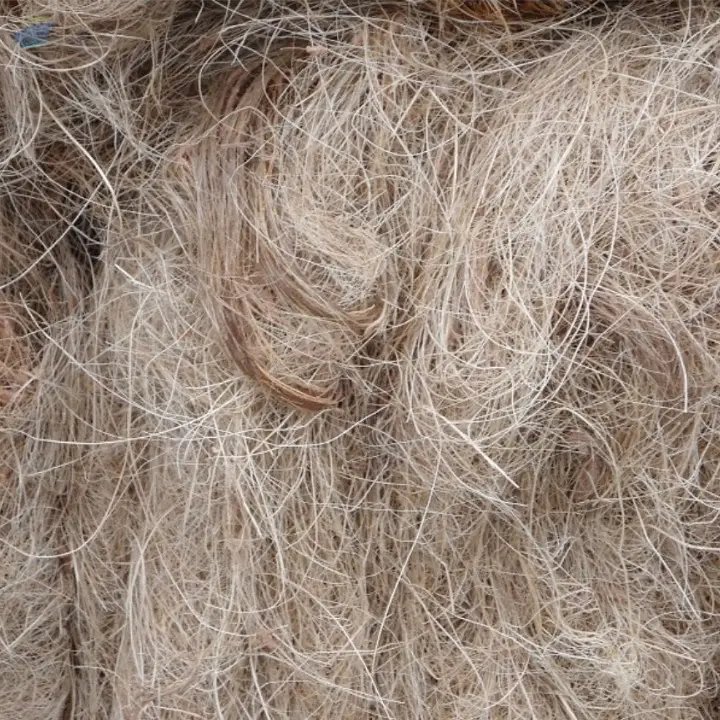
Tianjin Yimeng Cashmere Textile Co., Ltd. is based in Tianjin, China and currently lists five distinct yarn products in its catalogue. The catalogue includes cashmere knitting yarn, 100 % sheep wool yarn, cashmere blend yarn, cheap wool yarn, and chunky hand‑knitting cashmere yarn. All items fall under the broader wool‑yarn segment of the garment and fashion accessories category. The supplier is classified as an imported (harbor‑tier) trader, indicating that it sources or processes the yarns for export. Product listings are presented without specific HS‑code references, but they align with the typical HS chapter 51 family for animal hair yarns.
The five yarn types cover a range of fiber contents, from pure cashmere to blended and lower‑cost wool variations. Cashmere knitting yarn and chunky hand‑knitting cashmere yarn are marketed for high‑end knitwear, while the cheap wool yarn targets bulk applications. The 100 % sheep wool yarn provides a standard baseline for conventional wool fabrics. Each product is described by its fiber composition rather than by quantitative grades, leaving room for buyers to request detailed specifications such as micron count or twist per metre. The catalogue’s focus on yarns reflects the supplier’s specialization within the textile yarn segment of the Chinese export market.
Product Range and Specialties of Tianjin Yimeng Cashmere Textile Co., Ltd.
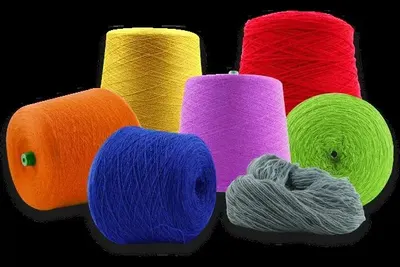
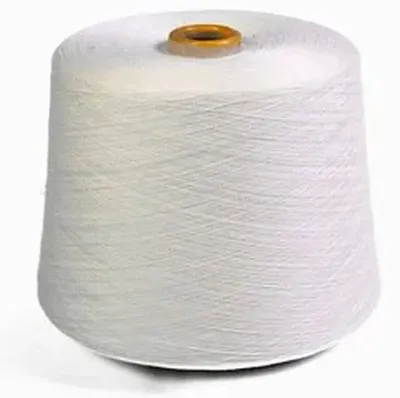
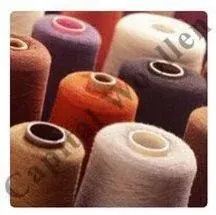
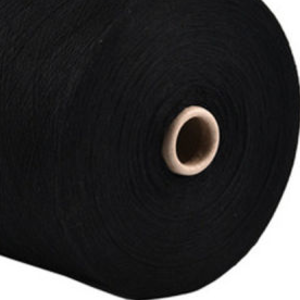
The catalogue’s five yarn products include two pure cashmere options (knitting yarn and chunky hand‑knitting yarn), a 100 % sheep wool yarn, a cashmere‑blend yarn, and an economy‑grade wool yarn. In the global market, cashmere yarns are typically graded by fiber micron size (e.g., 14‑16 µm for fine cashmere) and by twist level (e.g., 8‑12 TPI). Sheep wool yarns are often classified by staple length (30‑50 mm) and tensile strength (30‑40 MPa). Blend yarns may combine cashmere with wool or synthetic fibers, with blend ratios disclosed for performance targeting. Buyers usually receive yarn on spools (≈100 g) or in cones (≈20 kg), and packaging specifies moisture content below 12 % to preserve fiber quality.
Industry standards for wool yarns include ISO 11566 for tensile testing and Oeko‑Tex Standard 100 for harmful substance limits. For cashmere, the International Cashmere & Wool Marketing Organization (ICWMO) recommends micron ranges and lint‑free specifications. These benchmarks help buyers assess suitability for high‑end apparel, sportswear, or bulk textile production.
Trade and Export Information - Tianjin Yimeng Cashmere Textile Co., Ltd.
Chinese wool yarn exporters commonly ship to garment manufacturers in Europe (Italy, Turkey), North America (USA, Canada), and East Asia (Japan, South Korea). The HS‑code family for wool yarns generally falls under 5112 (wool yarn, containing 85 % or more wool by weight). Export documentation often includes a commercial invoice, packing list, and a certificate of origin, while buyers may request Oeko‑Tex or ISO‑9001 compliance certificates as part of due‑diligence.
Typical logistics involve FOB Tianjin or CIF Shanghai, with a 20‑ft container holding up to 22 metric tonnes of yarn, depending on packaging density. Chinese yarn producers frequently adopt moisture‑proof poly‑bag packaging and may apply heat‑seal labels indicating fiber content and batch number. Regulatory checks at Chinese customs focus on accurate HS‑code declaration and compliance with textile import regulations of the destination country.
Sourcing from Tianjin Yimeng Cashmere Textile Co., Ltd. - Buyer Guidance
When sourcing yarn from this supplier, buyers should request a laboratory test report covering micron diameter, tensile strength, and moisture content for each yarn type. Samples of at least 100 g per yarn are standard for evaluating hand feel and dye uptake before confirming larger orders. Buyers are advised to verify any claimed certifications (e.g., Oeko‑Tex Standard 100) by reviewing the supplier’s certificates and, if necessary, arranging third‑party testing.
Typical minimum order quantities for bulk yarn range from 500 kg to 2 tonnes per product, with lead times of 30‑45 days after sample approval. Confirm packaging details (spool weight, cone size, poly‑bag dimensions) and ensure the commercial invoice reflects the correct HS code (5112) to avoid customs delays. Requesting a pre‑shipment inspection report can further validate yarn quality and compliance with buyer specifications.
Frequently Asked Questions About Tianjin Yimeng Cashmere Textile Co., Ltd.
What yarn types does Tianjin Yimeng Cashmere Textile Co., Ltd. list in its catalogue?
The catalogue lists cashmere knitting yarn, 100 % sheep wool yarn, cashmere blend yarn, cheap wool yarn, and chunky hand‑knitting cashmere yarn.
Which HS‑code family do the listed yarns belong to?
These yarns fall under the HS‑code family 5112, which covers wool yarn containing 85 % or more wool by weight.
What certifications are commonly required for wool and cashmere yarn imports?
Buyers typically request Oeko‑Tex Standard 100 for harmful substance limits and ISO 11566 for tensile testing; ISO 9001 quality‑management certification is also frequently asked for.
What sample size is appropriate for evaluating the yarns?
A sample of at least 100 g per yarn type is standard to assess fiber feel, dyeability, and physical properties before placing a larger order.
What are typical minimum order quantities and lead times?
Minimum order quantities usually start at 500 kg per yarn, with lead times of 30‑45 days after sample approval.
How are the yarns usually packaged for export?
Export packaging commonly uses moisture‑proof poly‑bags or sealed cones, with spools of around 100 g or cones of about 20 kg, labelled with fiber content and batch numbers.
Which regions import Chinese wool yarns most frequently?
Key import regions include Europe (Italy, Turkey), North America (USA, Canada), and East Asia (Japan, South Korea).
What documentation should a buyer request before shipment?
Buyers should ask for a commercial invoice, packing list, certificate of origin, test reports on micron size and tensile strength, and any applicable certification copies such as Oeko‑Tex.




 , China