Agriculture›
 Apparel and fashion accessories›
 Construction & real estate›💡Electronic & Electrical›🍎Food & Beverages›🛋️Home furnishing & supplies›⚗️Industrial goods & chemical›🪨Minerals & metals›📦Miscellaneous›Agriculture›Apparel and fashion accessories›Construction & real estate›💡Electronic & Electrical›🍎Food & Beverages›🛋️Home furnishing & supplies›⚗️Industrial goods & chemical›🪨Minerals & metals›📦Miscellaneous›
The Vibrant Exports Product Catalog


About The Vibrant Exports - Vegetable Powder Supplier in India
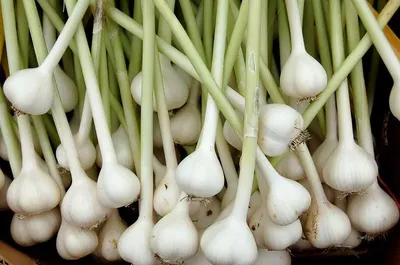
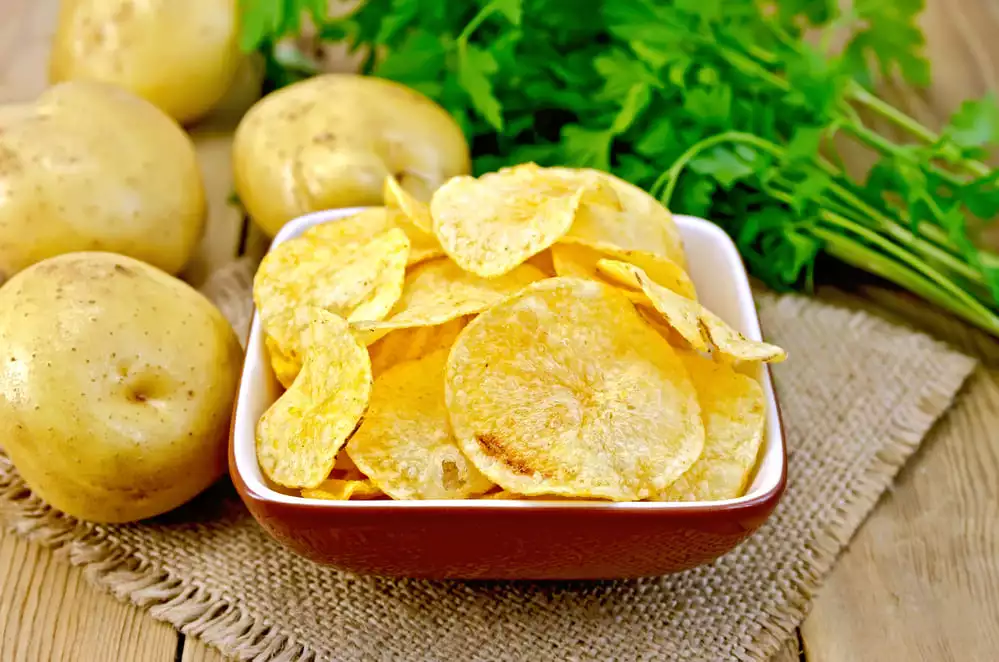
India supplies a catalogue of 16 active products through The Vibrant Exports. The list spans vegetable powders, dehydrated onion and garlic variants, horticultural media such as coco peat blocks and powder, coir fibre and yarn, nursery pots, and fresh potatoes. The coir fibre is classified under HS code 5305.00 and the coir yarn under HS code 5305.11, both derived from natural coconut coir. The supplier also offers fresh garlic and fresh potatoes, extending its portfolio beyond processed food ingredients. Export destinations typically include food processors in Europe and the United States, as well as horticulture businesses in the Middle East and Southeast Asia.
Product Range and Specialties of The Vibrant Exports
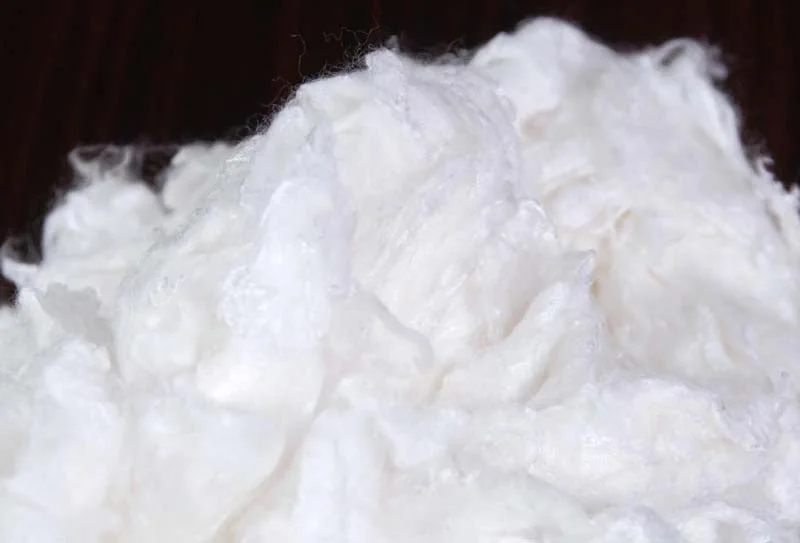
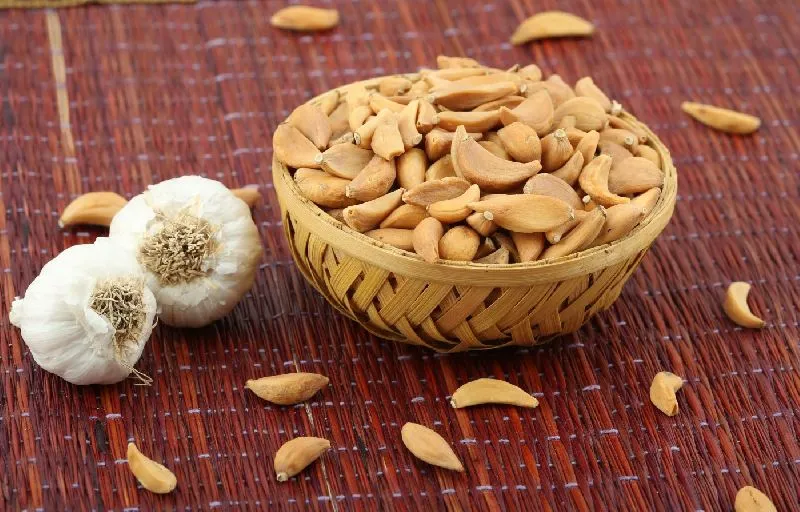
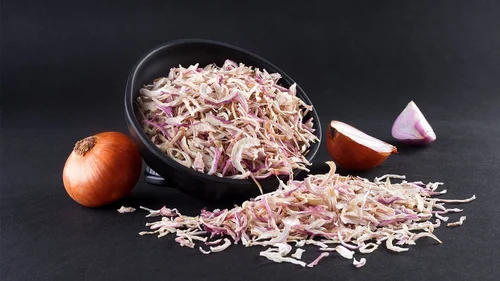
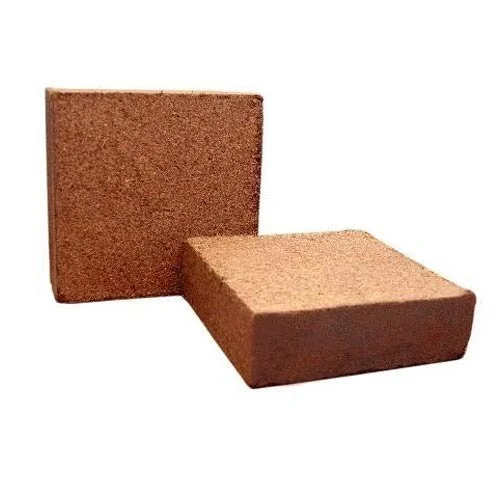
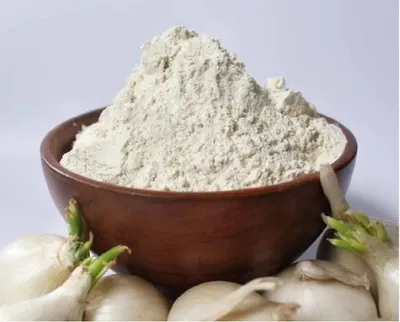
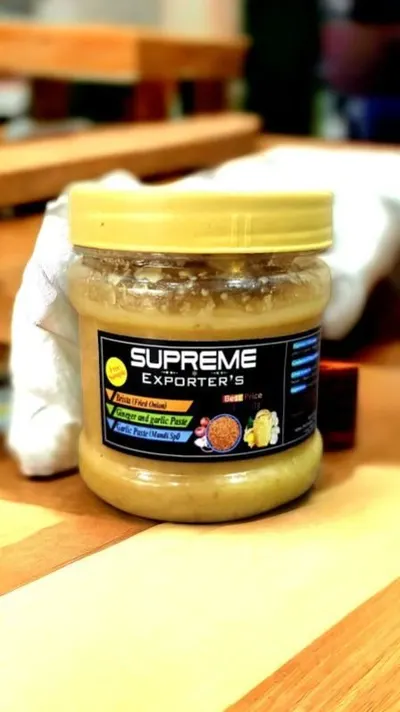
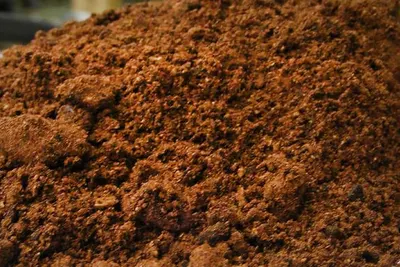
The Vibrant Exports catalogue includes cocopeat blocks and powder, coir fibre (HS 5305.00) and coir yarn/rope (HS 5305.11), a full set of dehydrated onion forms (pink powder, white powder, flakes, granules, chopped) and dehydrated garlic forms (flakes, powder, granules, chopped), fresh garlic, fresh potatoes, and nursery pots/planters. The coir products are derived from the husk of Cocos nucifera, a material valued for its high water‑holding capacity (up to 10 times its weight) and neutral pH, making it a standard substrate in greenhouse operations.
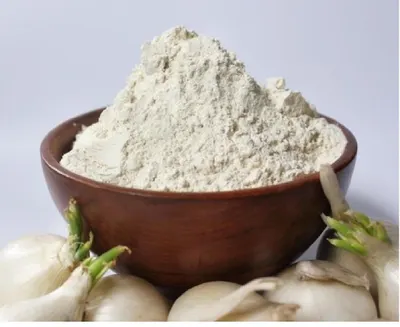
In the food‑ingredient market, dehydrated onion and garlic powders are typically classified as food‑grade with colour values measured in ICUMSA units (commonly ICUMSA 45 for white onion) and particle size below 200 µm. Standard specifications demand moisture ≤8 %, ash ≤5 %, and microbiological limits such as total plate count ≤10⁴ CFU/g. Buyers often request certificates of analysis (COA) and compliance with HACCP or ISO 22000. Coir yarn is used for rope, matting, and erosion control, and is commonly supplied in tensile strength ranges of 30 - 50 MPa. Nursery pots are usually molded from coir fibre blends, sized 10 - 30 cm in diameter, and shipped in bulk crates.
Frequently Asked Questions About The Vibrant Exports
What product categories does The Vibrant Exports offer?
The supplier lists cocopeat blocks and powder, coir fibre (HS 5305.00), coir yarn/rope (HS 5305.11), a full line of dehydrated onion and garlic powders, flakes, granules and chopped forms, fresh garlic, fresh potatoes, and nursery pots and planters.
Which HS codes apply to the coir products?
Coir fibre is classified under HS 5305.00 and coir yarn/rope under HS 5305.11, both part of Chapter 53 covering natural vegetable fibres.
What typical specifications apply to the dehydrated onion powders?
Standard food‑grade onion powder specifications include moisture ≤8 %, ash ≤5 %, colour around ICUMSA 45 for white onion, particle size below 200 µm, and microbiological limits such as total plate count ≤10⁴ CFU/g.
What certifications should a buyer request for the food‑grade powders?
Buyers usually ask for a Certificate of Analysis, HACCP or ISO 22000 compliance, and evidence that the product meets the EU Food Hygiene Regulation or US FSMA, depending on the destination market.
How are coir fibre and yarn typically packaged for export?
Coir fibre is commonly packed in 1 m³ bulk bags or bales, while coir yarn is shipped in tightly bound rolls or compressed bales, both placed on standard 1200 mm × 1000 mm wooden pallets.
 India
Related Suppliers & Products
Explore similar suppliers, related products and trending categories