The Syed Group — Supplier
About The Syed Group - Salt Supplier in Pakistan
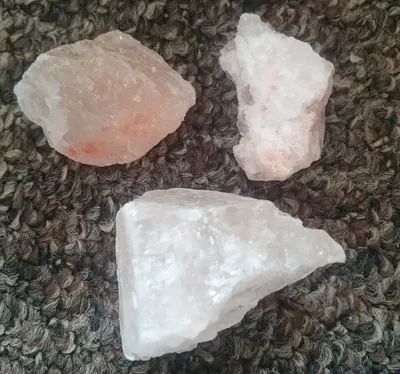
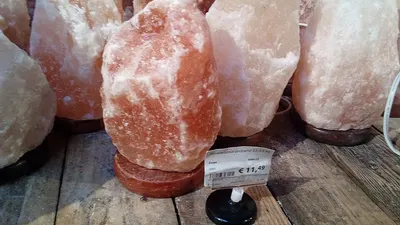
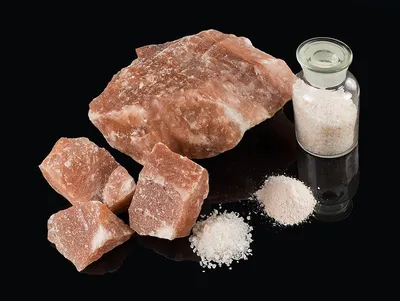
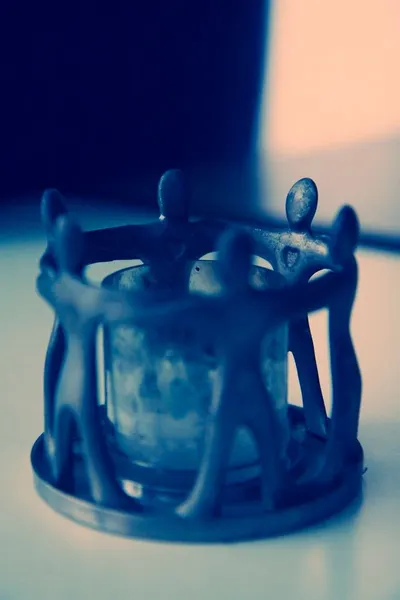
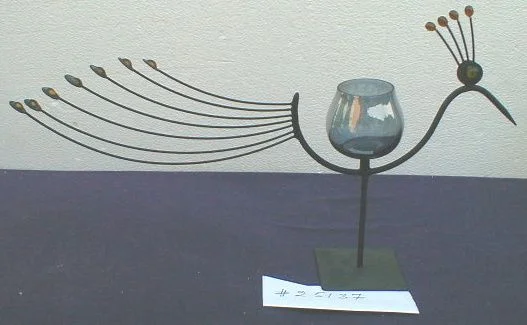
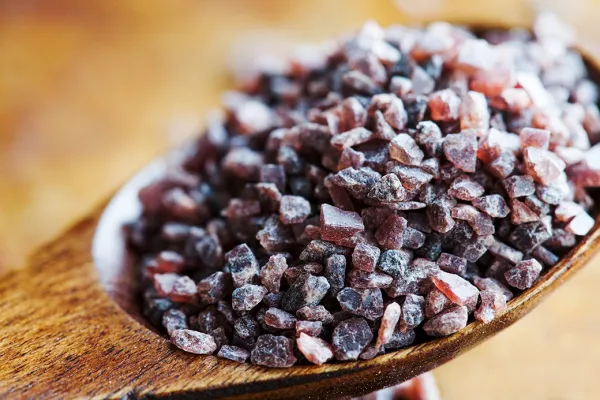
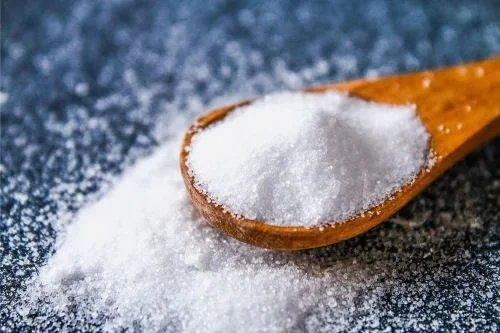
The Syed Group is based in Pakistan and currently lists five active products across its catalogue. The product set includes items classified under agriculture and salt, with a focus on Himalayan pink salt applications. One listed item, the Himalayan Salt Candle Holder, carries HS code 9405.50 and is described as a natural Himalayan pink salt crystal (NaCl 85‑95%). The remaining four entries are Himalayan edible salt, a salt lamp, a bath & spa salt product, and an inhaler‑style salt pipe, all derived from the same pink salt material.
The catalogue does not provide additional HS codes for the edible salt, lamp, bath & spa or inhaler products, but each is marketed as a derivative of natural Himalayan pink salt. The supplier’s active product count of five reflects a narrow but specific range of salt‑based décor and wellness items, all sourced from the same mineral deposit region within Pakistan.
Product Range and Specialties of The Syed Group
The product range consists of solid salt décor items and consumable salt forms. The candle holder and lamp are typically machined from blocks of pink salt measuring 10‑30 cm in height, with a purity of 85‑95 % NaCl and a moisture content below 1 %. Edible Himalayan salt is usually sold in fine or coarse grain, food‑grade specifications require at least 97 % NaCl purity, moisture under 0.5 % and compliance with Codex Alimentarius limits for heavy metals. Bath & spa salt blends often contain added magnesium or trace minerals, while inhaler pipes are designed for therapeutic use and are tested for particle size distribution (typically <200 µm). Industry standards for these categories include ISO 22000 for food safety and IEC 60598 for lamp safety where applicable.
Trade and Export Information - The Syed Group
Pakistan exports Himalayan pink salt primarily to the European Union, United States, and Gulf Cooperation Council markets, where consumers value the mineral content and aesthetic qualities. HS chapter 94 (furniture) covers the candle holder under 9405.50, while edible salt falls under chapter 25 (salt) - usually HS 2501.00, though the catalogue does not list that code. Buyers commonly request certificates such as ISO 9001, HACCP, and a certificate of analysis (CoA) confirming NaCl purity, moisture, and heavy‑metal limits. Standard export packaging includes 20‑ft or 40‑ft containers with sealed wooden crates or cardboard boxes, and Incoterms such as CIF or FOB are typical for bulk shipments. Pakistan’s mining regulations require environmental compliance and traceability of the salt source, which many importers audit through third‑party inspection agencies.
Sourcing from The Syed Group - Buyer Guidance
When sourcing from The Syed Group, buyers should request a recent CoA for each salt product, confirming purity (≥97 % for edible grade), moisture (<0.5 %), and heavy‑metal concentrations within Codex limits. Samples of the candle holder and lamp should be inspected for structural integrity, surface finish, and any visible cracks that can develop during transport. Verify that the supplier can provide ISO 9001 or HACCP documentation, especially for consumable salt, and confirm packaging dimensions to ensure compatibility with container loading plans. It is advisable to arrange a pre‑shipment inspection by an accredited agency to validate HS code declaration and product specifications before finalizing the order.
Frequently Asked Questions About The Syed Group
What is the HS code for the Himalayan Salt Candle Holder?
The candle holder is listed under HS code 9405.50, which covers other furniture and parts of furniture.
Does The Syed Group provide a certificate of analysis for edible Himalayan salt?
The supplier does not list a specific certificate in the catalogue, so buyers should request a recent CoA that details NaCl purity, moisture content, and heavy‑metal limits.
What purity level is typical for food‑grade Himalayan salt?
Food‑grade Himalayan salt is generally expected to have at least 97 % NaCl purity, moisture below 0.5 %, and meet Codex limits for lead, arsenic and other heavy metals.
Are there standard packaging sizes for the salt lamp and candle holder?
These items are commonly packed in individual cardboard boxes with protective inserts, and then grouped on wooden pallets that fit standard 20‑ft or 40‑ft containers.
Which certifications should a buyer ask for when importing edible salt?
Buyers usually request ISO 9001 or ISO 22000, HACCP compliance, and a CoA confirming food‑grade specifications.
What are typical lead times for a bulk order of Himalayan edible salt?
Lead times for bulk edible salt from Pakistan range from 30 to 45 days, depending on production scheduling, quality testing, and container booking.
Can the salt inhaler pipe be used for therapeutic purposes without additional testing?
The inhaler pipe should be accompanied by a particle‑size analysis report (typically <200 µm) and a safety data sheet to confirm suitability for inhalation use.
Which markets most commonly import Himalayan pink salt products?
Key import markets include the European Union, United States, Canada, and Gulf states, where the products are used for culinary, décor and wellness applications.




 , Pakistan