Agriculture›
 Apparel and fashion accessories›
 Construction & real estate›💡Electronic & Electrical›🍎Food & Beverages›🛋️Home furnishing & supplies›⚗️Industrial goods & chemical›🪨Minerals & metals›📦Miscellaneous›Agriculture›Apparel and fashion accessories›Construction & real estate›💡Electronic & Electrical›🍎Food & Beverages›🛋️Home furnishing & supplies›⚗️Industrial goods & chemical›🪨Minerals & metals›📦Miscellaneous›
Texland Used Clothing
⚓ Harbor , NetherlandsNew supplier / no reviews yet
Texland Used Clothing Product Catalog

About Texland Used Clothing - Used Clothing Supplier in Netherlands
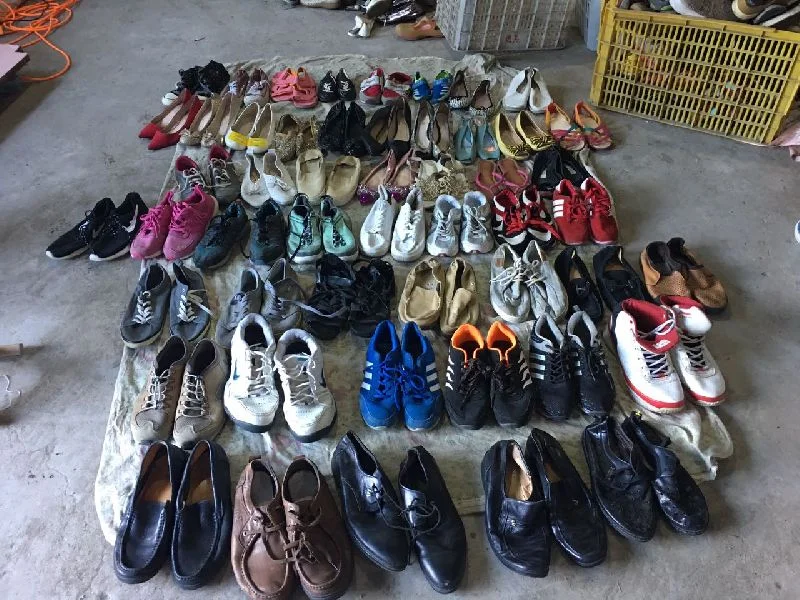
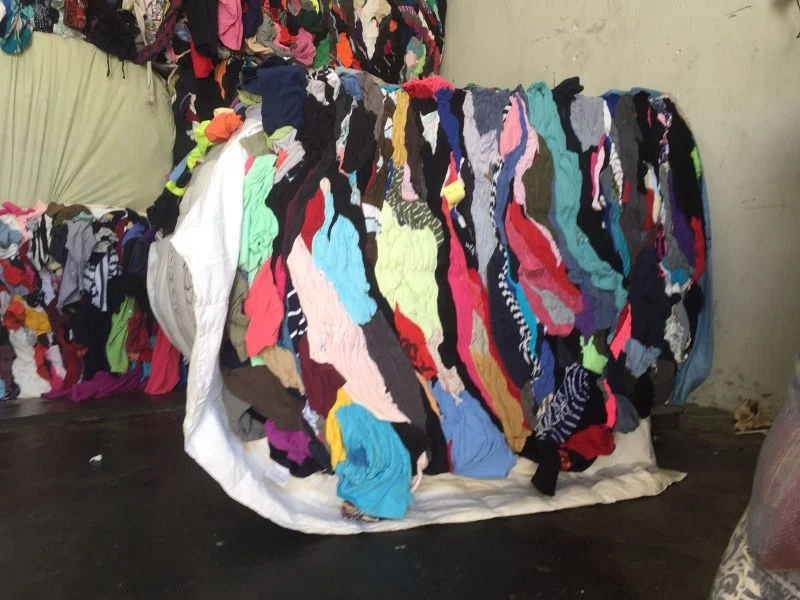
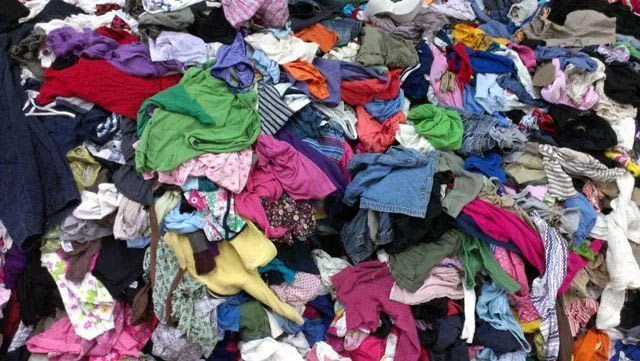
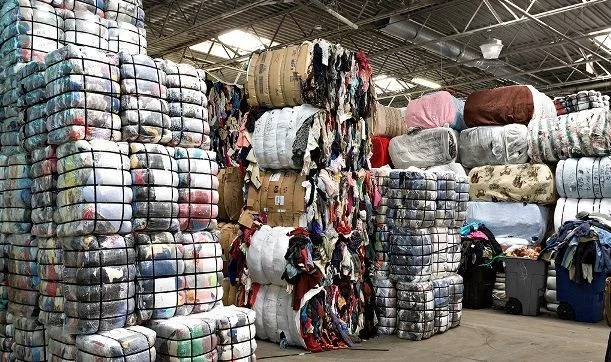
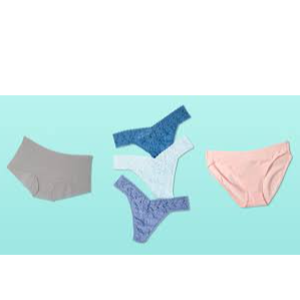
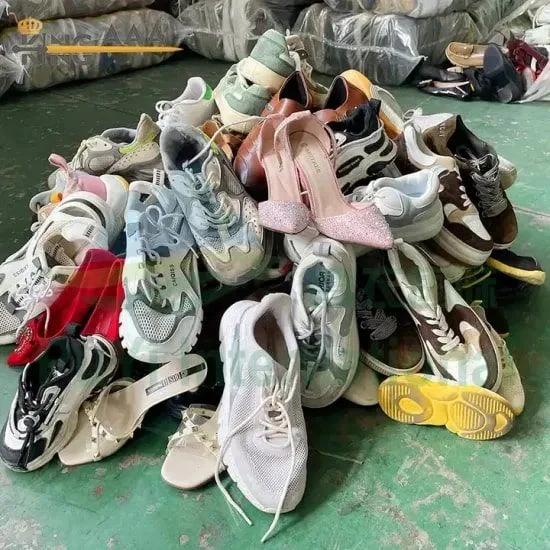
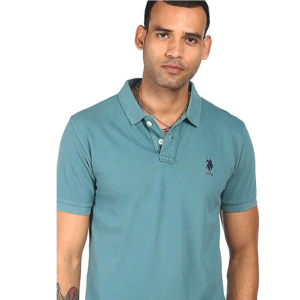
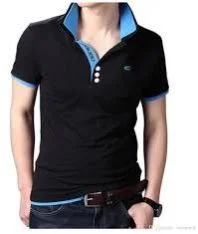
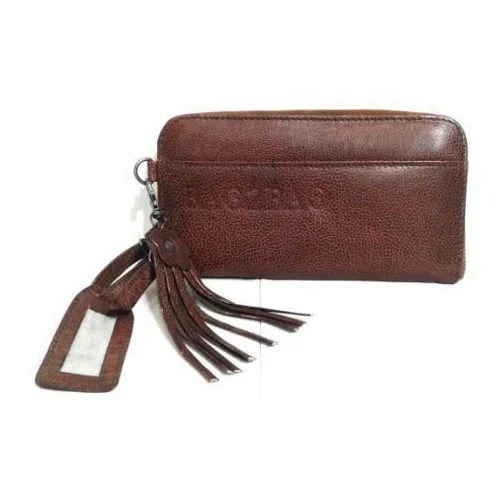
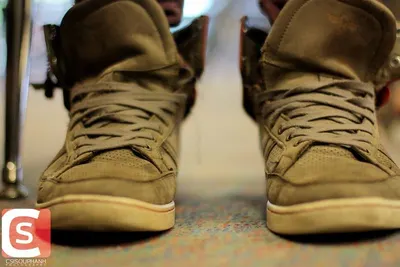
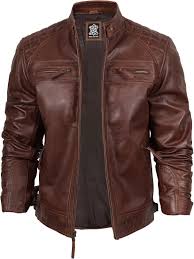
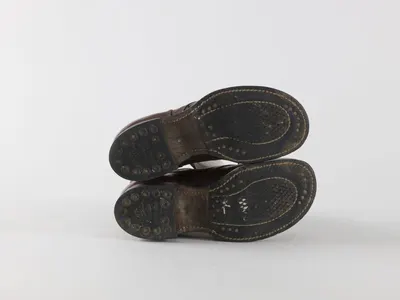
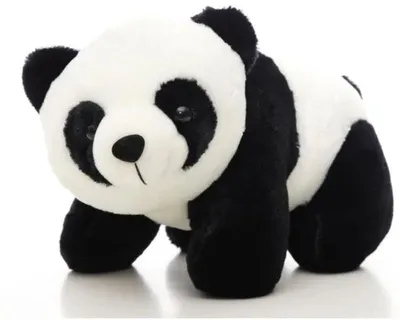
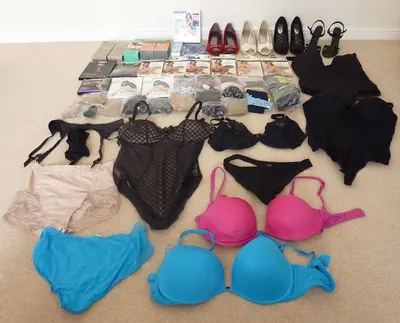
Texland Used Clothing operates from the Netherlands and currently lists six active product lines in its catalogue. The company focuses on second‑hand apparel and accessories, covering categories such as used clothes, swim suits, used shoes, used leather jackets, used boots and used toys. Each item is classified under the broader groups of Used Clothings and Used Shoes as indicated in its top categories.
The catalogue explicitly names the six product types without additional sub‑variants. All products are sourced as pre‑owned goods and are presented for export rather than domestic retail. The supplier’s trust tier is listed as “harbor”, indicating a moderate level of verification within the platform.
Product Range and Specialties of Texland Used Clothing
The listed items fall into typical second‑hand apparel grades that buyers encounter in the market: Grade A (like‑new condition, minimal wear), Grade B (good condition, visible but limited wear) and Grade C (fair condition, noticeable wear). Used clothes and swim suits are generally made from cotton, polyester or blended fabrics, with size ranges from XS to XXL. Used shoes and boots are commonly leather or synthetic uppers with rubber soles, and buyers often request size charts and heel height details. Leather jackets are evaluated for full‑grain versus split leather, lining type and any hardware condition. Used toys are typically plastic or fabric‑based, and importers check for compliance with safety standards such as EN 71.
Frequently Asked Questions About Texland Used Clothing
What condition grades are available for the used clothing items?
The supplier provides three standard grades - Grade A (like‑new), Grade B (good) and Grade C (fair) - with a written description of wear for each batch.
Are size charts supplied for used shoes and boots?
Yes, the catalogue indicates that size charts and corresponding EU/US conversions are provided with each shoe or boot shipment.
What documentation is needed to confirm compliance with EU chemical regulations?
Buyers should request REACH compliance statements and, where applicable, OEKO‑TX Standard 100 test reports for textile items.
How are the products packaged for export?
Items are packed in bulk poly‑bags, grouped into cardboard cartons, and palletised for container loading, following standard sea‑freight practices.
What are the typical minimum order quantities?
Minimum orders are usually expressed in total weight (kilograms) or item count, with common thresholds of 500 kg or 1,000 individual pieces per container.
NetherlandsRelated Suppliers & Products
Explore similar suppliers, related products and trending categories