Tevera Aloe — Verified Supplier
About Tevera Aloe - Aloe Vera Supplier in China
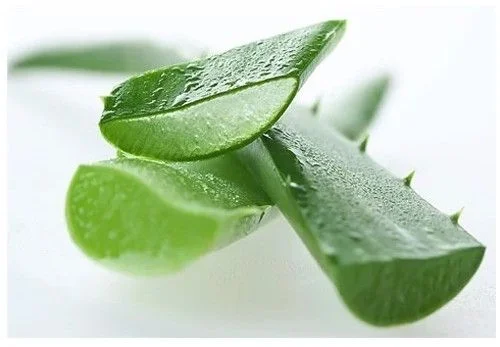
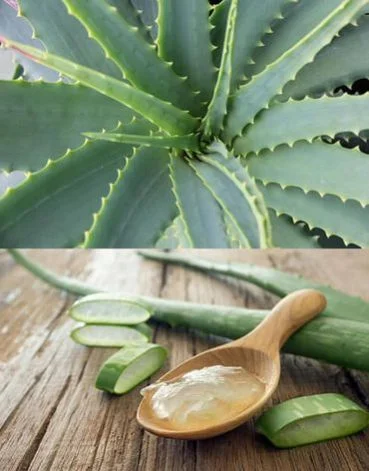
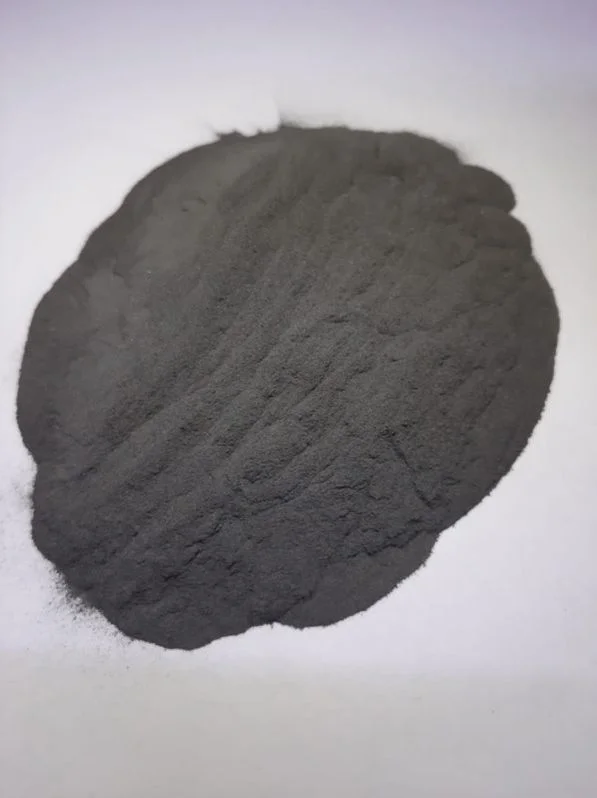
China is the origin of Tevera Aloe, which lists 27 active products across herbal, aloe vera and juice categories. The catalogue includes various forms of Aloe barbadensis Miller such as organic pulp slices, freeze‑dried powders, concentrated juices, gels, jams and extracts. Products are described with concentration ratios (e.g., 10:1, 100:1, 2000:1) and processing methods like freeze‑drying, spray‑drying or bake‑drying. The range covers whole‑leaf, pulp, gel and flower extracts, providing both liquid and powdered formats.
All items fall under the broader HS chapter 13 for vegetable saps and extracts or chapter 21 for food preparations, as indicated by the product types. The supplier does not specify certifications in the provided data, so buyers should verify any required quality or organic certifications independently. The product list reflects a focus on processed aloe vera ingredients suitable for nutraceutical, beverage and cosmetic applications. The catalogue’s 27 items illustrate a detailed segmentation of aloe‑based raw materials.
Product Range and Specialties of Tevera Aloe
The catalogue enumerates 27 aloe‑veraproducts, including organic pulp cubes, freeze‑dried powders at multiple concentration levels (1:1 to 2000:1), spray‑dried powders, gel juices, jam and flower extract. In the aloe vera industry, powders are typically standardized to a moisture content below 5 % and a minimum polysaccharide (acemannan) content of 0.5 % for nutraceutical use. Concentrated juices are often measured by weight ratio (e.g., 10:1 means ten parts leaf to one part juice) and may require a Brix range of 30‑45 % for beverage blending. Gel products are commonly evaluated for viscosity (centipoise) and purity, with organic grades adhering to USDA or EU organic standards. The presence of both freeze‑drying and spray‑drying indicates options for heat‑sensitive versus bulk‑production processes, which buyers select based on shelf‑life and solubility requirements.
Trade and Export Information - Tevera Aloe
China is a major exporter of aloe vera raw materials, supplying Asia‑Pacific, Europe and North America with processed extracts and powders. HS code 1302 covers vegetable saps and extracts, while HS 2106 applies to preparations of a mixture of products, such as gel jams and flavored juices. Importers typically request ISO 9001 quality management, GMP or HACCP compliance, and, for organic claims, certification from bodies like USDA Organic or EU Organic. Standard packaging includes food‑grade HDPE drums (200 L) for liquids and multi‑layer foil bags (25 kg) for powders, with moisture barriers to preserve product stability. Common Incoterms are FOB Shanghai or CIF Rotterdam, reflecting the logistical routes from Chinese ports to global markets. Export documentation often includes a Certificate of Origin, a Phytosanitary Certificate for plant‑derived goods, and a laboratory analysis report detailing moisture, ash and active polysaccharide content.
Sourcing from Tevera Aloe - Buyer Guidance
When sourcing from Tevera Aloe, request a recent Certificate of Analysis that lists moisture, ash, acemannan content and microbial limits (e.g., total plate count < 10⁴ CFU/g, E. coli < 10 CFU/g). Verify whether the product is certified organic and obtain the corresponding certification copy if required. Confirm the processing method (freeze‑dry vs spray‑dry) because it influences reconstitution ratios and shelf life. Ask for sample packaging - e.g., 1 kg foil bag for powder or 5 L drum for juice - to evaluate solubility, color and viscosity before committing to larger volumes. Clarify the minimum order quantity (often 10 metric tons for powder, 5 tons for liquid) and the typical lead time, which ranges from 30 to 45 days after order confirmation for processed aloe products.
Frequently Asked Questions About Tevera Aloe
What forms of Aloe vera does Tevera Aloe offer?
The supplier lists 27 items that include organic pulp cubes, freeze‑dried and spray‑dried powders at ratios from 1:1 up to 2000:1, concentrated gel juices (10:1, 20:1, 100:1, 200:1), gel jam, whole‑leaf powders and a flower extract.
Are the aloe products certified organic?
The provided data does not state any organic certification. Buyers should request the specific organic certificate (USDA, EU or China Organic) before placing an order.
Which HS codes apply to these aloe products?
Liquid extracts and juices fall under HS 1302 (vegetable saps and extracts), while gel jams and prepared foods are classified under HS 2106 (preparations of a mixture of products). Powders are also covered by HS 1302.
What quality parameters should be checked for the powders?
Typical specifications include moisture ≤ 5 %, ash ≤ 3 %, acemannan ≥ 0.5 % (for nutraceutical grades), and microbial limits such as total plate count < 10⁴ CFU/g and E. coli < 10 CFU/g.
What are the common packaging formats for the aloe juice concentrates?
Concentrated juices are usually packed in food‑grade HDPE drums (200 L) or stainless‑steel containers, sealed to prevent oxidation and bacterial ingress.
What are the usual minimum order quantities and lead times?
Minimum order quantities often start at 5 tons for liquid concentrates and 10 tons for powdered forms, with lead times of 30‑45 days after order confirmation, depending on processing batch size.
Which certifications are typically required for importing aloe vera ingredients?
Importers generally request ISO 9001, GMP or HACCP compliance, and, if the product is marketed as organic, a recognized organic certification together with a phytosanitary certificate and a Certificate of Origin.
How can a buyer obtain a sample before full purchase?
Buyers can request a 1 kg foil‑bag sample for powders or a 5 L drum sample for liquids; the supplier usually ships samples under FOB terms for the buyer to assess solubility, color and viscosity.




 , China