Tekstil Portal — Supplier
About Tekstil Portal - Agriculture Supplier in Turkey
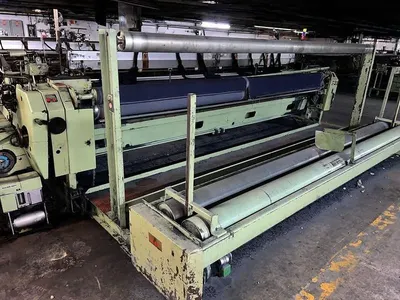
Tekstil Portal, located in Turkey, offers 6 active products, primarily categorized under Agriculture. The company lists various used textile tricot machinery, including Stoll Cms 320, Shima Seiki, and Sulzer looms 390 sm. These products are likely to be of interest to buyers in regions that import used machinery, such as Asia and Africa. The HS code families involved in the export of these goods typically include 8447 for textile machinery.
The used textile tricot machinery listed by Tekstil Portal includes a range of models, such as Stoll Cms 422 Tc and Tricot Machines Shima Seiki Ses 122 Rt. These machines are typically used in the production of textiles, and buyers may be interested in requesting specifications, test reports, and certifications to ensure the quality of the machinery.
Product Range and Specialties of Tekstil Portal
The product range of Tekstil Portal includes used textile tricot machinery, which is commonly used in the production of textiles. Buyers of this category typically require certifications such as CE or ISO 9001, and may also request test reports and samples to verify the quality of the machinery. The typical grades and standard specifications for used textile tricot machinery include factors such as machine type, production capacity, and material compatibility.
The materials used in the production of textiles, such as cotton, polyester, and nylon, may also be of interest to buyers sourcing from Tekstil Portal. The company's catalogue includes a range of machinery models, each with its own specifications and features.
Trade and Export Information - Tekstil Portal
Exporters of used textile tricot machinery, such as Tekstil Portal, typically export to regions with a high demand for textile production, such as Asia and the Middle East. The HS code families involved in the export of these goods, such as 8447, are subject to regulations and standards set by organizations such as the International Trade Centre. Buyers of these goods may be required to comply with certifications and standards, such as CE or ISO 9001, to ensure the quality and safety of the machinery.
The logistics and packaging of used textile tricot machinery are also important considerations for buyers sourcing from Tekstil Portal. The company may use Incoterms such as FOB or CIF to define the terms of delivery, and buyers should be aware of the regulations and requirements for importing these goods into their region.
Sourcing from Tekstil Portal - Buyer Guidance
Buyers sourcing from Tekstil Portal should request specifications, test reports, and certifications to ensure the quality of the used textile tricot machinery. They should also verify the machine's production capacity, material compatibility, and any necessary maintenance or repair requirements. Additionally, buyers should be aware of the regulations and standards set by organizations such as the International Trade Centre, and ensure that they comply with any necessary certifications or standards.
Before ordering, buyers should confirm the details of the sale, including the price, payment terms, and delivery schedule. They should also ensure that they have a clear understanding of the machine's specifications, features, and any necessary maintenance or repair requirements.
Frequently Asked Questions About Tekstil Portal
What types of used textile tricot machinery does Tekstil Portal offer?
Tekstil Portal offers a range of used textile tricot machinery, including Stoll Cms 320, Shima Seiki, and Sulzer looms 390 sm. These machines are typically used in the production of textiles, and buyers may be interested in requesting specifications, test reports, and certifications to ensure the quality of the machinery.
What certifications or standards should buyers request when sourcing from Tekstil Portal?
Buyers should request certifications such as CE or ISO 9001, and may also request test reports and samples to verify the quality of the machinery. The typical grades and standard specifications for used textile tricot machinery include factors such as machine type, production capacity, and material compatibility.
How do buyers verify the quality of the used textile tricot machinery offered by Tekstil Portal?
Buyers can verify the quality of the machinery by requesting specifications, test reports, and certifications. They should also inspect the machinery before delivery, and ensure that it meets their requirements and standards.
What are the typical logistics and packaging requirements for used textile tricot machinery?
The logistics and packaging of used textile tricot machinery are important considerations for buyers sourcing from Tekstil Portal. The company may use Incoterms such as FOB or CIF to define the terms of delivery, and buyers should be aware of the regulations and requirements for importing these goods into their region.
What is the minimum order quantity (MOQ) for used textile tricot machinery offered by Tekstil Portal?
The MOQ for used textile tricot machinery offered by Tekstil Portal is not specified, but buyers should confirm this with the company before ordering. The lead time for delivery is also not specified, and buyers should confirm this with the company to ensure that they can meet their production schedule.
What are the payment terms for used textile tricot machinery offered by Tekstil Portal?
The payment terms for used textile tricot machinery offered by Tekstil Portal are not specified, but buyers should confirm this with the company before ordering. The company may offer payment terms such as L/C or T/T, and buyers should ensure that they understand the terms and conditions of the sale.
Can buyers request customization or modification of the used textile tricot machinery offered by Tekstil Portal?
Buyers can request customization or modification of the used textile tricot machinery offered by Tekstil Portal, but this should be confirmed with the company before ordering. The company may offer customization or modification options, such as upgrading or downgrading the machinery, and buyers should ensure that they understand the costs and benefits of any modifications.




 , Turkey