Techno Trade — Supplier

About Techno Trade - Oil Field Machinery and Fuel Station Equipment Supplier in Ukraine

Techno Trade is a Ukraine-based supplier operating across 6 active product listings that sit at the intersection of fuel retail automation, forecourt controller hardware, and back-office software for petrol stations. The catalogue is anchored in oil field and downstream petroleum equipment, specifically the electromechanical and IT layer that sits between the underground storage tank, the dispenser, and the station operator's point-of-sale. Five of the six listings are forecourt-specific, while the sixth (HMS/LMS) extends into hospitality or fuel-station management software, a common adjacent vertical for Ukrainian IT vendors serving the petroleum retail sector. The supplier's listings cover the full functional stack of a modern unattended or semi-attended filling station: pumphead hardware, a PTS-class controller that interfaces with fuel dispensers, a wireless communication device linking forecourt equipment to the back office, the Naftapos station-management software suite, a fuel card management system for loyalty and fleet programmes, and an HMS/LMS module. The grouping reflects a vertically integrated offering typical of regional vendors who bundle proprietary controller electronics with locally developed software, rather than reselling a single global brand such as Gilbarco, Wayne, or Tokheim components in isolation.

Product Range and Specialties of Techno Trade

Techno Trade's catalogue is built around six forecourt and station-management SKUs. The electromechanical layer is represented by pumpheads (the meter-and-nozzle assembly that mounts on a dispenser island) and a PTS controller designed to sit between the dispenser electronics and the station controller, reading pulser data and authorising transactions. The connectivity layer is handled by a wireless communication device for petrol stations, used to link island equipment to the back-office PC without hard-wiring every dispenser. On the software side, the supplier lists Naftapos (a station-management suite commonly deployed across Ukraine, Moldova, and the CIS for wet-stock reconciliation, shift reporting, and price-board control), a fuel card management system for B2B fleet and loyalty programmes, and an HMS/LMS module. Buyers sourcing forecourt automation equipment in this category typically evaluate pumpheads by flow rate (commonly 40 L/min for light vehicles and up to 130 L/min for truck dispensers), meter accuracy class (Class 1.0 or better under OIML R117/R118 for custody transfer), and compatibility with the existing dispenser brand. PTS-class forecourt controllers are usually specified by the number of dispenser channels supported (2, 4, 8, or 16 pumps per controller), supported protocols (Gilbarco, Tokheim, Wayne, Tatsuno, or generic RS-485/IFSF), and whether they integrate with the station's POS via OPOS, OPET, or a proprietary driver. Wireless forecourt communication devices are commonly judged by range (typically 100-300 m line-of-sight), ISM-band frequency (433 MHz or 2.4 GHz), and encryption for payment data. Software products in this space are normally sold as perpetual licences with annual support, and buyers should confirm the database backend (MS SQL, PostgreSQL, or Firebird), the supported fiscal-receipt format for the destination country, and the availability of wet-stock reconciliation against ATG probe data.

Trade and Export Information - Techno Trade

Fuel-station automation equipment from Ukraine is typically exported to neighbouring CIS states (Moldova, Belarus, Kazakhstan, Uzbekistan), the Caucasus (Georgia, Armenia, Azerbaijan), and increasingly to the EU's eastern flank (Romania, Bulgaria, Poland, the Baltics) where independent station owners are replacing legacy dispenser electronics. The relevant HS-code families for this catalogue fall under chapter 84 (machinery, including HS 8413 for pumps and 8471 for automatic data-processing machines used with the controller and software layer) and chapter 85 (electrical equipment, including HS 8517 for the wireless communication device and HS 8537 for the PTS control panel). Pumpheads and dispenser sub-assemblies are generally classified under HS 8413 81 (pumps for liquids, with flow meters) or HS 8413 70 (other centrifugal pumps), while the software itself is supplied as a licensed product, often on a physical USB or download, and is not typically customs-cleared as a separate HS-coded line. Industry-standard requirements for this category include CE marking for any equipment deployed in the European Economic Area (covered by the Machinery Directive 2006/42/EC for the pumphead, the EMC Directive 2014/30/EU for the controller and wireless device, and the Radio Equipment Directive 2014/53/EU for the wireless communication module). Buyers in metrology-regulated markets should also request evidence of pattern approval under OIML R117 (for dispensers) or R118 (for vehicle-mounted metering systems), and verification of MID (Measuring Instruments Directive 2014/32/EU) conformity for any dispenser used for fiscal trade. For the wireless device, buyers should confirm a radio type-approval certificate for the destination country. Software exports are normally delivered electronically with a licence key, EULA, and user manual; physical media should be declared for customs purposes. Standard packaging for the electromechanical items is wooden-crated or palletised cardboard, sized for 20 ft or 40 ft container shipping, with moisture indicators and shock-watch labels common for the controller and pumphead sub-assemblies. Incoterms in this segment are typically EXW, FCA, or DAP, with CIP to landlocked CIS destinations also common.

Sourcing from Techno Trade - Buyer Guidance

Buyers evaluating Techno Trade should request, in writing, the technical datasheet for each of the six SKUs: flow-rate and accuracy class for the pumphead, supported dispenser protocols and channel count for the PTS controller, radio band, range, and encryption standard for the wireless device, and a feature matrix for Naftapos and the fuel card system. A demo licence of the software, ideally time-limited and locked to a test database, is standard practice before any volume purchase. For the electromechanical items, request the CE Declaration of Conformity, the test report from an EU-notified body (or a Ukrainian accredited lab such as UkrTEST), and any pattern-approval certificate relevant to the destination market. Before issuing a purchase order, confirm the firmware version and the language localisation of the software (Ukrainian, Russian, Romanian, English, and Georgian are the most commonly supported in this segment), the warranty term (typically 12 months for hardware, 90 days for software media), and the spare-parts availability for the pumphead and controller. Ask for a reference list of installed stations in the destination country or a comparable market, and where possible arrange a video walk-through of a live site. Lead times for the electromechanical items are typically 2-6 weeks ex-works depending on configuration, while software is usually deliverable within 1-3 business days of payment. Verify the supplier's response time on a sample technical query before committing, as post-installation support for forecourt automation is a major determinant of total cost of ownership.

Frequently Asked Questions About Techno Trade

What types of products does Techno Trade supply for petrol stations?

The catalogue covers six SKUs across forecourt hardware and software: pumpheads, a PTS controller for fuel dispensers, a wireless communication device for petrol stations, the Naftapos station-management software, a fuel card management system, and an HMS/LMS module. Together they address the dispenser, controller, connectivity, and back-office layers of a fuel retail site.

Which HS codes apply to the equipment in this catalogue?

Pumpheads typically fall under HS 8413 81 or 8413 70, the PTS controller under HS 8537 (control panels), the wireless communication device under HS 8517 (telephone sets and apparatus for transmission), and the computer hardware that runs the software under HS 8471. Software licences are usually delivered electronically and are not customs-cleared as a separate line item.

What certifications should I request before ordering forecourt equipment from Techno Trade?

Request a CE Declaration of Conformity covering the Machinery Directive for the pumphead and the EMC and Radio Equipment Directives for the controller and wireless device. For any dispenser used for fiscal trade in the EU, ask for evidence of MID conformity and OIML R117 or R118 pattern approval. For CIS and Caucasus destinations, request GOST-R or EAC (Eurasian Conformity) certification and any local metrology pattern approval.

What specifications matter most when evaluating a PTS controller for fuel dispensers?

Key parameters are the number of dispenser channels supported (commonly 2, 4, 8, or 16), the dispenser protocols accepted (Gilbarco, Tokheim, Wayne, Tatsuno, or generic RS-485/IFSF), the POS integration interface (OPOS, OPET, or a proprietary driver), and the operating temperature range for outdoor cabinet mounting. Confirm the firmware update mechanism and whether the controller supports unattended payment-terminal integration.

What is the typical MOQ and lead time for a pumphead order?

Pumpheads are commonly sold per unit with a typical MOQ of 1 piece for sample or pilot orders, rising to 4-10 units for a full forecourt retrofit. Lead time is usually 2-6 weeks ex-works depending on configuration, flow rate, and whether the pumphead is configured for a specific dispenser brand.

Can the Naftapos and fuel card software be evaluated before purchase?

Request a time-limited demo licence locked to a test database, ideally with sample data for at least one full month of wet-stock reconciliation. Confirm the database backend, the supported fiscal-receipt format for the destination country, and whether the fuel card module supports EMV contactless, magnetic-stripe fleet cards, or both.

How is the wireless communication device for petrol stations typically specified?

Buyers should confirm the ISM-band frequency (433 MHz or 2.4 GHz are the most common), the line-of-sight range (typically 100-300 m), the supported encryption standard for payment data, the number of dispensers that can be linked per base station, and the radio type-approval certificate for the destination country. Outdoor-rated enclosures with IP54 or higher are standard for forecourt deployment.

What packaging and Incoterms are standard for exporting this equipment from Ukraine?

Electromechanical items are normally shipped in wooden crates or on pallets sized for 20 ft or 40 ft containers, with moisture indicators and shock-watch labels on the controller and pumphead. Software is delivered electronically via download with a licence key, EULA, and user manual. Common Incoterms are EXW, FCA, DAP, and CIP, with CIP frequently used for landlocked CIS destinations such as Moldova, Belarus, and Kazakhstan.


Other Suppliers in Oil Field Machinery & Equipments

Top Trusted Suppliers

Related Products in Oil Field Machinery & Equipments

Trending in Parent Category

More Suppliers in Parent Category

Related Products

Other Suppliers

EximNext
7.1K+ live requirements
Register Free🎁 Reach global buyers
Post Requirement
🌍 Trusted by 225K+ businesses in 200+ countries|
7.1K+ active requirements right now
✉️ [email protected]
|
Sell on EximNextPost Requirement
EximNext
AgricultureApparelConstructionElectronicFoodHomeIndustrialMineralsMiscellaneous
🔥 Deals|✨ AI Match|🏭 Suppliers|📋 Buy Leads|💰 Trade Finance
7.1K+ live RFQs·194.8K+ suppliers
🎁 Reach global buyers →
EximNext
EximNext
Register Free
🎁 Reach global buyers
Sign In
📋Post Requirement💬Get Quotes✨AI Match📋RFQ Marketplace
All Categories
Services & Tools
🏭Supplier Directory🔥Today's Deals💰Trade Finance
Sell on EximNext →
AboutContactBlogHelp
Agriculture & Food  ·  Ukraine
6
products listed

Techno Trade

⚓ Harbor
Country flag , UkraineNew supplier / no reviews yet
🛡️
55/100
Trust Score

Techno Trade Product Catalog

Showing 6 of 6 products
View all products →
Hms/lms
⚓ Harbor
Hms/lms
Contact
MOQ: 1 Unit
Fuel card management system for petrol stations
⚓ Harbor
Fuel card management system for petrol stations
Contact
MOQ: 1 Unit
Naftapos software for petrol stations
⚓ Harbor
Naftapos software for petrol stations
Contact
MOQ: 1 Unit
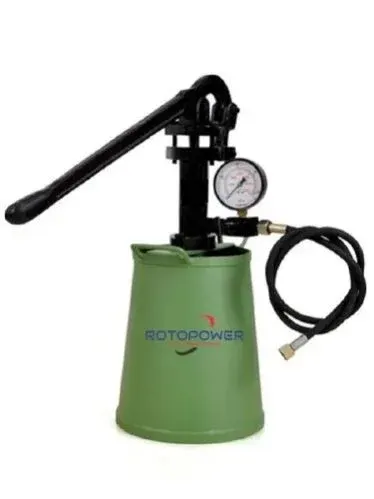
Pumpheads
⚓ Harbor
Pumpheads
Contact
MOQ: 1 Unit
Wireless communication device for petrol station
⚓ Harbor
Wireless communication device for petrol station
Contact
MOQ: 1 Unit
Pts controller over fuel dispensers (pumps)
⚓ Harbor
Pts controller over fuel dispensers (pumps)
Contact
MOQ: 1 Unit

About Techno Trade - Oil Field Machinery and Fuel Station Equipment Supplier in Ukraine

Techno Trade is a Ukraine-based supplier operating across 6 active product listings that sit at the intersection of fuel retail automation, forecourt controller hardware, and back-office software for petrol stations. The catalogue is anchored in oil field and downstream petroleum equipment, specifically the electromechanical and IT layer that sits between the underground storage tank, the dispenser, and the station operator's point-of-sale. Five of the six listings are forecourt-specific, while the sixth (HMS/LMS) extends into hospitality or fuel-station management software, a common adjacent vertical for Ukrainian IT vendors serving the petroleum retail sector. The supplier's listings cover the full functional stack of a modern unattended or semi-attended filling station: pumphead hardware, a PTS-class controller that interfaces with fuel dispensers, a wireless communication device linking forecourt equipment to the back office, the Naftapos station-management software suite, a fuel card management system for loyalty and fleet programmes, and an HMS/LMS module. The grouping reflects a vertically integrated offering typical of regional vendors who bundle proprietary controller electronics with locally developed software, rather than reselling a single global brand such as Gilbarco, Wayne, or Tokheim components in isolation.

Product Range and Specialties of Techno Trade

Techno Trade's catalogue is built around six forecourt and station-management SKUs. The electromechanical layer is represented by pumpheads (the meter-and-nozzle assembly that mounts on a dispenser island) and a PTS controller designed to sit between the dispenser electronics and the station controller, reading pulser data and authorising transactions. The connectivity layer is handled by a wireless communication device for petrol stations, used to link island equipment to the back-office PC without hard-wiring every dispenser. On the software side, the supplier lists Naftapos (a station-management suite commonly deployed across Ukraine, Moldova, and the CIS for wet-stock reconciliation, shift reporting, and price-board control), a fuel card management system for B2B fleet and loyalty programmes, and an HMS/LMS module. Buyers sourcing forecourt automation equipment in this category typically evaluate pumpheads by flow rate (commonly 40 L/min for light vehicles and up to 130 L/min for truck dispensers), meter accuracy class (Class 1.0 or better under OIML R117/R118 for custody transfer), and compatibility with the existing dispenser brand. PTS-class forecourt controllers are usually specified by the number of dispenser channels supported (2, 4, 8, or 16 pumps per controller), supported protocols (Gilbarco, Tokheim, Wayne, Tatsuno, or generic RS-485/IFSF), and whether they integrate with the station's POS via OPOS, OPET, or a proprietary driver. Wireless forecourt communication devices are commonly judged by range (typically 100-300 m line-of-sight), ISM-band frequency (433 MHz or 2.4 GHz), and encryption for payment data. Software products in this space are normally sold as perpetual licences with annual support, and buyers should confirm the database backend (MS SQL, PostgreSQL, or Firebird), the supported fiscal-receipt format for the destination country, and the availability of wet-stock reconciliation against ATG probe data.

Trade and Export Information - Techno Trade

Fuel-station automation equipment from Ukraine is typically exported to neighbouring CIS states (Moldova, Belarus, Kazakhstan, Uzbekistan), the Caucasus (Georgia, Armenia, Azerbaijan), and increasingly to the EU's eastern flank (Romania, Bulgaria, Poland, the Baltics) where independent station owners are replacing legacy dispenser electronics. The relevant HS-code families for this catalogue fall under chapter 84 (machinery, including HS 8413 for pumps and 8471 for automatic data-processing machines used with the controller and software layer) and chapter 85 (electrical equipment, including HS 8517 for the wireless communication device and HS 8537 for the PTS control panel). Pumpheads and dispenser sub-assemblies are generally classified under HS 8413 81 (pumps for liquids, with flow meters) or HS 8413 70 (other centrifugal pumps), while the software itself is supplied as a licensed product, often on a physical USB or download, and is not typically customs-cleared as a separate HS-coded line. Industry-standard requirements for this category include CE marking for any equipment deployed in the European Economic Area (covered by the Machinery Directive 2006/42/EC for the pumphead, the EMC Directive 2014/30/EU for the controller and wireless device, and the Radio Equipment Directive 2014/53/EU for the wireless communication module). Buyers in metrology-regulated markets should also request evidence of pattern approval under OIML R117 (for dispensers) or R118 (for vehicle-mounted metering systems), and verification of MID (Measuring Instruments Directive 2014/32/EU) conformity for any dispenser used for fiscal trade. For the wireless device, buyers should confirm a radio type-approval certificate for the destination country. Software exports are normally delivered electronically with a licence key, EULA, and user manual; physical media should be declared for customs purposes. Standard packaging for the electromechanical items is wooden-crated or palletised cardboard, sized for 20 ft or 40 ft container shipping, with moisture indicators and shock-watch labels common for the controller and pumphead sub-assemblies. Incoterms in this segment are typically EXW, FCA, or DAP, with CIP to landlocked CIS destinations also common.

Sourcing from Techno Trade - Buyer Guidance

Buyers evaluating Techno Trade should request, in writing, the technical datasheet for each of the six SKUs: flow-rate and accuracy class for the pumphead, supported dispenser protocols and channel count for the PTS controller, radio band, range, and encryption standard for the wireless device, and a feature matrix for Naftapos and the fuel card system. A demo licence of the software, ideally time-limited and locked to a test database, is standard practice before any volume purchase. For the electromechanical items, request the CE Declaration of Conformity, the test report from an EU-notified body (or a Ukrainian accredited lab such as UkrTEST), and any pattern-approval certificate relevant to the destination market. Before issuing a purchase order, confirm the firmware version and the language localisation of the software (Ukrainian, Russian, Romanian, English, and Georgian are the most commonly supported in this segment), the warranty term (typically 12 months for hardware, 90 days for software media), and the spare-parts availability for the pumphead and controller. Ask for a reference list of installed stations in the destination country or a comparable market, and where possible arrange a video walk-through of a live site. Lead times for the electromechanical items are typically 2-6 weeks ex-works depending on configuration, while software is usually deliverable within 1-3 business days of payment. Verify the supplier's response time on a sample technical query before committing, as post-installation support for forecourt automation is a major determinant of total cost of ownership.

Frequently Asked Questions About Techno Trade

What types of products does Techno Trade supply for petrol stations?

The catalogue covers six SKUs across forecourt hardware and software: pumpheads, a PTS controller for fuel dispensers, a wireless communication device for petrol stations, the Naftapos station-management software, a fuel card management system, and an HMS/LMS module. Together they address the dispenser, controller, connectivity, and back-office layers of a fuel retail site.

Which HS codes apply to the equipment in this catalogue?

Pumpheads typically fall under HS 8413 81 or 8413 70, the PTS controller under HS 8537 (control panels), the wireless communication device under HS 8517 (telephone sets and apparatus for transmission), and the computer hardware that runs the software under HS 8471. Software licences are usually delivered electronically and are not customs-cleared as a separate line item.

What certifications should I request before ordering forecourt equipment from Techno Trade?

Request a CE Declaration of Conformity covering the Machinery Directive for the pumphead and the EMC and Radio Equipment Directives for the controller and wireless device. For any dispenser used for fiscal trade in the EU, ask for evidence of MID conformity and OIML R117 or R118 pattern approval. For CIS and Caucasus destinations, request GOST-R or EAC (Eurasian Conformity) certification and any local metrology pattern approval.

What specifications matter most when evaluating a PTS controller for fuel dispensers?

Key parameters are the number of dispenser channels supported (commonly 2, 4, 8, or 16), the dispenser protocols accepted (Gilbarco, Tokheim, Wayne, Tatsuno, or generic RS-485/IFSF), the POS integration interface (OPOS, OPET, or a proprietary driver), and the operating temperature range for outdoor cabinet mounting. Confirm the firmware update mechanism and whether the controller supports unattended payment-terminal integration.

What is the typical MOQ and lead time for a pumphead order?

Pumpheads are commonly sold per unit with a typical MOQ of 1 piece for sample or pilot orders, rising to 4-10 units for a full forecourt retrofit. Lead time is usually 2-6 weeks ex-works depending on configuration, flow rate, and whether the pumphead is configured for a specific dispenser brand.

Can the Naftapos and fuel card software be evaluated before purchase?

Request a time-limited demo licence locked to a test database, ideally with sample data for at least one full month of wet-stock reconciliation. Confirm the database backend, the supported fiscal-receipt format for the destination country, and whether the fuel card module supports EMV contactless, magnetic-stripe fleet cards, or both.

How is the wireless communication device for petrol stations typically specified?

Buyers should confirm the ISM-band frequency (433 MHz or 2.4 GHz are the most common), the line-of-sight range (typically 100-300 m), the supported encryption standard for payment data, the number of dispensers that can be linked per base station, and the radio type-approval certificate for the destination country. Outdoor-rated enclosures with IP54 or higher are standard for forecourt deployment.

What packaging and Incoterms are standard for exporting this equipment from Ukraine?

Electromechanical items are normally shipped in wooden crates or on pallets sized for 20 ft or 40 ft containers, with moisture indicators and shock-watch labels on the controller and pumphead. Software is delivered electronically via download with a licence key, EULA, and user manual. Common Incoterms are EXW, FCA, DAP, and CIP, with CIP frequently used for landlocked CIS destinations such as Moldova, Belarus, and Kazakhstan.

About Techno Trade - Oil Field Machinery and Fuel Station Equipment Supplier in Ukraine

Techno Trade is a Ukraine-based supplier operating across 6 active product listings that sit at the intersection of fuel retail automation, forecourt controller hardware, and back-office software for petrol stations. The catalogue is anchored in oil field and downstream petroleum equipment, specifically the electromechanical and IT layer that sits between the underground storage tank, the dispenser, and the station operator's point-of-sale. Five of the six listings are forecourt-specific, while the sixth (HMS/LMS) extends into hospitality or fuel-station management software, a common adjacent vertical for Ukrainian IT vendors serving the petroleum retail sector. The supplier's listings cover the full functional stack of a modern unattended or semi-attended filling station: pumphead hardware, a PTS-class controller that interfaces with fuel dispensers, a wireless communication device linking forecourt equipment to the back office, the Naftapos station-management software suite, a fuel card management system for loyalty and fleet programmes, and an HMS/LMS module. The grouping reflects a vertically integrated offering typical of regional vendors who bundle proprietary controller electronics with locally developed software, rather than reselling a single global brand such as Gilbarco, Wayne, or Tokheim components in isolation.

Product Range and Specialties of Techno Trade

Techno Trade's catalogue is built around six forecourt and station-management SKUs. The electromechanical layer is represented by pumpheads (the meter-and-nozzle assembly that mounts on a dispenser island) and a PTS controller designed to sit between the dispenser electronics and the station controller, reading pulser data and authorising transactions. The connectivity layer is handled by a wireless communication device for petrol stations, used to link island equipment to the back-office PC without hard-wiring every dispenser. On the software side, the supplier lists Naftapos (a station-management suite commonly deployed across Ukraine, Moldova, and the CIS for wet-stock reconciliation, shift reporting, and price-board control), a fuel card management system for B2B fleet and loyalty programmes, and an HMS/LMS module. Buyers sourcing forecourt automation equipment in this category typically evaluate pumpheads by flow rate (commonly 40 L/min for light vehicles and up to 130 L/min for truck dispensers), meter accuracy class (Class 1.0 or better under OIML R117/R118 for custody transfer), and compatibility with the existing dispenser brand. PTS-class forecourt controllers are usually specified by the number of dispenser channels supported (2, 4, 8, or 16 pumps per controller), supported protocols (Gilbarco, Tokheim, Wayne, Tatsuno, or generic RS-485/IFSF), and whether they integrate with the station's POS via OPOS, OPET, or a proprietary driver. Wireless forecourt communication devices are commonly judged by range (typically 100-300 m line-of-sight), ISM-band frequency (433 MHz or 2.4 GHz), and encryption for payment data. Software products in this space are normally sold as perpetual licences with annual support, and buyers should confirm the database backend (MS SQL, PostgreSQL, or Firebird), the supported fiscal-receipt format for the destination country, and the availability of wet-stock reconciliation against ATG probe data.

Trade and Export Information - Techno Trade

Fuel-station automation equipment from Ukraine is typically exported to neighbouring CIS states (Moldova, Belarus, Kazakhstan, Uzbekistan), the Caucasus (Georgia, Armenia, Azerbaijan), and increasingly to the EU's eastern flank (Romania, Bulgaria, Poland, the Baltics) where independent station owners are replacing legacy dispenser electronics. The relevant HS-code families for this catalogue fall under chapter 84 (machinery, including HS 8413 for pumps and 8471 for automatic data-processing machines used with the controller and software layer) and chapter 85 (electrical equipment, including HS 8517 for the wireless communication device and HS 8537 for the PTS control panel). Pumpheads and dispenser sub-assemblies are generally classified under HS 8413 81 (pumps for liquids, with flow meters) or HS 8413 70 (other centrifugal pumps), while the software itself is supplied as a licensed product, often on a physical USB or download, and is not typically customs-cleared as a separate HS-coded line. Industry-standard requirements for this category include CE marking for any equipment deployed in the European Economic Area (covered by the Machinery Directive 2006/42/EC for the pumphead, the EMC Directive 2014/30/EU for the controller and wireless device, and the Radio Equipment Directive 2014/53/EU for the wireless communication module). Buyers in metrology-regulated markets should also request evidence of pattern approval under OIML R117 (for dispensers) or R118 (for vehicle-mounted metering systems), and verification of MID (Measuring Instruments Directive 2014/32/EU) conformity for any dispenser used for fiscal trade. For the wireless device, buyers should confirm a radio type-approval certificate for the destination country. Software exports are normally delivered electronically with a licence key, EULA, and user manual; physical media should be declared for customs purposes. Standard packaging for the electromechanical items is wooden-crated or palletised cardboard, sized for 20 ft or 40 ft container shipping, with moisture indicators and shock-watch labels common for the controller and pumphead sub-assemblies. Incoterms in this segment are typically EXW, FCA, or DAP, with CIP to landlocked CIS destinations also common.

Sourcing from Techno Trade - Buyer Guidance

Buyers evaluating Techno Trade should request, in writing, the technical datasheet for each of the six SKUs: flow-rate and accuracy class for the pumphead, supported dispenser protocols and channel count for the PTS controller, radio band, range, and encryption standard for the wireless device, and a feature matrix for Naftapos and the fuel card system. A demo licence of the software, ideally time-limited and locked to a test database, is standard practice before any volume purchase. For the electromechanical items, request the CE Declaration of Conformity, the test report from an EU-notified body (or a Ukrainian accredited lab such as UkrTEST), and any pattern-approval certificate relevant to the destination market. Before issuing a purchase order, confirm the firmware version and the language localisation of the software (Ukrainian, Russian, Romanian, English, and Georgian are the most commonly supported in this segment), the warranty term (typically 12 months for hardware, 90 days for software media), and the spare-parts availability for the pumphead and controller. Ask for a reference list of installed stations in the destination country or a comparable market, and where possible arrange a video walk-through of a live site. Lead times for the electromechanical items are typically 2-6 weeks ex-works depending on configuration, while software is usually deliverable within 1-3 business days of payment. Verify the supplier's response time on a sample technical query before committing, as post-installation support for forecourt automation is a major determinant of total cost of ownership.

Frequently Asked Questions About Techno Trade
What types of products does Techno Trade supply for petrol stations?
The catalogue covers six SKUs across forecourt hardware and software: pumpheads, a PTS controller for fuel dispensers, a wireless communication device for petrol stations, the Naftapos station-management software, a fuel card management system, and an HMS/LMS module. Together they address the dispenser, controller, connectivity, and back-office layers of a fuel retail site.
Which HS codes apply to the equipment in this catalogue?
Pumpheads typically fall under HS 8413 81 or 8413 70, the PTS controller under HS 8537 (control panels), the wireless communication device under HS 8517 (telephone sets and apparatus for transmission), and the computer hardware that runs the software under HS 8471. Software licences are usually delivered electronically and are not customs-cleared as a separate line item.
What certifications should I request before ordering forecourt equipment from Techno Trade?
Request a CE Declaration of Conformity covering the Machinery Directive for the pumphead and the EMC and Radio Equipment Directives for the controller and wireless device. For any dispenser used for fiscal trade in the EU, ask for evidence of MID conformity and OIML R117 or R118 pattern approval. For CIS and Caucasus destinations, request GOST-R or EAC (Eurasian Conformity) certification and any local metrology pattern approval.
What specifications matter most when evaluating a PTS controller for fuel dispensers?
Key parameters are the number of dispenser channels supported (commonly 2, 4, 8, or 16), the dispenser protocols accepted (Gilbarco, Tokheim, Wayne, Tatsuno, or generic RS-485/IFSF), the POS integration interface (OPOS, OPET, or a proprietary driver), and the operating temperature range for outdoor cabinet mounting. Confirm the firmware update mechanism and whether the controller supports unattended payment-terminal integration.
What is the typical MOQ and lead time for a pumphead order?
Pumpheads are commonly sold per unit with a typical MOQ of 1 piece for sample or pilot orders, rising to 4-10 units for a full forecourt retrofit. Lead time is usually 2-6 weeks ex-works depending on configuration, flow rate, and whether the pumphead is configured for a specific dispenser brand.
Can the Naftapos and fuel card software be evaluated before purchase?
Request a time-limited demo licence locked to a test database, ideally with sample data for at least one full month of wet-stock reconciliation. Confirm the database backend, the supported fiscal-receipt format for the destination country, and whether the fuel card module supports EMV contactless, magnetic-stripe fleet cards, or both.
How is the wireless communication device for petrol stations typically specified?
Buyers should confirm the ISM-band frequency (433 MHz or 2.4 GHz are the most common), the line-of-sight range (typically 100-300 m), the supported encryption standard for payment data, the number of dispensers that can be linked per base station, and the radio type-approval certificate for the destination country. Outdoor-rated enclosures with IP54 or higher are standard for forecourt deployment.
What packaging and Incoterms are standard for exporting this equipment from Ukraine?
Electromechanical items are normally shipped in wooden crates or on pallets sized for 20 ft or 40 ft containers, with moisture indicators and shock-watch labels on the controller and pumphead. Software is delivered electronically via download with a licence key, EULA, and user manual. Common Incoterms are EXW, FCA, DAP, and CIP, with CIP frequently used for landlocked CIS destinations such as Moldova, Belarus, and Kazakhstan.

Techno Trade
Country flag Ukraine
⚓ HarborAgriculture & Food
55/100
Trust Score
6
Products
✓ Free to contact — no commission
✓ Escrow payment available
✓ Verified business identity
Compare more suppliers
Post a requirement — get 10 quotes free
Let verified suppliers compete for your business. Free, fast, no commitment.
Due Diligence
Verify this supplier's real shipping history.
Every shipment, every buyer, every port. Trade data that can't be faked.
Run due diligence →
Discover More

Related Suppliers & Products

Explore similar suppliers, related products and trending categories

Other Suppliers in Oil Field Machinery & Equipments

Top Trusted Suppliers

Related Products in Oil Field Machinery & Equipments

Trending in Parent Category

More Suppliers in Parent Category

Stay ahead in global trade
Weekly market insights & new supplier alerts.
EximNext
Exim Next is a leading global B2B marketplace, connecting over 220,000 registered suppliers and buyers across 200+ countries. As a trusted import export marketplace, it serves as the essential B2B portal for businesses worldwide, empowering them to expand their international reach. With Exim Next, businesses can trade smarter and grow faster.
SECURE PAYMENTS
VISAMastercardPayPalSWIFTL/CEscrow
Follow us
© 2026 EximNext