Taizhou Ats Optical Material Co., Ltd. — Supplier
About Taizhou Ats Optical Material Co., Ltd. - Chemicals & Allied Products Supplier in China
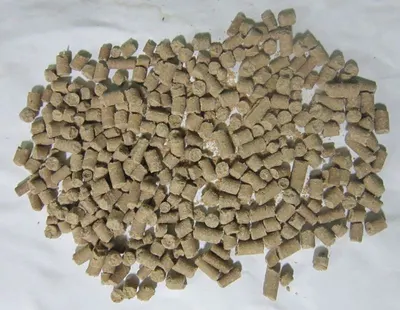
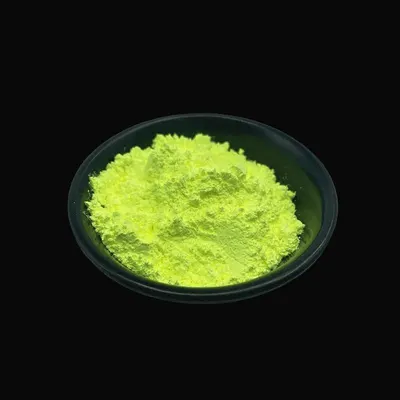
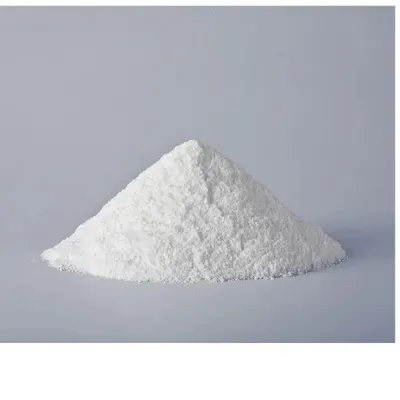
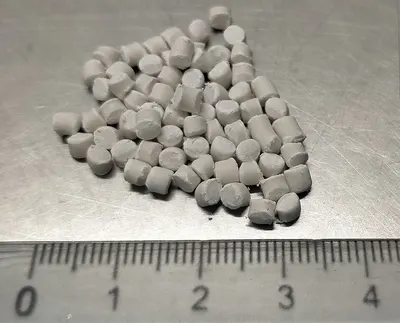
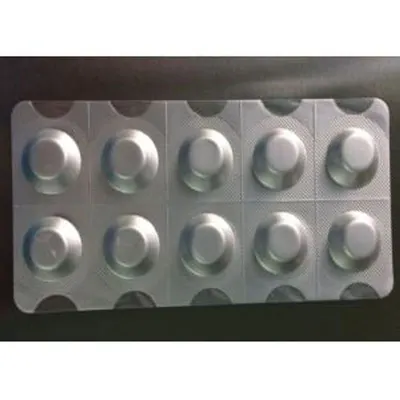
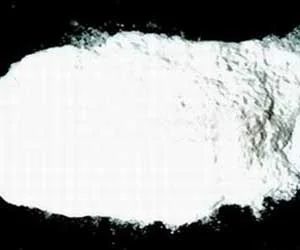
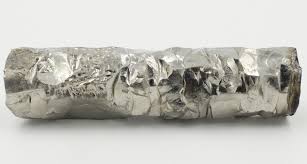
Taizhou Ats Optical Material Co., Ltd. is based in China and currently lists eleven active products in its catalogue. The catalogue spans the Chemicals & Allied Products and Agriculture categories, focusing on high‑purity optical and semiconductor materials. Key items include a 4N ZnSe zinc selenide laser lens blank (HS 9001.90) and an Indium Tin Oxide sinter tablet with 99.99 % purity (HS 2821.90). Other listed materials are a 99.99 % aluminum oxide sinter tablet (HS 2818.10), a zinc sulfide tablet (HS 2830.30), and a tantalum pentoxide granule (HS 2825.90). Additional products such as titanium dioxide sinter tablets (HS 2823.00), magnesium fluoride crystal, silicon dioxide crystal granule, and zirconium dioxide sinter tablet are provided without HS codes in the data.
All listed compounds are specified at 99.99 % purity (often referred to as 4N grade), a level required for laser optics, thin‑film deposition and advanced ceramics. The ZnSe and ZnS tablets are commonly used as substrates for infrared laser lenses and windows, while ITO sinter tablets serve as transparent conductive layers in display and photovoltaic modules. Aluminum oxide and zirconium dioxide sinter tablets are typical feedstock for high‑temperature ceramic components and wear‑resistant coatings. Titanium dioxide and magnesium fluoride crystals are employed in antireflective coatings and UV optics respectively. These materials align with standard specifications such as ISO 9001 for manufacturing consistency and are often shipped in moisture‑controlled containers to preserve optical quality.
Product Range and Specialties of Taizhou Ats Optical Material Co., Ltd.
The supplier’s catalogue includes polycrystalline ZnSe laser lens blanks, high‑purity Indium Tin Oxide (ITO) sinter tablets, zinc sulfide tablets, aluminum oxide sinter tablets, tantalum pentoxide granules, titanium dioxide sinter tablets, silicon dioxide crystal granules, magnesium fluoride crystals and zirconium dioxide sinter tablets. Each product is described by its chemical composition and a typical purity of 99.99 % (4N).
In the broader optics and advanced materials market, 4N grade ZnSe and ZnS are standard for infrared transmission windows, with specifications such as refractive index ~2.4 at 10 µm and transmission >90 % in the 0.6‑12 µm range. ITO feedstock is usually required to meet sheet resistance below 10 Ω/sq after sintering and optical transmittance above 85 % in the visible range. Aluminum oxide (Al₂O₃) and zirconium dioxide (ZrO₂) sinter tablets are often supplied in particle size distributions of 5‑20 µm for ceramic pressing. TiO₂ sinter tablets are graded by anatase/rutile phase content and used for pigment or photocatalytic applications. Typical certifications requested for these materials include ISO 9001, Material Safety Data Sheet (MSDS), and analytical certificates confirming purity and particle size.
Trade and Export Information - Taizhou Ats Optical Material Co., Ltd.
China is a major exporter of high‑purity optical and semiconductor‑grade chemicals, with shipments frequently directed to Europe, North America and Southeast Asia for use in laser systems, display manufacturing and advanced ceramics. HS 9001‑9002 covers optical lenses and blanks, while HS 2820‑2830 families cover inorganic chemicals and mineral products; customs authorities often require a Certificate of Origin and an analytical test report for purity verification. Buyers usually request compliance with REACH (EU) or TSCA (US) regulations, and many importers ask for third‑party inspection reports such as SGS or Bureau Veritas before release. Standard logistics involve containerized transport in sealed, low‑humidity packs, with Incoterms like FOB Tianjin or CIF Shanghai commonly used for these high‑value, low‑volume items.
Export documentation typically includes a commercial invoice, packing list, Bill of Lading, and a Material Safety Data Sheet. For laser‑grade ZnSe and ZnS, buyers may also request a photometric performance certificate confirming transmission and refractive index. The Chinese export framework encourages the use of electronic customs declarations, and many suppliers work with freight forwarders experienced in handling hazardous or controlled chemicals to ensure compliance with both Chinese and destination country regulations.
Sourcing from Taizhou Ats Optical Material Co., Ltd. - Buyer Guidance
When evaluating Taizhou Ats Optical Material Co., Ltd., buyers should request the latest analytical certificate that details purity, particle size distribution and any residual moisture for each sinter tablet or crystal. Samples are usually supplied in sealed, desiccated containers; a pre‑shipment sample of at least 10 g for tablet materials or a 5 mm crystal piece for optical blanks is standard practice to verify optical and physical properties before a full order.
Verification of compliance with REACH, RoHS or other destination‑specific chemical regulations should be confirmed through a signed declaration from the supplier. Typical minimum order quantities range from 1 kg for bulk powders to a single lens blank for prototype work, with lead times of 15‑30 days after receipt of a confirmed purchase order and required test reports.
Frequently Asked Questions About Taizhou Ats Optical Material Co., Ltd.
What product grades does Taizhou Ats Optical Material Co., Ltd. list for ZnSe and ZnS?
The catalogue specifies 4N (99.99 %) purity for both ZnSe laser lens blanks and ZnS tablets, which matches the industry grade used for infrared optics.
Which HS codes are associated with the listed optical materials?
ZnSe laser lens blanks are classified under HS 9001.90, Indium Tin Oxide tablets under HS 2821.90, Aluminum Oxide tablets under HS 2818.10, Zinc Sulfide tablets under HS 2830.30, Tantalum Pentoxide granules under HS 2825.90, and Titanium Dioxide tablets under HS 2823.00.
What certifications should a buyer request for these high‑purity chemicals?
Buyers should ask for an ISO 9001 quality management certificate, an analytical purity certificate, and any relevant REACH or TSCA compliance statements.
How are the sinter tablets typically packaged for export?
Sinter tablets are usually packed in moisture‑proof, anti‑static sealed bags within a rigid outer box, and the boxes are placed on a pallet wrapped in shrink film to protect against humidity and mechanical damage during container transport.
What is a common lead time for a full container order of these materials?
Suppliers in China generally quote a lead time of 15 to 30 days after order confirmation, depending on the material and whether a third‑party inspection report is required.
Are samples available before placing a large order?
Yes, sample quantities such as a 10 g tablet batch or a single crystal blank can be provided on request, allowing buyers to test optical transmission, refractive index and purity before committing to larger volumes.
Which markets typically import these optical‑grade chemicals from China?
Major import markets include the United States, Germany, Japan and South Korea, where the materials are used in laser manufacturing, display production and advanced ceramic components.
What documentation is needed for customs clearance of the listed chemicals?
Customs usually requires a commercial invoice, packing list, Bill of Lading, Certificate of Origin, Material Safety Data Sheet and the analytical purity certificate for each product.




 , China