Taiwan K-Lite Industry Co., Ltd. — Verified Supplier
About Taiwan K-Lite Industry Co., Ltd. - Automobile Bulbs, Lights & Lamps Supplier in Taiwan
Taiwan K-Lite Industry Co., Ltd. is based in Taiwan and currently lists six distinct automotive lighting products. The catalogue covers items classified under HS 8512.20 for vehicle lamps, HS 8708.29 for vehicle reflectors, and HS 9405.40/9405.41 for lighting components, indicating a focus on both exterior lighting assemblies and ancillary optical parts. Materials reported include polycarbonate lenses, ABS housings, optical‑grade PMMA, borosilicate glass composites, and vacuum‑metallized aluminum coatings, reflecting a mix of polymer and glass technologies used in vehicle lighting.
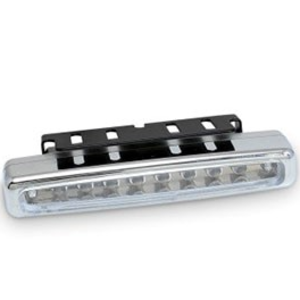
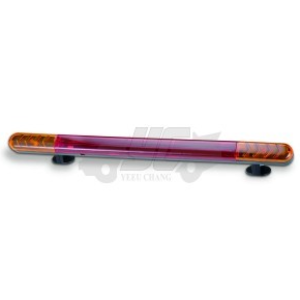
The product set comprises a truck and bus tail light with reflector (two listings), a reflex unit, a standalone truck and bus reflector, an LED headlight, and a combined tail/third‑stop light with reflex. Each item specifies its primary material construction and, where provided, the corresponding HS code. The LED headlight uses Osram 3 W × 7 chips in a metal housing, while the reflector products employ optical‑grade acrylic or polycarbonate lenses paired with metallic reflective layers. These entries collectively illustrate the supplier’s focus on exterior lighting solutions for heavy‑duty vehicles.
Product Range and Specialties of Taiwan K-Lite Industry Co., Ltd.
The catalogue lists six items: two variants of truck and bus tail lights with reflectors (HS 8512.20, polycarbonate lens/ABS housing), a reflex unit (HS 9405.41, optical‑grade PMMA/borosilicate glass), a truck and bus reflector (HS 8708.29, acrylic PMMA or polycarbonate with vacuum‑metallized aluminum), an LED headlight (HS 9405.40, LED module with metal housing and polycarbonate lens), and a combined tail/third‑stop light with reflex (HS 8512.20, ABS housing with PMMA lens). In the automotive lighting industry, tail‑lamp lenses are typically made from high‑impact polycarbonate meeting ISO 16396, while reflectors use vacuum‑metallized aluminum to achieve ≥ 90 % reflectivity as required by ECE R48. LED headlamps for trucks commonly use 3 W chips arranged to deliver 300 - 500 lumens per lamp, with colour temperatures around 6000 K and IP65 ingress protection. Optical‑grade PMMA or borosilicate glass in reflex units is selected for its high transmittance (> 92 %) and thermal stability up to 150 °C.
Trade and Export Information - Taiwan K-Lite Industry Co., Ltd.
Taiwan is a major exporter of automotive lighting components, with shipments typically destined for OEMs and aftermarket distributors in Southeast Asia, Europe, and North America. HS 8512.20 covers vehicle lamps, HS 8708.29 covers vehicle parts such as reflectors, and HS 9405 series covers lighting fittings; customs authorities often request CE marking, ECE type‑approval certificates, and RoHS compliance for these codes. Buyers usually require test reports for photometric performance (luminous flux, colour temperature), impact resistance (ISO 16750‑2), and vibration durability (ISO 16750‑3). Export logistics from Taiwan frequently use FOB Kaohsiung or FOB Taipei, with standard 20‑ft containers holding roughly 200‑250 tail‑lamp assemblies, packed in double‑wall cartons with anti‑static liners.
Sourcing from Taiwan K-Lite Industry Co., Ltd. - Buyer Guidance
When sourcing from Taiwan K-Lite Industry Co., Ltd., request material data sheets confirming polycarbonate grade, UV‑stabilisation additives, and the thickness of reflective coatings. Ask for CE or ECE type‑approval certificates, RoHS compliance statements, and independent photometric test reports that detail luminous intensity, beam pattern, and colour temperature. Verify the LED module specifications (chip type, wattage, thermal management) and request a functional sample before confirming bulk orders to ensure compliance with automotive standards such as ISO 26262 for functional safety.
Frequently Asked Questions About Taiwan K-Lite Industry Co., Ltd.
What HS codes apply to the tail lights and reflectors offered by Taiwan K-Lite?
The tail lights with reflector are classified under HS 8512.20, the standalone reflector under HS 8708.29, and the LED headlight and reflex units under HS 9405.40/9405.41 respectively.
Which material standards should I verify for the polycarbonate lenses?
Buyers should confirm that the polycarbonate meets ISO 16396 impact‑resistance requirements and includes UV‑stabilisation additives for outdoor durability.
What certifications are typically required for automotive lighting from Taiwan?
Typical certifications include CE marking, ECE type‑approval (e.g., ECE R48 for reflectors), RoHS compliance, and ISO 9001 quality management; request the specific certificates from the supplier.
How is the vacuum‑metallized coating on the reflectors verified?
Verification is usually done through reflectivity testing that demonstrates ≥ 90 % reflectivity across the visible spectrum, documented in a test report.
What are the common performance specs for the LED headlight modules?
Standard specs include 3 W × 7 Osram chips, total luminous flux of 300 - 500 lumens per lamp, colour temperature around 6000 K, and IP65 ingress protection.
What packaging and container capacity should I expect for bulk orders?
Products are typically packed in double‑wall cartons with anti‑static liners; a 20‑ft container can hold approximately 200‑250 tail‑lamp assemblies, depending on carton dimensions.
Which test reports should I request before placing a large order?
Request photometric reports (luminous flux, beam pattern), impact resistance (ISO 16750‑2), vibration durability (ISO 16750‑3), and thermal cycling results for LED modules.
Are there any specific import regulations for these lighting parts in the EU?
EU imports of automotive lighting generally require CE marking, conformity with the relevant ECE regulations, and a Declaration of Conformity that references the applicable harmonised standards.




 , Taiwan