Syntony Trade International — Verified Supplier
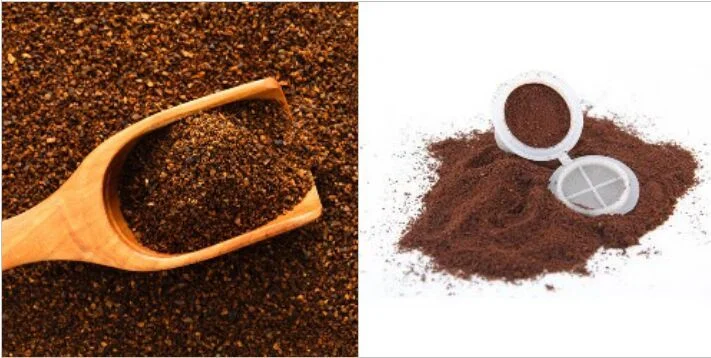
About Syntony Trade International - Ground Coffee Supplier in Brazil
Based in Brazil, Syntony Trade International lists seven active products in its catalogue. The supplier is classified as an imported tier with a harbor trust rating. Its product list includes coffee, cashew nuts, Brazilian nuts, soybean oil, spreads, biscuits and cachaça. Each item is presented under the broader categories of ground coffee, oil seeds, confectionery and beverages. The catalogue reflects the diversity of Brazilian agricultural and food processing outputs.
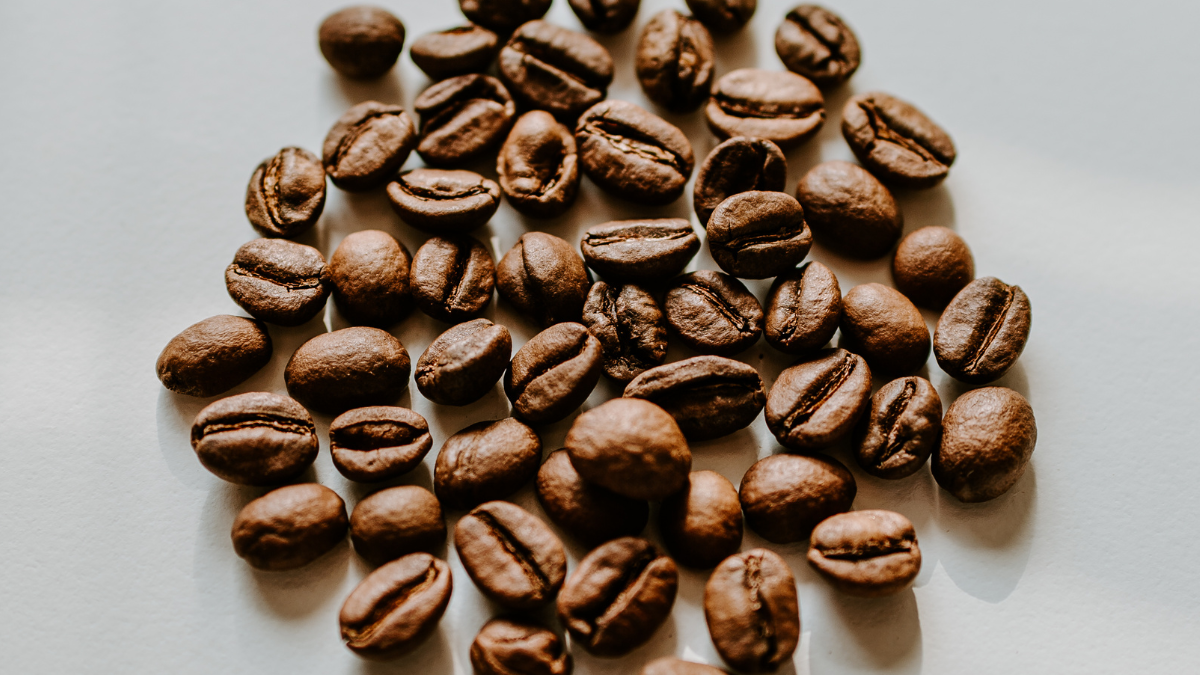
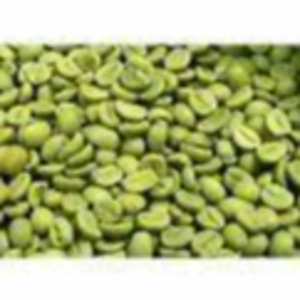
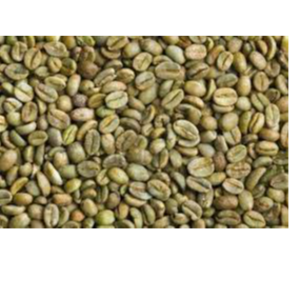
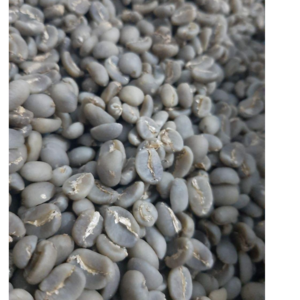
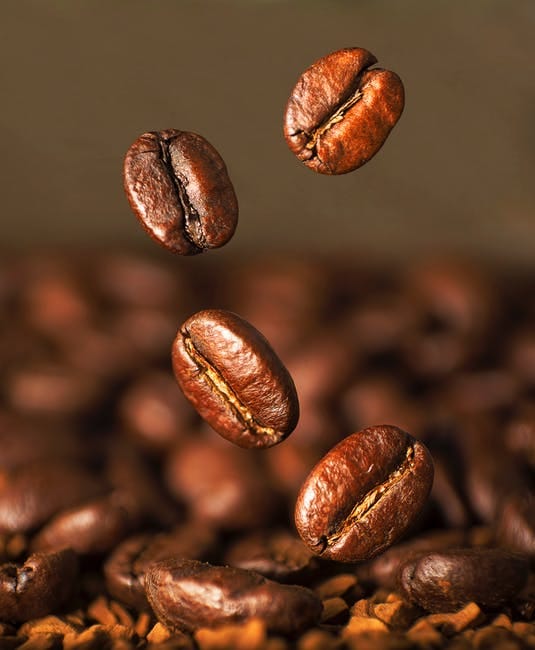
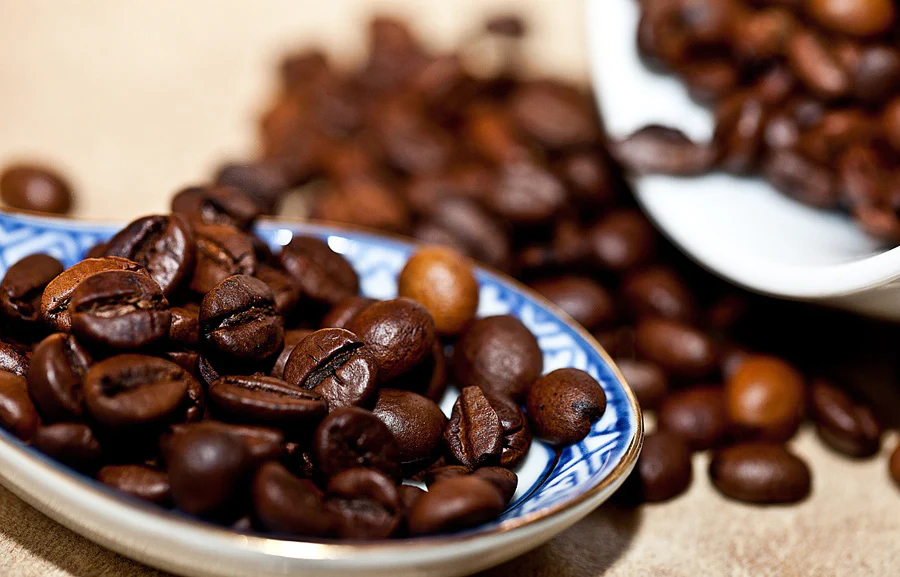
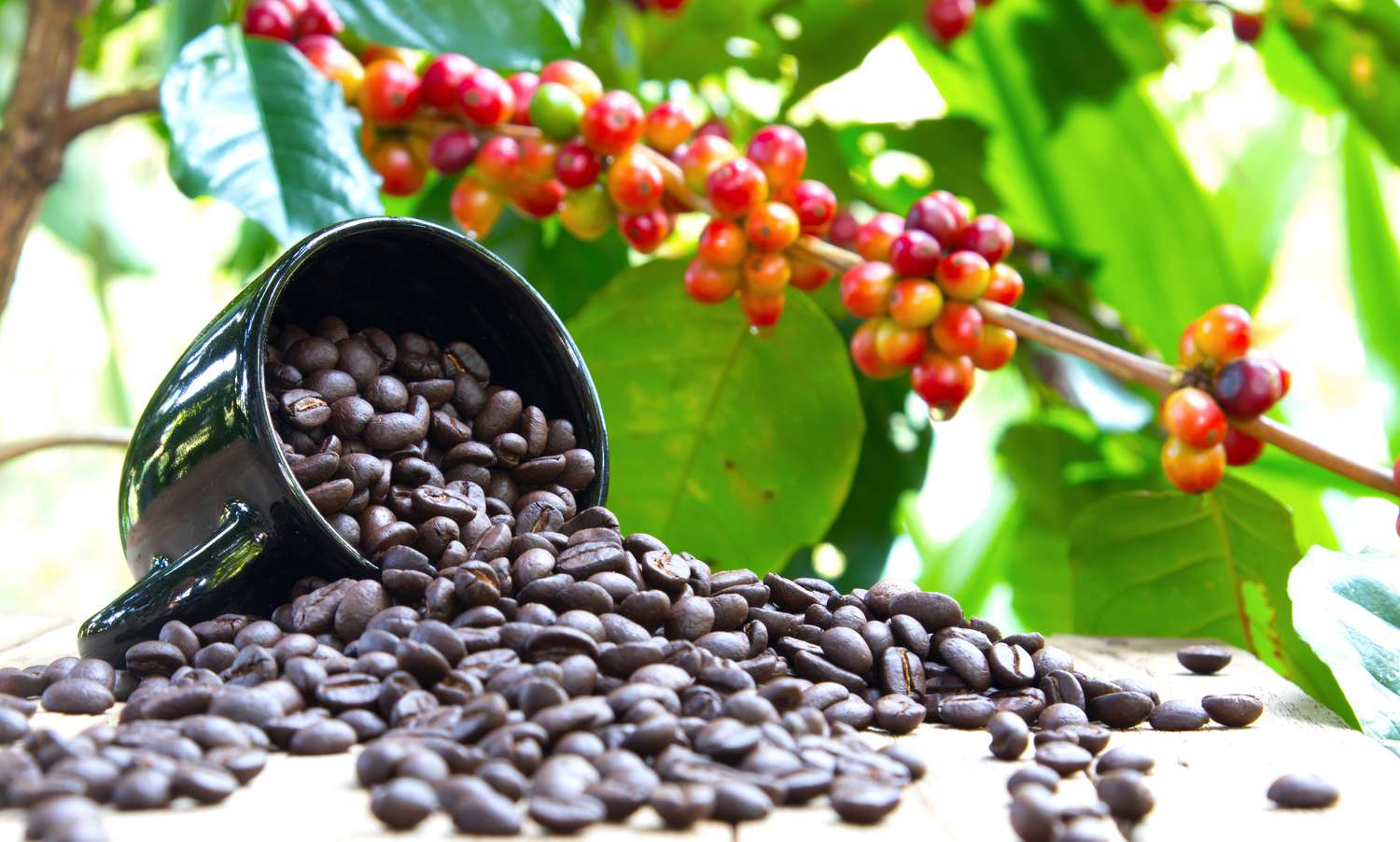
The coffee entry refers to unroasted beans that fall under the ground coffee category commonly traded from Brazil. Nut entries cover both cashew kernels and Brazilian nuts, which are typically exported as shelled or partially shelled kernels. Soybean oil is listed as a bulk edible oil, while spreads correspond to fruit‑based jams and jelly products. Biscuits are described as baked snack items, and cachaça is a sugar‑cane spirit produced in Brazil. All products are identified by their respective HS‑code families used in international trade, although specific codes are not disclosed in the supplier data.
Product Range and Specialties of Syntony Trade International
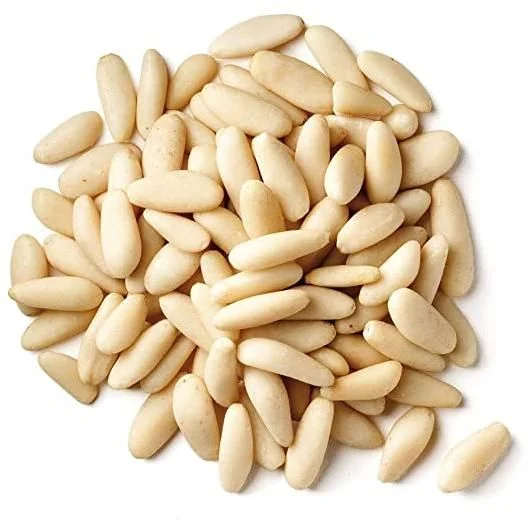
Syntony Trade International’s catalogue lists coffee, cashew nuts, Brazilian nuts and soybean oil. In the coffee segment, Brazil typically supplies Arabica beans graded by screen size (e.g., 12‑15 mm) with moisture below 12 % and defect count under 5 % per 300 g sample. Cashew and Brazilian nuts are usually offered in Grade A (full‑size kernels, ≤5 % moisture, ≤0.5 % shell fragments) and are packed in 25 kg polypropylene bags or 1 ton bulk containers. Soybean oil is presented as refined, edible oil meeting free fatty acid limits of ≤0.1 % and an iodine value around 110 - 120, commonly shipped in 200 L steel drums or 20 ft containers.
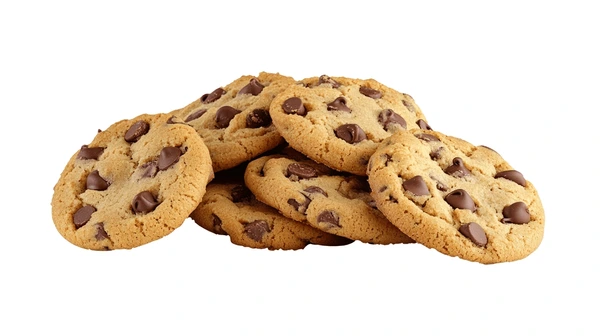
The spreads category corresponds to fruit‑based jams and jelly products that are typically standardized by soluble solids (Brix) of 55 - 65 % and pH between 3.2 and 3.8. Biscuits are dry baked goods usually produced in 200 g to 500 g packs, with water activity below 0.55 to ensure shelf stability. Cachaça is a distilled sugar‑cane spirit with an alcoholic strength of 38 - 48 % ABV, often bottled in 0.7 L glass or 1 L PET containers. These product specifications align with common export requirements for Brazilian food and beverage items.
Trade and Export Information - Syntony Trade International
Brazil is the world’s largest exporter of coffee and a major source of cashew kernels, soybean oil and sugar‑cane spirits. Buyers in the European Union, United States and Asia frequently import these commodities under HS‑chapter 09, 08, 15 and 22 headings, respectively, and they usually request certifications such as ISO 22000, HACCP, and where applicable organic or fair‑trade documents. Shipping is typically arranged on FOB terms from ports such as Santos, with cargo consolidated in 20‑ft or 40‑ft containers for coffee bags, nuts, and biscuits, while bulk oil is moved in drums or ISO‑standard tank containers. Brazilian exporters often provide phytosanitary certificates and commodity‑specific analysis reports to satisfy customs and quality inspections in destination markets.
Sourcing from Syntony Trade International - Buyer Guidance
Prospective buyers should request a product data sheet that includes moisture content, grain size or bean screen size, oil free fatty acid level, Brix for spreads and alcohol by volume for cachaça. Laboratory test reports confirming compliance with food safety standards (e.g., pesticide limits, aflatoxin levels for nuts) are standard documents to verify before placing an order. It is advisable to obtain a phytosanitary certificate and, where required, a certificate of origin to facilitate customs clearance. Samples can be requested in 1 kg coffee bags, 5 kg nut bags or 2 L oil drums to assess quality before finalizing quantities.
Frequently Asked Questions About Syntony Trade International
What product categories does Syntony Trade International offer?
The supplier lists coffee (green beans), cashew nuts, Brazilian nuts, soybean oil, fruit spreads, biscuits and cachaça, covering ground coffee, oil seeds, confectionery and alcoholic beverage segments.
How can a buyer obtain a sample of the coffee or nuts?
Samples are typically provided in 1 kg sealed bags for coffee and 5 kg bags for cashew or Brazilian nuts, shipped on an EXW basis after the buyer confirms shipping address and covers freight.
Which certifications should a buyer request for these products?
Buyers normally ask for ISO 22000 or HACCP food safety certificates, a phytosanitary certificate, and, if needed, organic or fair‑trade certificates that match the destination market’s import requirements.
What are the usual minimum order quantities (MOQ) for the listed items?
MOQs are generally 20 metric tons for coffee, 10 metric tons for nuts, 5 metric tons for soybean oil, and 2 metric tons for spreads and biscuits; cachaça is often sold in cases of 6 × 0.7 L bottles with a minimum of 5 cases.
What packaging formats are used for export?
Coffee is packed in 60 kg jute bags, nuts in 25 kg polypropylene bags, soybean oil in 200 L steel drums, spreads in 20 kg food‑grade containers, biscuits in 500 g cartons, and cachaça in 0.7 L glass bottles or 1 L PET containers.
Which Incoterms are commonly applied to shipments from Brazil?
Exporters usually operate on FOB Santos or CIF to the buyer’s destination port, allowing the buyer to arrange onward freight and insurance as required.
What documentation is needed for customs clearance in the EU or US?
Required documents typically include a commercial invoice, packing list, certificate of origin, phytosanitary certificate, and any food‑safety certificates (ISO 22000/HACCP) that the importing country mandates.




 , Brazil