Suryanu Enterprises — Supplier
About Suryanu Enterprises - Coconut By-Products Supplier in India
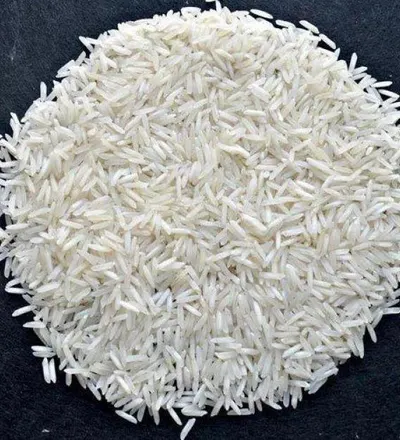
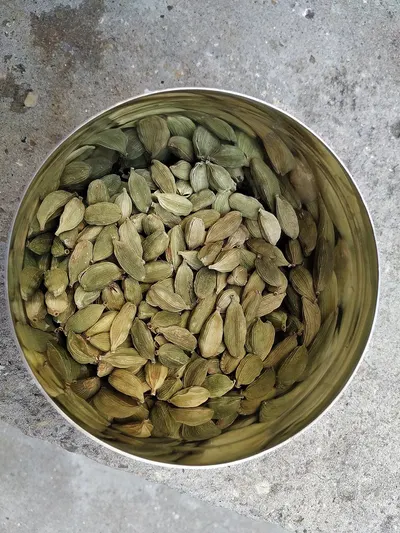
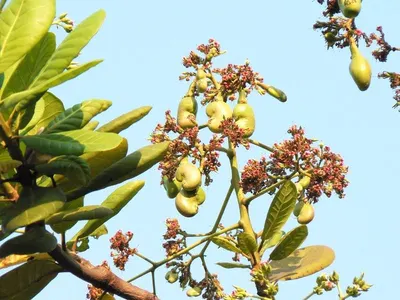
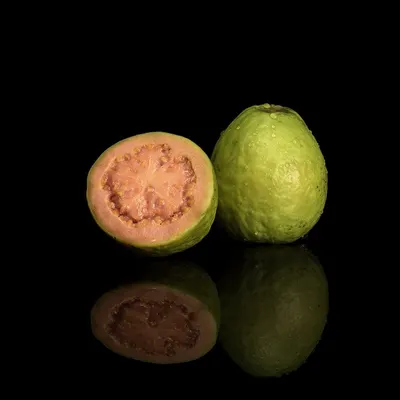
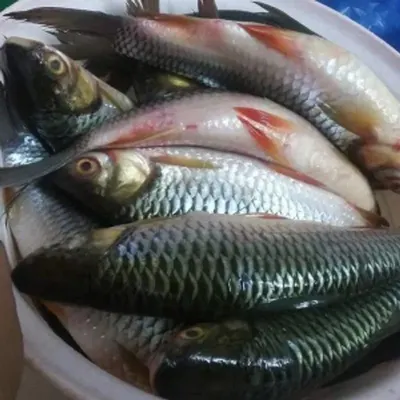
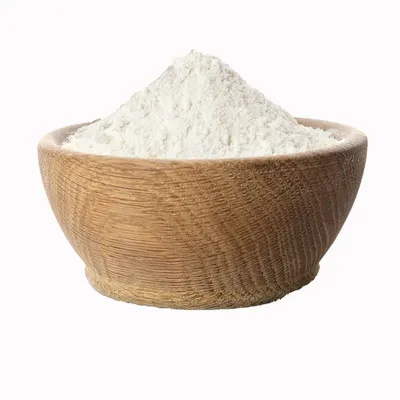
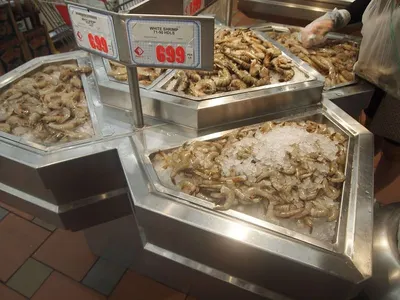
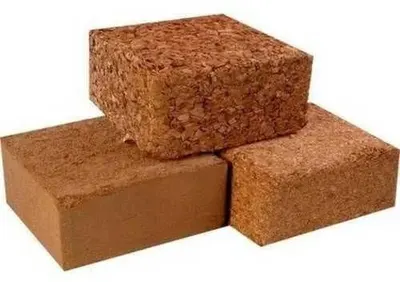
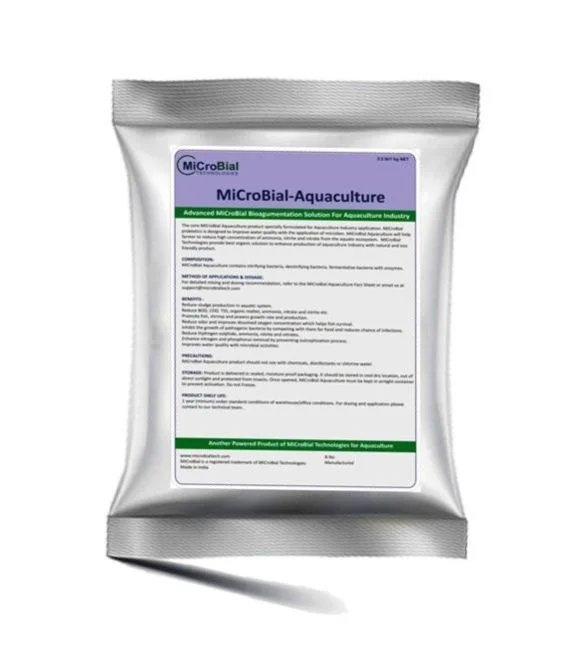
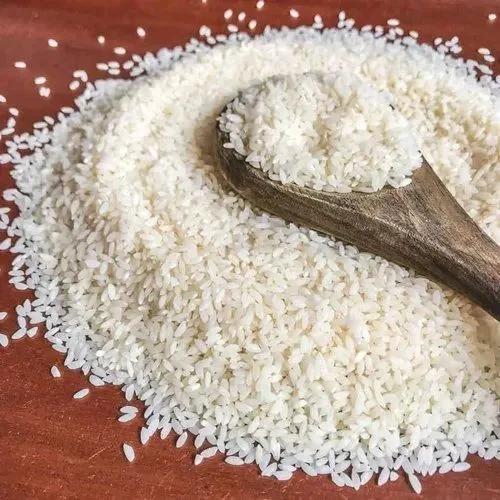
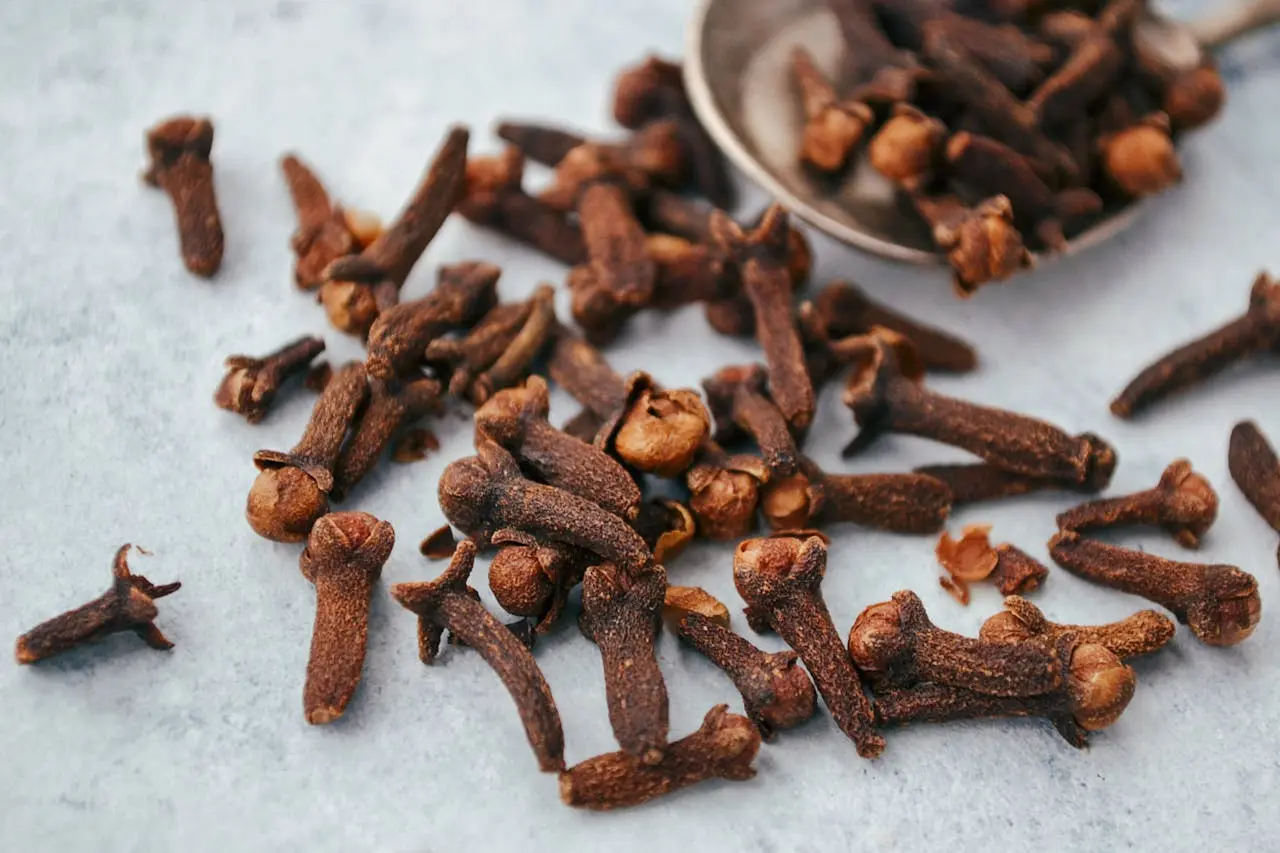
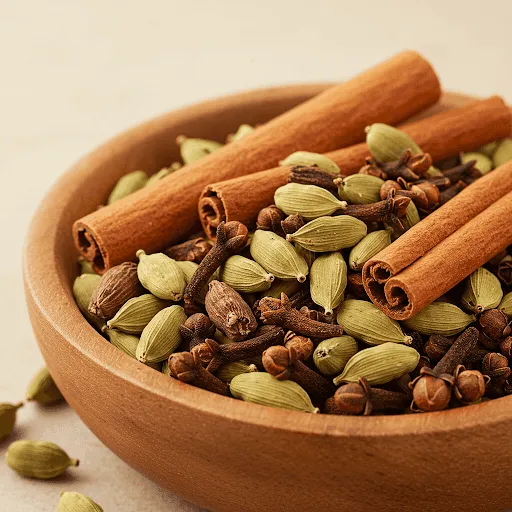
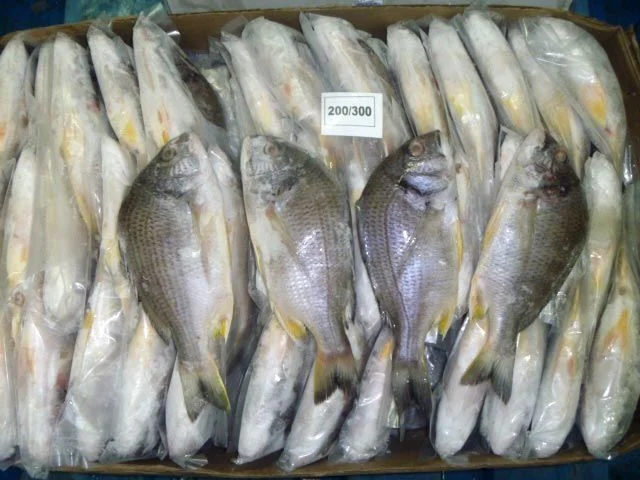
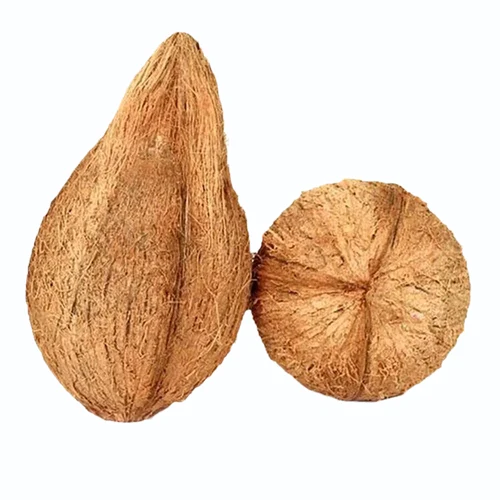
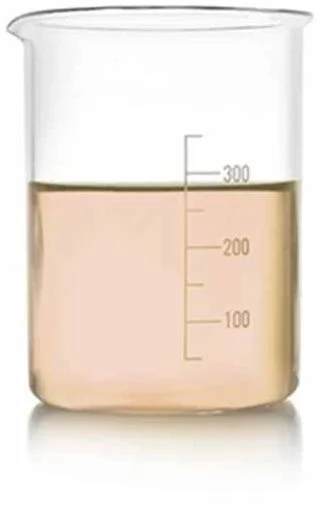
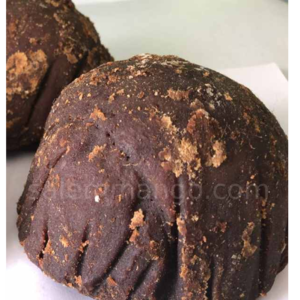
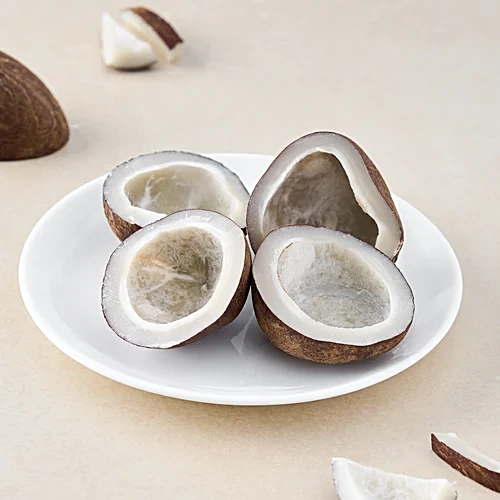
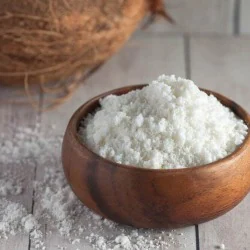
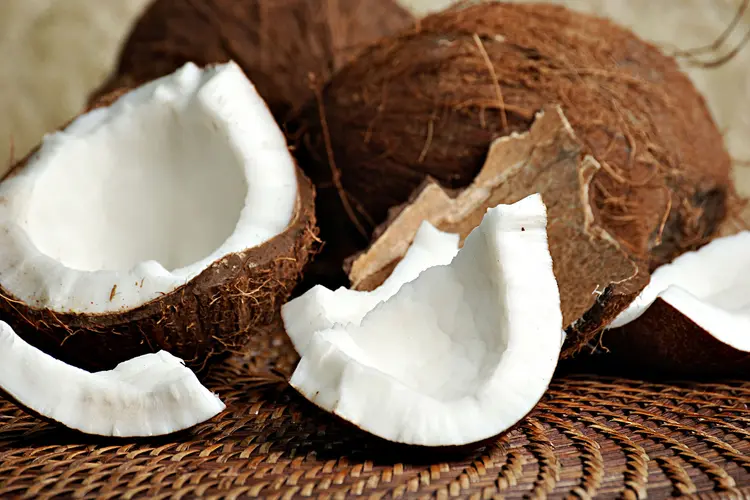
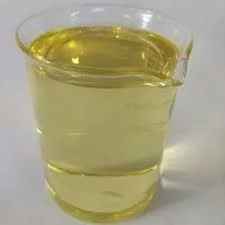
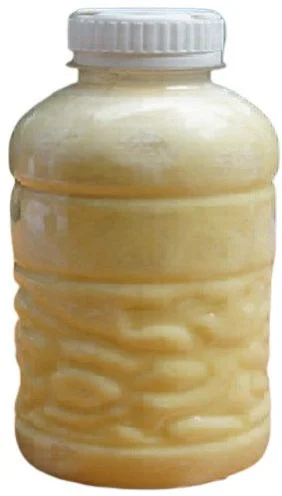
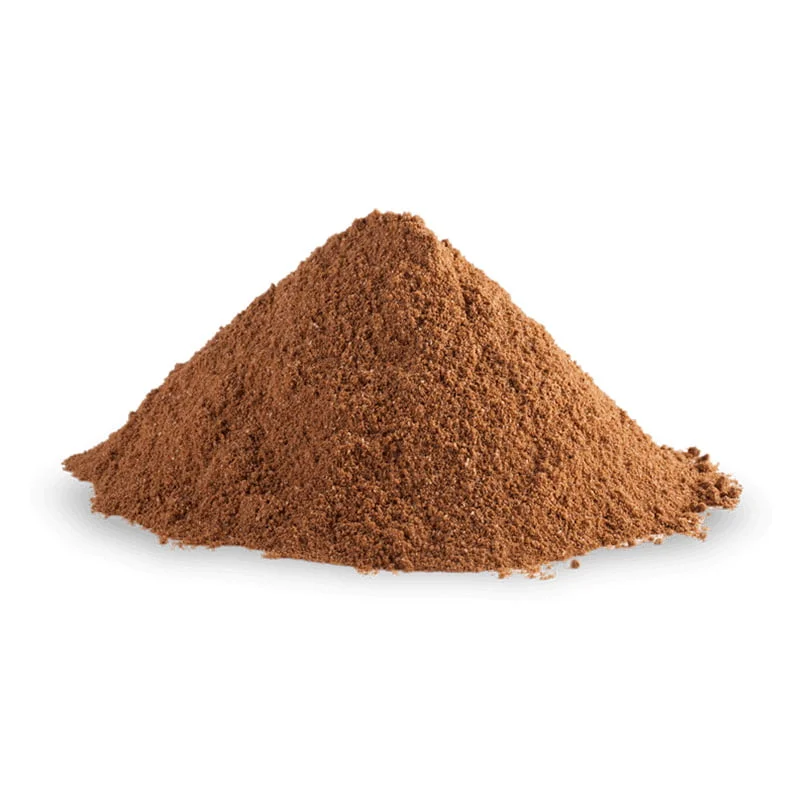
India hosts Suryanu Enterprises, a supplier that currently lists 20 distinct products across its catalogue. The portfolio covers a full spectrum of coconut by‑products - including semi‑husked and fully husked coconuts, copra, virgin coconut oil, flakes, sugar, coir, activated charcoal, shell, peat and dessicated powder - plus fresh shrimp, aquaculture bacterial cultures (HS 2309.90), Rohu fish, guava, cashew nuts (grades W320 and W240), green cardamom (8 mm), black pepper (8 mm), cloves (Zan Zibar) and assorted rice varieties. Each entry is identified by its product name and, where provided, the relevant HS‑code family. The supplier’s catalogue therefore spans multiple HS chapters, from 0804 for coconut kernels to 0306 for shrimp and 0905 for cardamom.
The listing does not include any claimed certifications, revenue figures or employee numbers, focusing purely on the product range. Buyers can see that the company offers both raw agricultural commodities and processed coconut derivatives, allowing sourcing decisions that match specific grade or form requirements. The presence of a mixed bacterial culture under HS 2309.90 indicates activity in the aquaculture feed sector as well as traditional food commodities.
Product Range and Specialties of Suryanu Enterprises
Suryanu Enterprises’ catalogue presents twenty items that fall into three broad groups: coconut derivatives, seafood/aquaculture inputs and other agricultural commodities. Coconut products range from whole kernels (semi‑husked and fully husked) to processed forms such as copra, virgin coconut oil, flakes, sugar, coir fiber, activated charcoal, shell, peat and dessicated powder, each typically shipped in bulk bags or containerized pallets. In the coconut oil market, buyers usually specify free fatty acid levels below 0.5 % and iodine values around 6‑7, while coconut sugar is often graded by ICUMSA standards (e.g., ICUMSA 45 for premium white sugar). Activated charcoal is evaluated by iodine number (800‑1200 mg/g) and adsorption capacity. Shrimp and Rohu fish are commonly classified by size and freshness, with standard moisture limits of 70‑75 % for frozen shrimp. Spices such as green cardamom, black pepper and cloves are graded by pod length (8 mm) and moisture content (< 12 %). Cashew nuts W320 and W240 refer to kernel size grades used in international trade.
Trade and Export Information - Suryanu Enterprises
India is a major exporter of coconut products to the Middle East, the European Union and North America, with HS chapter 08 covering most coconut kernels and sugars, chapter 15 covering coconut oil, and chapter 38 covering activated charcoal. Typical importers require certifications such as FSSAI registration, ISO 22000 or HACCP for food safety, and phytosanitary certificates for live seafood. Aquaculture bacterial cultures under HS 2309.90 are usually shipped in sealed containers with a Certificate of Origin and a microbial safety report. Shipping formats follow standard containerization: 20 ft or 40 ft containers for bulk coconut goods, refrigerated containers (reefers) for shrimp and fish, and wooden pallets for spices. Incoterms most often used are FOB or CIF, with buyers arranging further inland transport.
Sourcing from Suryanu Enterprises - Buyer Guidance
When sourcing from Suryanu Enterprises, buyers should request a product specification sheet that details moisture content, free fatty acid (for oil), iodine number (for oil and sugar), particle size (for coir and flakes) and microbial limits (for shrimp and aquaculture cultures). Laboratory test reports confirming compliance with Codex limits for pesticide residues (spices) and heavy metals (coconut products) are standard due diligence. Verify that the supplier can provide the necessary phytosanitary certificate for shrimp and fish, and a Certificate of Analysis for the bacterial culture, including strain identification and viable count. Confirm packaging details - e.g., 25 kg bags for charcoal, bulk bags for coconut kernels, or insulated reefers for seafood - to ensure compatibility with your logistics chain.
Frequently Asked Questions About Suryanu Enterprises
What product categories does Suryanu Enterprises offer?
They list 20 items covering coconut derivatives (semi‑husked and fully husked coconuts, copra, virgin coconut oil, flakes, sugar, coir, activated charcoal, shell, peat, dessicated powder), shrimp, an aquaculture bacterial culture (HS 2309.90), Rohu fish, guava, cashew nuts (W320, W240), green cardamom (8 mm), black pepper (8 mm), cloves (Zan Zibar) and various rice types.
Which HS codes are relevant for the listed products?
Relevant Indian export codes include 0804 for husked coconuts, 0804.20 for copra, 1515 for virgin coconut oil, 0805 for coconut sugar, 3801 for activated charcoal, 0306 for shrimp, 0302 for Rohu fish, 0805.20 for guava, 0802 for cashew nuts, 0905 for cardamom, 0906 for pepper, 0808 for cloves, 1006 for rice, and the catalogue specifies HS 2309.90 for the mixed bacterial culture.
What quality specifications are typical for virgin coconut oil?
Buyers commonly require free fatty acid (FFA) ≤ 0.5 %, peroxide value ≤ 10 meq O₂/kg, moisture ≤ 0.05 % and an iodine value around 6‑7. Compliance with ISO 22000 or HACCP food‑safety systems is frequently requested.
How is coconut activated charcoal graded?
Activated charcoal is assessed by iodine number (typically 800‑1200 mg/g) and its adsorption capacity for specific gases. Bulk shipments are usually packed in 25 kg bags with moisture content not exceeding 5 %.
What documentation should a buyer request for shrimp exports?
A sanitary certificate, a phytosanitary certificate, a HACCP audit report and a laboratory test confirming total viable count ≤ 1 × 10⁵ CFU/g and absence of prohibited antibiotics are standard.
Are there any certifications commonly required for the spice products?
Importers often ask for a Certificate of Analysis showing pesticide residues within Codex limits, a microbiological test (total plate count ≤ 10⁴ CFU/g) and proof of ISO 9001 compliance or organic certification if claimed.
What packaging formats are typical for bulk coconut products?
Coconut flakes, dessicated powder and coir are usually packed in 1‑ton polypropylene bulk bags or 25 kg multi‑wall cartons. Coconut shells and activated charcoal are shipped in 20 ft or 40 ft containers on wooden pallets, often with moisture‑barrier liners.




 , India