Sunrise Trade Enterprises — Verified Supplier
About Sunrise Trade Enterprises - Basmati Rice Supplier in India
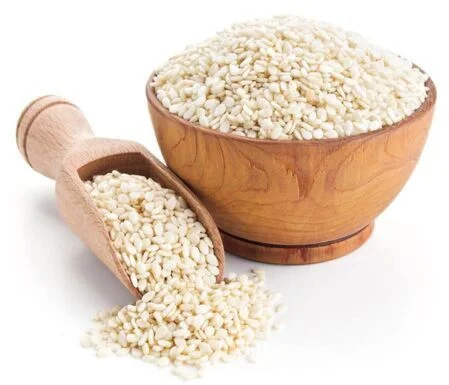
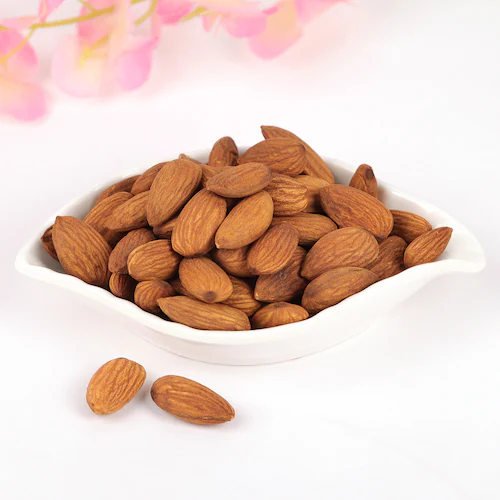
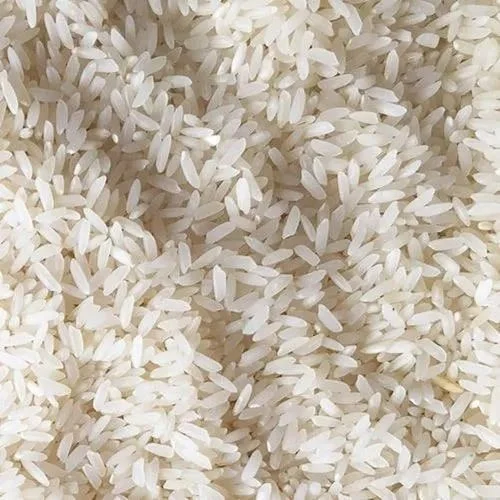
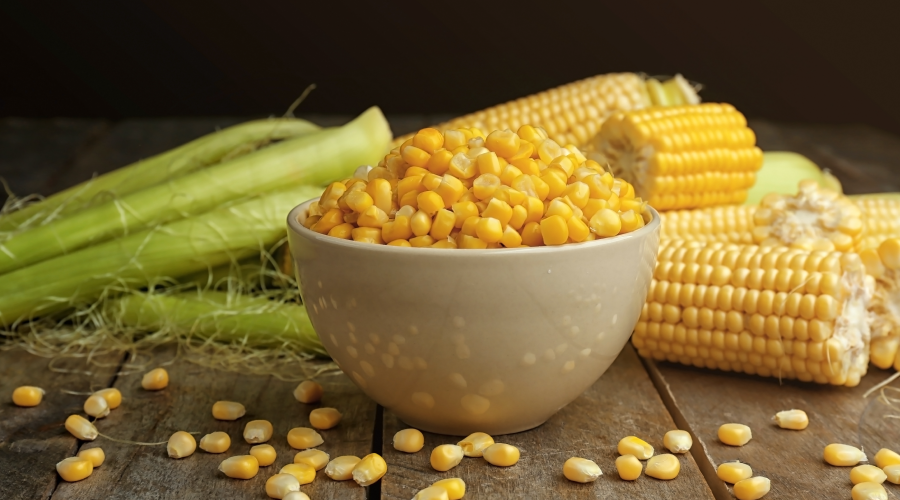
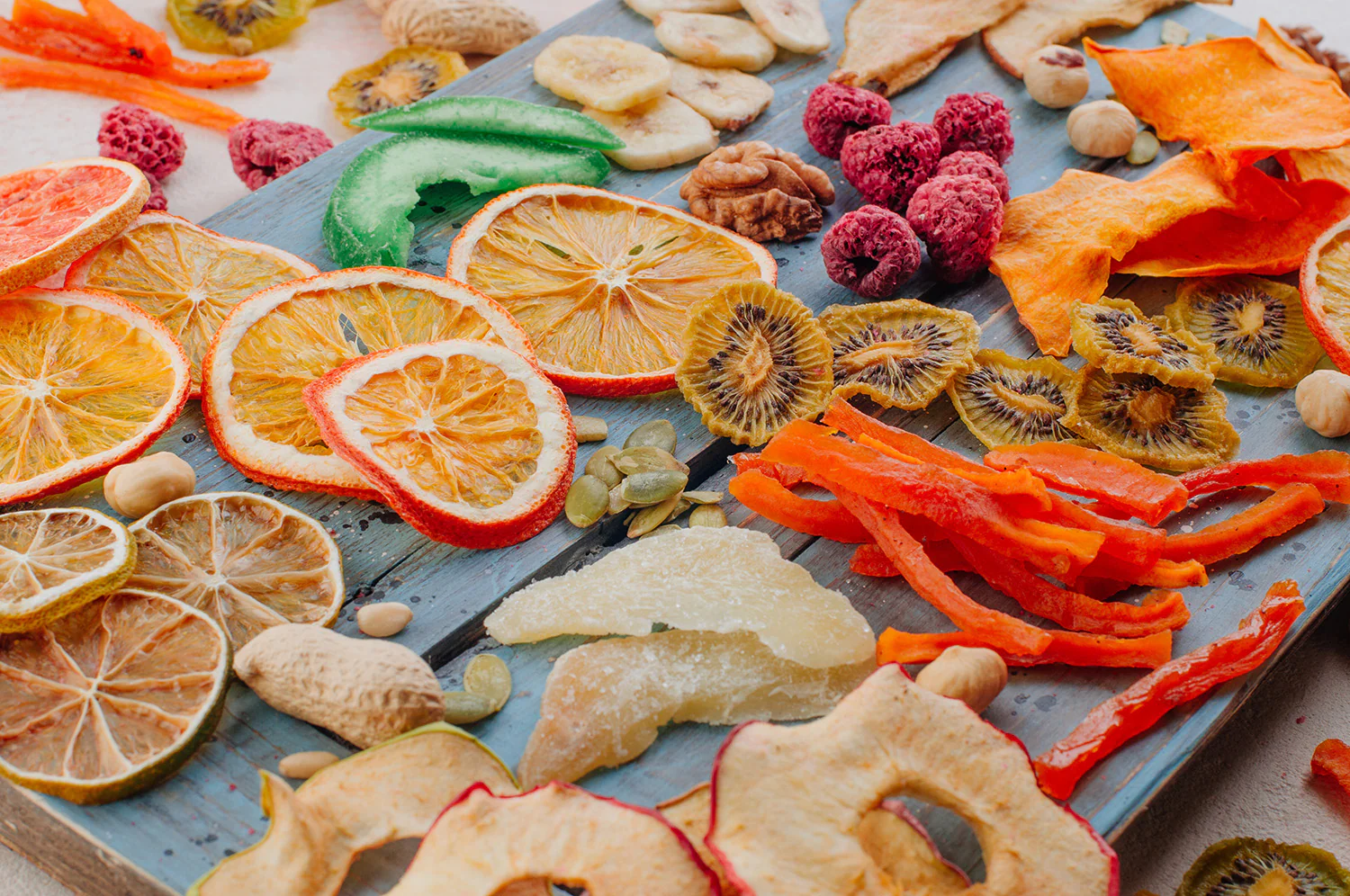
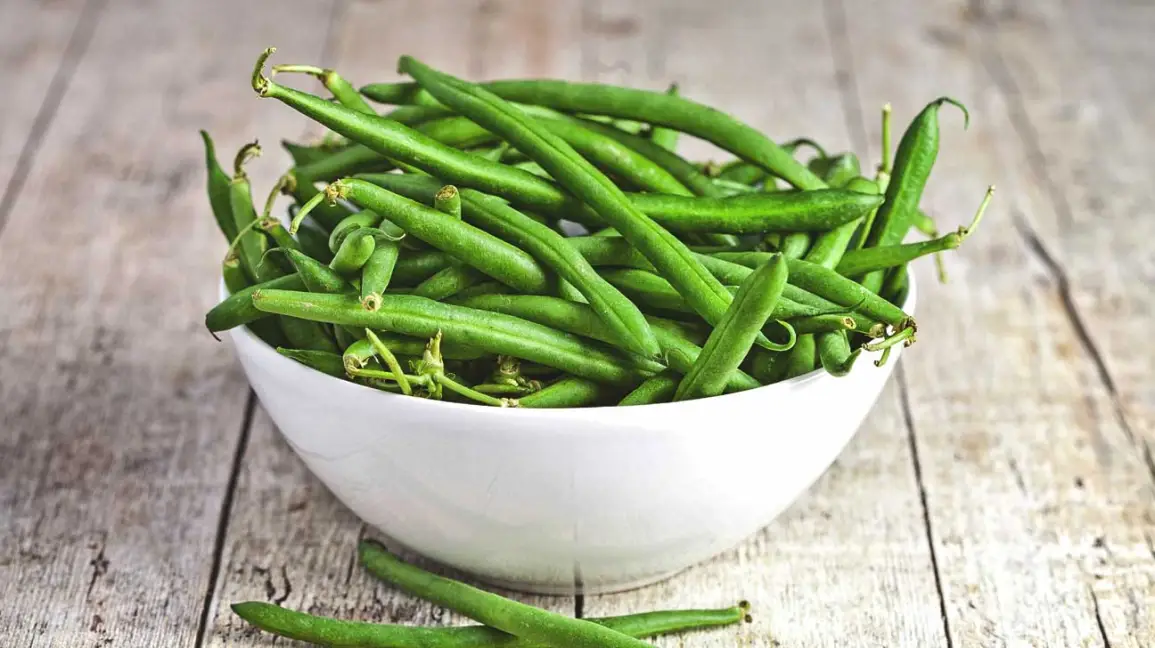
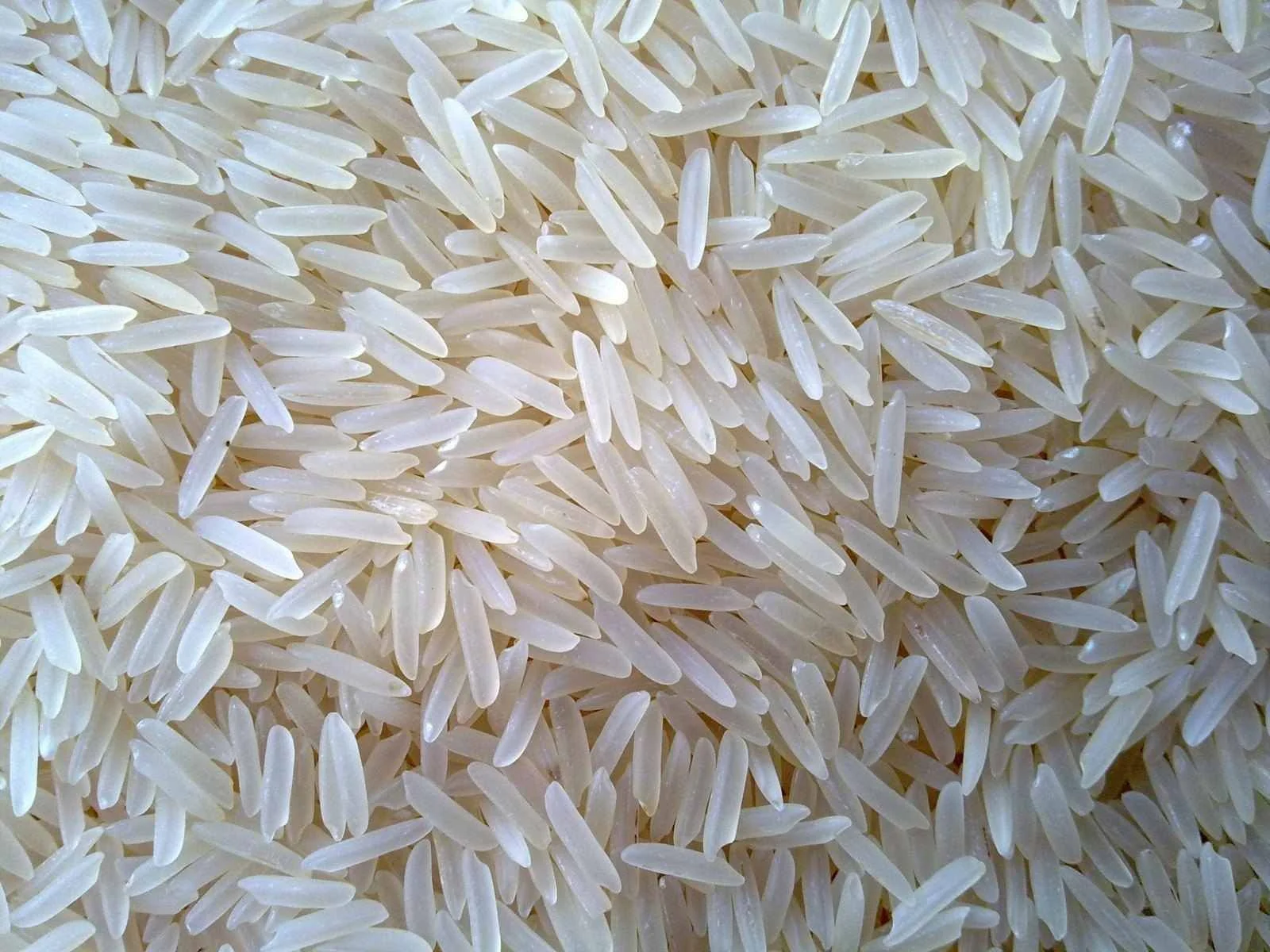
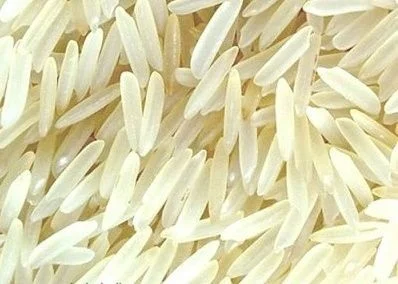
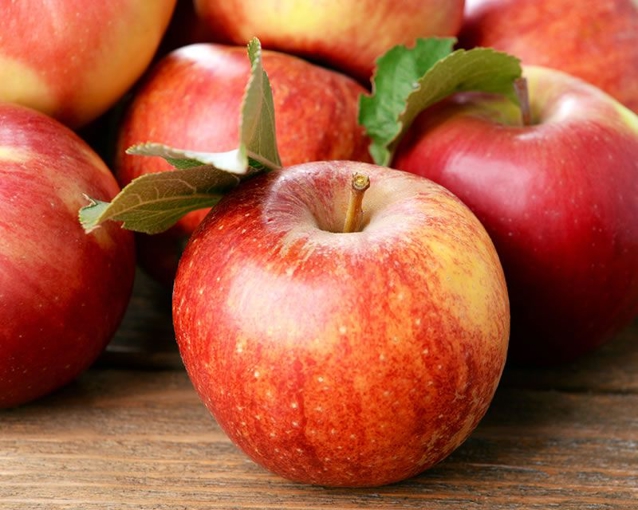
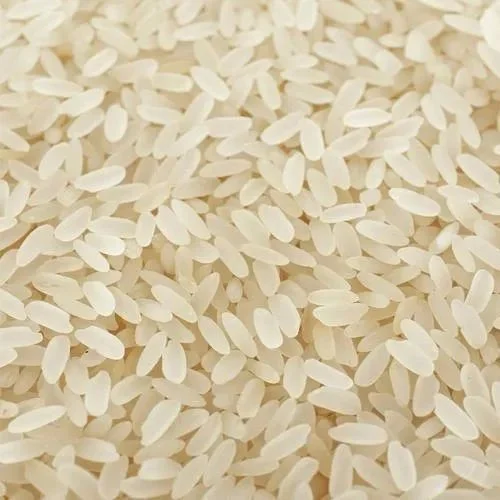
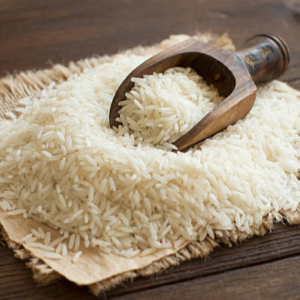
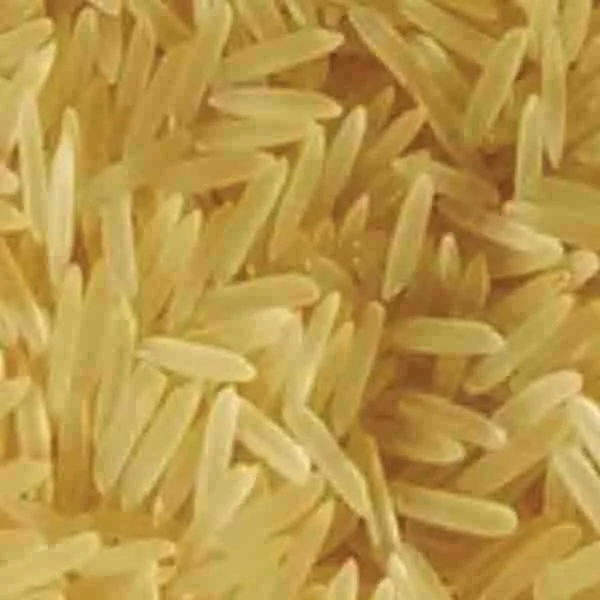
India hosts Sunrise Trade Enterprises with an active catalogue of 42 distinct products. The supplier lists items across several agricultural categories, including Basmati rice varieties, fresh vegetables, millet, corn, sesame seeds, sugar, and red chilli, reflecting the top categories reported. Within the rice family, multiple steam‑Basmati lines such as Pusa 1401, 1121, and Golden Sella are recorded under HS chapter 1006, while dried legumes like white beans fall under HS 0713. Fresh fruit entries such as whole apples are classified under HS 0808. The catalogue also contains nuts, spices and frozen produce, demonstrating a broad product mix typical of Indian agri‑export portfolios.
The product entries include specific HS codes for rice (1006.30) and dried white beans (0713.31) as well as for fresh apples (0808.10). Items such as Cashew Nuts, Walnut, Fresh Garlic, and Frozen Peas are listed without HS codes in the provided data, but they belong to standard HS sections for nuts (0801), spices (0905) and frozen vegetables (0710). The supplier’s portfolio therefore spans multiple HS chapters, offering buyers a diversified source of staple grains, pulses, oils, and fresh produce from India.
Product Range and Specialties of Sunrise Trade Enterprises
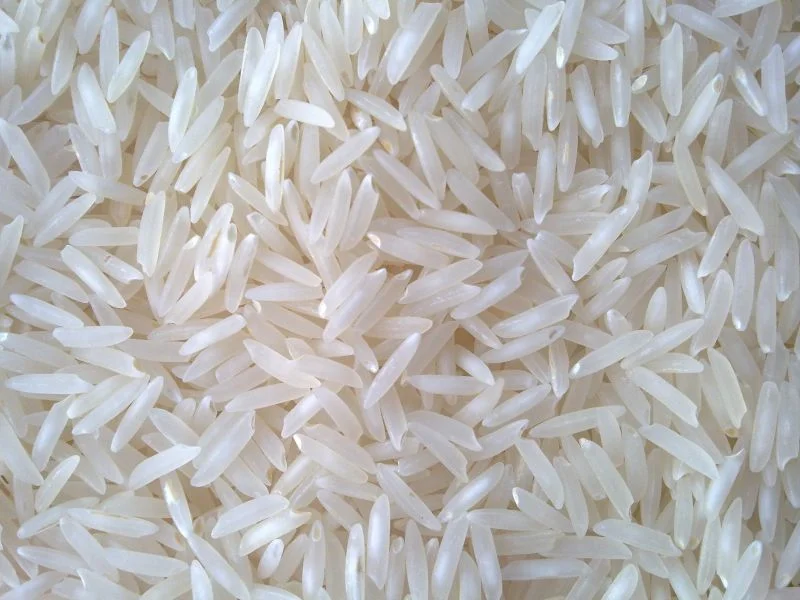
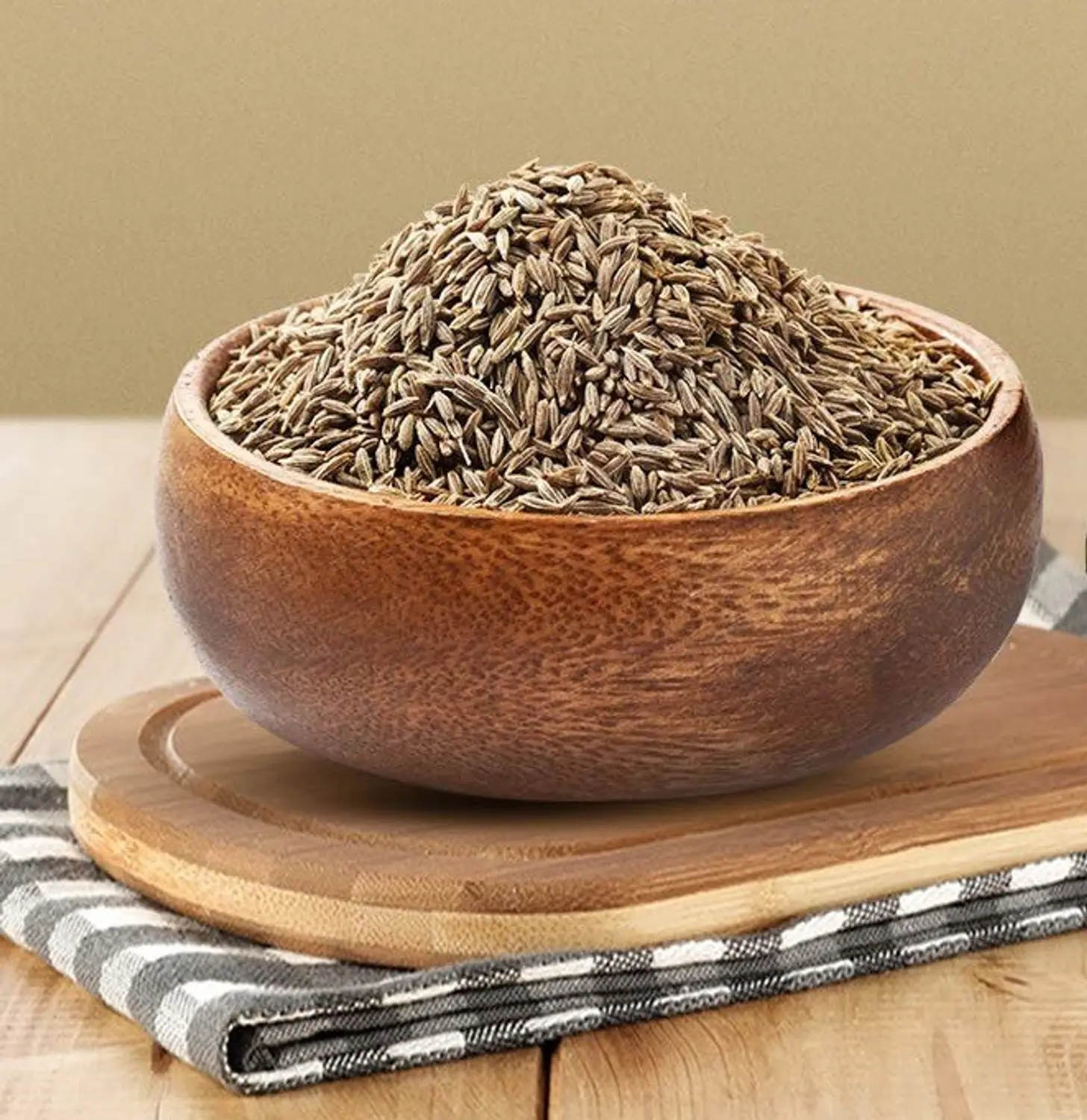
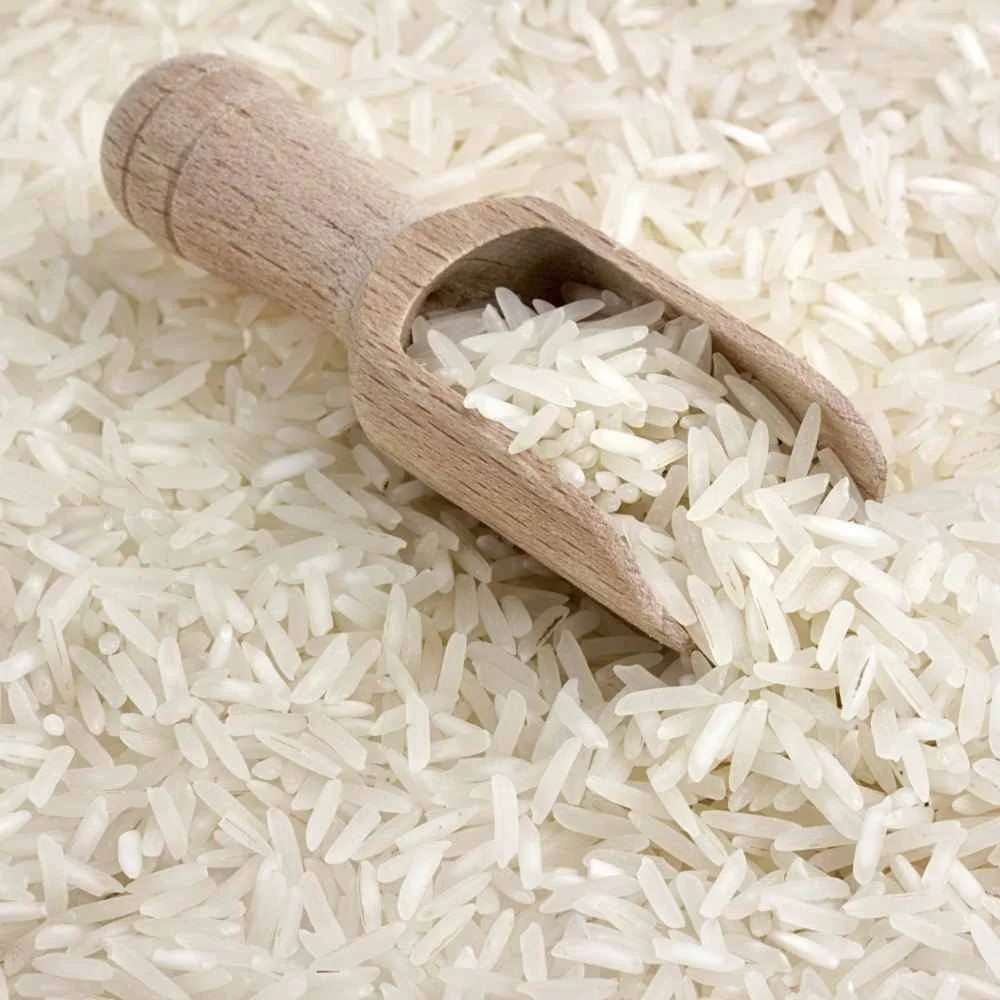
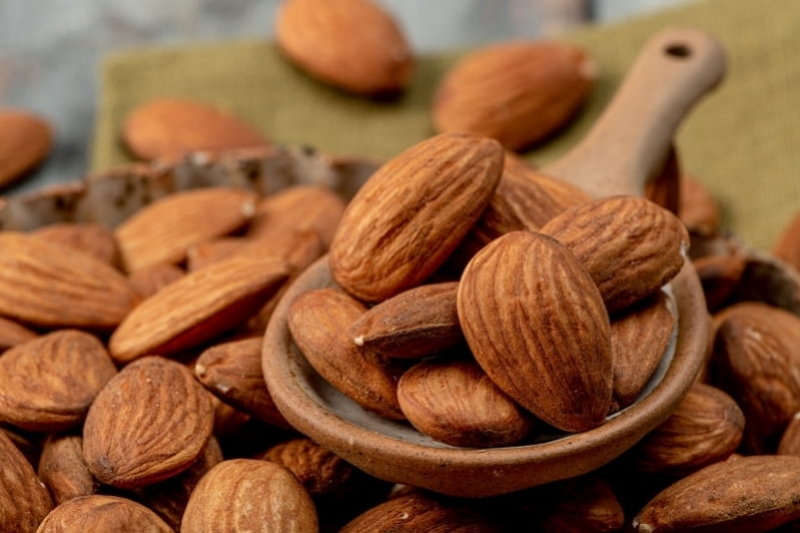
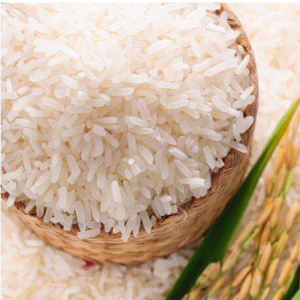
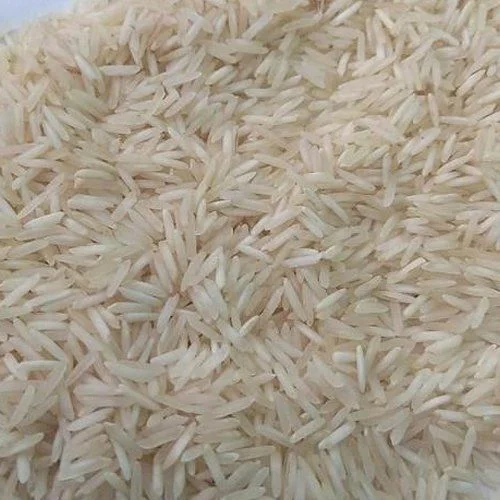
Sunrise Trade Enterprises supplies several Basmati rice grades that align with industry standards such as Basmati 1121 (long‑grain, aromatic, moisture 12‑14 %) and Sella (parboiled) varieties that meet the Indian Standard IS 15623 for milled rice. Typical export specifications for Indian Basmati include a minimum head‑rice length of 6 mm, broken grain ≤ 5 %, and a polishing degree of 68‑71 %. The catalogue’s fresh vegetable and fruit items, such as Fresh Garlic and Fresh Apple, are usually graded by size, colour and absence of blemishes, with moisture limits of 13‑15 % for garlic and 84‑86 % total soluble solids for apples. Sesame seeds, cumin and black pepper are commonly sold in 25 kg bags meeting ISO 22000 hygiene standards, while nuts like cashew and walnut are exported in 10 kg cartons with aflatoxin limits of 10 µg/kg (EU) and 15 µg/kg (US).
Trade and Export Information - Sunrise Trade Enterprises
India is a major exporter of Basmati rice, pulses and spices to the Middle East, Europe, Africa and North America. Rice under HS 1006 is typically shipped in 20‑ft containers holding up to 22 tonnes, while bulk legumes and nuts use 40‑ft containers with palletised bags. Buyers often require phytosanitary certificates, FSSAI registration and, for certain markets, ISO 9001 or HACCP compliance. Apple exports under HS 0808 follow cold‑chain protocols, usually packed in ventilated wooden boxes with insulated liners to maintain 0‑4 °C. Indian exporters of sesame seeds and cumin frequently obtain SGS or Bureau Veritas inspection reports to satisfy EU residue limits. Incoterms most commonly used are FOB Kolkata or CIF Dubai, reflecting the logistical hubs for agricultural shipments from India.
The supplier’s target markets are not listed, so buyers should anticipate standard Indian export documentation: commercial invoice, packing list, certificate of origin, and where applicable, a phytosanitary certificate. For rice, a moisture test report and a milling/ polishing certificate are typical. For nuts and spices, pesticide residue analysis (e.g., MRL compliance) and aflatoxin test results are frequently requested by importers in the EU and US.
Sourcing from Sunrise Trade Enterprises - Buyer Guidance
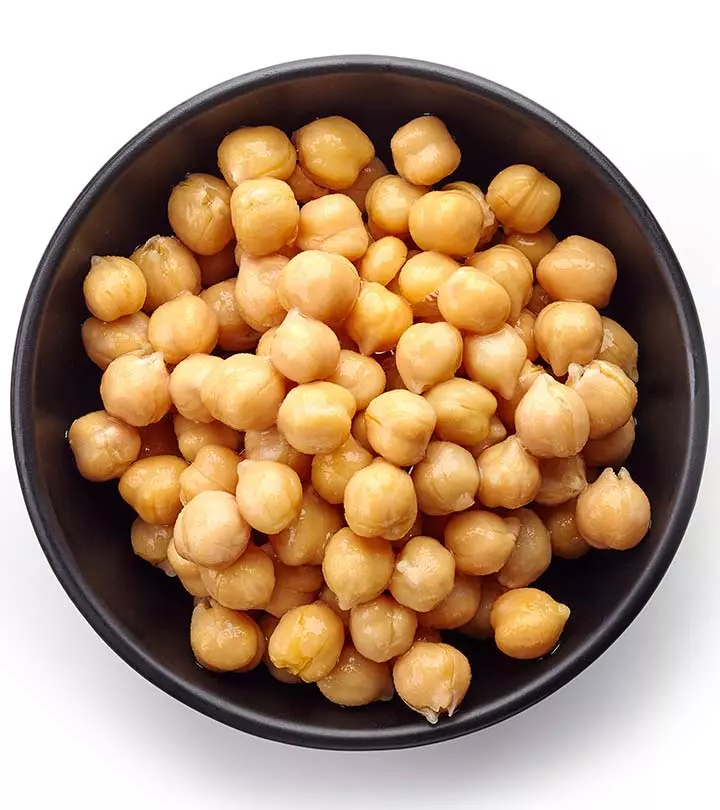
When sourcing from Sunrise Trade Enterprises, request the latest FSSAI licence and any ISO 22000 or HACCP audit reports that the supplier can provide. For rice products, ask for a moisture content certificate, broken‑grain analysis, and a lab report confirming the aromatic volatile profile (e.g., 2‑acetyl‑1‑pyrroline level). For nuts such as cashew or walnut, obtain aflatoxin test results and a pesticide residue certificate that meets EU maximum residue limits. Legumes like white beans and chickpeas should be accompanied by a phytosanitary certificate and a mycotoxin test. Verify packaging details - rice is usually packed in 25 kg polypropylene bags, nuts in 10 kg cartons, and fresh produce in refrigerated containers with appropriate airflow. Confirm lead times, which for Indian agrifood exports typically range from 30 to 45 days from order confirmation to shipment.
Additional checks include reviewing the supplier’s export history through customs data, ensuring that the HS codes used (e.g., 1006.30 for Basmati rice) match the product description, and confirming that any requested certifications are current at the time of order.
Frequently Asked Questions About Sunrise Trade Enterprises
What HS codes does Sunrise Trade Enterprises use for its Basmati rice products?
The Basmati rice lines such as Pusa 1401, 1121, Sella and Golden Sella are classified under HS code 1006.30, which covers milled or polished rice, including parboiled varieties.
Which certifications should a buyer request for the nuts listed by the supplier?
Buyers should request an ISO 22000 or HACCP audit report, a recent aflatoxin test result, and a pesticide residue certificate that complies with EU or US maximum residue limits.
How is Fresh Apple packaged for export?
Fresh apples are normally packed in ventilated wooden crates with insulated liners to maintain a temperature of 0‑4 °C, and the shipment is declared under HS code 0808.10.
What typical quality parameters are applied to Indian Basmati rice?
Standard Basmati specifications include a head‑rice length of at least 6 mm, moisture content of 12‑14 %, broken grain ≤ 5 % and a polishing degree of 68‑71 %.
What documents are required for importing the supplier’s legumes such as white beans?
Importers should obtain a commercial invoice, packing list, certificate of origin, phytosanitary certificate and a laboratory report confirming compliance with mycotoxin limits.
Which Incoterms are most commonly used for shipments from Sunrise Trade Enterprises?
FOB Kolkata and CIF Dubai are frequently used, reflecting the main Indian export ports for agricultural commodities.
What is the typical container load for the supplier’s rice products?
A 20‑ft container can hold approximately 22 tonnes of 25 kg rice bags, while a 40‑ft container can accommodate roughly 44 tonnes.
Are there any specific tests buyers should request for the supplier’s spices?
Buyers should request pesticide residue analysis, moisture content (usually ≤ 12 % for cumin and black pepper), and a purity test confirming the absence of foreign matter above 0.5 %.




 , India