Sungold Exim — Supplier
About Sungold Exim - Ceramic Tiles Supplier in India
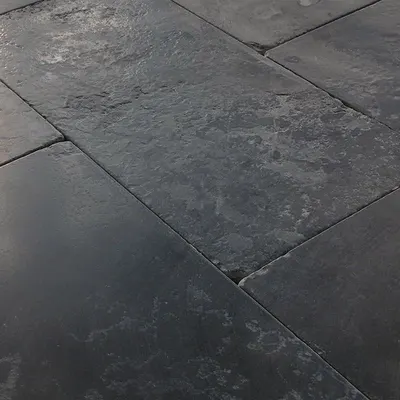
Sungold Exim is an India-based exporter operating in the flooring and wall covering segment, with an active catalogue of 5 products listed across three top categories: Ceramic Tiles, Stone Flooring, and Carpet Tiles. The company sources from Indian manufacturing hubs, where Morbi (Gujarat) is the dominant cluster for ceramic and porcelain tile production, and supplies both hard surface and soft surface floor coverings. The catalogue spans polished porcelain tiles, digital wall tiles, kitchen floor tiles, carpet tiles, and glazed porcelain tiles, indicating a mixed offering aimed at residential and commercial interior projects. Indian tile manufacturers typically operate large-format press lines with outputs running into tens of millions of square metres per year, supplying both the domestic market and a wide export base. Carpet tile production in India is concentrated around northern mills serving commercial and hospitality interiors. Sungold Exim's product mix places it in the broader Indian building finishes export segment, which ships to markets across the Middle East, Africa, Southeast Asia, Europe, and North America. The 5 active listings cover the principal specification families a buyer expects from this segment: porcelain floor tiles, glazed wall tiles, and modular carpet tiles.
Product Range and Specialties of Sungold Exim
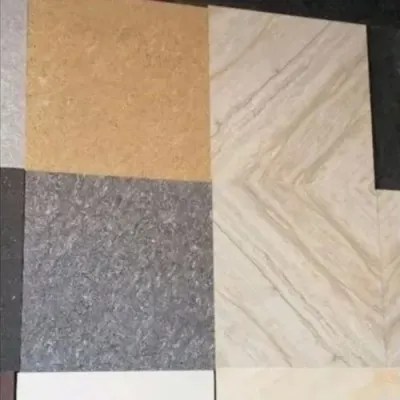
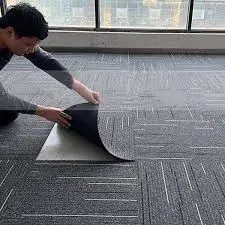
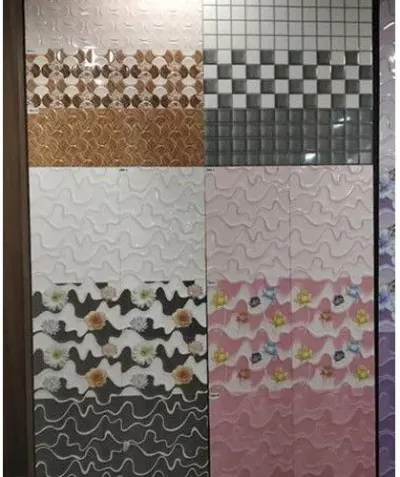
Sungold Exim's catalogue is built around three flooring and wall covering families. The porcelain tile lines include polished porcelain tiles and glazed porcelain tiles, which in Indian manufacturing typically come in sizes of 600x600 mm, 800x800 mm, and 600x1200 mm, with water absorption below 0.5% for true porcelain (classified as BIa under ISO 13006). Polished variants are usually finished to a gloss of 55-70 GU and surface flatness within ±0.2% of the diagonal length. Glazed porcelain carries a vitrified body with a digital or screen-printed glaze layer, commonly specified at 8-12 mm thickness for floor use. The digital wall tiles in the catalogue fall under the glazed ceramic category, typically produced in 300x600 mm or 600x600 mm formats with water absorption between 6-10% (BIII classification). Kitchen floor tiles are engineered for higher slip resistance, generally rated R10 or R11 under DIN 51130, with PEI 4-5 wear ratings for heavy residential and light commercial traffic. Carpet tiles, the soft-surface line, are usually manufactured in 50x50 cm or 60x60 cm modules with bitumen or PVC backing, pile weights ranging from 400 to 800 g/m², and total tile thickness of 5-8 mm. Buyers in this segment typically request specific grade data: Mohs hardness ratings (5-8 for porcelain), breaking strength (≥1300 N for porcelain per EN 14411), stain resistance class, and dimensional tolerance within ±0.6% per ISO 10545.
Trade and Export Information - Sungold Exim
Ceramic and porcelain tiles exported from India are classified under HS code 6907 (unglazed and glazed ceramic flags and paving, hearth or wall tiles) and HS code 6908 (glazed ceramic tiles), while carpet tiles fall under HS code 5703 (carpets and other textile floor coverings, tufted). The Indian tile industry, anchored in the Morbi-Gujarat cluster, accounts for a significant share of global ceramic tile production and exports, with typical destination markets including the United States, Saudi Arabia, the UAE, Mexico, the United Kingdom, Indonesia, and countries across Sub-Saharan Africa. Carpet tiles from India are typically shipped to commercial fit-out projects in the Middle East, the UK, and parts of Europe. Standard export documentation for these categories includes a commercial invoice, packing list, bill of lading, certificate of origin (often issued under the GCC/SASO framework for Gulf buyers or GSP for European destinations), and a fumigation certificate for palletized goods. Tiles are typically packed in corrugated cartons on wooden pallets, with 20 ft containers holding roughly 800-1,200 m² depending on tile size and thickness, and 40 ft containers accommodating up to 1,800 m². Common Incoterms for Indian tile shipments are FOB Mundra or FOB Mumbai, with CIF and CFR terms negotiated for larger orders. Buyers in this segment typically require compliance with EN 14411 (European standard for ceramic tiles), ISO 13006, ASTM C373 (water absorption), ASTM C648 (breaking strength), and slip resistance ratings per DIN 51130 or the newer EN 16165 pendulum test. For carpet tiles, common requirements include ISO 8302 thermal resistance, ISO 140 acoustic absorption ratings, and fire classification under EN 13501-1 or ASTM E648.
Sourcing from Sungold Exim - Buyer Guidance
Buyers sourcing from Sungold Exim should request the specific technical data sheet for each tile line, including water absorption percentage, breaking strength in newtons, Mohs surface hardness, PEI wear rating, and slip resistance class. For porcelain tiles, confirm the body type (full-body, double-charged, or glazed porcelain), the rectification status, and the caliber/batch consistency. For carpet tiles, request pile composition (typically nylon 6, nylon 6.6, or polypropylene), pile weight per square metre, backing type, and dimensional stability test results. Pre-shipment verification should include a third-party inspection covering visual defects, dimensional tolerances, shade variation within and between batches, and packaging integrity. Buyers should ask for a pre-production sample or a reference panel from the exact production batch, not just a generic showroom piece, since shade calibration differs between lots. For export shipments, confirm the fumigation treatment of wooden pallets (ISPM 15 marking), the container loading plan, and the moisture barrier used for sea freight. Certifications to request or confirm include ISO 9001 for the manufacturing facility, CE marking for European destinations, and BIS certification where applicable. Lead times for Indian tile orders typically run 15-30 days for ready stock and 30-60 days for made-to-order finishes, while carpet tile production lead times are usually 30-45 days depending on dye-lot requirements.
Frequently Asked Questions About Sungold Exim
What product categories does Sungold Exim supply?
Sungold Exim lists 5 active products across three categories: Ceramic Tiles (polished porcelain tiles, digital wall tiles, kitchen floor tiles, glazed porcelain tiles), Stone Flooring, and Carpet Tiles. The catalogue covers both hard-surface and soft-surface floor coverings for residential and commercial interiors.
Which HS codes apply to the products Sungold Exim exports?
Ceramic and porcelain tiles fall under HS code 6907 (unglazed) and 6908 (glazed). Carpet tiles are classified under HS code 5703 (tufted textile floor coverings). Buyers should confirm the exact 6-digit classification with the supplier based on the specific tile type and finish.
What specifications should I request before ordering porcelain tiles?
Request water absorption (below 0.5% for true porcelain per ISO 13006 BIa), breaking strength (minimum 1300 N per EN 14411), Mohs hardness rating, PEI wear class, slip resistance rating (R10/R11 per DIN 51130), and dimensional tolerance within ±0.6% per ISO 10545.
Which documents are typically required for an export order from India?
Standard documents include a commercial invoice, packing list, bill of lading, certificate of origin, fumigation certificate for wooden pallets (ISPM 15), and any buyer-specific certifications such as CE marking for Europe or SASO conformity for Saudi Arabia.
What is the typical container load for ceramic tiles shipped from India?
A 20 ft container typically holds 800-1,200 m² of tiles depending on size and thickness, while a 40 ft container can accommodate up to roughly 1,800 m². Tiles are packed in corrugated cartons on fumigated wooden pallets with protective corner guards.
How should I verify tile quality before shipment?
Commission a third-party pre-shipment inspection covering dimensional accuracy, shade variation between batches, surface defects, water absorption testing, and packaging condition. Request a sample from the actual production batch rather than a generic reference piece to confirm shade and finish consistency.
What is the usual lead time for Indian tile and carpet tile orders?
Ready-stock tile orders from Indian suppliers typically ship within 15-30 days, while made-to-order finishes take 30-60 days. Carpet tile production usually requires 30-45 days depending on dye-lot and backing specifications.
Which certifications should I confirm with the supplier?
Confirm ISO 9001 for the manufacturing facility, CE marking for European destinations, and BIS standards where applicable. For carpet tiles, request fire classification reports under EN 13501-1 or ASTM E648, and ISO 140 acoustic performance data for commercial fit-out projects.




 , India