Sumeru Tradelink Pvt. Ltd. — Verified Supplier
About Sumeru Tradelink Pvt. Ltd. - Mineral Supplier in India
Sumeru Tradelink Pvt. Ltd. operates from India and currently lists 15 active mineral and ore products in its catalogue. The portfolio covers a variety of clays, refractory alumina products, talc, wollastonite and sunflower seeds, each linked to HS code families ranging from 2507‑00 for kaolin clays to 6903‑20 for high‑alumina refractories.
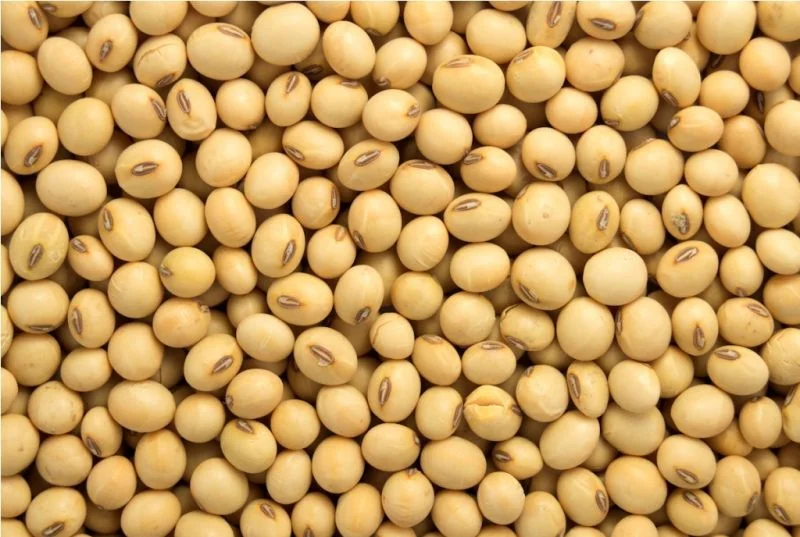
The catalogue includes micronised and washed kaolin, ball clay in both lump and natural forms, calcined kaolin, and specialty alumina balls at 68 % and 92 % Al₂O₃ content. Additional items are ferro‑silicone, M‑1 clay, JN‑1 clay, and raw sunflower seeds, reflecting the supplier’s focus on both industrial minerals and agricultural raw material.
Product Range and Specialties of Sumeru Tradelink Pvt. Ltd.
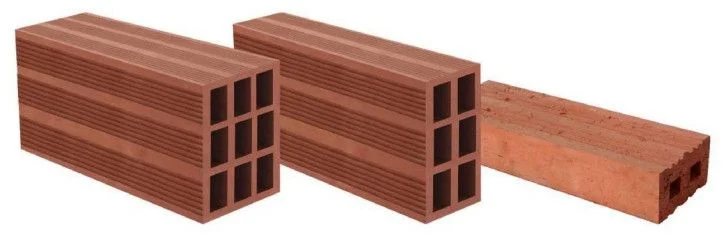
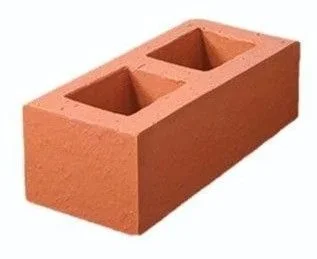
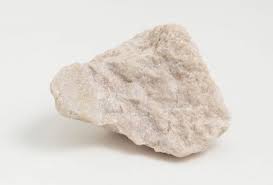
The listed products fall into three primary mineral groups: clays (micronised, washed, ball, and calcined kaolin), refractory alumina (68 % and 92 % alumina balls and bricks), and silicate minerals such as wollastonite and talc. In the clay segment, buyers typically encounter grades defined by particle size (e.g., 325 mesh for wollastonite) and purity levels such as ICUMSA for kaolin, with moisture content below 5 % for most industrial applications.
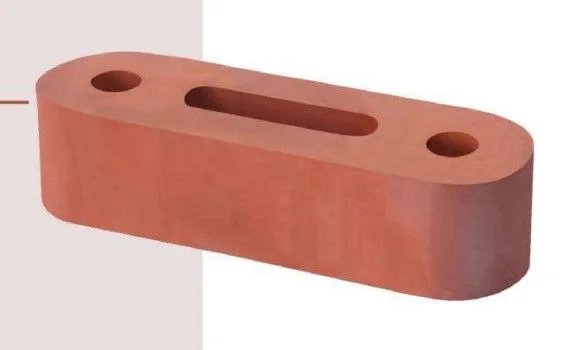
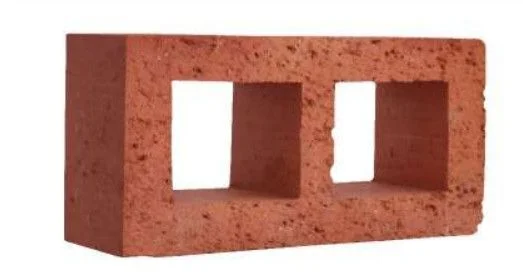
Refractory alumina products are commonly supplied in standard sizes of 1 kg to 25 kg for laboratory testing and up to 1 ton bulk bags for furnace linings, with bulk density around 3.5 g/cm³. Talc is usually marketed with a maximum oil absorption of 35 % and a pH between 7.5 and 8.5. Sunflower seeds are exported as whole kernels, typically packaged in 25 kg or 50 kg woven polypropylene bags.
Trade and Export Information - Sumeru Tradelink Pvt. Ltd.
India is a leading exporter of industrial minerals, and shipments of kaolin, talc, and refractory alumina regularly flow to Southeast Asia, the Middle East, and the European Union. HS Chapter 25 (mineral products) and Chapter 69 (ceramic products) are the primary tariff classifications for these goods, with most countries requiring a certificate of origin and compliance with REACH or ASTM standards for health and safety.
Typical export documentation includes a commercial invoice, packing list, Bill of Lading, and a laboratory analysis report confirming chemical composition (e.g., Al₂O₃ content for alumina balls). Buyers often request ISO 9001 quality management certification, although it is not listed as held by this supplier; confirmation should be sought during the quotation stage. Container loading follows standard 20‑ft or 40‑ft containers, with bulk bags for powders and sealed cartons for seeds.
Sourcing from Sumeru Tradelink Pvt. Ltd. - Buyer Guidance
When sourcing from Sumeru Tradelink, request the latest material safety data sheet (MSDS) and a third‑party laboratory test report that details particle size distribution, impurity levels (e.g., iron content for kaolin) and bulk density. Verify that the HS code on the commercial invoice matches the product (e.g., 2507‑00 for micronised kaolin) to avoid customs delays.
Confirm the packaging format - bulk bags for powders, sealed cartons for seeds - and inquire about the minimum order quantity, which typically ranges from 1 ton for bulk minerals to 500 kg for specialty alumina balls. Ask for a sample batch and a production lead time, which Indian mineral exporters usually quote between 15 and 30 days depending on product availability.
Frequently Asked Questions About Sumeru Tradelink Pvt. Ltd.
What HS codes apply to the kaolin products offered by Sumeru Tradelink?
Kaolin products such as Micronised Kaolin Clay, Washed Kaolin Clay and Calcined Kaolin Clay are classified under HS code 2507.00, while Ball Clay and related variants fall under HS code 2508.40.
Are the alumina balls supplied with a standard purity certification?
The 68 % and 92 % alumina balls are typically accompanied by a lab analysis confirming Al₂O₃ content and bulk density. Buyers should request this certificate of analysis before confirming the order.
What packaging is used for talc shipments?
Talc is usually packed in 1 ton or 5 ton bulk bags made of woven polypropylene, with moisture barriers to preserve the 5 % maximum moisture content required for most industrial uses.
Which documents are required for customs clearance of mineral exports from India?
Customs clearance generally requires a commercial invoice, packing list, Bill of Lading, certificate of origin, and a test report matching the HS code. REACH compliance documentation may be requested by EU buyers.
Can I obtain a sample of the Wollastonite (325 mesh) before placing a bulk order?
Yes, suppliers commonly provide a 5‑kg sample of Wollastonite (HS 2520.90) for quality verification. Request the sample together with an MSDS and particle‑size analysis.
What are the typical lead times for the refractory alumina bricks?
Lead times for 68 % alumina bricks (HS 6903.20) are usually 20‑30 days from order confirmation, depending on production scheduling and bulk bag availability.
Do the sunflower seeds meet international food safety standards?
Sunflower seeds are generally subject to HACCP and may require a food‑grade certification such as FSSAI or EU food safety compliance. Request the relevant test reports and certificates before shipment.
Is ISO 9001 certification held by Sumeru Tradelink?
The supplier’s catalog does not list ISO 9001 as an existing certification. Buyers should ask the supplier to provide evidence of any quality management system they operate.




 , India