Steel Tube Engineering Co. — Verified Supplier
About Steel Tube Engineering Co. - Industrial Valves & Pipe Fittings Supplier in India
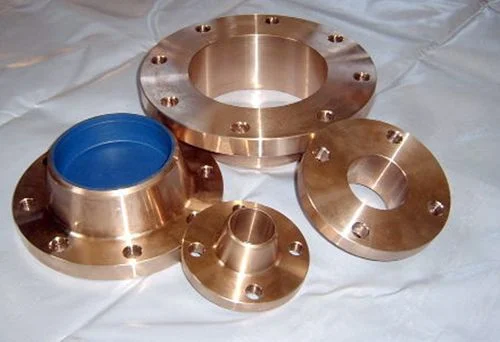
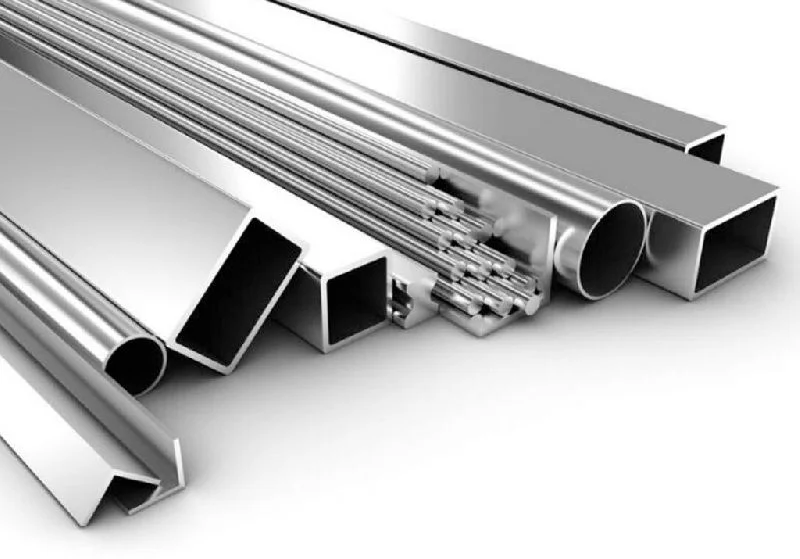
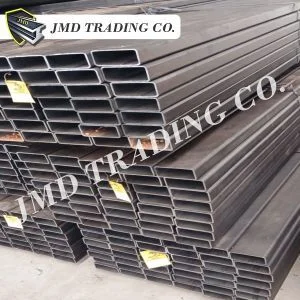
India‑based Steel Tube Engineering Co. lists 40 distinct product items across categories such as flanges, rubber components, pipe valves, stainless‑steel pipe and fitting families, steel fasteners, water‑treatment equipment and cable assemblies. The catalogue references HS‑code families 7304, 7307, 7308 and 8481 for carbon‑steel, stainless‑steel and alloy products, and includes material specifications ranging from carbon steel A106 Grade B to stainless‑steel grades 304 and 316, as well as NR/SBR and neoprene rubber grades.
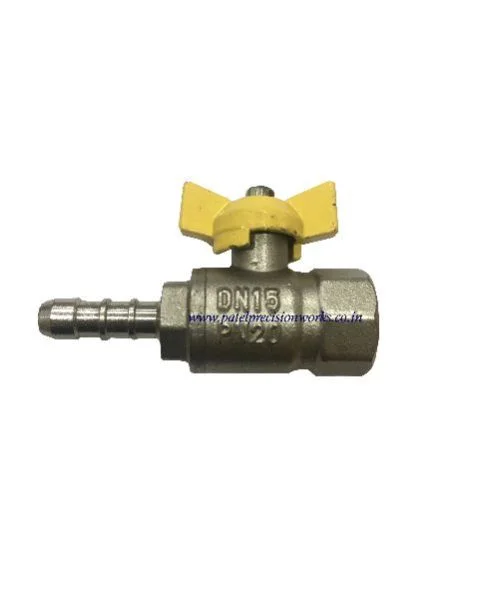
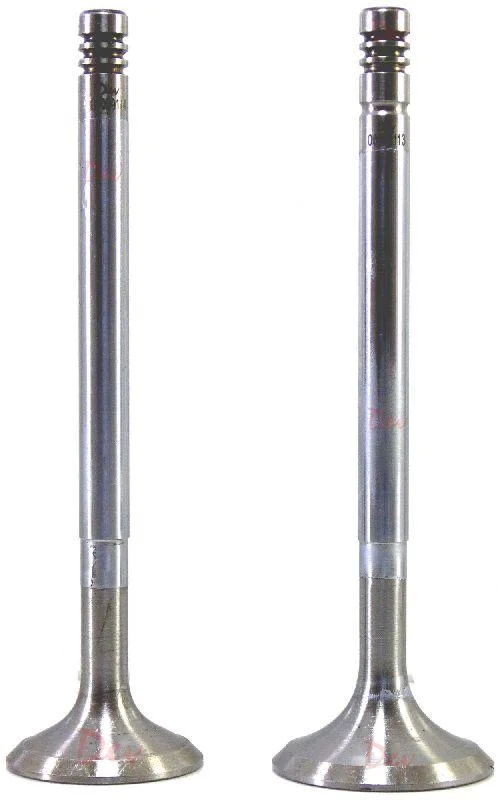
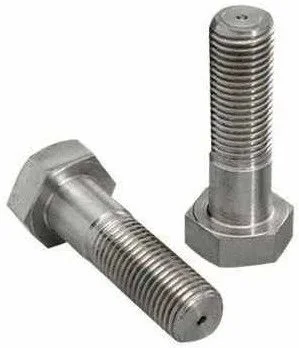
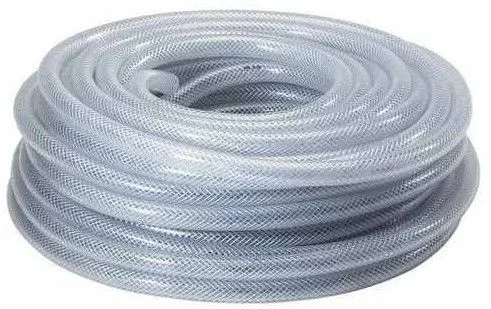
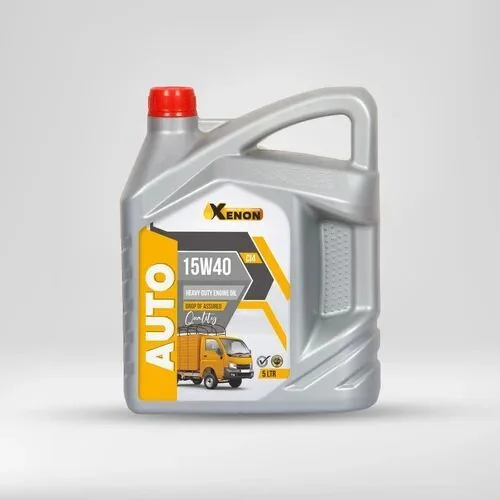
The supplier’s published items comprise flexible hoses, pressure‑reducing station systems, a variety of valves (pneumatic control, flow‑check, forged non‑return, three‑way control and pressure‑relief safety), pipe and pipe‑fitting series (including elbows, tees, couplings, unions and forged fittings), steel fasteners (bolts, nuts, grades 4.6‑10.9), and ancillary products such as cable trays, electrical‑insulation rubber mats and lubricants. Each entry that carries an HS code aligns with the appropriate chapter - for example, 7304.29 for carbon‑steel and stainless‑steel pipes, 7307.23 for forged fittings, and 8481.80 for steam pressure‑reducing stations.
Product Range and Specialties of Steel Tube Engineering Co.
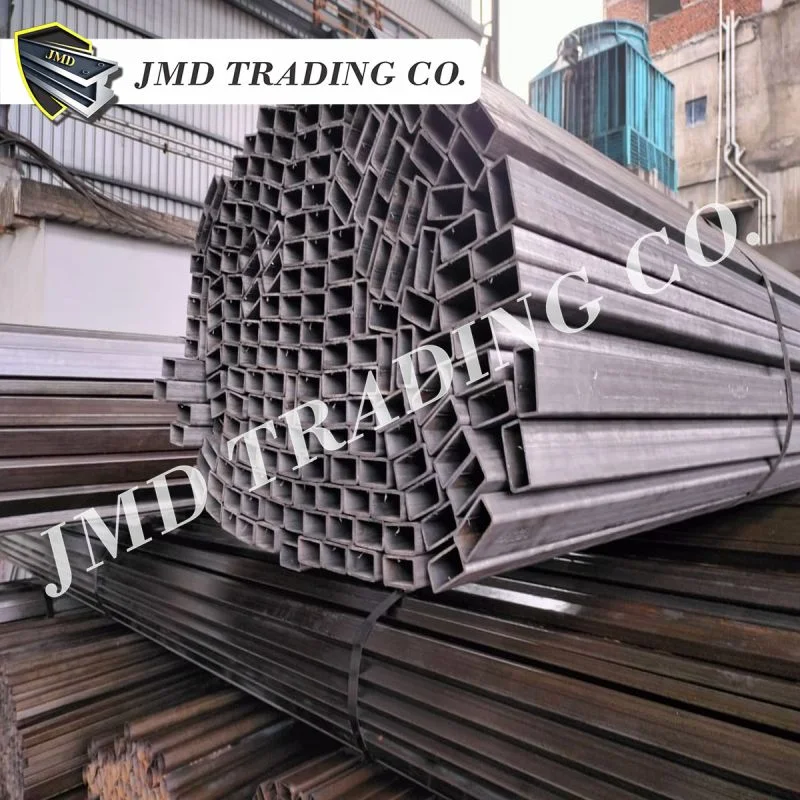
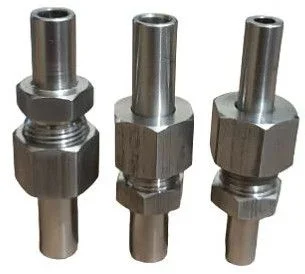
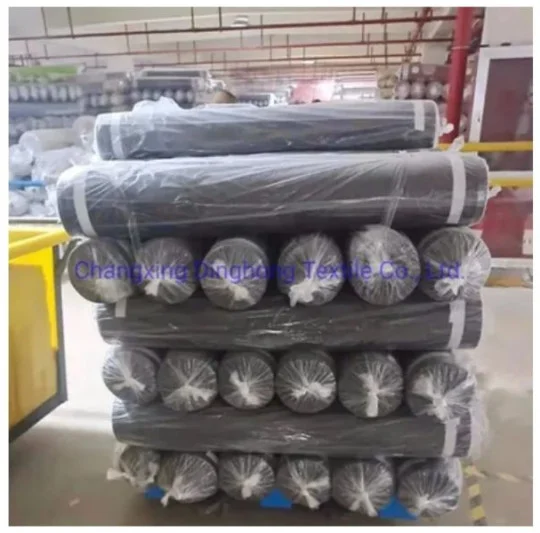
The catalogue covers standard industrial pipework and valve families commonly used in process, petrochemical, water‑treatment and HVAC systems. Typical specifications for the listed stainless‑steel pipes follow ASTM A312/A403 with DN‑size ranges from 15 mm to 600 mm, wall thicknesses from 2 mm to 25 mm, and pressure ratings up to 600 psi (PN150). Forged fittings such as 45° elbows, 90° elbows and tees are supplied in carbon‑steel (ASTM A105) or stainless‑steel (ASTM A182 F304/F316) and are sized to match the pipe series. Steel fasteners are offered in metric thread standards (M8‑M48) with tensile classes 4.6, 8.8 and 10.9. Rubber sheets, NR and SBR rolls, and neoprene sheets meet hardness ranges of 40‑70 Shore A, suitable for gaskets, isolation mats and sealing applications.
Trade and Export Information - Steel Tube Engineering Co.
India exports industrial steel components primarily to the Middle East, Africa, Southeast Asia and Europe, where construction, oil‑&‑gas and water‑treatment projects drive demand. HS‑code 7304 (pipes) and 7307 (fittings) are routinely inspected under Indian Customs’ export verification system and may require a Certificate of Origin and a test report complying with IS 1239 for steel quality. Buyers typically request mill test certificates (MTC) confirming chemical composition and mechanical properties, as well as CE marking or ISO 9001 certification when supplying to EU markets. For valve assemblies and pressure‑reducing stations (HS 8481), compliance with API 6D or ISO 5208 is common, and the products are often packed in wooden crates or steel pallets for 20‑ft or 40‑ft containers under CIF or FOB terms.
Sourcing from Steel Tube Engineering Co. - Buyer Guidance
When sourcing from Steel Tube Engineering Co., buyers should obtain the latest MTC for each steel grade, a material test report for rubber sheets (including tensile strength, elongation at break and hardness), and, where applicable, a CE Declaration of Conformity for valves and pressure equipment. Requesting a sample of the specific pipe dimension or valve model before bulk order helps verify dimensional tolerances (e.g., ±0.2 mm for pipe OD) and pressure‑test performance (e.g., 1.5 × rated pressure for safety valves). Verify that the supplier can provide packaging details such as inner wood shims, outer stretch‑wrap and moisture‑resistant liners to protect against corrosion during sea transit.
Frequently Asked Questions About Steel Tube Engineering Co.
What HS codes apply to the pipe and fitting products listed by Steel Tube Engineering Co.?
Pipes are classified under HS 7304.29 (carbon‑steel) or 7304.41 (stainless‑steel), while forged fittings such as elbows, tees and unions use HS 7307.21, 7307.23 or 7307.99 depending on material and shape.
Which material standards should I request for the stainless‑steel pipe range?
Ask for compliance with ASTM A312/A403 (or the Indian equivalent IS 1239) that specifies grades 304 and 316, dimensional tolerances and pressure ratings up to PN150.
Are mill test certificates required for the steel fasteners?
Yes, an MTC detailing chemical composition, hardness and tensile class (e.g., 4.6, 8.8, 10.9) is standard for fasteners exported from India.
What certifications are typically expected for the valve and pressure‑reducing station systems?
Buyers usually request API 6D or ISO 5208 test reports, a CE Declaration of Conformity for EU shipments, and a Certificate of Origin for customs clearance.
How are the rubber sheets and rolls packaged for export?
They are commonly packed in moisture‑proof, double‑layered wooden crates with internal separators; a material data sheet should include Shore A hardness, tensile strength and elongation values.
What are the typical container sizes and incoterms used for these steel products?
Standard shipments use 20‑ft or 40‑ft containers; sellers often quote FOB or CIF terms, with the buyer arranging inland transport from the Indian port.
What sample procedures should I follow before placing a large order?
Request a dimension‑checked pipe or valve sample, conduct a pressure‑test at 1.5 × the rated pressure, and verify rubber sheet hardness and tensile properties against the supplied data sheet.
Is a CE mark mandatory for exporting the listed products to Europe?
CE marking is required for pressure equipment and certain valve categories when the buyer intends to place the items in the EU market; otherwise, a test report and ISO 9001 certification are commonly accepted.




 , India