St Peter & Paul Sea Foods Exports — Verified Supplier
About St Peter & Paul Sea Foods Exports - Frozen Squid Supplier in India
India hosts eight active product listings from St Peter & Paul Sea Foods Exports. The catalogue includes frozen squid, fresh cuttlefish, whole octopus in three size bands, skipjack tuna, Vanammei shrimps, leather jacket squid, and a soybean line. Each entry aligns with the company’s top categories such as Frozen Squid, Fresh Cuttlefish, Soybean, Fresh Tuna Fish, Frozen Octopus, Fresh Shrimps and Fresh or Chilled Fish. The supplier’s product count of eight is reflected in the detailed catalogue entries without reference to any additional lines.
The product titles specify size ranges used by processors, for example Squid HGT 10/20 and Octopus Whole 10/20, 20/40, 40/60. The shrimp entry is listed as Vanammei Shrimps HGT 51/60, indicating head‑and‑gut removed shrimp of 51‑60 mm. The leather jacket squid is offered in 200/300 and 500/700 size bands. Soybean is the sole plant‑based item, expanding the portfolio beyond seafood. All items are presented without claims of certifications or awards.
Product Range and Specialties of St Peter & Paul Sea Foods Exports
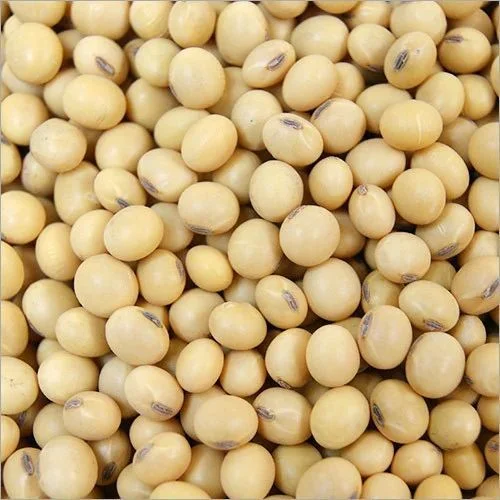
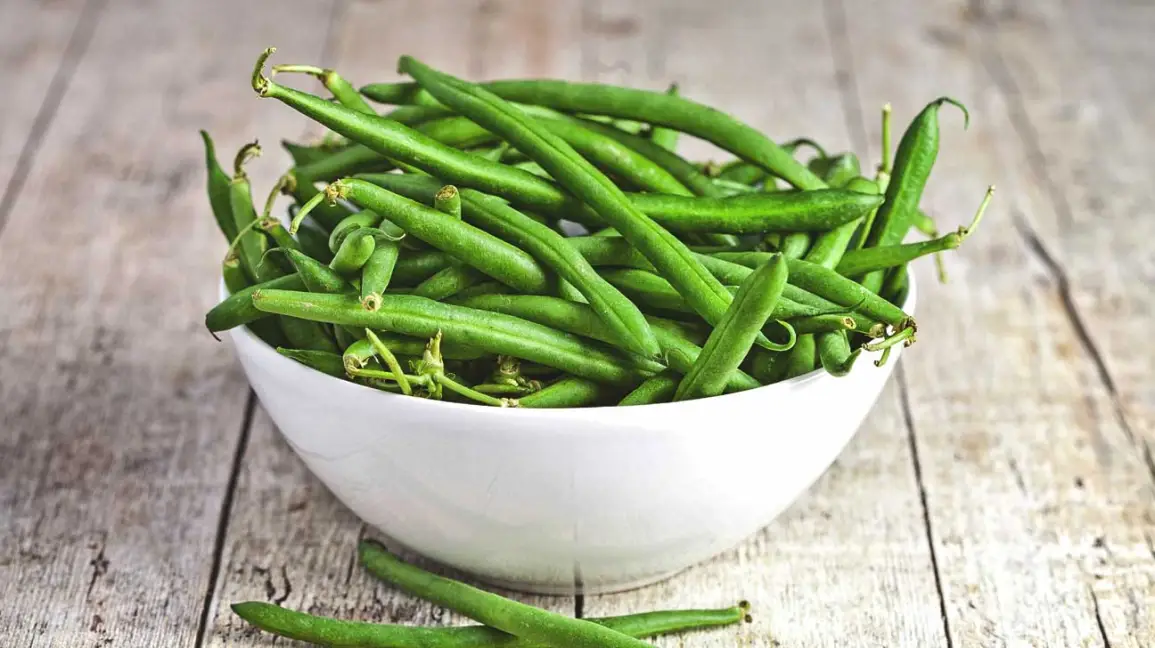
The catalogue covers whole and processed cephalopods, finfish and crustaceans typical for Indian export houses. Frozen squid HGT (head‑and‑gut removed) in 10/20 mm size is a common grade for sushi‑type applications, while whole octopus in 10/20, 20/40 and 40/60 mm bands serves both retail and food‑service markets. Skipjack tuna is generally sold as frozen blocks or loins, meeting standard moisture limits of 70 % max for frozen tuna. Vanammei shrimp HGT 51/60 mm aligns with the shrimp size range preferred by European and U.S. fast‑food chains. Leather jacket squid size bands of 200/300 and 500/700 mm are typical for whole‑body presentation in Asian cuisines. Soybean, classified under pulses, is usually supplied in 1 ton bulk bags meeting Indian export standards for moisture and foreign matter.
Trade and Export Information - St Peter & Paul Sea Foods Exports
Indian seafood exporters commonly ship to the EU, United States, Middle East and Southeast Asia under CIF or FOB terms. Frozen cephalopods and shrimp are regulated under HS Chapter 03 (fish, crustaceans, molluscs) with standard phytosanitary certificates and HACCP‑based export health certificates required by most importers. Soybean falls under HS Chapter 12 and often requires a fumigation certificate and a certificate of origin for tariff preferences. Buyers typically request BRC Global Standard for Food Safety or ISO 22000 compliance, although the supplier’s specific certifications are not listed. Container loading for whole octopus or leather jacket squid usually follows 20‑ft or 40‑ft refrigerated containers with temperature control at - 18 °C to preserve product quality.
Sourcing from St Peter & Paul Sea Foods Exports - Buyer Guidance
When sourcing from this supplier, buyers should ask for recent HACCP or ISO 22000 audit reports, as these are standard for Indian seafood exports. A copy of the export health certificate and a phytosanitary certificate should be reviewed before placing a purchase order. For the soybean line, a moisture content test (<13 %) and foreign matter analysis are typical verification points. Requesting a product sample that reflects the listed size bands (e.g., Squid HGT 10/20) helps confirm visual and textural specifications before full‑scale orders. Confirm packaging details - insulated pallets for frozen items and bulk bags for soybean - to ensure compliance with the buyer’s logistics chain.
Frequently Asked Questions About St Peter & Paul Sea Foods Exports
What size specifications are available for frozen squid?
The supplier lists Squid HGT 10/20, indicating head‑and‑gut removed squid sized between 10 mm and 20 mm. This size is commonly used for sashimi and ready‑to‑cook applications.
Does the company provide a health certificate for the cuttlefish?
Health certificates are standard for Indian seafood exports; buyers should request the latest certificate to verify compliance with destination country regulations.
Which certifications should a buyer verify for the shrimp product?
Buyers typically request HACCP, BRC or ISO 22000 audit reports for Vanammei Shrimps HGT 51/60, as these are the industry‑accepted food safety standards for frozen shrimp.
What packaging is used for whole octopus?
Whole octopus in the 10/20, 20/40 and 40/60 mm size bands is usually packed in insulated pallets with freezer‑grade liners to maintain - 18 °C throughout transit.
Is soybean supplied in bulk or retail packaging?
The soybean line is listed without packaging detail, but Indian exporters normally ship soybeans in 1‑ton bulk bags meeting standard moisture and foreign matter limits.
What are the typical lead times for a full container order?
Lead times for frozen seafood from India generally range from 25 to 40 days, covering processing, quality inspection, documentation and refrigerated container loading.
Which HS chapters apply to the listed products?
Frozen squid, cuttlefish, octopus, tuna and shrimp fall under HS Chapter 03 (fish, crustaceans and molluscs). Soybean is classified under HS Chapter 12 (oil seeds and oleaginous fruits).
How can a buyer request a sample?
Buyers should contact the supplier with product name, size band and desired quantity, and request a chilled or frozen sample shipped under temperature‑controlled conditions.




 , India