SSJ Global Exim — Verified Supplier
About SSJ Global Exim - Food and Spices Supplier in India
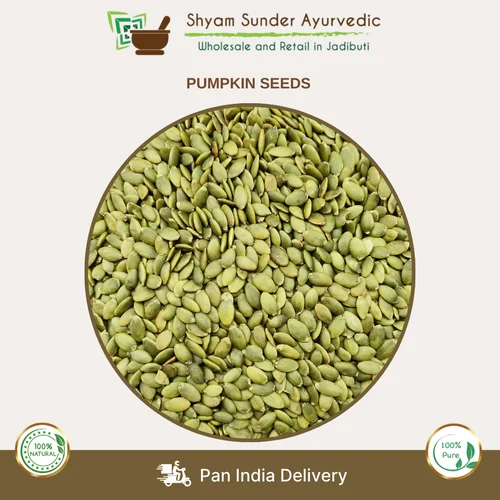
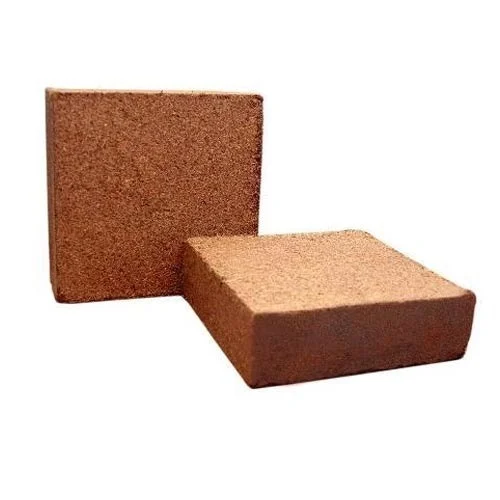
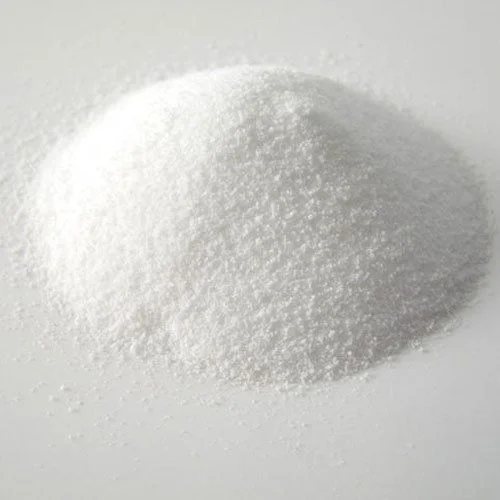
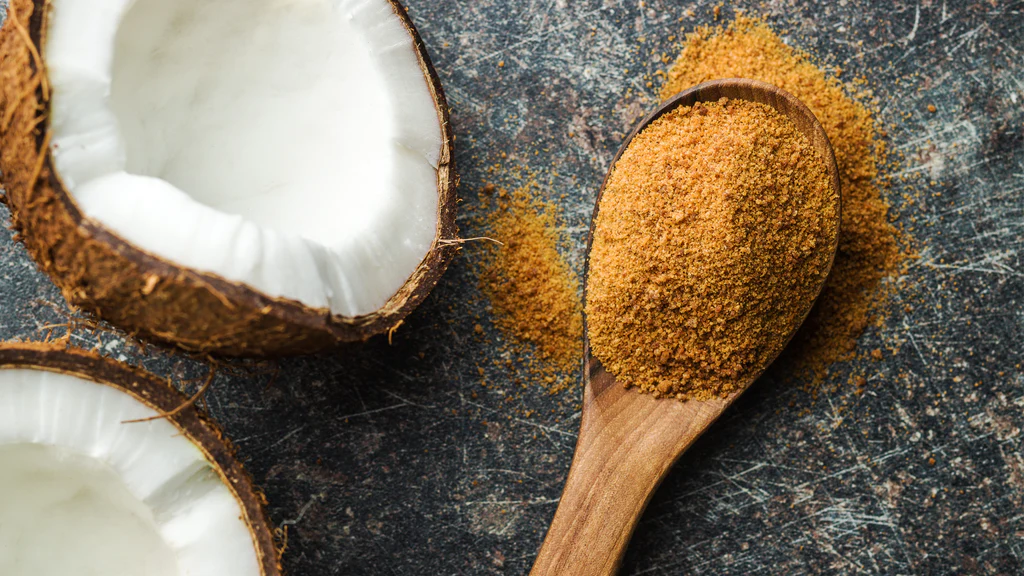
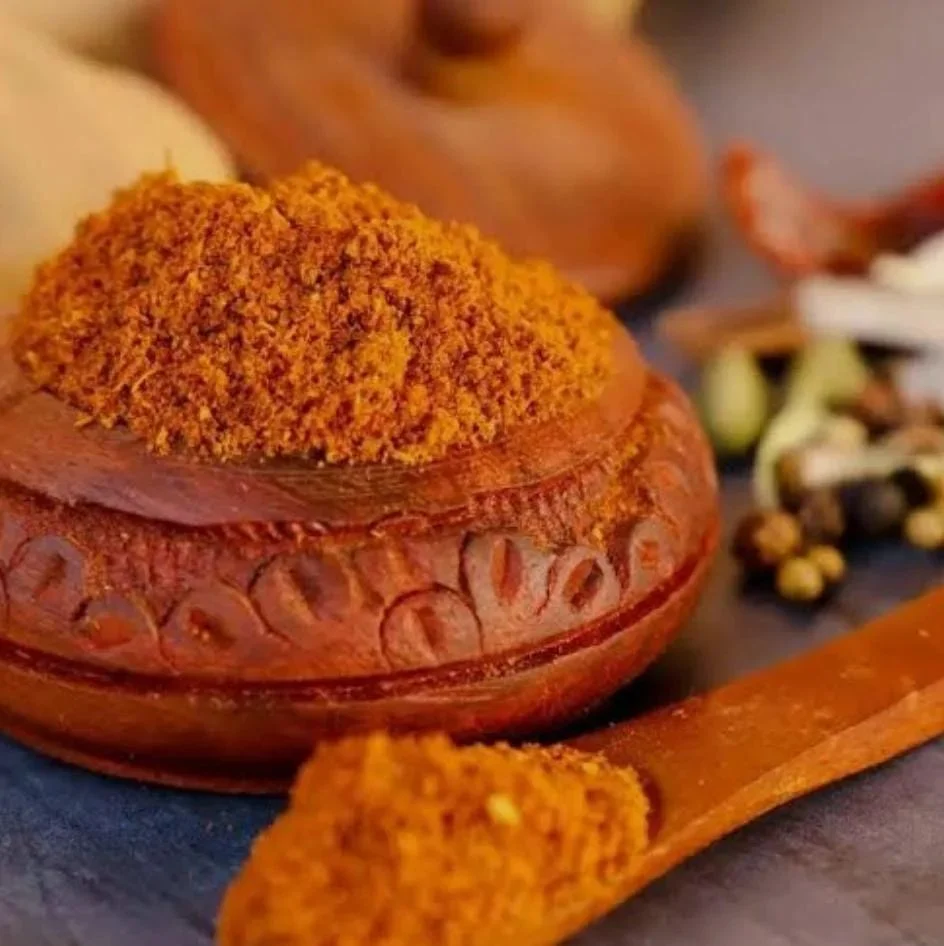
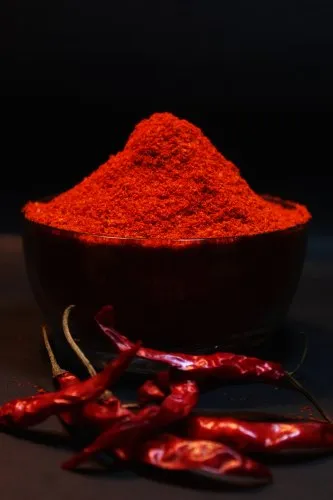
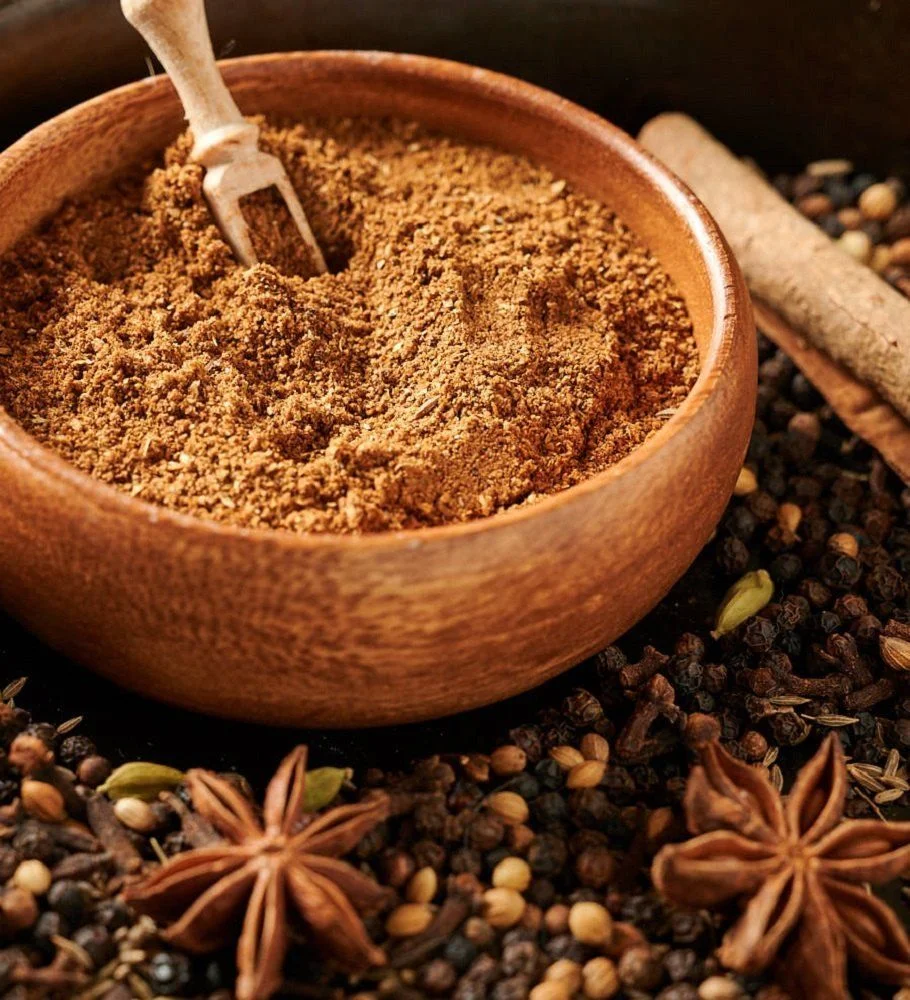
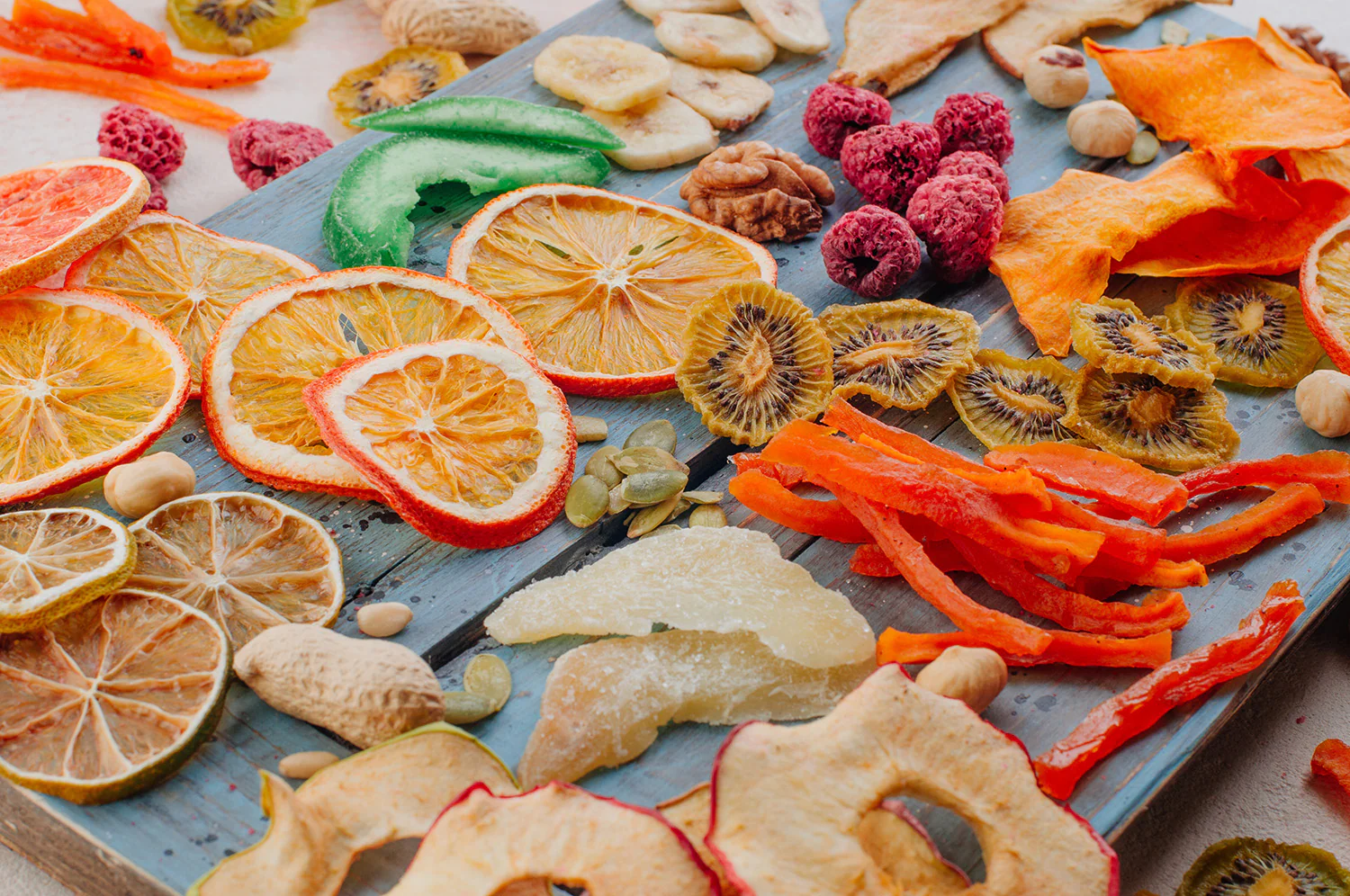
SSJ Global Exim, located in India, offers 29 active products. The company lists a variety of food and spices, including Fresh Green Chilli, Fresh Tumeric, Red Onion, Fresh Ginger, Sugar, Rice, Wheat Flour, Chickpeas, Green Cardamom, Coconut Sugar, Flour, Cashew Nuts, Turmeric Powder, Tamarind, Red Pumpkin, Fresh Fruits, Fresh Vegetables, Fresh Flowers, Indian Spices, Dry Red Chilli, Dry Spices Powder, Indian Pulses, Eggs, Millet, Groundnut Oil/Peanut Oil, Areca Plates, Sugar Products, Salt, and Coco Peat. Exporters of food and spices from India typically ship their goods to regions such as the Middle East, Africa, and Southeast Asia.
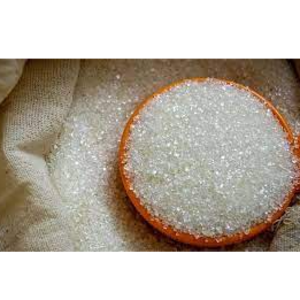
The food and spices industry in India is known for its diverse range of products, with various grades and quality standards. For example, sugar is often classified into different grades, such as ICUMSA 45, while spices like turmeric and chilli are graded based on their color, aroma, and moisture content. Buyers of food and spices usually require certifications like ISO 22000 and HACCP to ensure the quality and safety of the products.
Product Range and Specialties of SSJ Global Exim
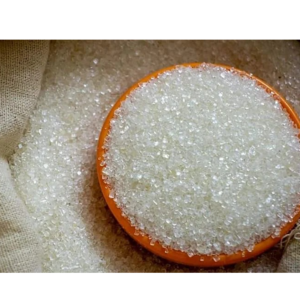
SSJ Global Exim's product range includes various types of food and spices, such as Fresh Green Chilli, Fresh Tumeric, Red Onion, Fresh Ginger, Sugar, Rice, Wheat Flour, Chickpeas, Green Cardamom, Coconut Sugar, Flour, Cashew Nuts, Turmeric Powder, Tamarind, Red Pumpkin, Fresh Fruits, Fresh Vegetables, Fresh Flowers, Indian Spices, Dry Red Chilli, Dry Spices Powder, Indian Pulses, Eggs, Millet, Groundnut Oil/Peanut Oil, Areca Plates, Sugar Products, Salt, and Coco Peat. The company's catalogue also includes products like Sugar Products, which may include different types of sugar, such as refined sugar, brown sugar, or organic sugar.
Buyers of food and spices should be aware of the typical grades and quality standards for these products. For example, rice is often classified into different grades, such as Basmati, Jasmine, or Glutinous rice, while wheat flour is graded based on its protein content, moisture content, and ash content. The common materials used in the food and spices industry include various types of packaging materials, such as jute bags, polypropylene bags, or paper bags.
Trade and Export Information - SSJ Global Exim
Exporters of food and spices from India, like SSJ Global Exim, typically export their goods to regions such as the Middle East, Africa, and Southeast Asia. The HS code families involved in the export of food and spices include 0710 for vegetables, 0904 for spices, 1006 for rice, and 1101 for wheat flour. Certifications like ISO 22000 and HACCP are commonly required for food and spices to ensure their quality and safety.
The logistics and packaging norms for food and spices exports from India typically involve shipping in 20 ft or 40 ft containers, with packaging materials like jute bags, polypropylene bags, or paper bags. The Incoterms used in the food and spices industry include CIF, FOB, and CFR. Buyers of food and spices should be aware of the relevant regulatory and inspection context, such as the Food Safety and Standards Authority of India (FSSAI) and the Spice Board of India.
Sourcing from SSJ Global Exim - Buyer Guidance
Buyers sourcing from SSJ Global Exim should request specifications, samples, test reports, and certifications like ISO 22000 and HACCP to ensure the quality and safety of the products. They should also verify the products' moisture content, purity, and other quality parameters before ordering.
Buyers should be aware of the typical quality parameters and tests required for food and spices, such as the moisture content, purity, and microbial load. They should also request documents like the Certificate of Origin, Commercial Invoice, and Packing List to ensure the products' authenticity and compliance with regulations.
Frequently Asked Questions About SSJ Global Exim
What types of food and spices does SSJ Global Exim offer?
SSJ Global Exim offers a variety of food and spices, including Fresh Green Chilli, Fresh Tumeric, Red Onion, Fresh Ginger, Sugar, Rice, Wheat Flour, Chickpeas, Green Cardamom, Coconut Sugar, Flour, Cashew Nuts, Turmeric Powder, Tamarind, Red Pumpkin, Fresh Fruits, Fresh Vegetables, Fresh Flowers, Indian Spices, Dry Red Chilli, Dry Spices Powder, Indian Pulses, Eggs, Millet, Groundnut Oil/Peanut Oil, Areca Plates, Sugar Products, Salt, and Coco Peat.
What are the typical grades and quality standards for food and spices?
The typical grades and quality standards for food and spices include various parameters like moisture content, purity, color, aroma, and microbial load. For example, sugar is often classified into different grades, such as ICUMSA 45, while spices like turmeric and chilli are graded based on their color, aroma, and moisture content.
What certifications are commonly required for food and spices?
Certifications like ISO 22000 and HACCP are commonly required for food and spices to ensure their quality and safety.
What is the typical packaging and logistics for food and spices exports from India?
The typical packaging and logistics for food and spices exports from India involve shipping in 20 ft or 40 ft containers, with packaging materials like jute bags, polypropylene bags, or paper bags. The Incoterms used in the food and spices industry include CIF, FOB, and CFR.
What documents should buyers request from SSJ Global Exim?
Buyers should request documents like the Certificate of Origin, Commercial Invoice, and Packing List to ensure the products' authenticity and compliance with regulations.
What are the relevant regulatory and inspection context for food and spices exports from India?
The relevant regulatory and inspection context for food and spices exports from India include the Food Safety and Standards Authority of India (FSSAI) and the Spice Board of India.
How can buyers verify the quality and safety of the products?
Buyers can verify the quality and safety of the products by requesting specifications, samples, test reports, and certifications like ISO 22000 and HACCP. They should also verify the products' moisture content, purity, and other quality parameters before ordering.
What is the minimum order quantity (MOQ) for SSJ Global Exim's products?
The MOQ for SSJ Global Exim's products may vary depending on the product and the buyer's requirements. Buyers should confirm the MOQ with the supplier before placing an order.




 , India