Ss Rajen Exports — Verified Supplier
About Ss Rajen Exports - Multi-Category Supplier in India
India-based Ss Rajen Exports lists six active products in its catalogue. The supplier’s portfolio spans natural fiber packaging, agricultural spices, horticultural substrate, polymer preforms, and apparel items. Specifically, the catalogue includes jute shopping bags, coco peat, green cardamom, PET preforms, round‑neck T‑shirts, and black pepper. Each product is identified by its generic category rather than detailed specifications, reflecting a broad focus on commodity‑type goods. The supplier holds a harbor trust tier on the platform, indicating a moderate level of verification.
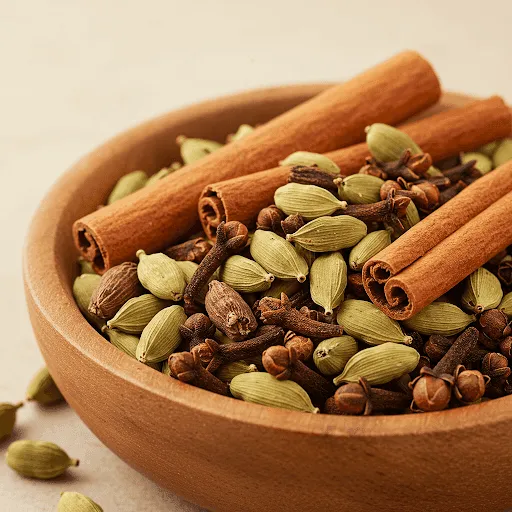
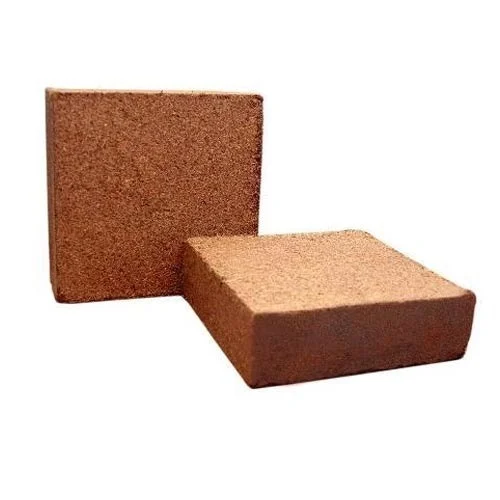
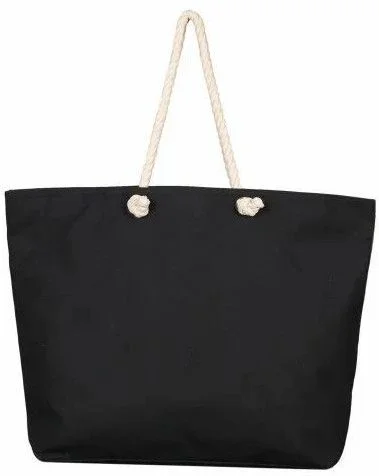
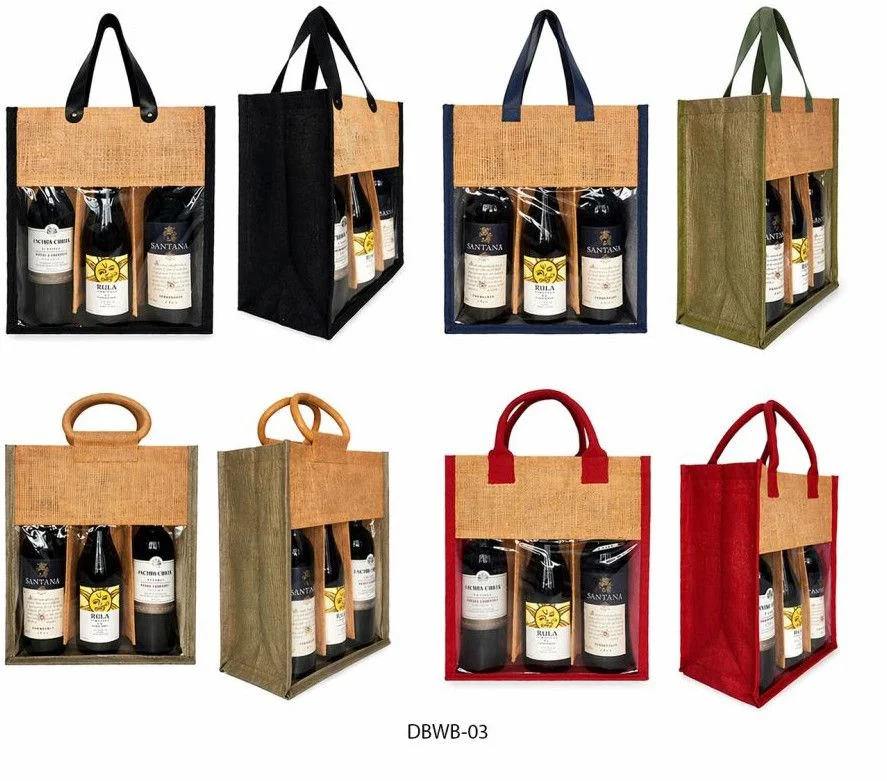
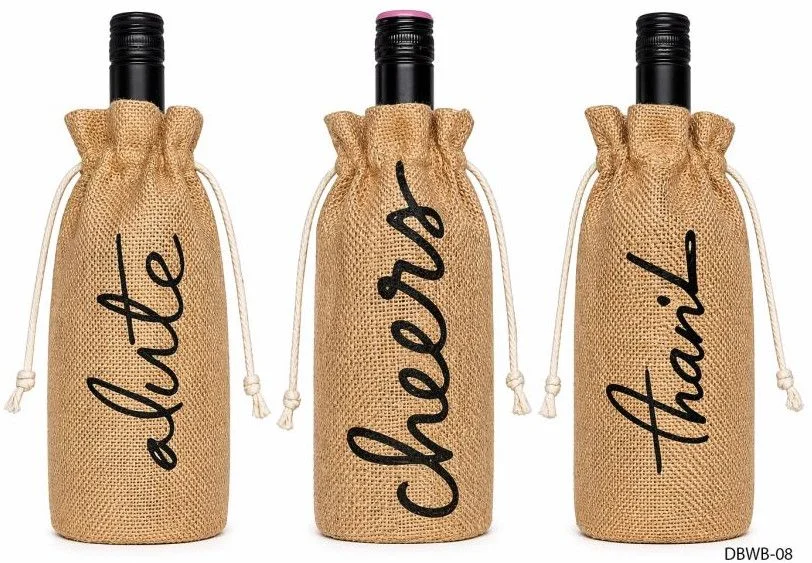
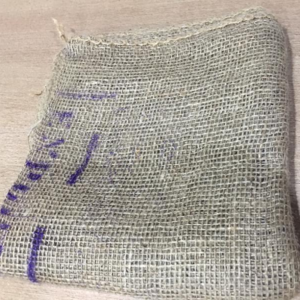
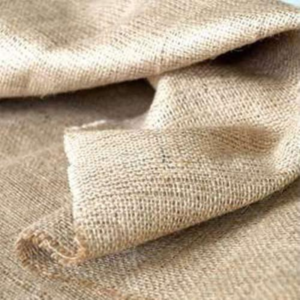
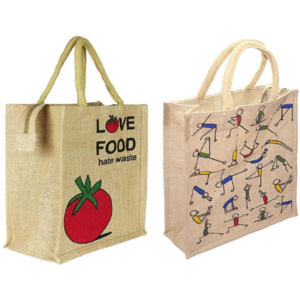
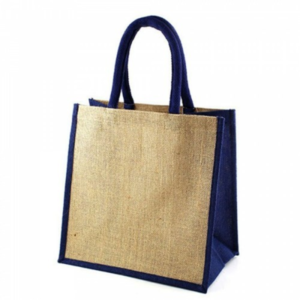
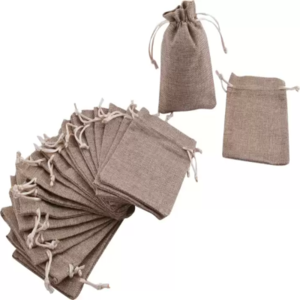
Jute bags are offered as reusable shopping carriers made from jute fiber, a biodegradable material commonly classified under HS chapter 63. Coco peat, also known as coir pith, is a lightweight, moisture‑retentive substrate used in horticulture and nursery applications. The spice line comprises green cardamom pods and black pepper berries, both exported from India in large volumes to food‑processing markets. PET preforms are injection‑molded blanks for beverage bottle manufacturing, typically shipped in bulk. Round‑neck T‑shirts are cotton or blended knit garments, standard in bulk textile trade.
Product Range and Specialties of Ss Rajen Exports
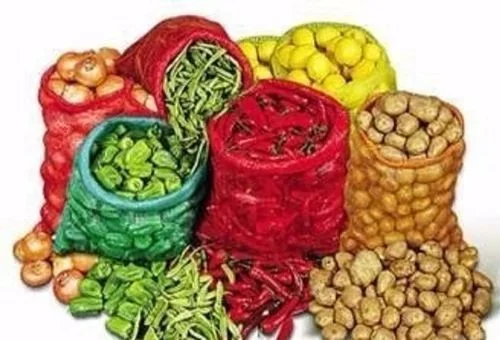
The catalogue’s jute shopping bags are produced from natural jute fiber and are typically supplied in weights ranging from 30 g m‑2 to 80 g m‑2, with common dimensions of 35 × 40 cm for standard retail use. Buyers often request tensile strength tests (minimum 20 N) and biodegradability certifications for such bags. Coco peat is sold as a horticultural growing medium, usually packed in 25 kg polypropylene bags, with a typical moisture content of 45‑55 % and a pH of 5.5‑6.5. Green cardamom is marketed in whole‑pod form, where grade A pods measure over 10 mm in length, contain ≤8 % moisture and are free of foreign matter; black pepper is commonly offered in grade A (size 5‑7 mm, moisture ≤12 %). PET preforms are injection‑molded blanks for 0.5 L or 1 L bottles, conforming to PET grade 1 specifications and often tested for wall thickness tolerance of ±0.2 mm. Round‑neck T‑shirts are supplied in cotton or cotton‑polyester blends, with fabric weights of 150‑180 g m‑2, standard sizing from S to XXL, and are usually packed in single‑piece poly bags.
Trade and Export Information - Ss Rajen Exports
India is a major exporter of jute products, with key markets in Europe, the United States and the Middle East; shipments are normally classified under HS 6305 and are subject to phytosanitary checks for residue limits. Coco peat exports from India serve horticultural growers in Southeast Asia and Europe, typically under HS 1401, and buyers often require a certificate of origin and compliance with EU plant health regulations. Green cardamom and black pepper are among India’s top spice exports, destined for Gulf Cooperation Council countries, the EU and North America; the relevant HS codes are 0905 and 0904, and buyers usually request a phytosanitary certificate, pesticide residue analysis, and a declaration of organic status where applicable. PET preforms fall under HS 3917 and are shipped in bulk pallets to beverage manufacturers in Africa and the Middle East, with common contractual terms of FOB or CIF and a need for material safety data sheets (MSDS). Apparel such as round‑neck T‑shirts is exported under HS 6109, with primary destinations in the United States, the United Kingdom and Germany; standard trade documents include a commercial invoice, packing list and, where required, a textile compliance certificate (e.g., REACH). Across these categories, Indian exporters frequently align with ISO 9001 quality management systems and may obtain additional certifications such as FSSAI for food‑grade items or Oeko‑Tex for textiles, though such certifications must be confirmed with the supplier.
Sourcing from Ss Rajen Exports - Buyer Guidance
When sourcing jute bags, request tensile strength test reports, a biodegradability assessment and, if required by the destination market, a phytosanitary certificate confirming the absence of pest residues. For coco peat, ask for a moisture‑content analysis, pH test results and a bulk density specification, together with a certificate of origin for customs clearance. Spice buyers should obtain a recent pesticide residue analysis, a phytosanitary certificate and, where relevant, an organic certification or a spice‑grade laboratory report. PET preform orders benefit from a material safety data sheet, a melt‑flow index (MFI) test result and verification that the polymer complies with food‑contact regulations such as FDA 21 CFR 177.147. For round‑neck T‑shirts, request fabric composition details, GSM verification, a size‑range chart and, if the market requires, an Oeko‑Tex or REACH compliance statement. Across all products, confirm the minimum order quantity (MOQ), typical lead time (often 30‑45 days after order confirmation) and the preferred Incoterm (FOB or CIF). Verifying these documents before payment helps mitigate risk and ensures that the goods meet the importing country’s regulatory standards.
Frequently Asked Questions About Ss Rajen Exports
What product categories does Ss Rajen Exports list in its catalogue?
The supplier lists jute shopping bags, coco peat, green cardamom, PET preforms, round‑neck T‑shirts and black pepper, totaling six active products.
Are samples available for the jute bags and spices?
Buyers can request physical samples of jute bags and small quantities of cardamom or black pepper; standard practice is to receive a sample shipment before confirming a bulk order.
Which certifications should a buyer request for the spice products?
Typical certifications include a phytosanitary certificate, recent pesticide‑residue analysis and, if applicable, an organic or FSSAI certification to satisfy food‑safety regulations.
What are the common packaging methods for coco peat and PET preforms?
Coco peat is usually packed in 25 kg woven polypropylene bags, while PET preforms are shipped in bulk on wooden pallets, often wrapped in stretch film to protect against contamination.
What minimum order quantities are typical for these product lines?
Typical MOQs are about 500 pieces for jute bags, 500 kg for coco peat, 100 kg for each spice, 10 000 pieces for PET preforms and 200 pieces for T‑shirts, though exact figures must be confirmed with the supplier.
Which HS code families are associated with the listed products?
Jute bags fall under HS chapter 63, coco peat under chapter 14, cardamom under 0905, black pepper under 0904, PET preforms under chapter 39 and T‑shirts under chapter 61, matching the standard international tariff classifications.
What lead times should a buyer expect for an order from Ss Rajen Exports?
Lead times are generally 30‑45 days from order confirmation, depending on product type, required certifications and the destination port.
Which Incoterms are commonly used for shipments from this Indian supplier?
Buyers frequently negotiate FOB (Free on Board) or CIF (Cost, Insurance, Freight) terms, with the choice depending on the buyer’s preference for freight handling and insurance responsibilities.




 , India