Sri Kvr Exports — Verified Supplier
About Sri Kvr Exports - Fresh Potato Supplier in India
Sri Kvr Exports is based in India and currently lists ten active products in its catalogue. The catalogue includes Fresh Potato, Fresh Cabbage, Fresh Okra, Fresh Onion, Fresh Raddish, Fresh Cauliflower, Maize, Turmeric Finger, Coconut and Fresh Tomota. These items fall under fresh vegetable, cereal grain and tropical raw material categories as indicated in the top categories. The supplier is classified as an imported tier with a harbor trust tier.
The product list comprises root and leafy vegetables typically harvested for fresh‑market distribution, a cereal grain (Maize), a spice root (Turmeric Finger) and a tropical nut (Coconut). Each product is identified by its common name without further specification of size, grade or packaging in the catalogue.
Product Range and Specialties of Sri Kvr Exports
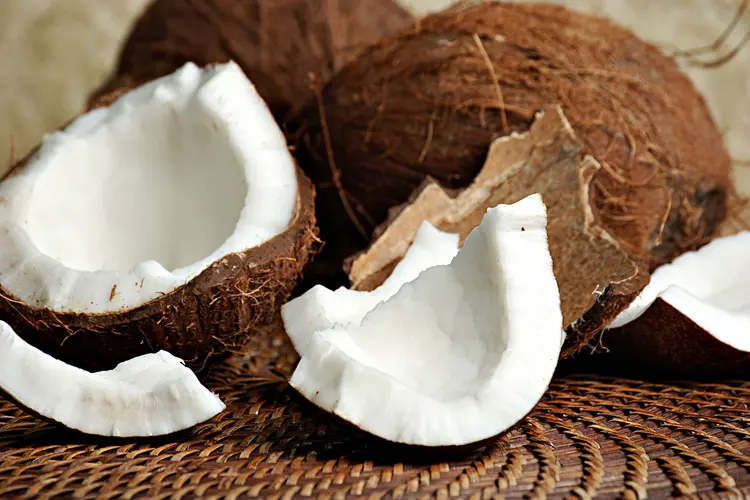
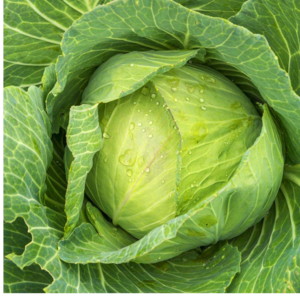
The catalogue covers Fresh Potato, Fresh Cabbage, Fresh Okra, Fresh Onion, Fresh Raddish, Fresh Cauliflower, Maize, Turmeric Finger, Coconut and Fresh Tomota. In the fresh‑vegetable trade, potatoes are graded by size (e.g., 50‑70 mm), specific gravity above 1.080 and moisture below 20 %. Cabbage heads typically weigh 1‑2 kg, onions are classified by diameter (small < 30 mm, medium 30‑45 mm, large > 45 mm), and cauliflower heads range 0.8‑1.5 kg. Maize exported from India usually meets a moisture content of 13‑14 % and is packed in 50 kg jute bags or bulk containers. Coconut is shipped whole with husk intact, water content generally 45‑55 % of fresh weight, while Turmeric Finger is dried to a moisture level of 10‑12 %.
Typical packaging for these products includes ventilated cartons for fresh vegetables, refrigerated 20‑ft containers that can hold 20‑25 tonnes of produce, and bulk or bag packaging for maize and spices. Buyers often require compliance with GlobalGAP, FSSAI registration and ISO 22000 food‑safety standards, which are common certifications for Indian fresh‑produce exporters.
Trade and Export Information - Sri Kvr Exports
Indian exporters of fresh vegetables, cereals and tropical nuts primarily serve markets in the Gulf Cooperation Council, the European Union, Southeast Asia and East Africa. Fresh produce is shipped in temperature‑controlled reefers at 0‑4 °C for potatoes and 0‑2 °C for leafy vegetables, while maize, coconut and turmeric finger travel in dry containers or bulk holds. The HS chapter for fresh vegetables is 07, for cereals 10, for nuts and oil seeds 12 and for spices 09, and buyers typically request phytosanitary certificates and certificates of origin for these codes.
Export logistics from Indian ports such as Mundra and Nhava Sheva follow standard incoterms of FOB or CIF. Regulatory requirements often include compliance with the importing country’s plant‑health regulations, residue limits set by Codex Alimentarius and documentation such as a phytosanitary certificate, certificate of origin and, where applicable, a test report for pesticide residues.
Sourcing from Sri Kvr Exports - Buyer Guidance
Buyers should obtain a product specification sheet that details size, weight, moisture content and any residue limits for each item. Samples of fresh vegetables should be shipped under a verified cold chain, while spices and nuts can be sent in sealed, moisture‑controlled packaging. Verification of GlobalGAP, FSSAI or APEDA certification and a recent phytosanitary certificate is advisable before finalising a purchase order.
Typical order quantities are expressed in metric tonnes for bulk vegetables and cereals, with minimum order quantities ranging from 5 to 20 tonnes depending on the product. Lead times for fresh produce from India are usually 7‑14 days after order confirmation, plus additional time for customs clearance. Packaging must meet ISO 22000 hygiene standards and be suitable for refrigerated transport where required.
Frequently Asked Questions About Sri Kvr Exports
What fresh vegetables are available from Sri Kvr Exports?
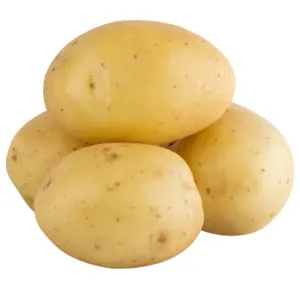
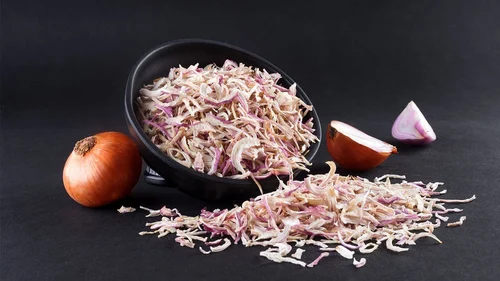
The catalogue lists Fresh Potato, Fresh Cabbage, Fresh Okra, Fresh Onion, Fresh Raddish, Fresh Cauliflower and Fresh Tomota. Each item is supplied as whole, unprocessed produce for fresh‑market distribution.
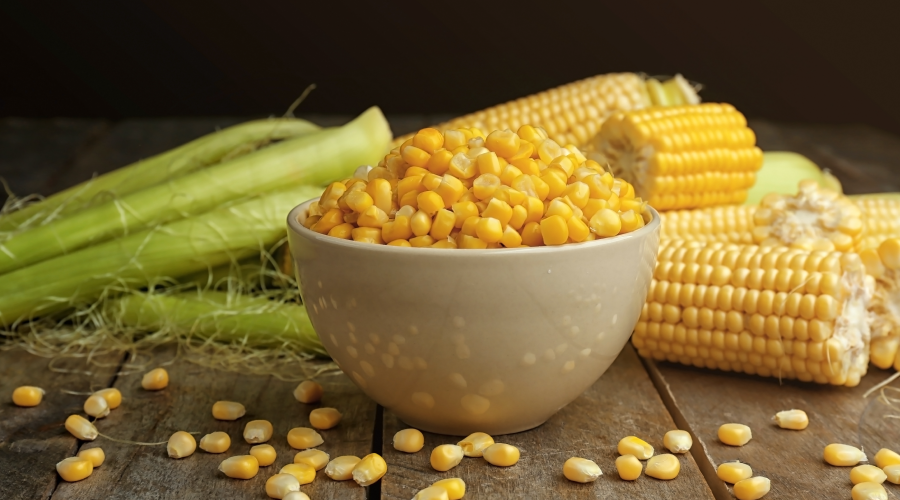
Does Sri Kvr Exports provide maize and how is it packaged?
Maize is listed as a separate product and is typically packed in 50 kg jute bags or bulk containers for export. The grain conforms to standard moisture limits of 13‑14 % to ensure safe storage and transport.
Which certifications should a buyer request for these Indian fresh produce items?
Buyers normally ask for FSSAI registration, APEDA export certification and GlobalGAP compliance, together with a phytosanitary certificate issued by the Indian plant‑quarantine authority. These documents confirm food‑safety and plant‑health standards.
What are the typical quality parameters for fresh potatoes from India?
Standard parameters include size grading of 50‑70 mm, specific gravity above 1.080, moisture below 20 % and the absence of visible defects or sprouting. Uniformity of shape and skin integrity are also commonly inspected.
How is coconut supplied and what quality checks apply?
Coconut is supplied whole with the husk intact and is usually shipped in bulk or 20 kg cartons. Quality checks focus on husk integrity, water content of 45‑55 % of fresh weight and the absence of mold or pest damage.
What documentation is required for Turmeric Finger export?
Export of Turmeric Finger generally requires a phytosanitary certificate, a certificate of origin and a test report confirming moisture content (10‑12 %) and compliance with residual pesticide limits. These documents are standard for spice‑root shipments.
What are the common shipping terms for these products?
Exporters of Indian fresh produce commonly use FOB or CIF incoterms. Refrigerated containers are used for vegetables, while standard dry containers are employed for cereals, spices and nuts.
What typical packaging is used for fresh vegetables in export shipments?
Fresh vegetables are usually packed in ventilated cardboard cartons that allow airflow, and the cartons are loaded into reefers that maintain temperatures between 0‑4 °C. For sea freight, a 20‑ft container can accommodate roughly 20‑25 tonnes of such produce.




 , India