Agriculture›
 Apparel and fashion accessories›
 Construction & real estate›💡Electronic & Electrical›🍎Food & Beverages›🛋️Home furnishing & supplies›⚗️Industrial goods & chemical›🪨Minerals & metals›📦Miscellaneous›Agriculture›Apparel and fashion accessories›Construction & real estate›💡Electronic & Electrical›🍎Food & Beverages›🛋️Home furnishing & supplies›⚗️Industrial goods & chemical›🪨Minerals & metals›📦Miscellaneous›
Spectrum Global Service
⚓ Harbor , Viet NamNew supplier / no reviews yet
Spectrum Global Service Product Catalog






About Spectrum Global Service - Coffee Supplier in Viet Nam
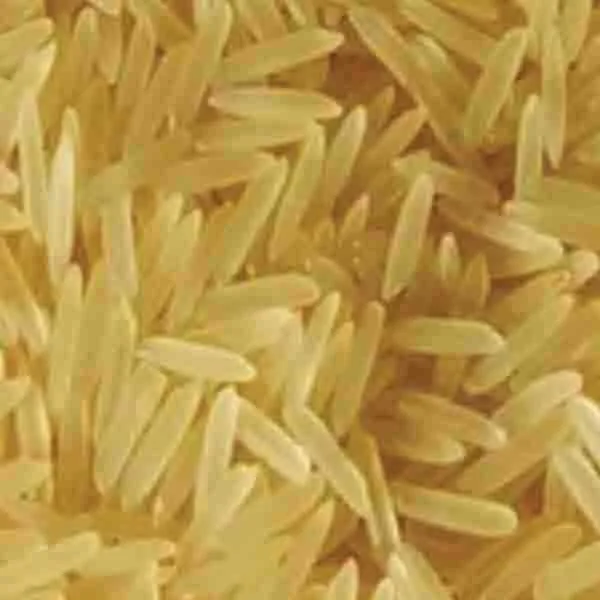
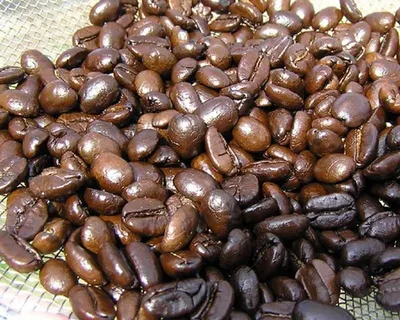
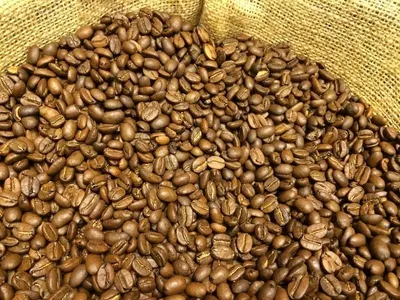
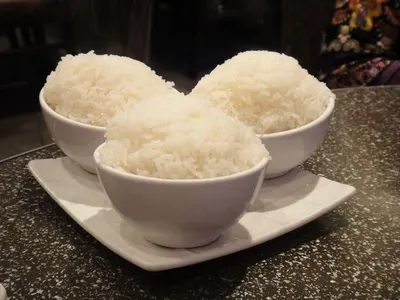
Vietnam‑based Spectrum Global Service lists fifteen active products across coffee, rice, medical face masks, powder‑free gloves and pepper. The catalogue includes Drip Coffee (Arabica), Drip Coffee (Blend), 3‑in‑1 sachet Instant Coffee, Spray‑Dried 3‑in‑1 coffee, Spray‑Dried Arabica coffee, Para‑boiled and White Rice, Roasted Robusta beans, Standard Arabica coffee, Freeze‑Dried Robusta coffee, a Standard Blend (70 % robusta / 30 % arabica), a Premium Blend (60 % robusta / 40 % arabica), a Premium 100 % Arabica product that carries HS code 0901.11 for unroasted green beans, Freeze‑Dried Arabica coffee, and whole Pepper. Each entry reflects the specific product type without aggregated blends or processed mixes.
The product set spans several HS‑code families: coffee beans and roasted coffee fall under chapter 09 (e.g., 0901.11 for green Arabica beans, 0901.12 for green Robusta, 0901.20 for roasted coffee), instant and spray‑dried coffees are classified under chapter 21 (2101.12), rice products under chapter 10 (1006 for milled rice, 1006.30 for parboiled rice), pepper under 0904.15, and medical protective equipment such as face masks under chapter 90 (9001‑9020 range). No additional certifications are listed in the supplied data.
Product Range and Specialties of Spectrum Global Service
The coffee portfolio comprises both Arabica and Robusta varieties, with standard industry grades ranging from specialty grade 1 Arabica (cup score > 80) to commercial Robusta (moisture ≈ 12 %). Freeze‑dried and spray‑dried coffees typically target a water activity below 0.4 and a residual moisture of 2‑5 %. Instant 3‑in‑1 sachets usually contain soluble solids between 30‑35 % and are packed in moisture‑barrier foil. The rice offering includes parboiled and white milled rice, which in export markets are measured for moisture content (12‑14 %), broken grain percentage (< 5 %) and polishing degree. Pepper is generally exported as whole dried berries, with grading based on size, oil content and moisture (≈ 12 %). Medical face masks and powder‑free gloves are not detailed in the catalogue, but typical exports from Vietnam meet ASTM F2100 or EN 14683 for masks and ASTM D6319 for nitrile gloves, with thickness and tensile strength specified per buyer request.
Frequently Asked Questions About Spectrum Global Service
What coffee grades are available from Spectrum Global Service?
The catalogue lists both 100 % Arabica and 100 % Robusta beans, as well as blended ratios (70 % robusta / 30 % arabica and 60 % robusta / 40 % arabica). Typical export grades range from specialty Arabica (cup score > 80) to commercial Robusta with moisture around 12 %.
Does the supplier provide HS codes for coffee products?
Only the Premium 100 % Arabica green bean product includes an HS code (0901.11). Other coffee items fall under the same chapter 09 families (e.g., 0901.12 for Robusta, 0901.20 for roasted coffee) but specific codes are not listed in the data.
What documentation should a buyer request for rice shipments?
Buyers normally ask for a phytosanitary certificate, a certificate of origin, moisture content analysis (12‑14 %) and a lab report confirming compliance with Codex maximum limits for contaminants.
Are there standard certifications for the medical face masks listed?
The facts do not list any certifications. Buyers typically require CE marking, compliance with ASTM F2100 or EN 14683, and an FDA registration if the masks are intended for the United States market.
What are the typical packaging formats for the instant coffee sachets?
Instant coffee 3‑in‑1 sachets are usually packed in moisture‑barrier foil packs, often grouped in cartons of 250 sachets for container loading. Packaging specifications should be confirmed with the supplier before order confirmation.
Viet NamRelated Suppliers & Products
Explore similar suppliers, related products and trending categories