Smart Wife Kitchenware MFG Ltd. — Verified Supplier
About Smart Wife Kitchenware MFG Ltd. - Knives & Peelers Supplier in China
China hosts an active catalogue of six kitchenware items from Smart Wife Kitchenware MFG Ltd. The catalogue concentrates on knives, peelers and stainless‑steel utensils, reflecting the company’s focus on food‑preparation tools. Each product is listed under the broad categories of Knives & Peelers and Stainless Steel Utensils, aligning with common HS‑code families for kitchen cutlery and cookware.
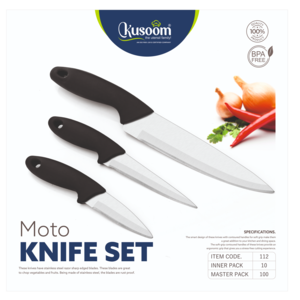
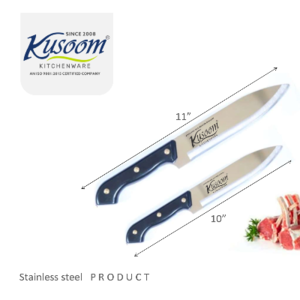
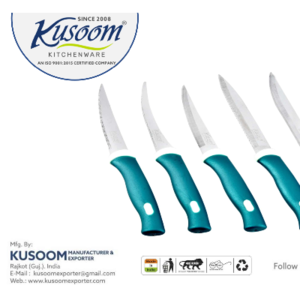
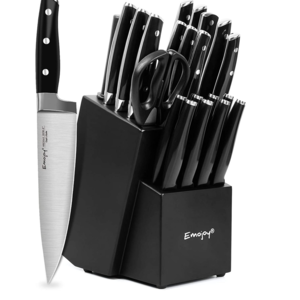
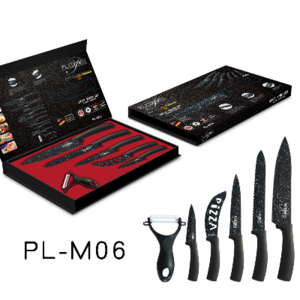
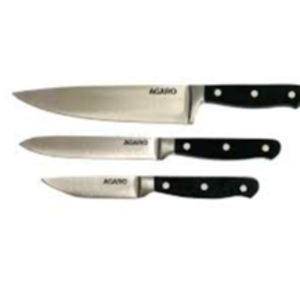
The product list includes a 24 cm three‑layer stainless steel pot, a stainless steel knife set, a carrot peeler, a general knife set, a multiple‑function vegetable tools dicer set, and a Damascus chef knife. These items cover both cookware and handheld cutting tools, offering a compact range that spans basic peeling devices to premium chef knives.
Product Range and Specialties of Smart Wife Kitchenware MFG Ltd.
The catalogue offers a 24 cm three‑layer stainless steel pot likely fabricated from food‑grade 304 stainless steel, a material standard for cookware due to its corrosion resistance and suitability for all heat sources. Knife sets are typically made from 18/10 (18 % chromium, 10 % nickel) stainless steel, providing a balance of sharpness and durability, while the Damascus chef knife usually features a layered VG‑10 core with 60‑70 layers, delivering a distinctive pattern and a hardness of 56‑58 HRC. The carrot peeler and vegetable dicer sets combine stainless steel blades with ergonomic plastic or polypropylene handles, common in mass‑produced kitchen tools.
Industry standards for these categories include blade hardness between 55‑60 HRC for professional knives, a thickness of 2‑3 mm for cookware walls, and a smooth surface finish (Ra ≤ 0.8 µm) for food‑contact surfaces. Typical packaging groups 10‑20 units per reinforced cardboard box, with a 20‑ft container capable of holding roughly 1 800 kg of assorted kitchenware, depending on product weight and packaging density.
Trade and Export Information - Smart Wife Kitchenware MFG Ltd.
Chinese exporters of stainless‑steel cookware and cutlery usually classify pots under HS 7323.19, kitchen knives under HS 8211.92 and vegetable peelers under HS 8212.99. Major import markets include the United States, the European Union and the Middle East, where buyers often require compliance with LFGB (EU), FDA (US) and REACH regulations for food‑contact items. Common certifications requested are ISO 9001 for quality management, along with material test reports confirming stainless‑steel grades, and third‑party inspection certificates such as SGS or BV.
Logistics for these goods typically involve FOB or CIF terms from major Chinese ports (e.g., Shanghai, Shenzhen). Products are shipped in standard 20‑ft or 40‑ft containers, with moisture‑resistant inner liners and outer corrugated boxes to protect the stainless‑steel surfaces during transit. Exporters frequently provide certificates of origin and comply with phytosanitary and customs documentation required by the destination country.
Sourcing from Smart Wife Kitchenware MFG Ltd. - Buyer Guidance
Buyers should request a material test report that specifies the stainless‑steel grade (e.g., 304 or 18/10) and, for the Damascus knife, a hardness certificate showing 56‑58 HRC. A pre‑shipment inspection report from a recognized third‑party agency (SGS, BV, Intertek) helps verify that dimensions, surface finish and packaging meet the buyer’s specifications. Samples of the pot, knife set and peelers are advisable to assess heat distribution, blade sharpness and ergonomic design before placing a full order.
Before confirming an order, verify the supplier’s export license and ask for copies of any applicable food‑contact certifications (LFGB, FDA, REACH). Confirm the minimum order quantity, which typically ranges from 500 to 1 000 units per SKU, and allow a production lead time of 30‑45 days after order acknowledgment. Ensure that packaging details (box size, pallet configuration, labeling) align with the buyer’s logistics chain to avoid customs delays.
Frequently Asked Questions About Smart Wife Kitchenware MFG Ltd.
What material is used for the 24 cm three‑layer stainless steel pot?
The pot is generally manufactured from food‑grade 304 stainless steel, which offers high corrosion resistance and is suitable for all cooking surfaces. The three‑layer construction improves heat distribution and reduces hot spots during cooking.
What blade hardness is typical for the Damascus chef knife?
Damascus chef knives are usually hardened to a Rockwell hardness of 56‑58 HRC, a range common for professional kitchen knives. This hardness provides a balance of edge retention and ease of sharpening.
Which certifications should a buyer request for the stainless steel knife set?
Buyers normally ask for an ISO 9001 quality‑management certificate, a material test report confirming 18/10 stainless‑steel composition, and food‑contact compliance certificates such as LFGB (EU) or FDA (US). A third‑party inspection report can further verify product conformity.
What are the typical HS codes for these products?
Kitchen cookware like the stainless‑steel pot falls under HS 7323.19, kitchen knives are classified under HS 8211.92, and vegetable peelers are listed under HS 8212.99. These codes are used for customs declaration and tariff assessment.
How are the vegetable tools dicer sets packaged for export?
The dicer sets are usually packed in reinforced cardboard boxes, with each box containing 10‑12 sets. Boxes are sealed with plastic film to protect the stainless‑steel blades from moisture and damage during transit.
What is the usual minimum order quantity and lead time for these items?
Typical minimum order quantities range from 500 to 1 000 units per product line, depending on the item. Production lead time after order confirmation is commonly 30‑45 days, subject to material availability.
How can a buyer verify product compliance before shipment?
Request a pre‑shipment inspection report from a recognized agency (e.g., SGS) and obtain material certificates and test reports that detail stainless‑steel grade, hardness and surface finish. Reviewing these documents helps ensure the goods meet the buyer’s specifications before they leave the factory.
What Incoterms are most frequently used for exporting these kitchenware products from China?
Exporters often use FOB (Free on Board) from major Chinese ports or CIF (Cost, Insurance, Freight) to the buyer’s destination port. The chosen term determines who arranges shipping, insurance and customs clearance.




 , China