Smart Stones — Verified Supplier
About Smart Stones - Agriculture and Marble & Granite Supplier in Egypt
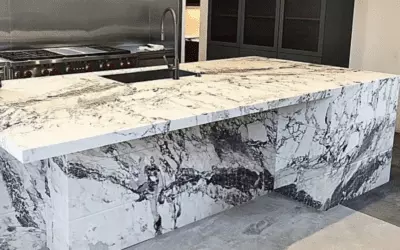
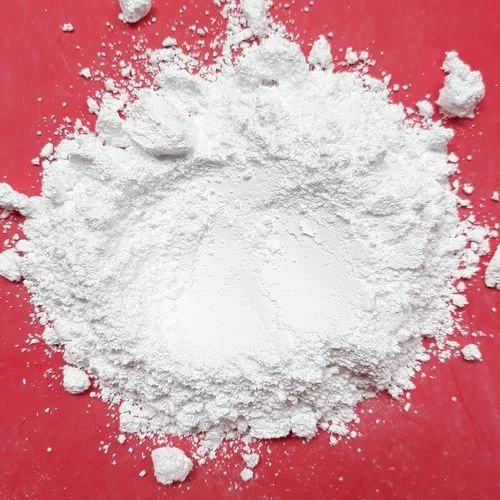
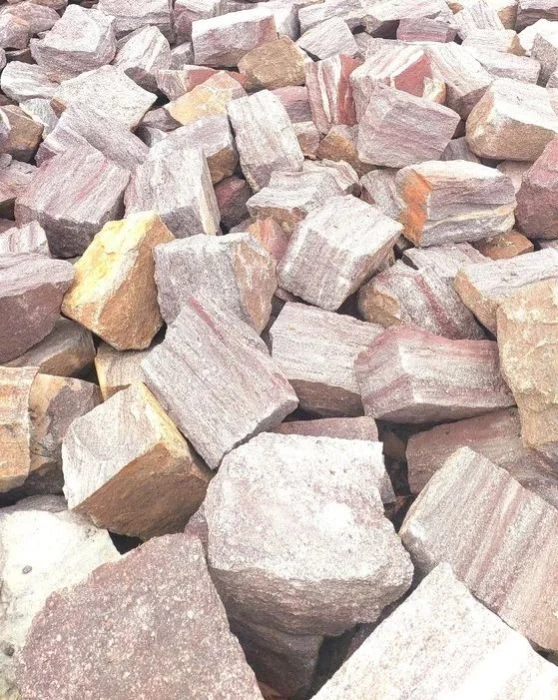
Egypt, a significant player in the global trade of agricultural and marble products, is home to Smart Stones, a supplier with 6 active products. The company's product range includes Fly Ash, Calcium Carbonate, Egyptian Marble - Sunny, Talc, Kaolin, and Egyptian Marble. These products cater to various industries, with Fly Ash and Calcium Carbonate being used in construction and agriculture, while Egyptian Marble - Sunny and Egyptian Marble are used in construction and decoration. Talc and Kaolin are used in ceramics, paper, and cosmetics.
The Egyptian Marble products from Smart Stones are likely to be of quality, given Egypt's reputation for producing excellent marble. The country's marble industry is known for its strict quality control measures, ensuring that products meet international standards. Smart Stones' products, including Fly Ash and Calcium Carbonate, may be used in various applications, including soil conditioning, construction, and manufacturing.
Product Range and Specialties of Smart Stones
Smart Stones' product range includes a variety of materials, such as Fly Ash, which is commonly used as a cement substitute, and Calcium Carbonate, which is used as a filler and coating pigment. The Egyptian Marble products are likely to be of quality, with standards such as ISO 13007 for marble and natural stone. Buyers of these products typically require certifications such as ISO 9001 for quality management and ISO 14001 for environmental management.
The company's catalogue also includes Talc and Kaolin, which are used in various industries, including ceramics, paper, and cosmetics. These products are likely to meet standards such as ISO 3262 for kaolin and ISO 10601 for talc. Buyers of these products may also require certifications such as ISO 22000 for food safety management.
Trade and Export Information - Smart Stones
Exporters of agriculture and marble products from Egypt, such as Smart Stones, typically export to regions such as Europe, the Middle East, and Africa. These goods are often transported via sea, with ports such as Alexandria and Port Said being major hubs. The HS code families involved in the trade of these products include 2505 for kaolin, 2526 for talc, and 6802 for marble and natural stone.
Buyers of these products usually require compliance with regulations such as the EU's Construction Products Regulation and the US's Toxic Substances Control Act. Certifications such as CE marking for construction products and FDA compliance for food contact materials may also be required. Smart Stones' target markets, if any, are not specified, but the company's products are likely to be in demand in regions with significant construction and manufacturing activities.
Sourcing from Smart Stones - Buyer Guidance
When sourcing from Smart Stones, buyers should request specifications, samples, and test reports to verify the quality of the products. For example, buyers of Egyptian Marble products may want to request a sample with a specific size and finish, such as polished or honed. Buyers of Fly Ash and Calcium Carbonate may want to request a certificate of analysis, which includes parameters such as moisture content and particle size.
Buyers should also verify the company's certifications, such as ISO 9001 and ISO 14001, and request documents such as material safety data sheets and certificates of origin. It is also important to confirm the packaging and shipping details, including the use of Incoterms such as FOB or CIF, and to ensure that the products are properly labeled and marked.
Frequently Asked Questions About Smart Stones
What is the typical moisture content of Fly Ash from Smart Stones?
The typical moisture content of Fly Ash from Smart Stones is likely to be less than 1%, as specified in the ASTM C618 standard. However, buyers should request a certificate of analysis to confirm the actual moisture content.
What is the typical size of the Egyptian Marble products from Smart Stones?
The typical size of the Egyptian Marble products from Smart Stones can vary, but common sizes include 30x30 cm, 40x40 cm, and 60x60 cm. Buyers should request a sample with a specific size and finish to verify the quality of the product.
What certifications should buyers request from Smart Stones?
Buyers should request certifications such as ISO 9001 for quality management and ISO 14001 for environmental management. Additionally, certifications such as CE marking for construction products and FDA compliance for food contact materials may be required, depending on the specific product and application.
What is the minimum order quantity (MOQ) for Smart Stones' products?
The MOQ for Smart Stones' products is not specified, but buyers should request this information to confirm the company's requirements. Typically, MOQs for marble and natural stone products can range from 10 to 100 tons, depending on the product and supplier.
What is the lead time for Smart Stones' products?
The lead time for Smart Stones' products is not specified, but buyers should request this information to confirm the company's requirements. Typically, lead times for marble and natural stone products can range from 2 to 6 weeks, depending on the product and supplier.
What packaging options are available for Smart Stones' products?
The packaging options for Smart Stones' products are not specified, but buyers should request this information to confirm the company's requirements. Typically, packaging options for marble and natural stone products can include wooden crates, pallets, and containers.
What shipping options are available for Smart Stones' products?
The shipping options for Smart Stones' products are not specified, but buyers should request this information to confirm the company's requirements. Typically, shipping options for marble and natural stone products can include sea freight, air freight, and land transport.
What is the Incoterm used by Smart Stones for international shipments?
The Incoterm used by Smart Stones for international shipments is not specified, but buyers should request this information to confirm the company's requirements. Typically, Incoterms such as FOB, CIF, and DDP are used for international shipments of marble and natural stone products.




 , Egypt