SKS Global Consultants — Verified Supplier
About SKS Global Consultants - Agriculture Supplier in India
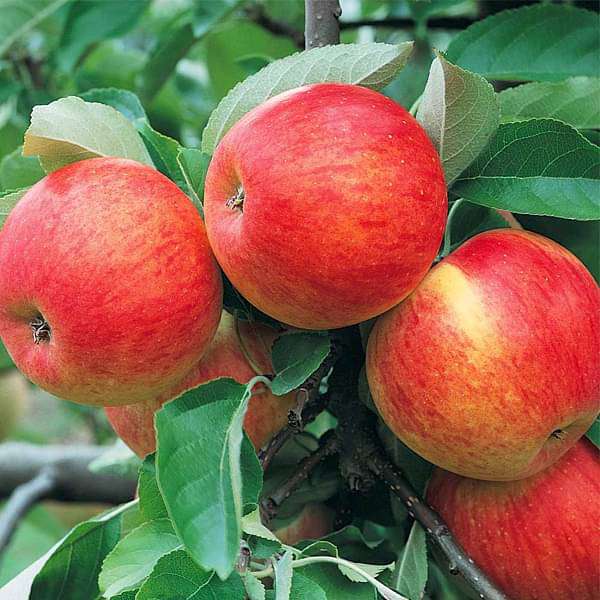
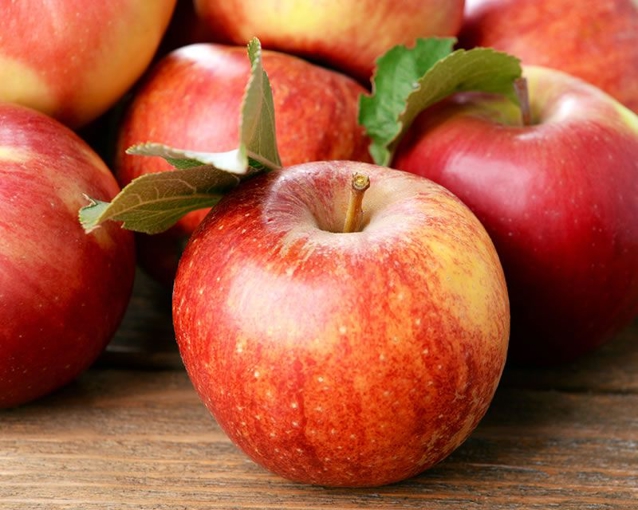
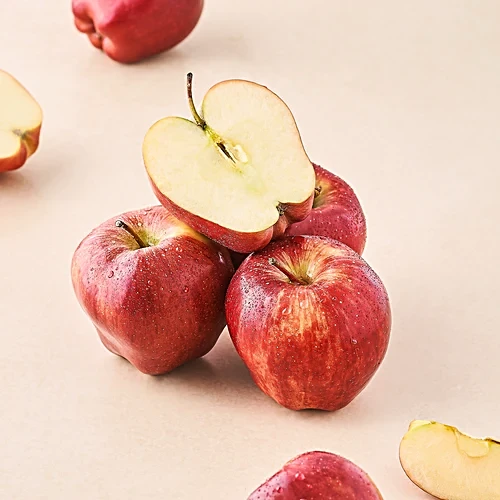
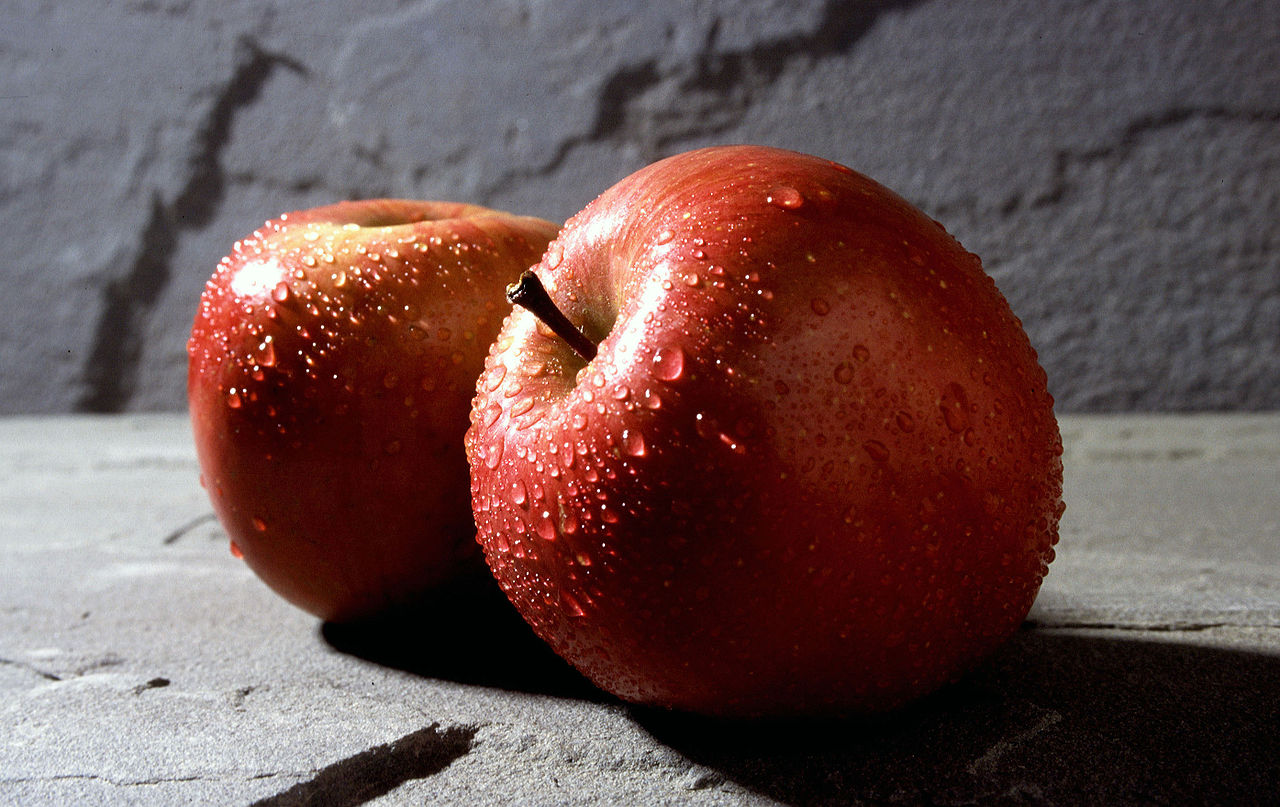
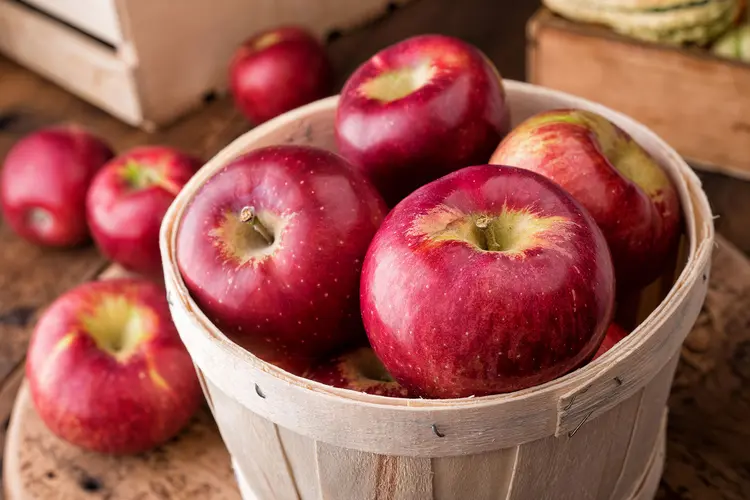
India hosts the supplier SKS Global Consultants, which currently lists 50 distinct products across its catalogue. The portfolio includes fresh fruits such as apples (HS 0808.10), bananas (HS 0803.90), grapes (HS 0806.10), lychee and pomegranate (both HS 0810.90), as well as citrus like oranges (HS 0805.10) and watermelon (HS 0807.11). Vegetable items cover potato, tomato, cabbage, onion, capsicum, cauliflower and green chilli. The food line also comprises basmati rice (HS 1006.30), non‑basmati rice, white sugar, wheat seeds, and edible oils such as sunflower and rice bran oil. In addition, the catalogue lists men’s and ladies’ shirts and round‑neck T‑shirts.
The top‑level categories reported by the supplier are Apple, Shirts & T‑Shirts, Basmati Rice, Agriculture, Other Edible Oils, Non‑Basmati Rice, Other Fresh Vegetables and Fresh Potato, reflecting a mix of horticultural produce and textile products. Each listed item is identified by its material description where provided, for example fresh apples are classified under "Fresh Fruit - Apples (Malus domestica)". The HS code families span Chapter 08 (fresh fruit), Chapter 07 (vegetables), Chapter 10 (cereals) and Chapter 15 (animal or vegetable oils), matching the product types present in the catalogue.
Product Range and Specialties of SKS Global Consultants
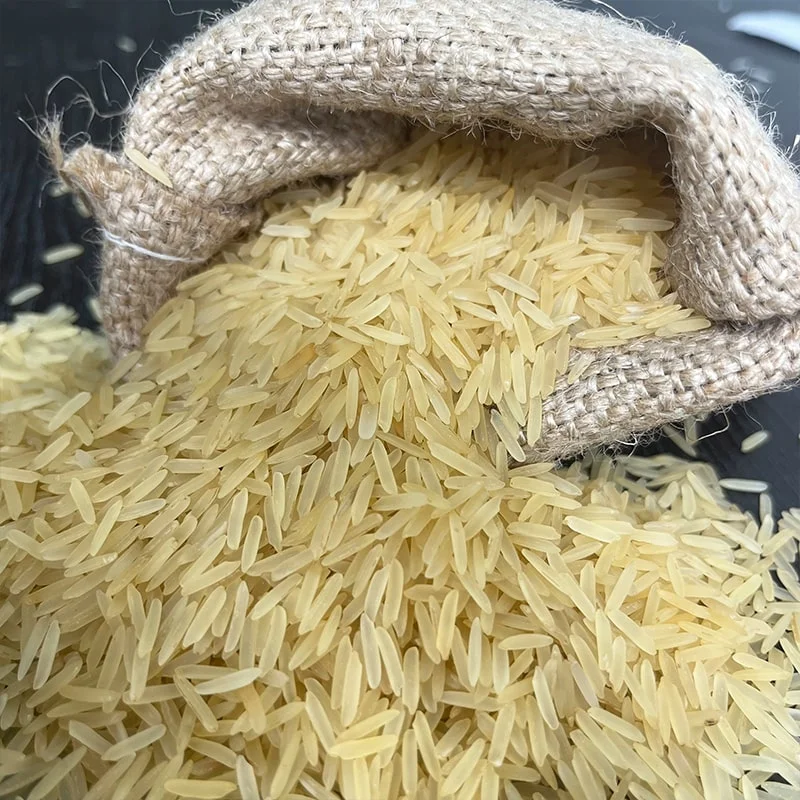
The catalogue covers a broad set of agricultural goods: fresh apples, bananas, grapes, lychee, pomegranate, oranges, watermelon and a full range of vegetables including potato, tomato, cabbage, onion, capsicum, cauliflower and green chilli. It also lists basmati and non‑basmati rice, white sugar, wheat seeds, sunflower oil, rice bran oil and apparel items such as men’s shirts, ladies’ shirts and round‑neck T‑shirts. In international trade, export‑grade apples are usually classified as USDA Grade A or EU Class I, with size limits of 70 - 80 mm and sugar content above 10 %. Basmati rice destined for the Middle East typically meets ICUMSA 0 standards, moisture ≤14 % and broken grain ≤5 %. Edible oils are expected to have free fatty acid levels below 0.1 % and peroxide values under 10 meq kg⁻¹. Apparel is commonly 100 % cotton with a GSM of 150 - 180 and must pass ISO 105‑C06 colour‑fastness tests.
Trade and Export Information - SKS Global Consultants
India is a leading exporter of fresh horticultural produce, supplying the Gulf Cooperation Council, the European Union and South Asian markets. Fresh fruit shipments under HS chapter 08 are usually packed in refrigerated 40‑ft containers or wooden crates with insulated liners, and require a phytosanitary certificate, a certificate of origin and compliance with FSSAI or APEDA regulations. Basmati and non‑basmati rice (HS 1006) are shipped in 20‑ft or 40‑ft dry containers, often on FOB terms from ports such as Mumbai, with buyers typically requesting ISO 9001 or ISO 22000 quality system certificates. Indian edible oils (HS 1515) are exported to Europe and North America, where buyers often ask for EU‑approved pesticide residue limits and a free‑fatty‑acid analysis. Standard incoterms include FOB for buyers who prefer to arrange freight, and CIF for destinations in the Middle East where sellers provide insurance and freight to the port of discharge.
Sourcing from SKS Global Consultants - Buyer Guidance
Buyers should request a phytosanitary certificate and a pesticide‑residue analysis for any fresh fruit or vegetable order, together with a moisture‑content test and size‑grade report to verify compliance with destination market standards. For rice, a lab report confirming moisture ≤14 %, broken grain ≤5 % and kernel length after cooking is essential before finalising a contract. Apparel purchasers are advised to obtain fabric composition details, a GSM measurement, a size‑chart and a wash‑fastness test report, and to confirm that the garments meet any applicable REACH or Oeko‑Tex requirements. It is also prudent to verify the supplier’s export documentation - commercial invoice, packing list, certificate of origin and, where applicable, FSSAI or APEDA registration - and to clarify minimum order quantities (e.g., 500 kg for fresh fruit, 10 MT for rice, 500 pieces for shirts) and lead times (2‑4 weeks for fruit, 4‑6 weeks for rice, 6‑8 weeks for apparel).
Frequently Asked Questions About SKS Global Consultants
What fresh fruit varieties does SKS Global Consultants export and under which HS codes?
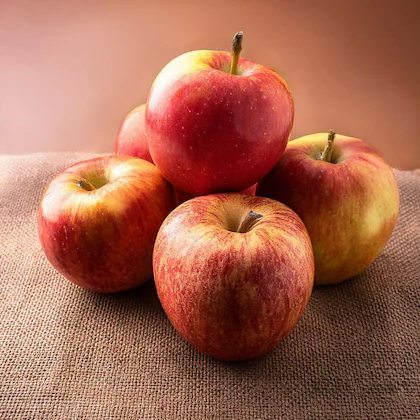
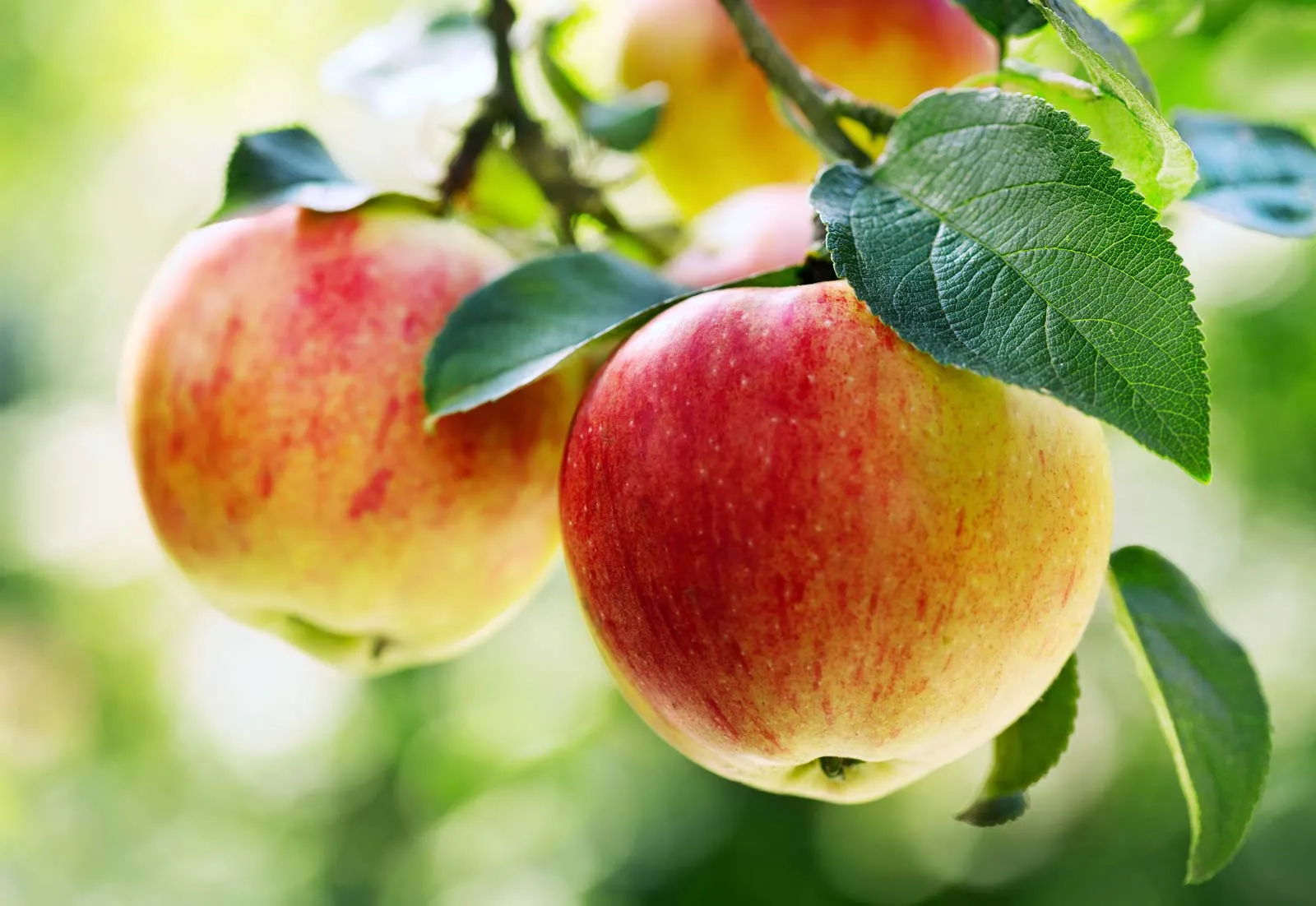
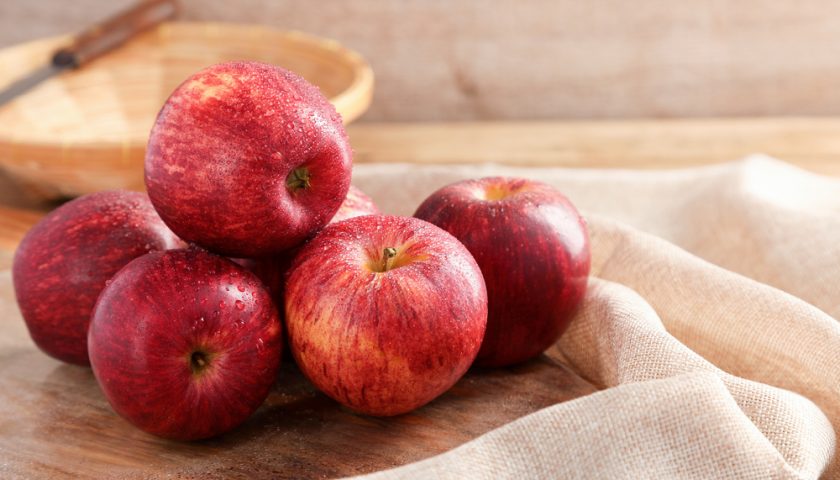
The supplier lists apples (HS 0808.10), bananas (HS 0803.90), grapes (HS 0806.10), lychee and pomegranate (both HS 0810.90), oranges (HS 0805.10) and watermelon (HS 0807.11). Each fruit is described with its botanical material, enabling buyers to match customs documentation.
Which rice products are available and what are their typical specifications?
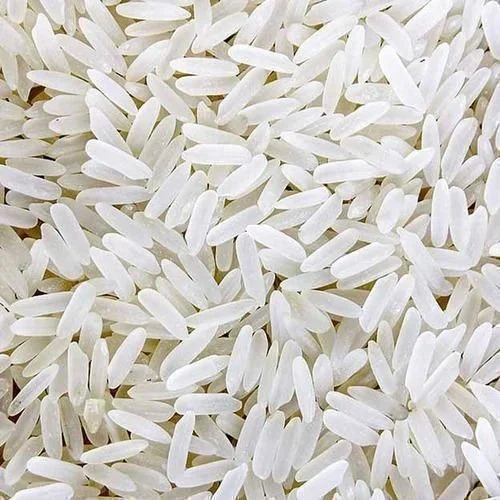
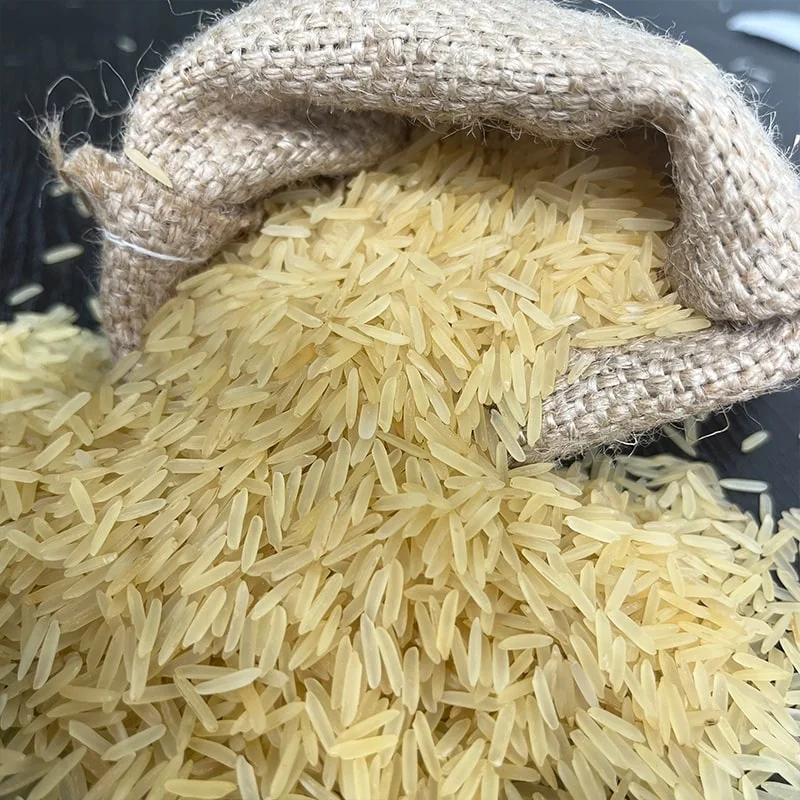
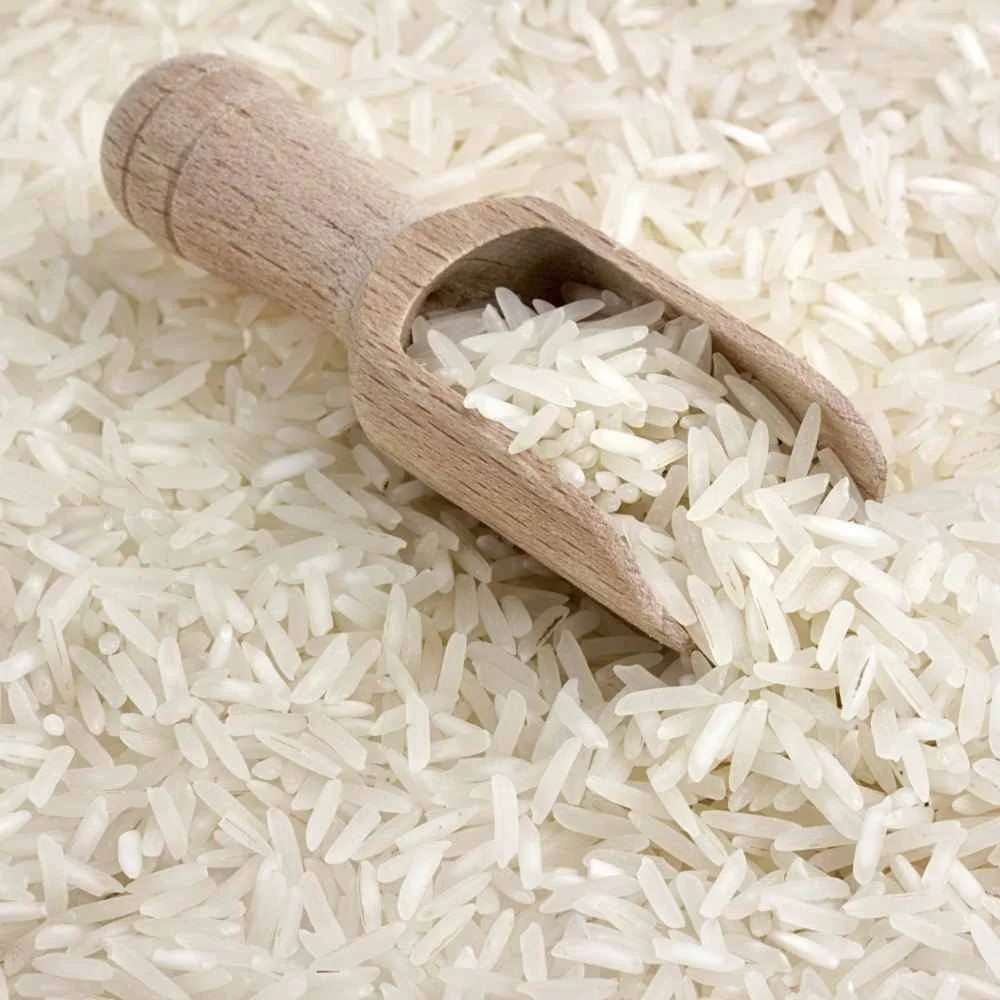
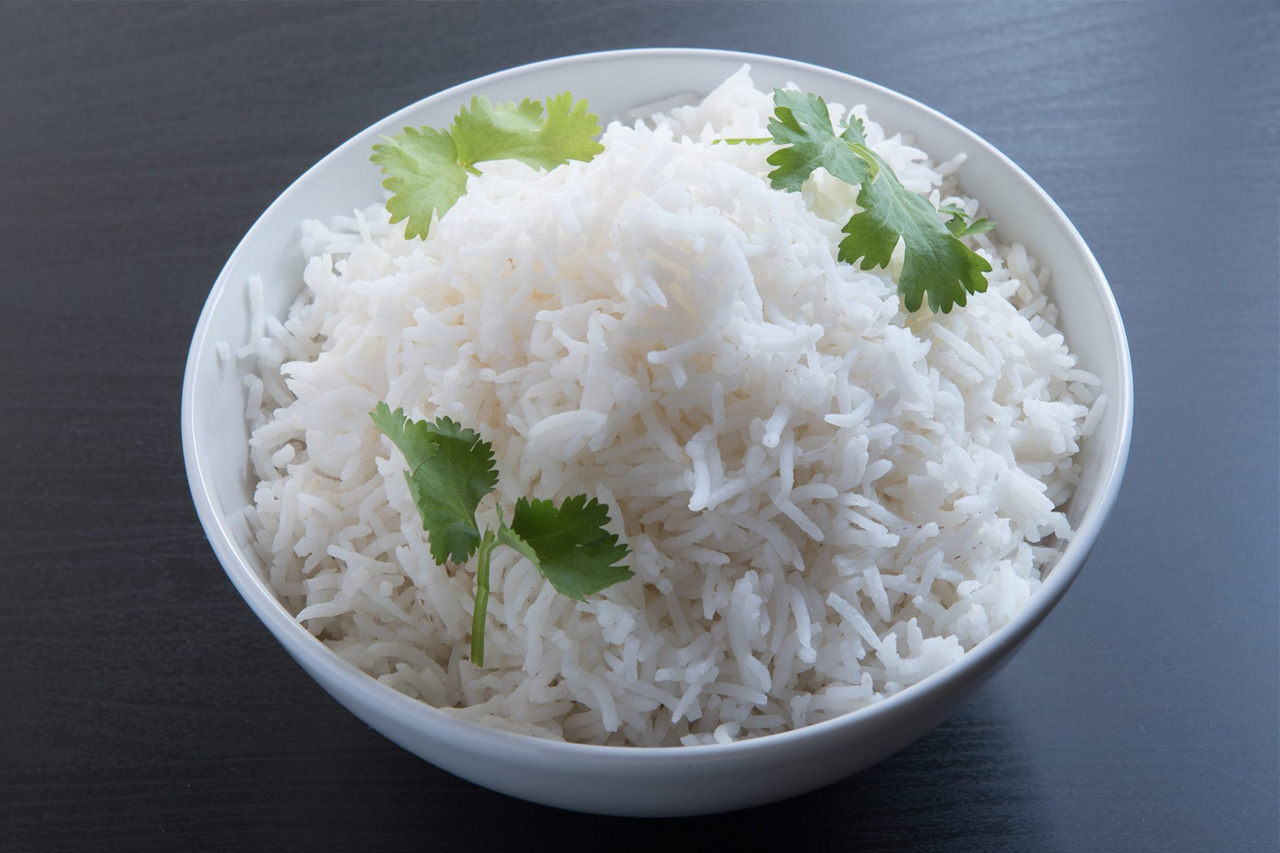
SKS Global offers basmati rice (HS 1006.30) and non‑basmati rice. Export‑grade basmati usually has moisture ≤14 %, broken grain ≤5 % and a kernel length of 6‑7 mm after cooking. Buyers often request a laboratory report confirming these parameters.
What edible oil varieties are included in the catalogue?
The catalogue includes sunflower oil and rice bran oil. Standard export specifications call for free fatty acid levels below 0.1 % and peroxide values under 10 meq kg⁻¹, with bulk packaging typically in 20‑ft or 40‑ft containers.
Are apparel items such as shirts and T‑shirts part of the product range?
Yes, the supplier lists men’s shirts, ladies’ shirts and men’s round‑neck T‑shirts. Typical fabric composition is 100 % cotton with a GSM between 150 and 180, and buyers usually ask for size charts and wash‑fastness test reports.
What documentation should a buyer request before placing an order for fresh produce?
Buyers should ask for a phytosanitary certificate, a pesticide‑residue analysis report, a certificate of origin and the supplier’s FSSAI or APEDA registration. These documents satisfy most import regulator requirements for Indian horticultural products.
Which incoterms are commonly used for shipments from India?
Exporters from India frequently use FOB (Free on Board) from major ports such as Mumbai or Nhava Sheva, and CIF (Cost, Insurance, Freight) to destinations in the Middle East and Europe. The choice depends on the buyer’s preferred risk allocation.
What are the typical minimum order quantities and lead times for the main product groups?
Fresh fruit orders often start at 500 kg per variety with a 2‑4 week lead time after harvest. Basmati rice usually requires a 10 metric‑ton MOQ and 4‑6 weeks for processing and container loading. Apparel items commonly have a MOQ of 500 pieces per style with a 6‑8 week production cycle.




 , India