Agriculture›
 Apparel and fashion accessories›
 Construction & real estate›💡Electronic & Electrical›🍎Food & Beverages›🛋️Home furnishing & supplies›⚗️Industrial goods & chemical›🪨Minerals & metals›📦Miscellaneous›Agriculture›Apparel and fashion accessories›Construction & real estate›💡Electronic & Electrical›🍎Food & Beverages›🛋️Home furnishing & supplies›⚗️Industrial goods & chemical›🪨Minerals & metals›📦Miscellaneous›
Shreeji Enterprises Product Catalog





About Shreeji Enterprises - Welding & Wire Mesh Machinery Supplier in India
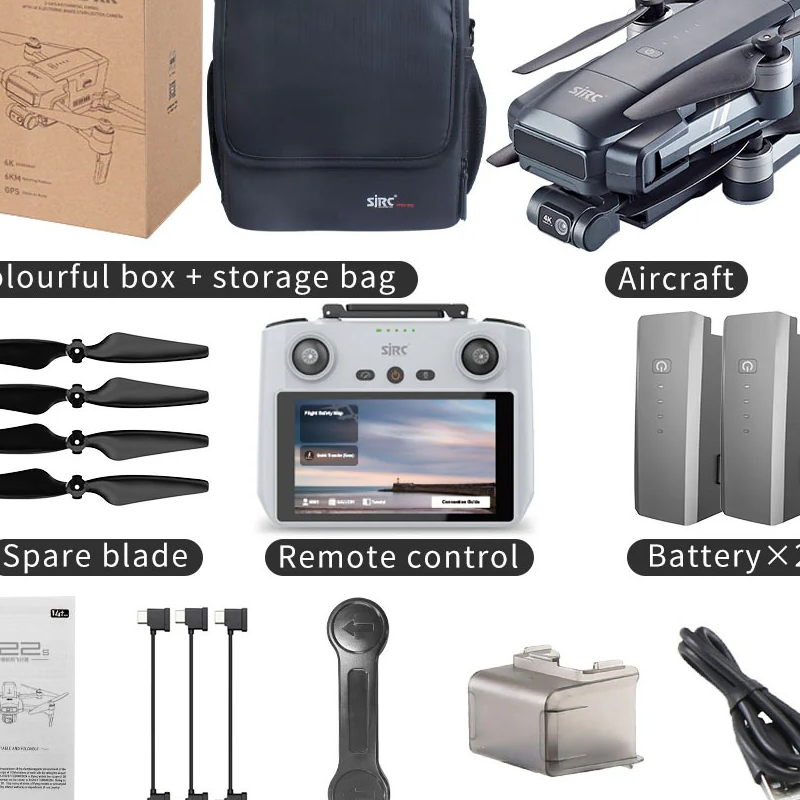
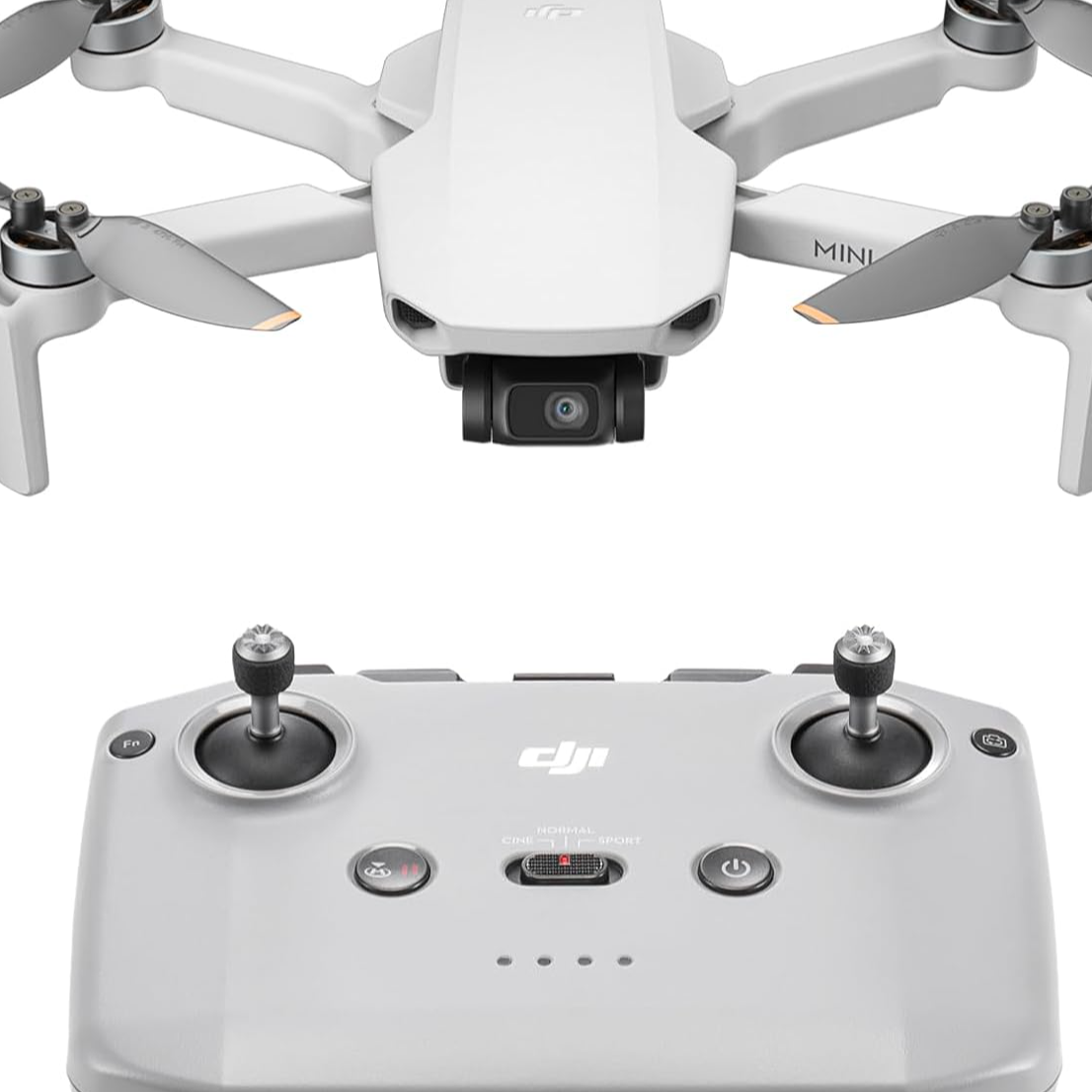
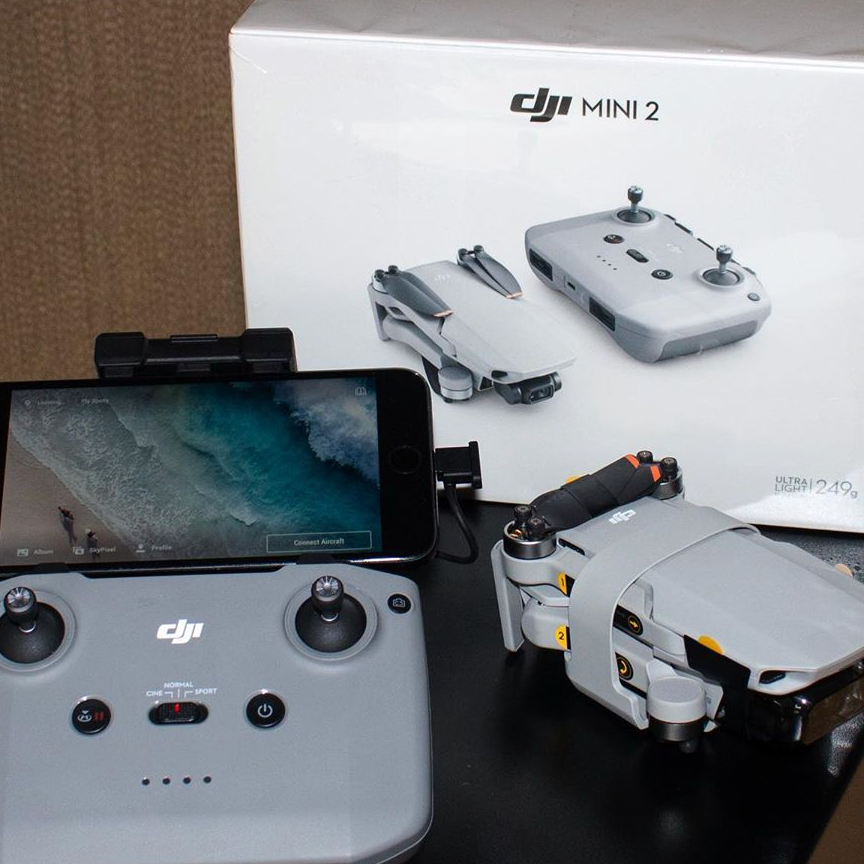
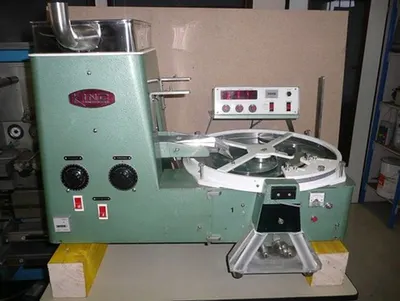
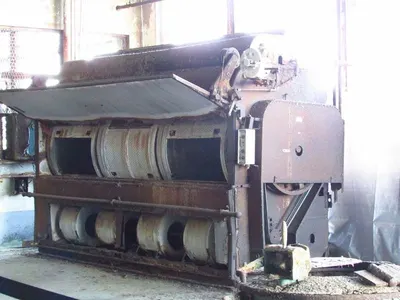
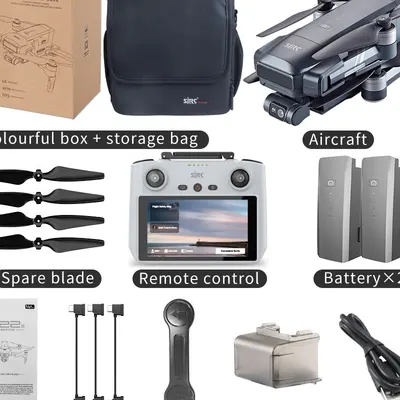
Shreeji Enterprises is registered in Mumbai City, Maharashtra, India and currently lists eight active products on its catalogue. The supplier’s portfolio combines consumer‑grade unmanned aerial vehicles with a small selection of metal and packaging machinery items, reflecting a diversified product mix. The drone entries include multiple 4K camera models with flight ranges up to six kilometres and battery capacities that support more than one hour of operation. The remaining items comprise a heading machine, a galvanized‑iron sheet, a glass pillar holder and a Lami tube plant, each identified by a single product line in the catalogue. All entries are presented without reference to specific certifications or export licences in the supplied data.
The product titles indicate that the drone range targets the hobbyist and light‑professional segment, featuring sub‑250 g airframes, three‑axis gimbals and GPS‑based return‑to‑home functions. The mechanical items are described generically, suggesting use in packaging or metal‑working applications, but no further technical details such as power rating or material thickness are supplied. The catalogue does not provide HS‑code designations, so any tariff classification must be inferred from standard industry codes for the respective product families.
Product Range and Specialties of Shreeji Enterprises
The listed drones fall under the consumer UAV category, typically classified under HS chapter 85 (electrical machinery) with sub‑headings such as 8543.99 for aerial vehicles. Industry standards for this class include FCC Part 15 compliance, CE marking for the European market, and a maximum take‑off weight below 250 g to avoid additional regulatory burdens. Common specifications buyers look for are camera resolution (4 K), transmission range (4‑10 km), flight time (20‑30 min), and battery voltage (11.1‑14.8 V). The heading machine, galvanized‑iron sheet and glass pillar holder belong to the metal‑working and packaging equipment sectors, usually coded under HS 8462 (machinery for working metal) and HS 7308 (structure tubes and profiles). Typical grades for galvanized‑iron sheet follow ASTM A653 with zinc coating around 55 µm, while tube products conform to ASTM A53 or EN 10220 dimensions.
Frequently Asked Questions About Shreeji Enterprises
What are the key technical specifications of the drones listed by Shreeji Enterprises?
The drones are advertised with 4 K UHD cameras, three‑axis gimbals, GPS‑based return‑to‑home, and transmission ranges between 4 km and 6 km. Their airframe weight is under 250 g, providing a flight time of roughly 20‑30 minutes per charge.
What are common lead times for orders from Shreeji Enterprises?
Lead times reported for electronic drones range from 15 to 30 days after order confirmation, while metal products such as sheets or tubes may require 30‑45 days due to material processing and quality testing.
Which certifications should a buyer request for the drone products?
Buyers should request FCC Part 15 compliance, CE marking for European markets, and a RoHS declaration for hazardous substance limits. Test reports confirming camera resolution and battery safety are also standard.
What material standards apply to the galvanized‑iron sheet offered?
The sheet typically follows ASTM A653 specifications, with a zinc coating thickness around 55 µm and a minimum yield strength of 270 MPa. A mill‑test report should document the exact composition and coating weight.
How are the metal items usually packaged for export?
Export shipments are commonly placed in wooden crates with internal foam or cardboard separators to protect edges. Items are palletised and secured for loading into 20‑ft or 40‑ft containers under FOB or CIF terms.
 Mumbai City, India
Related Suppliers & Products
Explore similar suppliers, related products and trending categories