Shree Botanicals — Supplier
About Shree Botanicals - Spices Supplier in India
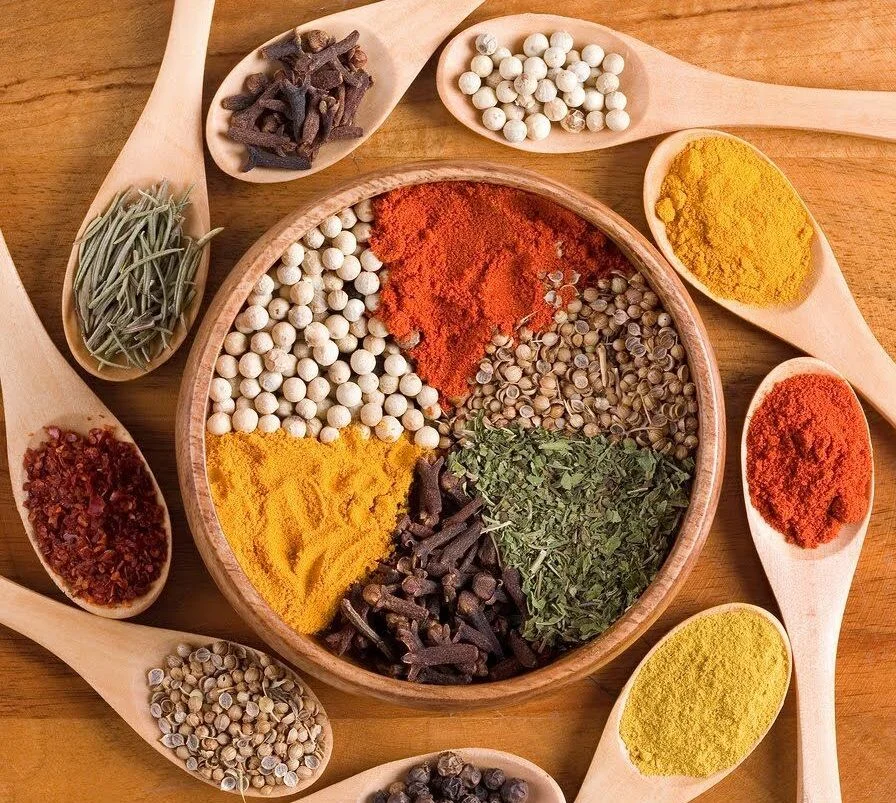
Shree Botanicals is based in India and currently lists seven distinct products. The catalogue includes Myrobalan milling powder, Myrobalan powder, Terminalia chebula, Tinospora cordifolia, Gymnema sylvester, Black himej, and Cutch tannin extract. These items fall under the supplier’s top categories of Spices, Dehydrated Fruits, Organic Spices and Leather Chemicals. In international trade classification, the spice and fruit powders are generally recorded under HS chapter 0904, while the tannin extract is classified under HS chapter 3205 for leather chemicals.
The listed products comprise dried fruit powders derived from Terminalia chebula (myrobalan) and various medicinal herbs, as well as a vegetable tannin extracted from cutch wood. Typical industry specifications for spice powders include moisture content below 12 %, particle size distribution of 150‑300 µm, and microbial limits of ≤10^4 CFU/g. Tannin extracts are commonly specified by tannin concentration of 45‑55 % (by weight), pH 3‑5, and low heavy‑metal residues. Shree Botanicals does not provide additional HS codes beyond the category families indicated.
Product Range and Specialties of Shree Botanicals
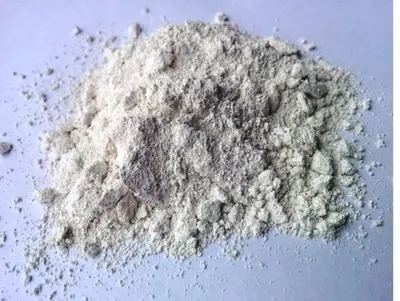
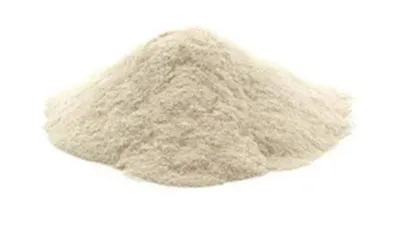
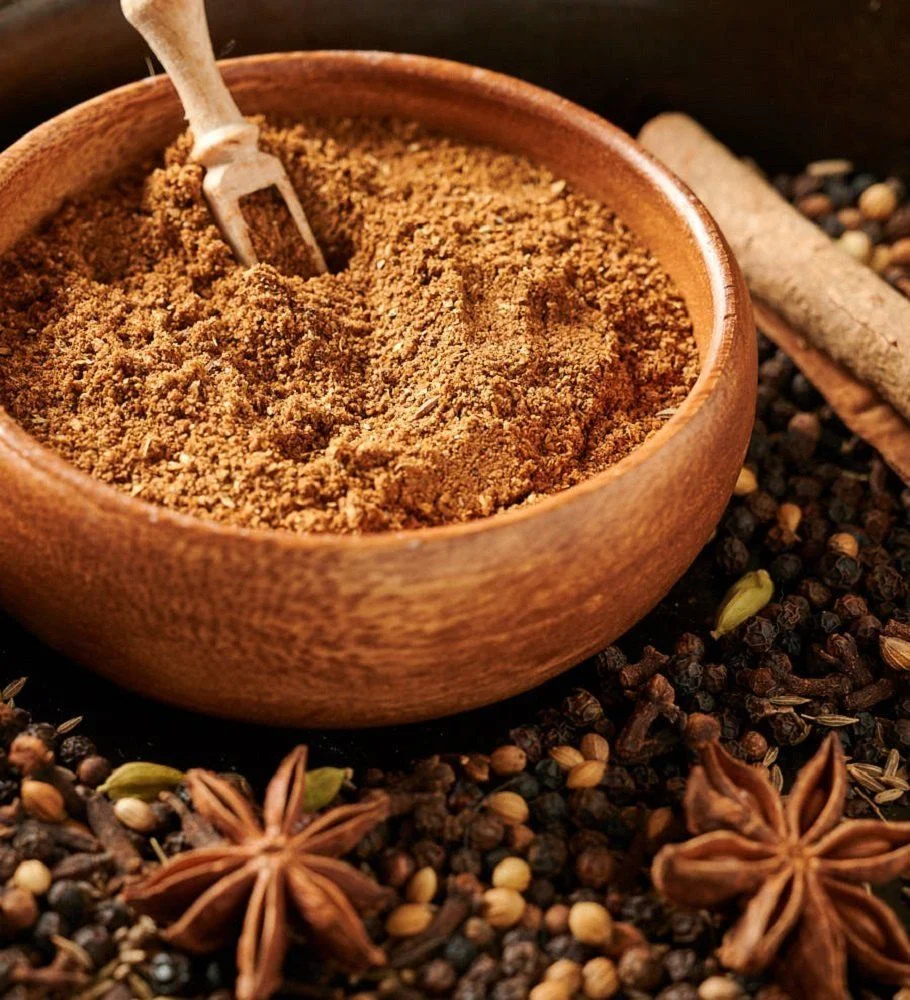
The product range consists of dried fruit powders such as Myrobalan milling powder and Myrobalan powder, both derived from Terminalia chebula and used as souring agents in culinary and Ayurvedic applications. Botanical extracts like Tinospora cordifolia and Gymnema sylvester are marketed as herbal ingredients, typically supplied in 25 kg bulk bags with moisture ≤10 % and verified active‑component content. Black himej is a spice variant commonly graded by color intensity and flavor potency, while Cutch tannin extract serves as a leather‑curing chemical, usually evaluated for tannin strength (45‑55 %) and low iron content. Industry buyers often request certificates of analysis, phytochemical profiles, and compliance with food‑grade (e.g., HACCP) or leather‑grade (e.g., ISO 9001) standards.
Trade and Export Information - Shree Botanicals
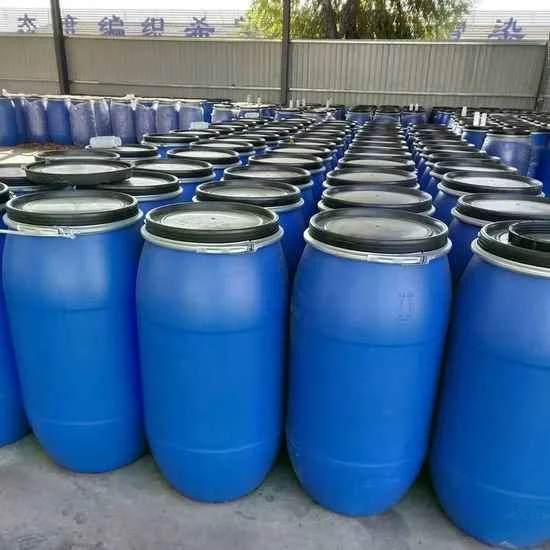
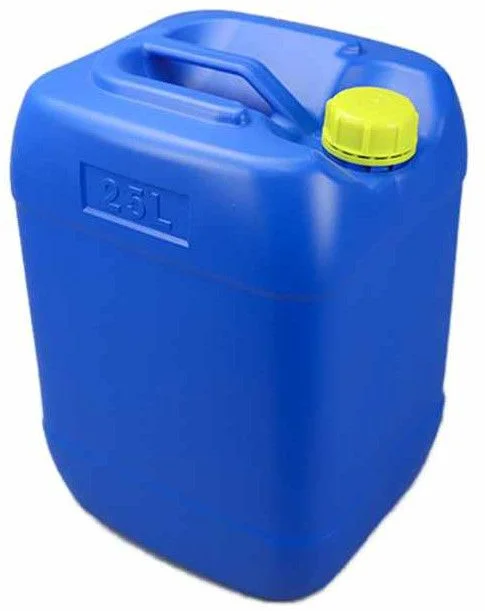
India is a major exporter of spices and herbal extracts, with the European Union, United States, and Middle East representing the largest import markets. Products classified under HS 0904 are typically shipped in 20‑foot containers, packed in multi‑layered jute or polyethylene bags to protect against moisture. Leather chemicals under HS 3205 are frequently dispatched in 25 kg drums or bulk containers, adhering to REACH registration requirements for the EU.
Buyers usually request compliance documentation such as a phytosanitary certificate, a certificate of origin, and, where applicable, organic certification (e.g., NOP or EU organic). For leather tannins, safety data sheets (SDS) and test reports confirming tannin content and heavy‑metal limits are standard. Incoterms most often employed for Indian spice exports are FOB Mumbai or CIF Dubai, reflecting the established maritime routes.
Sourcing from Shree Botanicals - Buyer Guidance
When sourcing from Shree Botanicals, purchasers should obtain a current Certificate of Analysis for each batch to verify moisture, ash, and active‑ingredient levels. For the herbal extracts, a full phytochemical profile and a test report for pesticide residues are advisable before confirming order quantities. It is also prudent to request a recent Safety Data Sheet for the tannin extract to confirm compliance with heavy‑metal and REACH limits.
Typical minimum order quantities range from 500 kg for spice powders to 200 kg for tannin extract, with lead times of 30‑45 days from receipt of a pro‑forma invoice. Verify packaging specifications - such as 25 kg multi‑wall bags with inner liners for powders - and confirm that the supplier can provide the required export documentation, including a phytosanitary certificate and, if needed, an organic certification.
Frequently Asked Questions About Shree Botanicals
What product categories does Shree Botanicals offer?
The supplier lists items in the spice, dehydrated fruit, herbal extract and leather‑chemical categories, including Myrobalan powders, Terminalia chebula, Tinospora cordifolia, Gymnema sylvester, Black himej and Cutch tannin extract. These products are presented as bulk powders or extracts suitable for food, pharmaceutical and leather‑processing applications. Each item is catalogued under the relevant HS chapter for customs purposes.
Which HS codes are relevant for these products?
Spice and fruit powders fall under HS chapter 0904, while the tannin extract is classified under HS chapter 3205 for leather chemicals. Importers should reference these codes in customs declarations to ensure correct tariff treatment. The supplier’s catalogue does not provide more specific sub‑heading numbers.
What quality specifications are typical for the Myrobalan powders?
Buyers generally require moisture content below 12 %, particle size between 150 µm and 300 µm, and microbial limits not exceeding 10^4 CFU per gram. Ash content is often limited to under 5 % to maintain flavor potency. A Certificate of Analysis confirming these parameters is standard practice.
What documentation should be requested for the tannin extract?
A Safety Data Sheet, a Certificate of Analysis showing tannin concentration (45‑55 %) and heavy‑metal limits, and a REACH registration certificate for EU shipments are standard. Additionally, a phytosanitary certificate may be required if the extract is destined for food‑related use. These documents help verify compliance with both safety and trade regulations.
What are the common packaging formats for the herbal powders?
Bulk herbal powders are usually packed in 25 kg multi‑wall polyethylene or jute bags with inner liners to prevent moisture ingress. The bags are typically labeled with product name, net weight, batch number, and expiry date. Such packaging meets most international food‑grade handling requirements.
Which markets typically import these Indian spice and tannin products?
The European Union, United States, and Middle Eastern countries are the principal import destinations for Indian spices and leather chemicals. These regions often require HACCP or ISO certifications and strict residue testing. Shipping routes commonly use ports such as Mumbai, Kandla and Dubai for onward distribution.




 , India