Shenzhen Ripesale electronic company — Supplier
About Shenzhen Ripesale electronic company - Mobile Phone Accessories Supplier in United States
United States, Guangdong province, lists seven active products across mobile phone accessories, batteries, chargers, scrap, complete GSM/CDMA handsets, used phones and refrigerator compressors. The catalogue includes both brand‑new sealed smartphones and components, and the listed top categories span Mobile Phone Accessories, Mobile Phone Batteries & Chargers, Mobile Phone Scrap, GSM/CDMA Mobile Phones, Mobile Phones & Accessories, Used Mobile Phones, Refrigerator Compressors and Refrigerator Parts. Each entry is identified by a product name and, where supplied, an HS‑code family such as 8517.12 for complete handsets and 8517.13 for parts. The material descriptions note multi‑material constructions typical of modern smartphones, including aluminum or aluminum‑alloy frames, glass front and back, printed circuit board assemblies and lithium‑ion batteries. The supplier’s profile indicates a focus on high‑tech consumer electronics sourced from the Chinese market but the origin country recorded is the United States.
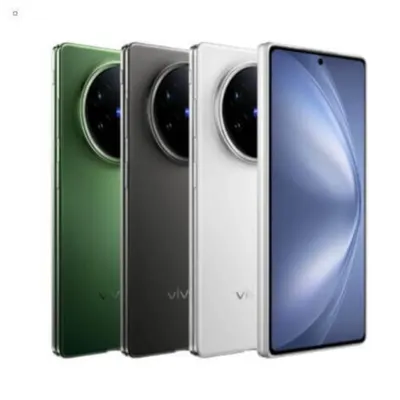
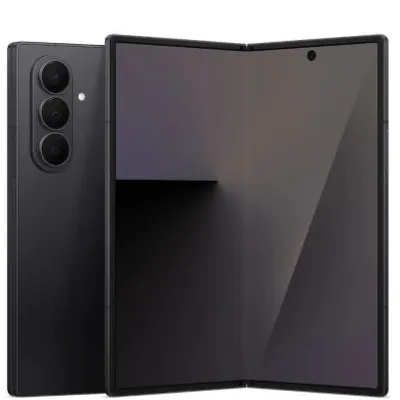
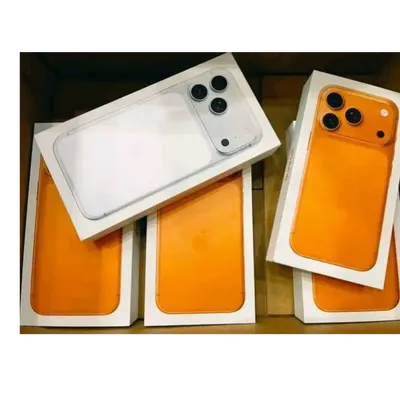
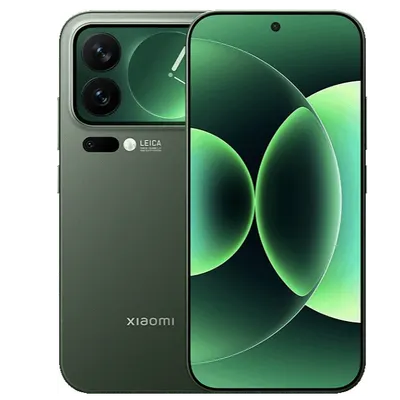
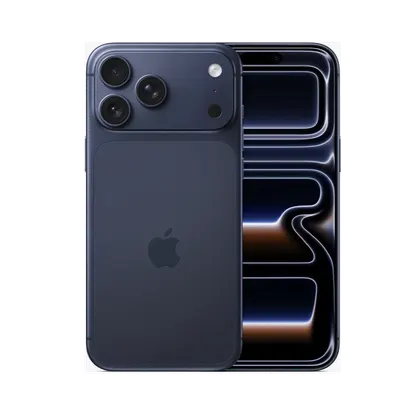
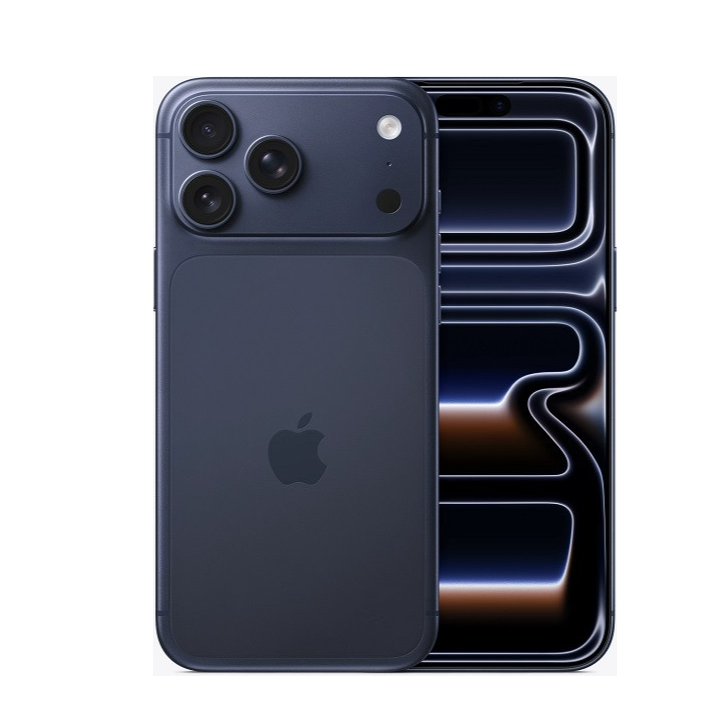
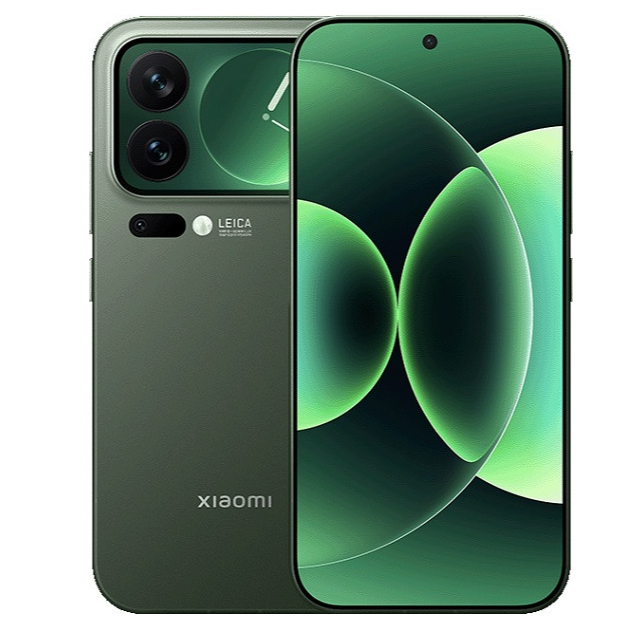
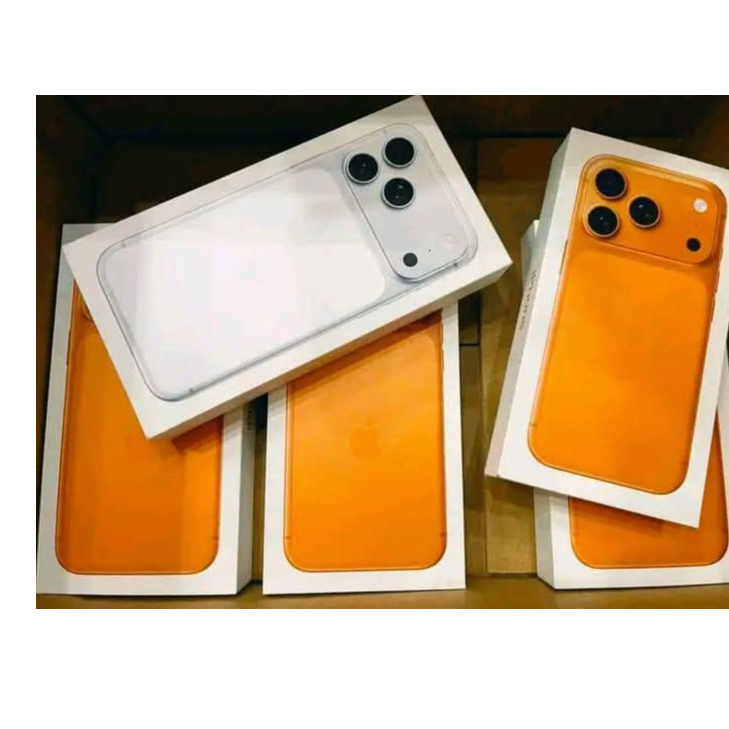
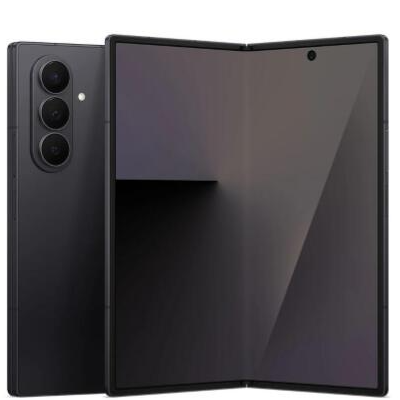
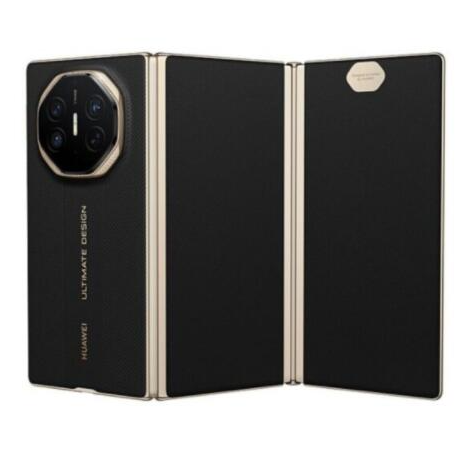
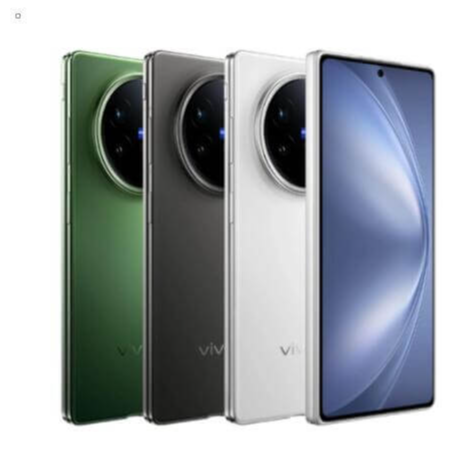
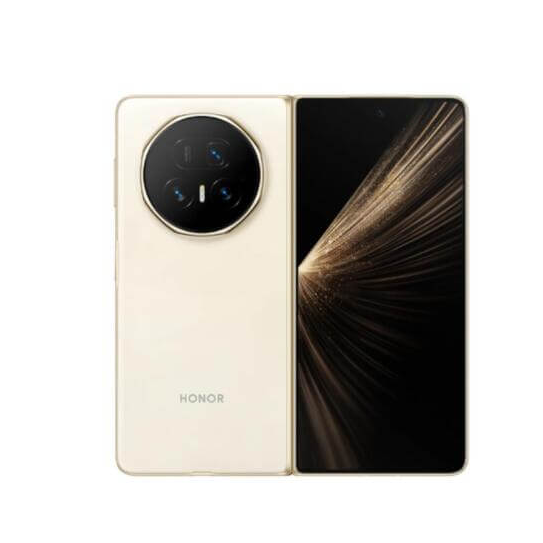
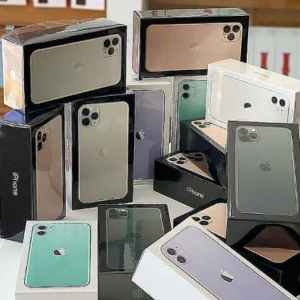
The product list contains sealed Apple iPhone 17 Pro Max 512 GB, a sealed Xiaomi 17 Pro Max (HS 8517.12) built from aluminum/glass housing and lithium‑ion battery, a Samsung Galaxy Z Fold 7 512 GB, a Huawei Mate XTs, a Vivo X Fold 5 (HS 8517.12) with mixed electronic components, and an Honor Magic V5 (HS 8517.13) featuring an aluminum alloy frame and flexible OLED display. The HS‑code 8517.12 covers “telephone sets, other telephone apparatus” and is commonly used for complete mobile phones, while 8517.13 applies to “parts and accessories of telephone sets”. No additional certifications are recorded for the supplier, so buyers should verify standard compliance independently.
Product Range and Specialties of Shenzhen Ripesale electronic company
The catalogue presents seven distinct smartphone models and related accessories, all falling under HS‑code 8517.12 for complete devices except the Honor Magic V5, which is classified under HS 8517.13 for parts. Typical industry grades for flagship smartphones include IP68 water‑resistance, OLED display brightness of 800 - 1000 nits, battery capacities of 4000 - 5000 mAh, and support for fast‑charging standards such as 25 W USB‑PD or higher. Materials commonly used are aerospace‑grade aluminum alloys for frames, Corning‑type Gorilla Glass for screens, and lithium‑ion chemistry with safety certifications (UN 38.3).
For mobile phone accessories and batteries, buyers usually look for compliance with IEC 60950‑1 (safety), IEC 62133 (battery safety), and RoHS restriction limits on lead, mercury and cadmium. In the United States, the FCC Part 15 certification is required for any radio‑frequency emitting device, while European importers typically request CE marking and a Declaration of Conformity. The supplier’s product set aligns with these material and performance standards, allowing integration into standard retail packaging such as 20 ft containers holding 500 - 800 units of boxed smartphones or 40 ft containers for bulk accessory shipments.
Trade and Export Information - Shenzhen Ripesale electronic company
Exporters of mobile phones and accessories from the United States often ship to Europe, Southeast Asia, the Middle East and Latin America under Incoterms FOB or CIF. HS‑code 8517.12 shipments are subject to customs checks for FCC compliance and may require a test report confirming SAR (Specific Absorption Rate) limits, while HS 8517.13 parts usually need a CE or FCC part‑level declaration. Typical certifications requested by importers include FCC ID, CE marking, RoHS compliance, and UL safety listings for chargers and batteries. Packaging standards involve double‑wall cartons, each containing 10 - 20 handset units, with pallets stacked to a maximum height of 2.2 m for 20 ft containers and 2.4 m for 40 ft containers.
The United States maintains robust export controls on high‑technology electronics; exporters must file Electronic Export Information (EEI) via the Automated Export System (AES) for shipments above $2,500 or requiring an export license. Freight forwarders commonly use air freight for high‑value handset orders under 10 kg per carton, while sea freight is preferred for bulk accessory orders exceeding 5 metric tonnes. Importing countries may request a pre‑shipment inspection (PSI) to verify that the HS‑code, material composition and safety documentation match the commercial invoice.
Sourcing from Shenzhen Ripesale electronic company - Buyer Guidance
Buyers should request the supplier’s FCC ID certificate for each handset model, a CE Declaration of Conformity for European markets, and a RoHS compliance statement covering lead, mercury, cadmium and hexavalent chromium limits. A test report confirming battery safety under UN 38.3 and IEC 62133 is advisable for any battery‑included product, especially when the catalogue lists lithium‑ion cells. Verify that the HS‑code on the commercial invoice matches the product type (8517.12 for complete phones, 8517.13 for parts) and that the material description aligns with the sample received before confirming bulk orders.
Frequently Asked Questions About Shenzhen Ripesale electronic company
What product categories does Shenzhen Ripesale electronic company list?
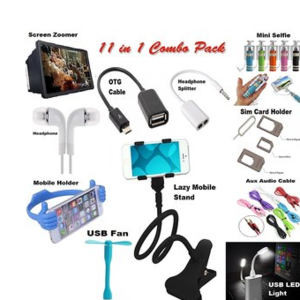
The supplier lists seven active items, including brand‑new sealed smartphones (Apple, Xiaomi, Samsung, Huawei, Vivo, Honor), mobile phone accessories, batteries & chargers, mobile phone scrap, GSM/CDMA handsets, used phones and refrigerator compressors or parts.
Which HS codes are associated with the listed smartphones?
Two products are recorded under HS 8517.12, which covers complete telephone apparatus, and one product is under HS 8517.13, which applies to parts and accessories of telephone sets.
What material information is provided for the Xiaomi and Vivo models?
Both are described as multi‑material constructions: aluminum or aluminum‑alloy frames, glass panels, printed circuit board assemblies and lithium‑ion batteries, which is typical for modern flagship devices.
Which certifications should a buyer request for these mobile phones?
Buyers should request FCC ID documentation for US compliance, CE marking for European markets, RoHS compliance statements, and battery safety test reports (UN 38.3, IEC 62133).
What are common packaging and shipping formats for these products?
Standard packaging uses double‑wall cartons holding 10 - 20 handsets each, stacked on pallets for 20 ft or 40 ft containers. Air freight is common for high‑value handset orders, while sea freight is used for bulk accessory shipments.
What documentation is needed to clear customs for HS 8517.12 shipments?
Customs typically requires a commercial invoice showing HS 8517.12, the FCC ID certificate, a CE Declaration of Conformity if destined for Europe, and a packing list. A pre‑shipment inspection report may be requested by the importing country.
How can a buyer verify the authenticity of a sample before placing a larger order?
Request a functional sample together with its serial number, FCC ID label, and a lab test report for SAR and battery safety. Compare the sample’s material and finish against the supplier’s catalog description before confirming volume.
What is the typical lead time for a new order of sealed smartphones?
Lead times for sealed smartphones from this supplier generally range from 30 to 45 days after order confirmation, depending on production scheduling and shipping method selected.





 , United States








.jpg.png)