Shenzhen Derleehung Maufacturing Co., Ltd — Supplier
About Shenzhen Derleehung Maufacturing Co., Ltd - Agriculture and Optical Lenses Supplier in China
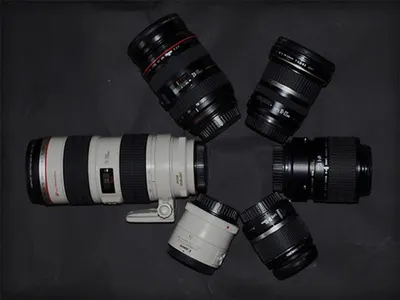
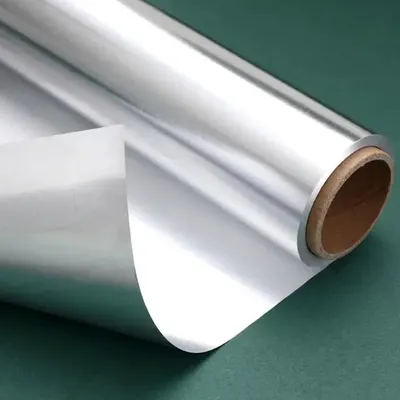
Shenzhen Derleehung Maufacturing Co., Ltd is located in China, with 5 active products in its catalogue. The company lists products such as Silver Planed Film, Color Planed Pet, Bright Gold Pet, Plastic lenses, and Luminous. These products fall under the categories of Agriculture and Optical Lenses. Exporters of optical lenses in China typically ship to regions such as North America and Europe, where these goods are in high demand.
The company's product range includes various types of films and lenses, which are commonly used in applications such as photography and optics. Buyers of these products usually require specifications such as material, thickness, and coating, as well as certifications like ISO 9001. The HS code families involved in the export of these goods are typically 9001 and 9002, which cover optical instruments and lenses.
Product Range and Specialties of Shenzhen Derleehung Maufacturing Co., Ltd
Shenzhen Derleehung Maufacturing Co., Ltd's catalogue includes a range of products, from Silver Planed Film to Plastic lenses. The typical grades and standard specifications for these products include material, thickness, and coating. For example, optical lenses are typically made of glass or plastic, with thickness ranging from 1-10mm. The common materials and variants buyers see in this category include anti-reflective coatings, UV protection, and scratch resistance. The company's products are likely to meet standards such as ISO 9001 and ISO 13485, which are commonly required for optical instruments and medical devices.
Trade and Export Information - Shenzhen Derleehung Maufacturing Co., Ltd
Exporters of optical lenses and agriculture products from China, like Shenzhen Derleehung Maufacturing Co., Ltd, typically ship to regions such as North America, Europe, and Southeast Asia. The HS code families involved in the export of these goods are typically 9001, 9002, and 1201, which cover optical instruments, lenses, and agriculture products. The certifications commonly required for these goods include ISO 9001, ISO 13485, and CE marking. The packaging and logistics norms for these products typically involve careful handling and storage to prevent damage, as well as compliance with regulations such as RoHS and REACH. The Incoterms used for these shipments are typically FOB or CIF, which cover the cost of freight and insurance.
Sourcing from Shenzhen Derleehung Maufacturing Co., Ltd - Buyer Guidance
Buyers sourcing from Shenzhen Derleehung Maufacturing Co., Ltd should request specifications such as material, thickness, and coating, as well as certifications like ISO 9001. They should also verify the products' compliance with regulations such as RoHS and REACH, and ensure that the packaging meets the required standards. Before ordering, buyers should confirm the MOQ and lead time, which can range from a few hundred to several thousand units, depending on the product and production capacity. The typical quality parameters and tests for these products include visual inspection, thickness measurement, and material analysis. Buyers should also be aware of the common defects and issues in these products, such as scratches, bubbles, and coating defects, and ensure that the supplier has a clear process for handling these issues.
Frequently Asked Questions About Shenzhen Derleehung Maufacturing Co., Ltd
What is the typical material used for optical lenses?
The typical material used for optical lenses is glass or plastic, with some high-end lenses using exotic materials like fluorite or aspheric glass. Buyers should confirm the material used with the supplier, as it can affect the lens's performance and durability.
What is the common thickness range for optical lenses?
The common thickness range for optical lenses is between 1-10mm, depending on the application and design. Buyers should specify the required thickness when ordering, as it can affect the lens's performance and compatibility.
What certifications are typically required for optical instruments and lenses?
The certifications typically required for optical instruments and lenses include ISO 9001, ISO 13485, and CE marking. Buyers should confirm the supplier's certifications and compliance with these standards, as it can affect the product's quality and reliability.
What is the typical MOQ for optical lenses and agriculture products?
The typical MOQ for optical lenses and agriculture products can range from a few hundred to several thousand units, depending on the product and production capacity. Buyers should confirm the MOQ with the supplier before ordering, as it can affect the lead time and overall cost.
What is the common packaging used for optical lenses and agriculture products?
The common packaging used for optical lenses and agriculture products typically involves careful handling and storage to prevent damage, as well as compliance with regulations such as RoHS and REACH. Buyers should confirm the supplier's packaging and logistics procedures, as it can affect the product's quality and reliability.
What is the typical lead time for optical lenses and agriculture products?
The typical lead time for optical lenses and agriculture products can range from a few weeks to several months, depending on the product and production capacity. Buyers should confirm the lead time with the supplier before ordering, as it can affect the overall delivery schedule and cost.
What is the common Incoterms used for shipments of optical lenses and agriculture products?
The common Incoterms used for shipments of optical lenses and agriculture products are typically FOB or CIF, which cover the cost of freight and insurance. Buyers should confirm the Incoterms with the supplier before ordering, as it can affect the overall cost and delivery schedule.
What is the typical quality parameters and tests for optical lenses and agriculture products?
The typical quality parameters and tests for optical lenses and agriculture products include visual inspection, thickness measurement, and material analysis. Buyers should confirm the supplier's quality control procedures, as it can affect the product's quality and reliability.




 , China