Shenzhen Aoheng Science & Technology Co., Ltd — Supplier
About Shenzhen Aoheng Science & Technology Co., Ltd - Clay Supplier in China
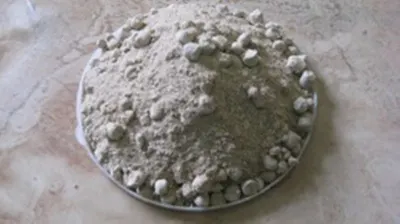
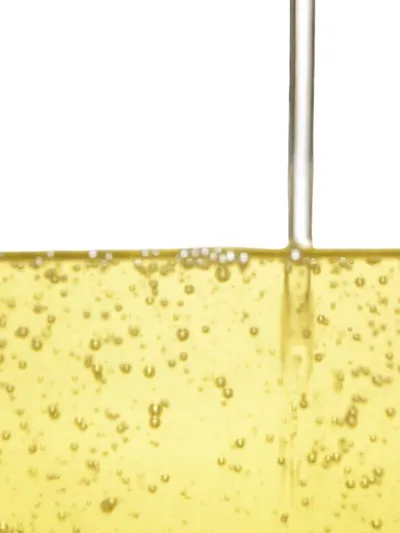
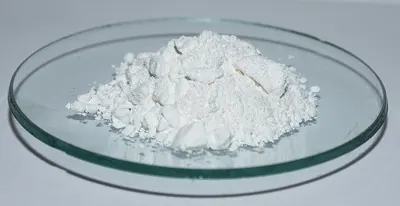
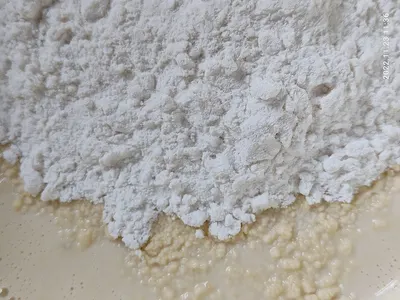
China, specifically Shenzhen, lists eleven active products under the broad category of clay. The catalogue includes various forms of bleaching earth and activated clays, with HS codes such as 2508.40 for acid‑activated bentonite and 2508.10 for high‑efficiency natural clays, as well as 3802.90 for specialty bleaching earths used in edible‑oil refining. Product titles range from generic "Bleaching Earth" to more specific variants like "Activated Bleaching Earth For Refining Palm Oil" and "Granular Fuller Earth". Each entry identifies the core material, for example acid‑activated montmorillonite or attapulgite, indicating the chemical treatment applied to the base clay. The supplier’s list also differentiates between products aimed at different oil streams, such as palm, sunflower, and soybean oil, all classified under the same HS code families. While some items lack an explicit HS code in the catalogue, they fall within the same tariff headings for chemically treated clays. The inventory therefore covers both natural and chemically modified clays used primarily for decolorisation and impurity removal in edible‑oil processing.
Product Range and Specialties of Shenzhen Aoheng Science & Technology Co., Ltd
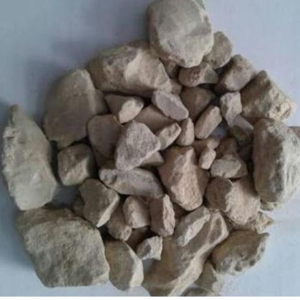
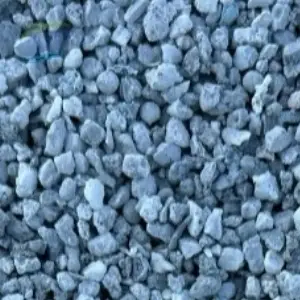
The catalogue offers acid‑activated bentonite (HS 2508.40) and montmorillonite‑based bleaching earths, as well as natural fuller earth (HS 2508.40) and its granular attapulgite variant. In the bleaching‑earth market, typical grades are defined by iodine value (often 0.5 % I₂ or lower), moisture content below 2 %, bulk density between 0.7‑0.9 g/cm³, and particle size distribution centered around 20‑150 µm. Food‑grade bleaching earths also meet heavy‑metal limits (e.g., lead <10 ppm) and are often certified to HACCP or ISO 22000 standards. Industry buyers usually request specifications such as bleaching efficiency (measured by colour reduction in oil), acid‑activation level (usually 10‑15 % HCl), and thermal stability (stable up to 250 °C). The supplier’s “High Efficiency Bleaching Earth” (HS 2508.10) aligns with the natural‑clay grade used for high‑throughput refineries, while the “Granular Fuller Earth” (HS 2508.40) matches the attapulgite grade valued for its high adsorption capacity.
Trade and Export Information - Shenzhen Aoheng Science & Technology Co., Ltd
China ranks among the world’s largest exporters of bleaching earths and activated clays, supplying mainly the European Union, United States, India and Southeast Asian edible‑oil processors. HS code 2508.40 covers chemically treated clays, which are subject to customs inspection for moisture and heavy‑metal content, while HS 3802.90 applies to specialised chemical preparations used in oil refining and may require additional safety data sheets. Typical export packaging includes 25 kg woven polypropylene bags, bulk 20‑ft containers (approximately 1,200 kg per container) and 40‑ft containers for larger orders. Buyers frequently request FOB Shanghai or CIF Rotterdam, and many importers require certificates such as ISO 9001, ISO 14001, HACCP, or a Food Contact Materials (FCM) declaration. Chinese exporters also provide phytosanitary certificates when the clay is sourced from agricultural residues, although this is less common for mineral clays.
Sourcing from Shenzhen Aoheng Science & Technology Co., Ltd - Buyer Guidance
When sourcing from this supplier, request a detailed specification sheet that lists iodine value, moisture, bulk density, particle‑size distribution and heavy‑metal limits. A Material Safety Data Sheet (MSDS) and any available food‑grade certifications (e.g., HACCP, ISO 22000) should be obtained before confirming the order. Buyers should also ask for a recent laboratory test report confirming compliance with the relevant HS‑code tariff requirements and any destination‑country regulations, such as EU Regulation No 2023/XXXX for food‑contact minerals. Sampling a 5‑kg bag is standard practice to verify colour‑removal performance in the buyer’s specific oil stream before scaling up.
Frequently Asked Questions About Shenzhen Aoheng Science & Technology Co., Ltd
What types of bleaching earth does the supplier list?
The catalogue includes acid‑activated bentonite, acid‑activated montmorillonite, natural fuller earth, granular attapulgite, and specialised bleaching earths for palm, sunflower and soybean oil refining.
Which HS codes are associated with the listed products?
Products are classified under HS 2508.40 for chemically treated clays, HS 2508.10 for natural high‑efficiency clays, and HS 3802.90 for specialty bleaching earths used in edible‑oil processing.
What are the typical quality parameters buyers check for bleaching earth?
Common parameters are iodine value (≤0.5 % I₂), moisture content (<2 %), bulk density (0.7‑0.9 g/cm³), particle size (20‑150 µm) and heavy‑metal limits (e.g., Pb < 10 ppm).
What certifications are usually required for food‑grade bleaching earth?
Buyers typically request HACCP, ISO 22000 or ISO 9001 quality‑management certificates, and a Food Contact Materials declaration meeting EU or US FDA requirements.
What packaging formats are standard for these clays?
Standard packaging consists of 25 kg woven polypropylene bags; bulk shipments use 20‑ft or 40‑ft containers, with total weights around 1,200 kg per 20‑ft box.
What is a typical minimum order quantity (MOQ) for activated bleaching earth?
Suppliers often set an MOQ of one 25 kg bag for sampling, with commercial orders starting at one full container load (approximately 1,200 kg).
How long does lead time usually take from order to shipment?
Lead times for chemically treated clays range from 15 to 30 days after order confirmation, depending on production scheduling and required documentation.
How should a buyer request a sample?
Buyers should contact the supplier with a written request specifying the product name, intended oil application and desired sample size (commonly 5 kg), then arrange shipment under FOB or CIF terms.




 , China