Shaoguan Guanxiang Extract Co., Ltd. — Supplier
About Shaoguan Guanxiang Extract Co., Ltd. - Agriculture Supplier in China
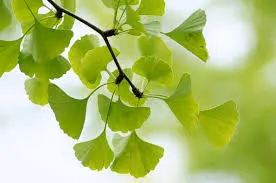
Shaoguan Guanxiang Extract Co., Ltd. operates out of Shaoguan, China and currently lists five active products in its catalogue. The company focuses on plant‑derived extracts and categorises them under the broader Agriculture sector. Its product list includes America Ginseng P.E., Epimedium P.E., Ginkgo Leaf P.E., Ginseng Root P.E., and Salvia Miltiorrhiza Bunge P.E. Each item is a powdered or liquid extract derived from the named botanical material. In international trade these extracts are generally classified under HS chapter 13, specifically HS 1301 for vegetable saps and extracts, which is the common tariff line for customs filings.
The catalogue does not provide individual HS codes, but all five extracts share the same commodity group for customs purposes. The products are intended for use in nutraceuticals, functional foods, and traditional medicine formulations. By offering a concise set of five extracts, the supplier positions itself as a specialist source within the Chinese herbal extract market. Buyers can expect the extracts to meet the typical purity and assay specifications that are standard for herbal raw materials exported from China.
Product Range and Specialties of Shaoguan Guanxiang Extract Co., Ltd.
The supplier’s catalogue comprises five distinct botanical extracts: America Ginseng, Epimedium (Horny Goat Weed), Ginkgo Leaf, Ginseng Root, and Salvia Miltiorrhiza (Danshen). In the industry these extracts are usually supplied as dry powders or concentrated liquids, with typical potency grades expressed as a percentage of active constituents such as ginsenosides for ginseng (often 5‑10%), flavonoids for ginkgo (10‑20%), or tanshinones for Salvia (1‑3%). Standard specifications include moisture content below 10 %, heavy‑metal limits under 10 ppm, and microbial limits that comply with USP <61>/<62>. Buyers often request a Certificate of Analysis (CoA) confirming these parameters and the method of extraction (e.g., ethanol‑water, super‑critical CO₂).
Trade and Export Information - Shaoguan Guanxiang Extract Co., Ltd.
Chinese exporters of herbal extracts commonly ship to North America, the European Union, and Southeast Asian markets, where the products are incorporated into dietary supplements, pharmaceutical intermediates, and traditional medicine formulations. The HS 1301 classification subjects the goods to phytosanitary inspection and, where required, a phytosanitary certificate under the IPPC framework. Typical certifications sought by importers include Good Manufacturing Practice (GMP), ISO 9001, and, for the EU, compliance with the Novel Food Regulation if the extract is novel to that market. Packaging is usually in 25 kg food‑grade drums for bulk shipments or 500 g - 1 kg sealed polyester bags for smaller orders, with moisture‑proof liners to preserve stability. Common Incoterms are FOB Shanghai or CIF Los Angeles, reflecting the logistics patterns for bulk botanical extracts from China.
Sourcing from Shaoguan Guanxiang Extract Co., Ltd. - Buyer Guidance
When sourcing from Shaoguan Guanxiang Extract Co., Ltd., buyers should request the latest GMP certificate, ISO audit reports, and a detailed CoA for each extract. Verify the assay levels for the key active compounds and confirm that heavy‑metal and pesticide residues are within the limits required by the destination market (e.g., <10 ppm lead for EU). Request a sample batch to run independent laboratory testing before confirming a full order; a 100 g sample is typical for initial verification. Ensure that the supplier can provide a phytosanitary certificate and, where applicable, a free‑sale certificate to satisfy customs clearance in the target country.
Frequently Asked Questions About Shaoguan Guanxiang Extract Co., Ltd.
What botanical extracts does Shaoguan Guanxiang Extract Co., Ltd. offer?
The company lists five extracts: America Ginseng P.E., Epimedium P.E., Ginkgo Leaf P.E., Ginseng Root P.E., and Salvia Miltiorrhiza Bunge P.E., all classified under HS 1301 for vegetable saps and extracts.
Are the extracts supplied as powder or liquid?
The catalogue does not specify form, but industry practice for these botanicals includes dry powder and concentrated liquid formats; buyers should confirm the desired form with the supplier.
Which certifications should a buyer request from this supplier?
Buyers typically request GMP certification, ISO 9001 audit reports, and a Certificate of Analysis that details purity, moisture, heavy‑metal and microbial limits for each extract.
What is the usual minimum order quantity (MOQ) for these extracts?
In the herbal extract market, MOQs often range from 500 kg to 1 ton per product for bulk powder, with smaller 100 kg batches possible for specialty orders.
What lead time can buyers expect for shipment?
Lead times for Chinese botanical extracts generally span 30‑45 days from order confirmation, including production, quality testing, and packaging.
How are the extracts packaged for export?
Standard export packaging includes food‑grade 25 kg steel drums or sealed polyester bags (500 g‑1 kg) with moisture‑proof liners, suitable for bulk and sample shipments.
Which HS code is used for customs clearance of these products?
These botanical extracts fall under HS chapter 13, specifically HS 1301, which covers vegetable saps and extracts.
What documentation is needed for customs in the EU or US?
Importers should obtain a phytosanitary certificate, a free‑sale certificate if required, and the CoA; GMP and ISO certificates support regulatory compliance but are not mandatory for customs.




 , China