Agriculture›
 Apparel and fashion accessories›
 Construction & real estate›💡Electronic & Electrical›🍎Food & Beverages›🛋️Home furnishing & supplies›⚗️Industrial goods & chemical›🪨Minerals & metals›📦Miscellaneous›Agriculture›Apparel and fashion accessories›Construction & real estate›💡Electronic & Electrical›🍎Food & Beverages›🛋️Home furnishing & supplies›⚗️Industrial goods & chemical›🪨Minerals & metals›📦Miscellaneous›
Shandong Zhuo Jun Industrial Co., Ltd.
⚓ Harbor , ChinaNew supplier / no reviews yet
Shandong Zhuo Jun Industrial Co., Ltd. Product Catalog


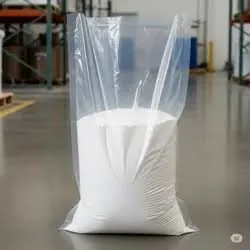

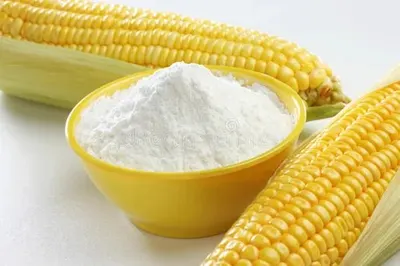
About Shandong Zhuo Jun Industrial Co., Ltd. - Industrial Chemicals Supplier in China
Shandong Zhuo Jun Industrial Co., Ltd. operates from Shandong Province, China, and lists 19 active products in its catalogue spanning industrial chemicals, plastic raw materials, construction chemicals, agricultural inputs, batteries and water treatment inputs. The supplier's portfolio is concentrated in polymer-based construction additives, with the largest group of items being redispersible polymer powders (RDP) and polyvinyl alcohol (PVA) grades used in dry-mix mortars, tile adhesives and renders. Secondary lines cover cellulose ethers (HPMC), polycarboxylate ether (PCE) and melamine-based superplasticizers, silicone water repellents, hydroxypropyl starch (HPS), and EVA emulsion powders, alongside adjacent categories such as glues and adhesives, agricultural inputs, batteries and water filters/water treatment plants.
The catalogue is anchored in HS code families 3905 (polymers of vinyl acetate or of other vinyl esters, in primary forms; other vinyl polymers in primary forms) and 3824 (chemical products and preparations of the chemical or allied industries), which together cover the bulk of the listed specialty additives. Specifically, VAE-based redispersible polymer powders fall under subheadings 3905.12 and 3905.29, PVA grades (including the partially hydrolyzed PVA 2488 type) sit under 3905.30, and the superplasticizer lines (melamine sulfonate and PCE) are classified under 3824.40. The supplier therefore presents itself as a chemical intermediates and construction-inputs exporter serving dry-mix mortar producers, tile adhesive manufacturers, and downstream buyers in the waterproofing and water-treatment segments.
Product Range and Specialties of Shandong Zhuo Jun Industrial Co., Ltd.
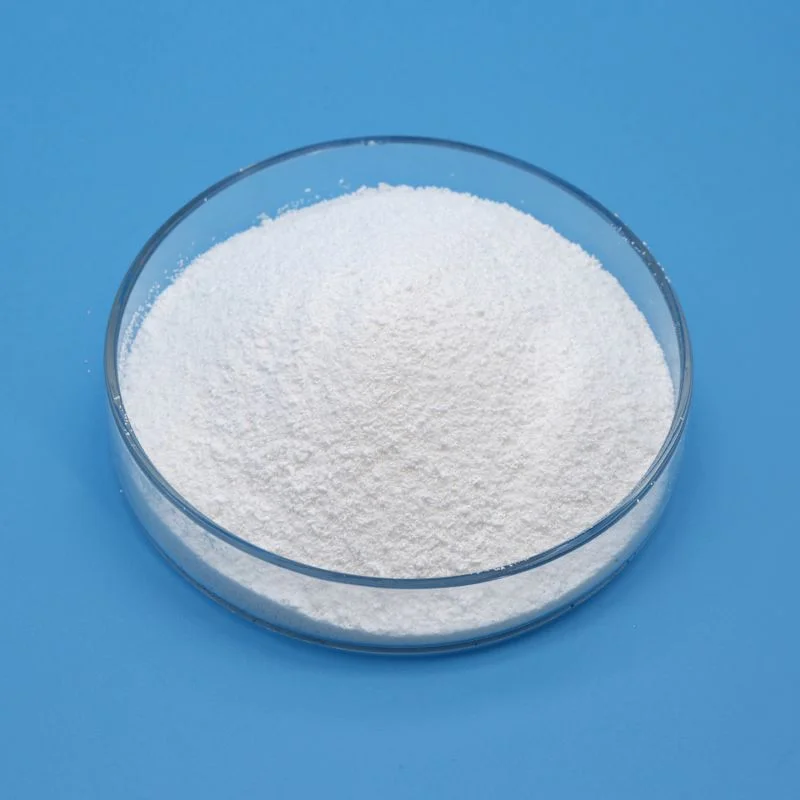
The catalogue is built around four technical families. The first is redispersible polymer powder (RDP), a spray-dried VAE copolymer dispersion supplied in powder form for re-emulsification in water; the catalogue lists several RDP grades (including a ZJ-801 reference product) and a separate VAE RDP 801 line, all based on vinyl acetate-ethylene copolymer chemistry. The second family is polyvinyl alcohol (PVA), including PVA 2488, a partially hydrolyzed grade with a typical 88 mol% degree of hydrolysis and a viscosity around 48-52 mPa.s for the 2488 designation, widely used as a binder and film-former in mortars, paper coatings and adhesives. The third family covers cellulose and starch ethers: HPMC (hydroxypropyl methyl cellulose) for water retention in readymix mortar, and a hydroxypropyl starch (HPS) variant, both functioning as thickeners, water-retention agents and workability improvers. The fourth family is concrete and mortar admixtures: PCE (polycarboxylate ether) water reducers for ready-mixed mortar, and melamine formaldehyde sulfonate superplasticizers, which are sulfonated melamine condensates used as high-range water reducers in cementitious systems. Adjacent listings include dry-mortar tile adhesives, EVA emulsion powders, and silicone water repellents for hydrophobic surface treatment. Buyers in this category typically evaluate these products against established construction-chemical specifications: RDP powders are graded by polymer base (VAE being the most common for flexible mortars), minimum solids content of around 99%, ash content, minimum film-forming temperature, and redispersibility in water; PVA grades are specified by degree of hydrolysis (fully hydrolyzed 98-99% vs. partially hydrolyzed 87-89%), viscosity grade (e.g. 2488, 1799, 0588 nomenclature) and volatile matter; HPMC is graded by viscosity (commonly 100,000 mPa.s grades for mortar), methoxy and hydroxypropyl substitution, and gel temperature; PCE superplasticizers are specified by solid content (typically 40-50% liquid or 95%+ powder), water-reduction ratio (25-40% at typical dosage), and slump retention. These are the standard parameters buyers should expect to see on a technical data sheet for any of the listed items.
Frequently Asked Questions About Shandong Zhuo Jun Industrial Co., Ltd.
What is the main product range of Shandong Zhuo Jun Industrial Co., Ltd.?
The catalogue covers 19 active products, dominated by redispersible polymer powders (RDP/VAE), polyvinyl alcohol (PVA, including PVA 2488), HPMC cellulose ether, PCE and melamine superplasticizers, silicone water repellents, EVA emulsion powders, and hydroxypropyl starch. Adjacent categories include agricultural inputs, batteries, glues and adhesives, and water treatment inputs.
Which HS codes apply to the listed polymer powders and admixtures?
Redispersible polymer powders based on VAE are classified under HS 3905.12 and 3905.29, polyvinyl alcohol grades under HS 3905.30, PCE and melamine-based superplasticizers under HS 3824.40, and one RDP line is listed under HS 3901.30. Buyers should confirm the exact HS classification with the supplier per shipment and per destination customs regime.
What documents should I request before ordering RDP or PVA from this supplier?
Request a Certificate of Analysis (COA) per batch covering solids, ash, viscosity and redispersibility for RDP, and degree of hydrolysis, viscosity and volatile matter for PVA. Also request an SDS/MSDS in GHS format and, for EU-bound shipments, REACH registration status or a confirmation letter for the specific polymer.
What is the typical MOQ and packaging for these construction chemicals?
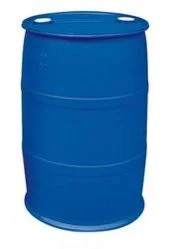
Standard packaging is 25 kg kraft paper bags with PE inner liner for powders, 200 kg or 1,000 kg jumbo bags for bulk PVA, and 200 L drums or 1,000 L IBCs for liquid admixtures. MOQ is typically 1 tonne per grade for production orders, with 1-5 kg sample packs available for laboratory trials.
Which certifications are commonly required for these products in export markets?
Buyers in the EU, Middle East and Southeast Asia typically require ISO 9001 from the producer, plus project-specific compliance such as CE marking under EN 998 for mortars or EN 934 for concrete admixtures. For the Gulf region, SASO conformity assessment and a GSO Certificate of Conformity are commonly requested; for India, BIS standards apply to select admixture categories.
ChinaRelated Suppliers & Products
Explore similar suppliers, related products and trending categories