Shaanxi Shengyudan — Verified Supplier
About Shaanxi Shengyudan - Herbal Extracts Supplier in China
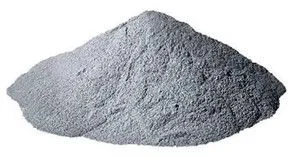
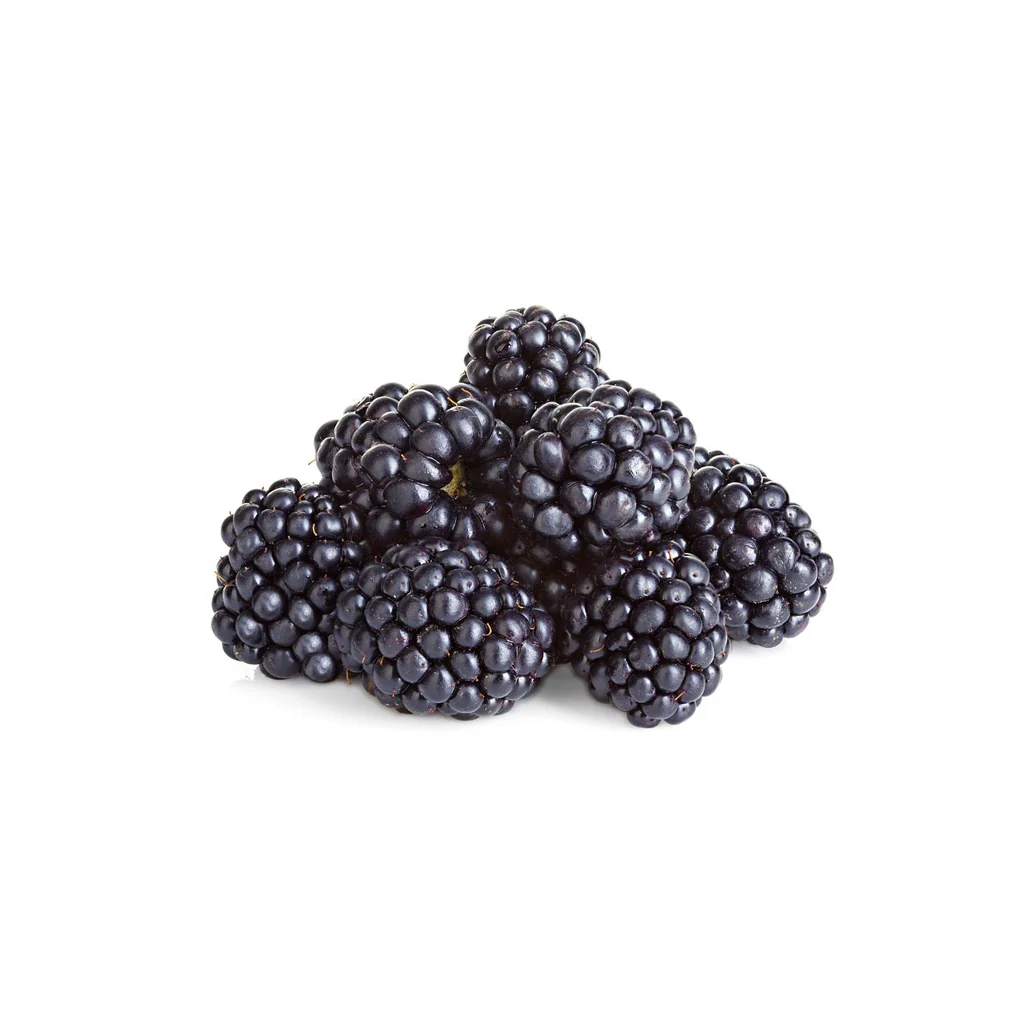
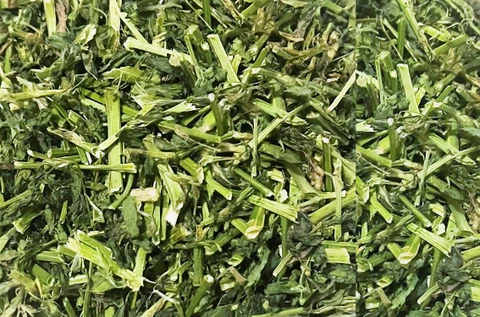
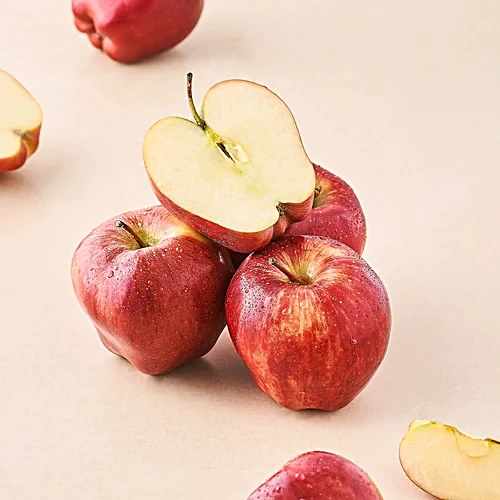
Based in Shaanxi province, China, Shaanxi Shengyudan lists eight active products that span herbal extracts, tea powders and alfalfa‑based materials. The catalogue records Black Rice Extract, Chamomile Extract, Apple Extract, Alfalfa Extract, Black Goji Powder and four distinct tea powders - Jasmine, Ceylon, Thai and Black. These items are grouped under the standard HS chapters for plant extracts (chapter 13) and tea (chapter 09) that are used in cross‑border shipments. The supplier carries a harbor trust tier, indicating that it has passed a mid‑level verification process. Geographic focus includes domestic production in Shaanxi and export operations managed from major Chinese ports.
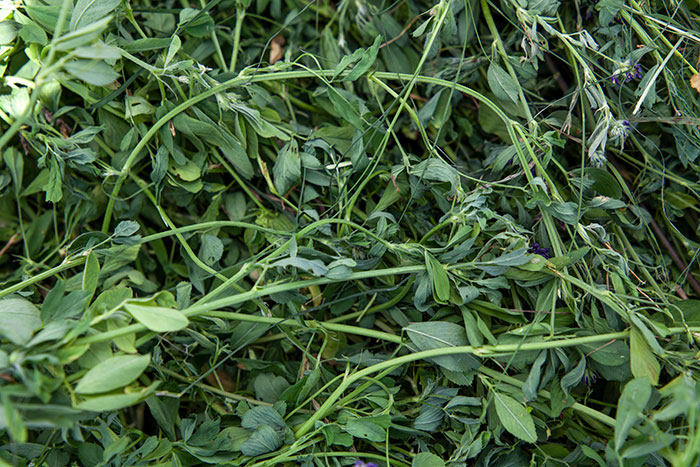
The eight products cover two primary market segments: herbal extracts, which are sold as powdered or liquid concentrates for nutraceutical and cosmetic applications, and tea powders, which are used for beverage blends and functional food formulations. Alfalfa‑derived material appears as an extract rather than bulk hay, aligning with the listed top categories. Each product name follows a standard naming convention that signals the botanical source, e.g., Black Goji Powder derives from Lycium ruthenicum berries. The supplier’s catalogue does not specify packaging dimensions, but the product count and categories suggest a focus on bulk raw material supply rather than finished consumer goods.
Product Range and Specialties of Shaanxi Shengyudan
Shaanxi Shengyudan’s current catalogue includes four tea powders - Jasmine, Ceylon, Thai and Black - which in the industry are typically classified by leaf grade, moisture content (usually below 8 %), and particle size (often 250 - 500 µm). Buyers frequently request ICUMSA whiteness values for powdered tea, with grades such as ICUMSA 45 or 70 being common for high‑purity blends. The herbal extracts (Black Rice, Chamomile, Apple, Alfalfa, Black Goji) are generally produced as spray‑dried powders with declared purity levels of 95 % or higher and moisture limits of 5 % or less. Standard specifications also include limits on pesticide residues, heavy metals (e.g., lead < 10 ppm) and microbial counts (total plate count < 10⁴ CFU/g). Alfalfa‑derived extract is often evaluated for crude protein content (typically 15 - 20 %) and low fiber fractions, matching the expectations of feed‑grade or functional‑food customers.
Trade and Export Information - Shaanxi Shengyudan
Chinese exporters of herbal extracts and specialty tea powders commonly serve markets in the European Union, North America, the Middle East and Southeast Asia. The HS chapter 13 family (plant extracts) and chapter 09 family (tea) are routinely inspected under the EU’s Rapid Alert System for Food and Drug Administration (FDA) import requirements, so certificates of analysis, pesticide residue reports and phytosanitary certificates are standard documentation. Buyers usually request ISO 9001 or GMP certification to verify consistent manufacturing practices, although the supplier’s own certifications are not listed in the provided facts. Typical shipping formats are 25 kg polypropylene bags for tea powder and 5 kg metal drums for extracts, consolidated into 20‑ft or 40‑ft containers. FOB terms from ports such as Shanghai or Ningbo are the most common incoterms used for these bulk commodities.
Sourcing from Shaanxi Shengyudan - Buyer Guidance
When sourcing from Shaanxi Shengyudan, buyers should ask for a recent Certificate of Analysis that includes assay percentage, moisture, heavy‑metal limits and microbial test results for each extract or tea powder. A Material Safety Data Sheet is also advisable for any powdered extract to confirm handling and storage requirements. Verifying that the supplier can provide a phytosanitary certificate for tea powders and a GMP audit report for extracts helps mitigate compliance risk. Typical minimum order quantities in the sector range from 500 kg for tea powders to 200 kg for each herbal extract, with lead times of 30 - 45 days after order confirmation. Requesting sample batches before full‑scale purchase is a common practice to assess solubility, flavor profile and analytical conformity.
Frequently Asked Questions About Shaanxi Shengyudan
What tea powders are listed in Shaanxi Shengyudan’s catalogue?
The catalogue lists Jasmine Tea Powder, Ceylon Tea Powder, Thai Tea Powder and Black Tea Powder, each offered as bulk powdered material suitable for blending or instant beverage production.
Which herbal extracts does the supplier provide?
The supplier offers Black Rice Extract, Chamomile Extract, Apple Extract, Alfalfa Extract and Black Goji Powder, all presented as powdered extracts intended for nutraceutical or cosmetic formulations.
How many distinct products does Shaanxi Shengyudan currently list?
Eight distinct products are listed: five herbal extracts and three tea powders, plus the two additional tea powders making a total of eight items.
What typical quality specifications apply to the tea powders?
Industry standards for powdered tea include moisture below 8 %, particle size between 250 µm and 500 µm, and ICUMSA whiteness grades such as 45 or 70, along with limits on pesticide residues and microbial counts.
What documentation should a buyer request for the herbal extracts?
Buyers should request a Certificate of Analysis showing assay purity (usually ≥95 %), moisture content (≤5 %), heavy‑metal limits, pesticide residue results and a Material Safety Data Sheet.
Are there common certifications required for importing these products?
Importers typically look for ISO 9001 or GMP certification, a phytosanitary certificate for tea powders, and compliance with EU or US pesticide residue limits before accepting shipments.
What are the usual packaging formats for these products?
Tea powders are commonly packed in 25 kg polypropylene bags, while herbal extracts are often supplied in 5 kg metal drums or sealed bulk bags, both suitable for container loading.
What lead time can a buyer expect for an order?
Lead times generally range from 30 to 45 days after order confirmation, depending on product availability and the need for laboratory testing or certification preparation.




 , China