Sason International — Verified Supplier
About Sason International - Basmati Rice Supplier in India
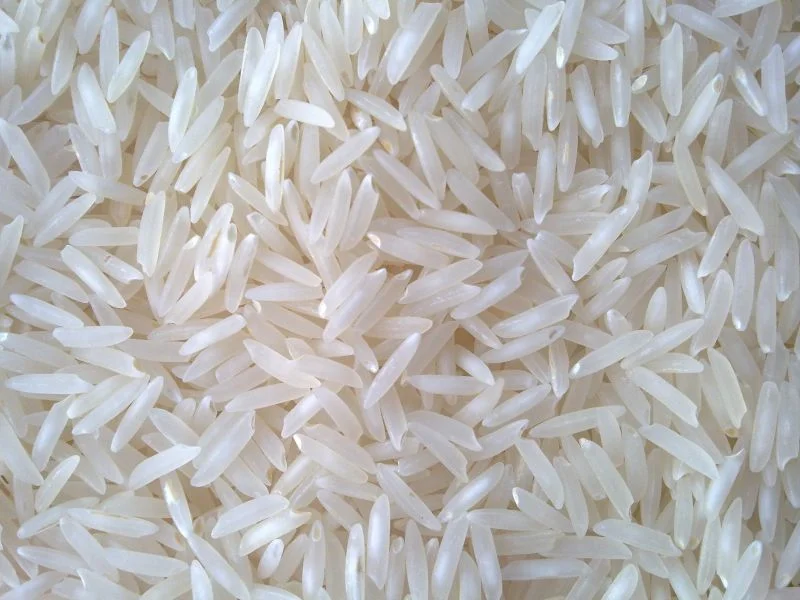
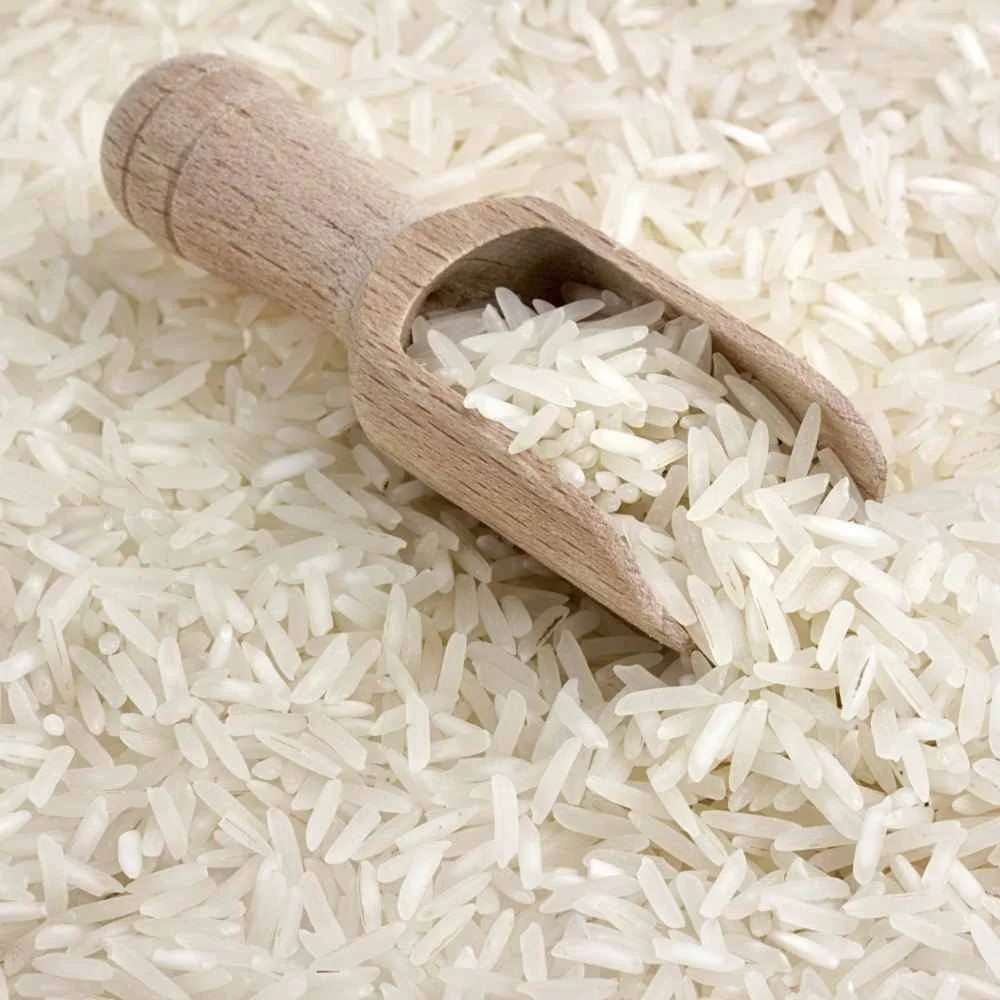
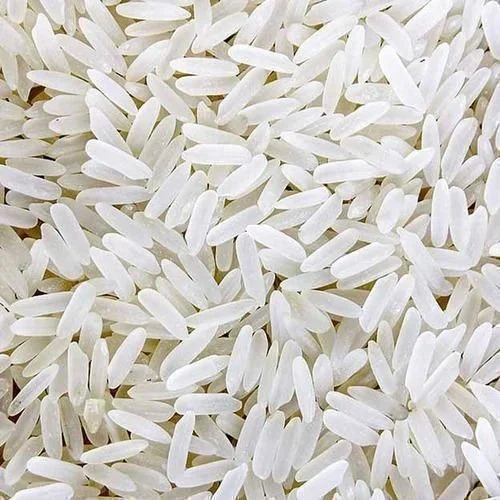
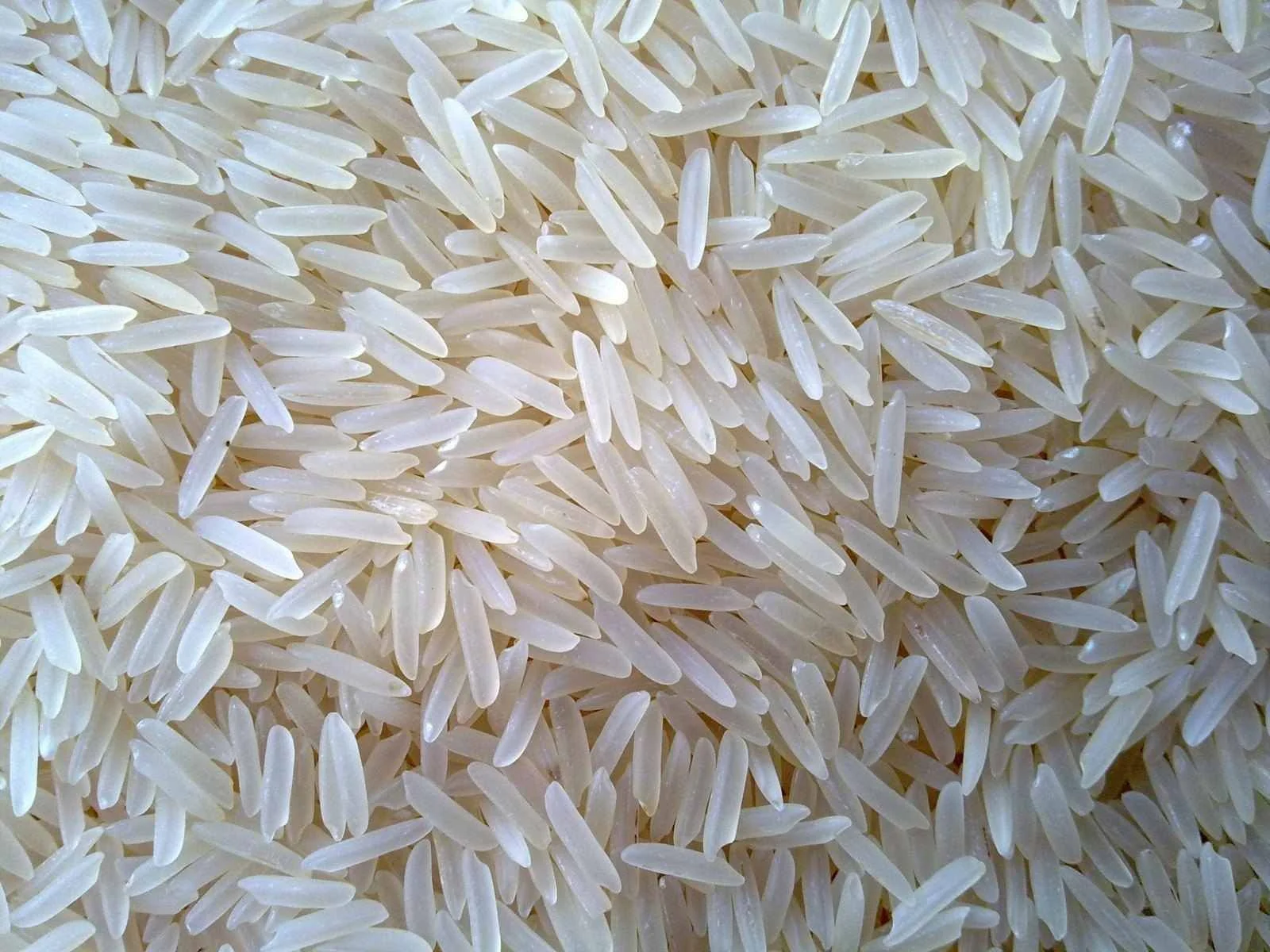
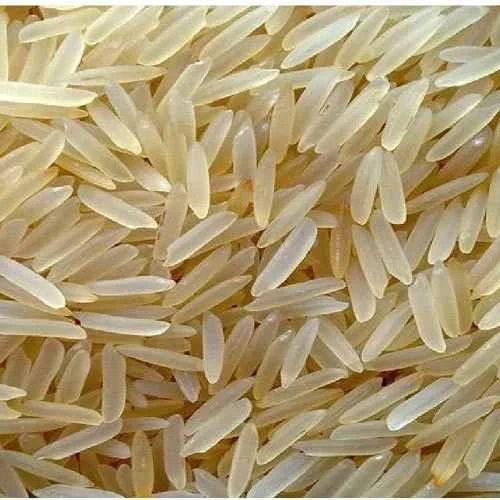
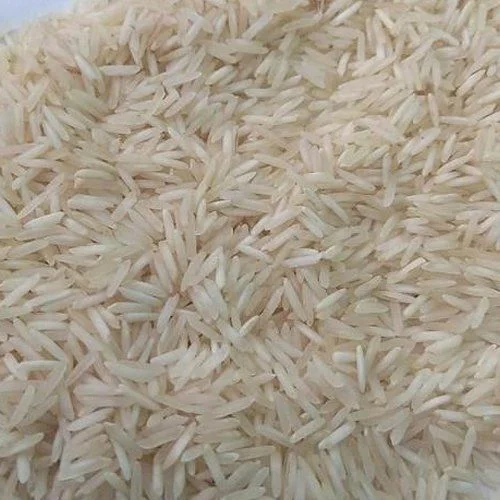
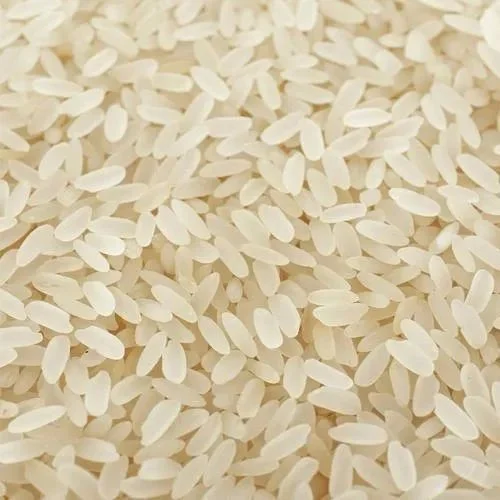
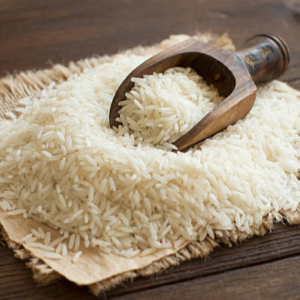
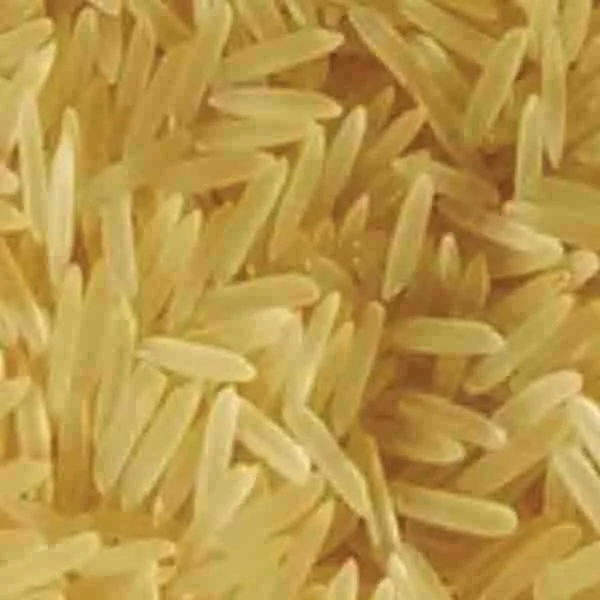
India hosts the supplier Sason International, which currently lists nine distinct agricultural products in its catalogue. The list includes one maize variety, several rice types such as White Rice, Sona Masoori Rice, IR 64 Rice, and four basmati variants that are recorded under HS code 1006.30 for polished long‑grain rice. The catalogue also contains a dedicated entry for 100 % Broken Rice, indicating a focus on both whole‑grain and broken‑grain markets. The product titles follow standard industry naming: Yellow Maize is presented without an HS code, while the basmati entries - PR11/14 Basmati Rice, 1121 Sella Basmati Rice, and 1509 Basmati Rice - are each identified as Polished Long Grain Rice (Oryza sativa indica or Oryza sativa). The remaining rice items are listed without material details, reflecting a typical export catalogue that separates grain type from processing level.
Product Range and Specialties of Sason International
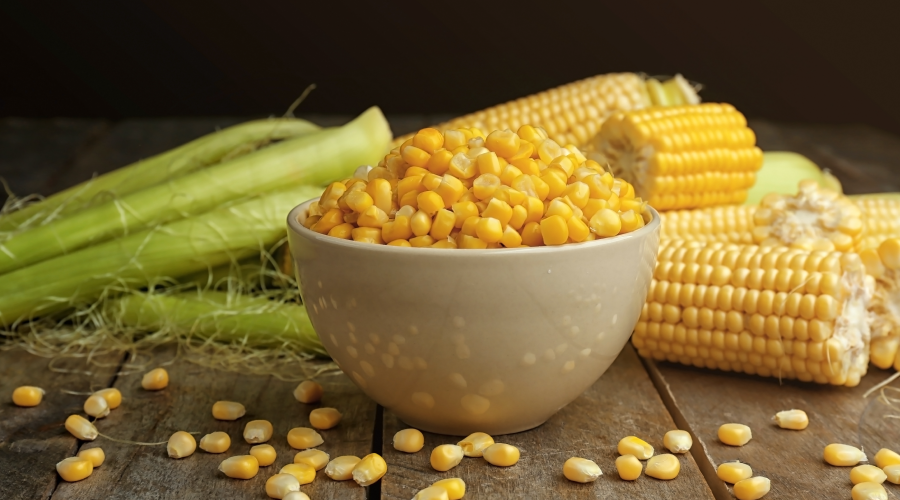
Sason International’s catalogue covers staple cereals that are frequently shipped in bulk containers. The basmati entries fall under the milled rice category (HS 1006.30) and are commonly graded by kernel length (e.g., >7 mm for premium basmati) and aroma strength, with export‑ready lots often meeting the 100 % polished standard and moisture below 14 %. White Rice and Sona Masoori Rice are usually supplied in 25 kg polypropylene bags or 1 ton bulk bags, meeting the typical Indian export specifications for broken‑grain tolerance (≤5 %). Yellow Maize, while not assigned an HS code in the catalogue, is generally classified under HS 1005 for yellow corn and exported in 50 kg bags or bulk 20‑ft containers. Industry practice for maize includes a maximum moisture content of 14 % and a test for aflatoxin levels below 20 ppb for food‑grade shipments.
Trade and Export Information - Sason International
India is a major exporter of milled rice and maize, with the Middle East, Africa, and Southeast Asia representing the largest import regions for these commodities. HS code 1006.30 for basmati and other milled rice triggers standard customs inspections that verify kernel length, moisture, and pesticide residues, while HS 1005 for maize requires phytosanitary certificates and, where applicable, fumigation declarations. Typical certifications requested by importers include ISO 22000, HACCP, and FSSC 22000 for food safety, as well as a Certificate of Origin issued by the Indian Export Promotion Council. Export shipments are commonly packed in 20‑ft or 40‑ft containers, with rice loaded in 25 kg bags stacked on pallets, and maize either bagged or shipped in bulk bulk‑grain hoppers. Incoterms such as FOB Mumbai or CIF Dubai are frequently used for these product lines.
Sourcing from Sason International - Buyer Guidance
When evaluating Sason International, buyers should request a recent laboratory analysis that confirms moisture content, broken‑grain percentage, and pesticide residue limits for each rice variety. For basmati, an aroma rating (e.g., 5‑point scale) and kernel length distribution are standard verification points. Maize buyers should ask for aflatoxin test results and a phytosanitary certificate before loading. Samples are typically provided in a 5 kg bag for rice and a 10 kg bag for maize, allowing verification of grain uniformity and any grading claims. Buyers should also confirm the supplier’s ability to meet container load plans - approximately 1,200 kg of rice per 20‑ft container and up to 2,300 kg of maize per 40‑ft container - so logistics can be aligned with demand forecasts.
Frequently Asked Questions About Sason International
What HS codes does Sason International use for its rice products?
The basmati rice entries are listed under HS code 1006.30, which covers polished milled rice. Other rice types in the catalogue are not assigned a specific HS code in the data but fall within the broader HS 1006 chapter for rice.
Which certifications should I request before purchasing rice from this supplier?
Importers typically ask for ISO 22000 or HACCP food‑safety certificates, a Certificate of Origin, and a recent laboratory report showing moisture below 14 % and pesticide residues within Codex limits.
How is Yellow Maize usually packaged for export?
Yellow Maize is commonly packed in 50 kg polypropylene bags or shipped in bulk within 20‑ft containers, with moisture content not exceeding 14 % and compliance to HS 1005 export standards.
What are the standard container loads for the listed rice products?
A 20‑ft container can hold roughly 1,200 kg of rice packed in 25 kg bags, while a 40‑ft container can accommodate about 2,400 kg using the same bag size and pallet configuration.
What quality parameters are important for the basmati varieties?
Buyers usually verify kernel length (minimum 7 mm for premium basmati), aroma intensity, moisture below 14 %, and broken‑grain rates under 5 % as part of the quality assessment.
What documentation is needed for importing the maize product?
A phytosanitary certificate, aflatoxin test report (≤20 ppb), and a Certificate of Origin are standard documents required for maize imports from India.
Can I obtain samples before placing a full order?
Yes, the supplier can provide a 5 kg sample of rice or a 10 kg sample of maize, which allows verification of grain quality, moisture content, and any grading claims before a larger shipment.
What Incoterms are commonly used for shipments from India?
Typical Incoterms include FOB Mumbai for buyers handling freight and insurance, and CIF Dubai for sellers providing cost, insurance, and freight to the destination port.




 , India