Sartort — Verified Supplier
About Sartort - Chemicals & Allied Products Supplier in China
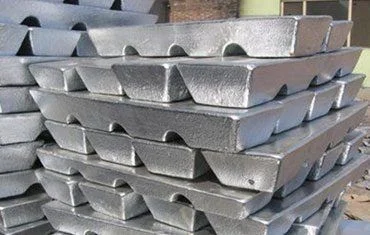
Sartort is based in China and currently lists 17 distinct chemical‑related products in its catalogue. The product set spans the top categories identified for the supplier: Chemicals & Allied Products, Essential Oils, Agriculture, Zinc Ingots, Industrial Chemicals, and Fragrances & Incense. Items include capsicum oleoresin at 60 % concentration, several glucoside surfactants such as Decyl Glucoside and Lauryl Glucoside, and specialty organic compounds like Acetyl Propionyl and Ethyl Butylacetylaminopropionate. The catalogue also contains inorganic additives such as Zinc Hydroxystannate, which is listed with HS code 2827.39 and its chemical formula Zn₂SnO₄ / ZnSnO₃. Each entry is identified by its CAS number where available.
The listed chemicals cover a range of functional groups, from fatty acid derivatives (Heptanoic Acid, CAS 111‑14‑8) to amino acid esters (L‑lysine Ethyl Ester, CAS 3844‑53‑9). The essential oil‑related item Capsicum Oleoresin is commonly used as a pungent ingredient in food and cosmetics and is regulated under HS chapter 29 for organic chemicals. Zinc Hydroxystannate falls under HS chapter 28 for inorganic chemicals and is frequently used as a flame‑retardant additive in polymer compounds. The presence of surfactants such as Decyl Glucoside and Ammonium Lauryl Sulfate aligns with HS code 3402 for soaps, detergents and surface‑active preparations. The diversity of CAS‑referenced products enables buyers to match exact chemical specifications required for regulatory compliance.
Product Range and Specialties of Sartort
Sartort’s catalogue lists 17 items that include capsicum oleoresin (60 % active), Decyl Glucoside (CAS 68515‑73‑1), Lauryl Glucoside (CAS 110615‑47‑9), Heptanoic Acid (CAS 111‑14‑8), Acetyl Propionyl (CAS 600‑14‑6), Ethyl Butylacetylaminopropionate (CAS 52304‑36‑6), Ammonium Lauryl Sulfate (CAS 2235‑54‑3), L‑lysine Ethyl Ester (CAS 3844‑53‑9) and the inorganic flame‑retardant Zinc Hydroxystannate (HS 2827.39). These products are typical of the chemicals & allied products sector where organic intermediates often meet purity grades of 95‑99 % and inorganic additives are specified by particle size and purity above 98 %.
In the broader industry, capsicum oleoresin is usually supplied at 60‑70 % capsaicinoid content and must meet ICUMSA‑type colour standards for food use. Non‑ionic surfactants such as Decyl Glucoside are offered in 98‑99 % purity and are evaluated by HLB values (typically 12‑14) for cosmetic or detergent formulations. Zinc Hydroxystannate is commonly required to comply with EN 13823 flame‑retardancy tests and is shipped as a fine powder meeting particle size < 10 µm. Buyers also look for REACH registration for organic chemicals and ISO 9001‑based quality systems across the range.
Trade and Export Information - Sartort
China is a major exporter of bulk chemicals, and products like those listed by Sartort are routinely shipped to North America, the European Union, Japan and South Korea. HS chapter 29 covers most of the organic compounds (e.g., Decyl Glucoside, Capsaicin) while inorganic additives such as Zinc Hydroxystannate fall under HS 2827.39, and surfactants are classified under HS 3402. Importing parties generally require REACH registration for the EU, TSCA compliance for the United States, and a Certificate of Analysis (COA) confirming purity, moisture content and any residual solvents. Standard export packaging includes 25 kg drums for liquids, 200 kg bulk bags for powders, and full‑container loads (20‑ft or 40‑ft) for larger volumes, typically shipped under CIF or FOB terms.
Typical certifications requested by buyers include ISO 9001 quality management, REACH registration, GMP for food‑grade items, and SDS/MSDS documentation. Chinese chemical exporters often work with customs‑bonded warehouses and may need to provide a pre‑shipment inspection report under the China Inspection and Quarantine (CIQ) system. Logistics commonly involve sea freight from ports such as Shanghai or Ningbo, with transit times of 30‑45 days to Europe and 15‑25 days to the U.S. West Coast.
Sourcing from Sartort - Buyer Guidance
When sourcing from Sartort, request a current Certificate of Analysis that lists purity percentage, assay method, and any residual solvent limits. An up‑to‑date Material Safety Data Sheet (MSDS) should accompany the COA, and for EU destinations a REACH registration number must be provided. Verify that the CAS numbers in the quotation match those in the COA to avoid mismatches in regulatory filings.
Typical minimum order quantities are 500 kg for most bulk chemicals, while specialty items such as 60 % Capsicum Oleoresin may require a 1 ton minimum. Lead times are usually 30‑45 days from order confirmation, allowing time for batch testing, documentation preparation and export clearance. Samples are often supplied in 100 ml (liquids) or 250 g (powders) quantities, and buyers should request analytical test reports for these samples before committing to full‑scale purchase.
Frequently Asked Questions About Sartort
What types of chemicals does Sartort offer?
Sartort lists 17 products covering organic surfactants, flavor compounds, flame‑retardant inorganic additives and basic acids. The catalogue includes capsicum oleoresin (60 % active), Decyl Glucoside, Heptanoic Acid, Zinc Hydroxystannate and several others, each identified by its CAS number.
How can I verify the quality of Zinc Hydroxystannate?
Request a current Certificate of Analysis that specifies purity (typically ≥99 % for Zn‑based flame retardants) and particle size distribution. The COA should be accompanied by an MSDS and, if the product is destined for the EU, a REACH registration number.
Which certifications are commonly required for these chemicals?
Buyers usually request ISO 9001 quality‑management certification, REACH compliance for the European market, and GMP certification for food‑grade ingredients. Sartort’s documentation should include these certificates if they have been obtained.
What are the typical packaging options for liquid surfactants like Decyl Glucoside?
Standard export packaging is 25 kg polyethylene drums or 200 kg bulk containers, sealed with tamper‑evident caps. A 20‑ft container can hold up to 20 drums, while a 40‑ft container can accommodate up to 40 drums.
What HS codes apply to the listed products?
Organic chemicals such as Decyl Glucoside and Capsaicin fall under HS chapter 29 (e.g., 2905). Inorganic flame‑retardant Zinc Hydroxystannate is classified under HS code 2827.39. Surfactants are generally under HS 3402.
Which markets typically import these Chinese chemical products?
Major import destinations include the United States, European Union members, Japan and South Korea, where the chemicals are used in food processing, cosmetics, polymers and agricultural formulations.
What is a common MOQ and lead time for bulk orders?
For most of the listed chemicals the minimum order is 500 kg, although specialty items like Capsicum Oleoresin may require a 1 ton minimum. Production and documentation preparation usually result in a lead time of 30‑45 days from order confirmation.




 , China