Sancoco Indonesia — Verified Supplier

About Sancoco Indonesia - Coconut Oil Supplier in Indonesia

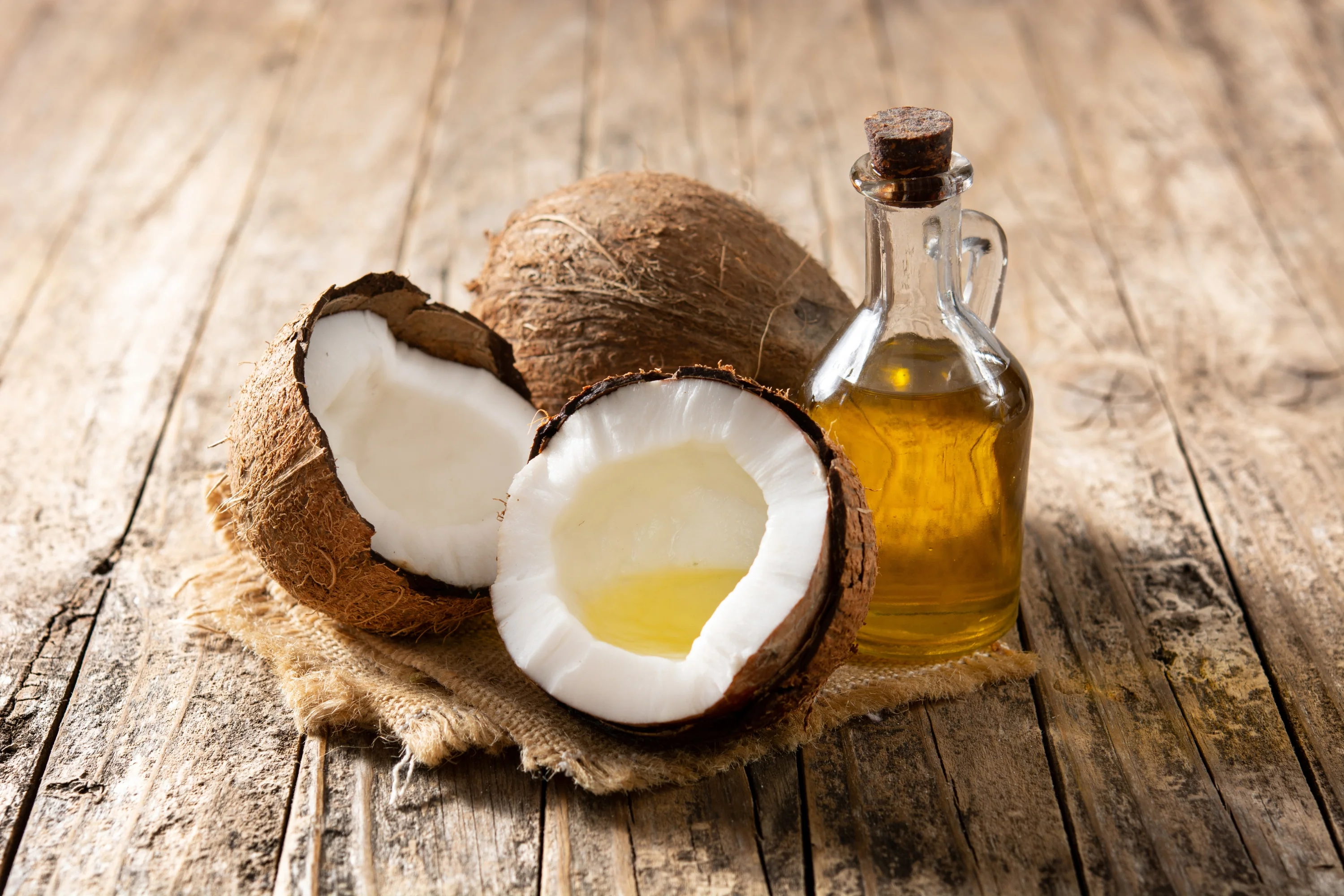
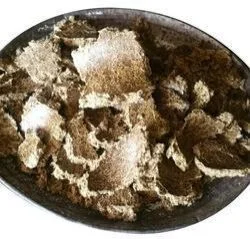
Indonesia‑based Sancoco Indonesia lists five distinct products across the coconut oil and copra categories. The catalogue includes Refined, Bleached and Deodorised (RBD) Coconut Oil, RBD Hydrogenated Coconut Oil (RBD HCNO), Crude Coconut Oil (CCNO), Coconut Fatty Acids Distillate (CFAD) and Copra Pellets (commonly referred to as Copra Meal). Each product is presented under the broader HS families for edible oils and oilseed meals, matching the standard classification used in international trade for coconut‑derived commodities.

The supplier’s active product count of five reflects a focused portfolio that covers both refined edible oil grades and intermediate oilseed products. The range spans from fully refined oil ready for food manufacturing to crude and hydrogenated variants used in confectionery and cosmetic formulations, as well as a fatty‑acid distillate employed in soap and detergent production and copra pellets used as animal feed or further processing into coconut meal.

Product Range and Specialties of Sancoco Indonesia

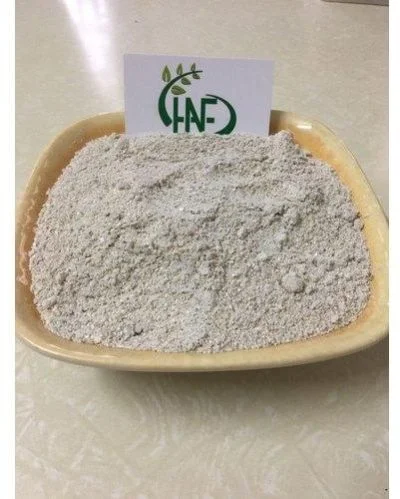
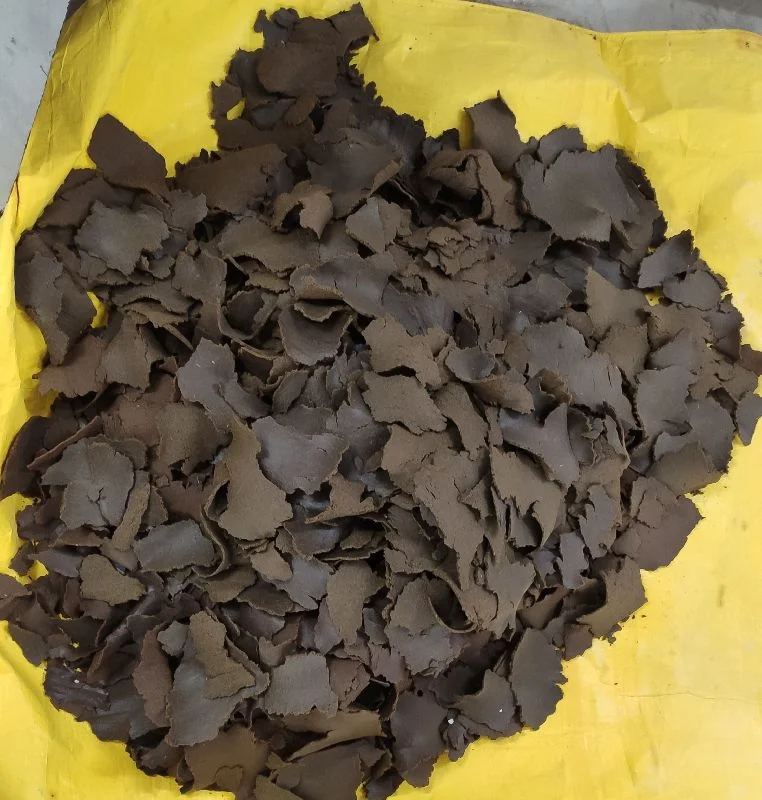
Sancoco Indonesia’s catalogue lists RBD Coconut Oil, RBD Hydrogenated Coconut Oil, Crude Coconut Oil, Coconut Fatty Acids Distillate and Copra Pellets. In the coconut‑oil market, refined oils are typically graded to ICUMSA 45 or 100, with free fatty acid (FFA) levels below 0.1 % and moisture under 0.02 %. Hydrogenated coconut oil is usually specified with a melting point between 30 °C and 35 °C and an iodine value below 10 g I₂/100 g. Crude coconut oil commonly exhibits FFA levels of 2 % - 5 % and higher moisture, requiring further refining for food use. CFAD is a by‑product rich in medium‑chain fatty acids, often sold with an acid value below 10 mg KOH/g. Copra pellets generally contain 55 % - 60 % oil, 22 % - 24 % protein, and moisture below 12 %, making them suitable for feed or oil extraction operations.

Trade and Export Information - Sancoco Indonesia

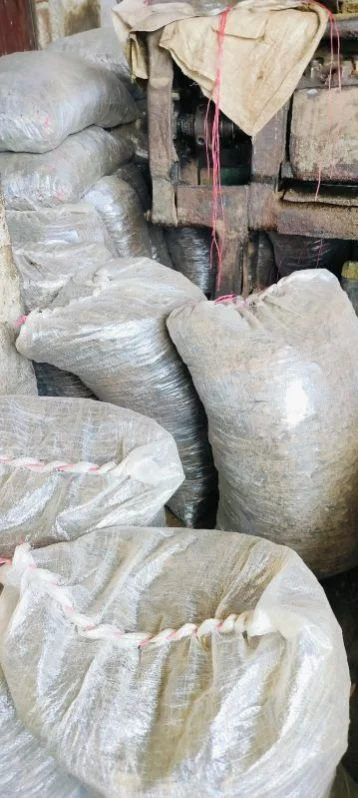
Indonesia is one of the world’s largest exporters of coconut oil and copra products, supplying Europe, North America, India and China with bulk shipments. Buyers typically import these commodities under HS Chapter 15, with refined coconut oil classified under HS 1509 and copra pellets under HS 1510. Standard export documentation includes a commercial invoice, packing list, certificate of origin and a laboratory analysis report. Common buyer requirements involve ISO 9001 quality management, HACCP or equivalent food‑safety certifications, and SGS or BV inspection reports. Bulk shipments are usually loaded in 20‑ft or 40‑ft containers, with refined oils packed in food‑grade drums (200 L) or bulk tanker trucks, while copra pellets are shipped in jute or polypropylene bags (25 kg each) stacked in containers.

Sourcing from Sancoco Indonesia - Buyer Guidance

When sourcing from Sancoco Indonesia, buyers should request a recent Certificate of Analysis that details FFA, moisture, peroxide value, iodine value and acid value for each oil grade, as well as proximate analysis for copra pellets. Verification of any claimed certifications (e.g., ISO 9001, HACCP) through a third‑party audit report is advisable before placing a first order. Buyers are encouraged to confirm packaging specifications - drum material, bag type, pallet configuration - and to arrange an independent pre‑shipment inspection to ensure compliance with the agreed specifications.

Frequently Asked Questions About Sancoco Indonesia

What quality specifications apply to the RBD Coconut Oil listed by Sancoco Indonesia?

RBD Coconut Oil is commonly specified to ICUMSA 45 or 100, free fatty acid < 0.1 %, moisture < 0.02 % and peroxide value < 10 meq/kg. Buyers should ask for a Certificate of Analysis that confirms these parameters.

Does the supplier provide a Certificate of Analysis for the Crude Coconut Oil?

A recent COA should be requested for Crude Coconut Oil, showing free fatty acid content (typically 2‑5 %), moisture, iodine value and any impurities. This document is standard for bulk crude oil transactions.

What are the typical packaging options for the Copra Pellets?

Copra Pellets are usually packed in 25 kg polypropylene or jute bags, stacked on standard Euro pallets for container loading. Buyers can confirm bag material and pallet dimensions with the supplier.

Which certifications are normally required for edible coconut oil exports from Indonesia?

Importers often require ISO 9001 quality‑management certification, HACCP or equivalent food‑safety certification, and a third‑party inspection report (e.g., SGS, BV). These should be verified before finalizing the purchase.

What HS code families do the listed products fall under?

Refined and crude coconut oils fall under HS Chapter 15, specifically heading 1509, while copra pellets are classified under heading 1510. These codes are used for customs declaration and tariff assessment.

What is a typical minimum order quantity and lead time for the RBD Hydrogenated Coconut Oil?

Bulk orders of RBD Hydrogenated Coconut Oil often start at 20 metric tonnes, with a lead time of 30‑45 days from order confirmation, depending on production scheduling and shipping arrangements.

How can a buyer arrange a sample of the Coconut Fatty Acids Distillate?

Buyers should request a small‑scale sample (e.g., 1‑2 kg) together with its analytical report. Samples are usually shipped in sealed glass bottles under the buyer’s Incoterm, often CIF to the destination port.

What logistical terms are commonly used for shipping these Indonesian coconut products?

Export contracts frequently use CIF (Cost, Insurance, Freight) or FOB (Free on Board) terms, with cargo loaded into 20‑ft or 40‑ft containers for oil drums or bulk tankers for liquid oil, and standard containers for copra pellets.


Featured Products from this Supplier

Other Suppliers in Primary Category

Related Products

Trending in Parent Category

More Suppliers in Category

Related Products

Other Suppliers

EximNext
58.5K+ live requirements
Register Free🎁 Reach verified global buyers
Post Requirement
🌍 Trusted by 224.6K+ businesses in 200+ countries|
58.5K+ active requirements right now
✉️ [email protected]
|
Sell on EximNextPost Requirement
EximNext
AgricultureApparelConstructionElectronicFoodHomeIndustrialMineralsMiscellaneous
🔥 Deals|✨ AI Match|🏭 Suppliers|📋 Buy Leads|💰 Trade Finance
58.5K+ live RFQs·194.6K+ suppliers
🎁 Reach global buyers →
EximNext
EximNext
Register Free
🎁 Reach verified global buyers
Sign In
📋Post Requirement💬Get QuotesAI Match📋RFQ Marketplace
All Categories
Services & Tools
🏭Supplier Directory🔥Today's Deals💰Trade Finance
Sell on EximNext
AboutContactBlogHelp
🏭

Sancoco Indonesia

Harbor
Country flag , Indonesia
🛡️
54/100
Trust Score

Sancoco Indonesia Product Catalog

Showing 5 of 5 products
View all products →
RBD Coconut Oil (Refined)
Harbor
RBD Coconut Oil (Refined)
Contact
MOQ: 1 Unit
RBD Hydrogenated Coconut Oil (RBD HCNO)
Harbor
RBD Hydrogenated Coconut Oil (RBD HCNO)
Contact
MOQ: 1 Unit
Crude Coconut Oil (CCNO)
Harbor
Crude Coconut Oil (CCNO)
Contact
MOQ: 1 Unit
Coconut Fatty Acids Distillate (CFAD)
Harbor
Coconut Fatty Acids Distillate (CFAD)
Contact
MOQ: 1 Unit
Copra Pellets (Copra Meal)
Harbor
Copra Pellets (Copra Meal)
Contact
MOQ: 1 Unit

About Sancoco Indonesia - Coconut Oil Supplier in Indonesia

Indonesia‑based Sancoco Indonesia lists five distinct products across the coconut oil and copra categories. The catalogue includes Refined, Bleached and Deodorised (RBD) Coconut Oil, RBD Hydrogenated Coconut Oil (RBD HCNO), Crude Coconut Oil (CCNO), Coconut Fatty Acids Distillate (CFAD) and Copra Pellets (commonly referred to as Copra Meal). Each product is presented under the broader HS families for edible oils and oilseed meals, matching the standard classification used in international trade for coconut‑derived commodities.

The supplier’s active product count of five reflects a focused portfolio that covers both refined edible oil grades and intermediate oilseed products. The range spans from fully refined oil ready for food manufacturing to crude and hydrogenated variants used in confectionery and cosmetic formulations, as well as a fatty‑acid distillate employed in soap and detergent production and copra pellets used as animal feed or further processing into coconut meal.

Product Range and Specialties of Sancoco Indonesia

Sancoco Indonesia’s catalogue lists RBD Coconut Oil, RBD Hydrogenated Coconut Oil, Crude Coconut Oil, Coconut Fatty Acids Distillate and Copra Pellets. In the coconut‑oil market, refined oils are typically graded to ICUMSA 45 or 100, with free fatty acid (FFA) levels below 0.1 % and moisture under 0.02 %. Hydrogenated coconut oil is usually specified with a melting point between 30 °C and 35 °C and an iodine value below 10 g I₂/100 g. Crude coconut oil commonly exhibits FFA levels of 2 % - 5 % and higher moisture, requiring further refining for food use. CFAD is a by‑product rich in medium‑chain fatty acids, often sold with an acid value below 10 mg KOH/g. Copra pellets generally contain 55 % - 60 % oil, 22 % - 24 % protein, and moisture below 12 %, making them suitable for feed or oil extraction operations.

Trade and Export Information - Sancoco Indonesia

Indonesia is one of the world’s largest exporters of coconut oil and copra products, supplying Europe, North America, India and China with bulk shipments. Buyers typically import these commodities under HS Chapter 15, with refined coconut oil classified under HS 1509 and copra pellets under HS 1510. Standard export documentation includes a commercial invoice, packing list, certificate of origin and a laboratory analysis report. Common buyer requirements involve ISO 9001 quality management, HACCP or equivalent food‑safety certifications, and SGS or BV inspection reports. Bulk shipments are usually loaded in 20‑ft or 40‑ft containers, with refined oils packed in food‑grade drums (200 L) or bulk tanker trucks, while copra pellets are shipped in jute or polypropylene bags (25 kg each) stacked in containers.

Sourcing from Sancoco Indonesia - Buyer Guidance

When sourcing from Sancoco Indonesia, buyers should request a recent Certificate of Analysis that details FFA, moisture, peroxide value, iodine value and acid value for each oil grade, as well as proximate analysis for copra pellets. Verification of any claimed certifications (e.g., ISO 9001, HACCP) through a third‑party audit report is advisable before placing a first order. Buyers are encouraged to confirm packaging specifications - drum material, bag type, pallet configuration - and to arrange an independent pre‑shipment inspection to ensure compliance with the agreed specifications.

Frequently Asked Questions About Sancoco Indonesia

What quality specifications apply to the RBD Coconut Oil listed by Sancoco Indonesia?

RBD Coconut Oil is commonly specified to ICUMSA 45 or 100, free fatty acid < 0.1 %, moisture < 0.02 % and peroxide value < 10 meq/kg. Buyers should ask for a Certificate of Analysis that confirms these parameters.

Does the supplier provide a Certificate of Analysis for the Crude Coconut Oil?

A recent COA should be requested for Crude Coconut Oil, showing free fatty acid content (typically 2‑5 %), moisture, iodine value and any impurities. This document is standard for bulk crude oil transactions.

What are the typical packaging options for the Copra Pellets?

Copra Pellets are usually packed in 25 kg polypropylene or jute bags, stacked on standard Euro pallets for container loading. Buyers can confirm bag material and pallet dimensions with the supplier.

Which certifications are normally required for edible coconut oil exports from Indonesia?

Importers often require ISO 9001 quality‑management certification, HACCP or equivalent food‑safety certification, and a third‑party inspection report (e.g., SGS, BV). These should be verified before finalizing the purchase.

What HS code families do the listed products fall under?

Refined and crude coconut oils fall under HS Chapter 15, specifically heading 1509, while copra pellets are classified under heading 1510. These codes are used for customs declaration and tariff assessment.

What is a typical minimum order quantity and lead time for the RBD Hydrogenated Coconut Oil?

Bulk orders of RBD Hydrogenated Coconut Oil often start at 20 metric tonnes, with a lead time of 30‑45 days from order confirmation, depending on production scheduling and shipping arrangements.

How can a buyer arrange a sample of the Coconut Fatty Acids Distillate?

Buyers should request a small‑scale sample (e.g., 1‑2 kg) together with its analytical report. Samples are usually shipped in sealed glass bottles under the buyer’s Incoterm, often CIF to the destination port.

What logistical terms are commonly used for shipping these Indonesian coconut products?

Export contracts frequently use CIF (Cost, Insurance, Freight) or FOB (Free on Board) terms, with cargo loaded into 20‑ft or 40‑ft containers for oil drums or bulk tankers for liquid oil, and standard containers for copra pellets.

About Sancoco Indonesia - Coconut Oil Supplier in Indonesia

Indonesia‑based Sancoco Indonesia lists five distinct products across the coconut oil and copra categories. The catalogue includes Refined, Bleached and Deodorised (RBD) Coconut Oil, RBD Hydrogenated Coconut Oil (RBD HCNO), Crude Coconut Oil (CCNO), Coconut Fatty Acids Distillate (CFAD) and Copra Pellets (commonly referred to as Copra Meal). Each product is presented under the broader HS families for edible oils and oilseed meals, matching the standard classification used in international trade for coconut‑derived commodities.

The supplier’s active product count of five reflects a focused portfolio that covers both refined edible oil grades and intermediate oilseed products. The range spans from fully refined oil ready for food manufacturing to crude and hydrogenated variants used in confectionery and cosmetic formulations, as well as a fatty‑acid distillate employed in soap and detergent production and copra pellets used as animal feed or further processing into coconut meal.

Product Range and Specialties of Sancoco Indonesia

Sancoco Indonesia’s catalogue lists RBD Coconut Oil, RBD Hydrogenated Coconut Oil, Crude Coconut Oil, Coconut Fatty Acids Distillate and Copra Pellets. In the coconut‑oil market, refined oils are typically graded to ICUMSA 45 or 100, with free fatty acid (FFA) levels below 0.1 % and moisture under 0.02 %. Hydrogenated coconut oil is usually specified with a melting point between 30 °C and 35 °C and an iodine value below 10 g I₂/100 g. Crude coconut oil commonly exhibits FFA levels of 2 % - 5 % and higher moisture, requiring further refining for food use. CFAD is a by‑product rich in medium‑chain fatty acids, often sold with an acid value below 10 mg KOH/g. Copra pellets generally contain 55 % - 60 % oil, 22 % - 24 % protein, and moisture below 12 %, making them suitable for feed or oil extraction operations.

Trade and Export Information - Sancoco Indonesia

Indonesia is one of the world’s largest exporters of coconut oil and copra products, supplying Europe, North America, India and China with bulk shipments. Buyers typically import these commodities under HS Chapter 15, with refined coconut oil classified under HS 1509 and copra pellets under HS 1510. Standard export documentation includes a commercial invoice, packing list, certificate of origin and a laboratory analysis report. Common buyer requirements involve ISO 9001 quality management, HACCP or equivalent food‑safety certifications, and SGS or BV inspection reports. Bulk shipments are usually loaded in 20‑ft or 40‑ft containers, with refined oils packed in food‑grade drums (200 L) or bulk tanker trucks, while copra pellets are shipped in jute or polypropylene bags (25 kg each) stacked in containers.

Sourcing from Sancoco Indonesia - Buyer Guidance

When sourcing from Sancoco Indonesia, buyers should request a recent Certificate of Analysis that details FFA, moisture, peroxide value, iodine value and acid value for each oil grade, as well as proximate analysis for copra pellets. Verification of any claimed certifications (e.g., ISO 9001, HACCP) through a third‑party audit report is advisable before placing a first order. Buyers are encouraged to confirm packaging specifications - drum material, bag type, pallet configuration - and to arrange an independent pre‑shipment inspection to ensure compliance with the agreed specifications.

Frequently Asked Questions About Sancoco Indonesia
What quality specifications apply to the RBD Coconut Oil listed by Sancoco Indonesia?
RBD Coconut Oil is commonly specified to ICUMSA 45 or 100, free fatty acid < 0.1 %, moisture < 0.02 % and peroxide value < 10 meq/kg. Buyers should ask for a Certificate of Analysis that confirms these parameters.
Does the supplier provide a Certificate of Analysis for the Crude Coconut Oil?
A recent COA should be requested for Crude Coconut Oil, showing free fatty acid content (typically 2‑5 %), moisture, iodine value and any impurities. This document is standard for bulk crude oil transactions.
What are the typical packaging options for the Copra Pellets?
Copra Pellets are usually packed in 25 kg polypropylene or jute bags, stacked on standard Euro pallets for container loading. Buyers can confirm bag material and pallet dimensions with the supplier.
Which certifications are normally required for edible coconut oil exports from Indonesia?
Importers often require ISO 9001 quality‑management certification, HACCP or equivalent food‑safety certification, and a third‑party inspection report (e.g., SGS, BV). These should be verified before finalizing the purchase.
What HS code families do the listed products fall under?
Refined and crude coconut oils fall under HS Chapter 15, specifically heading 1509, while copra pellets are classified under heading 1510. These codes are used for customs declaration and tariff assessment.
What is a typical minimum order quantity and lead time for the RBD Hydrogenated Coconut Oil?
Bulk orders of RBD Hydrogenated Coconut Oil often start at 20 metric tonnes, with a lead time of 30‑45 days from order confirmation, depending on production scheduling and shipping arrangements.
How can a buyer arrange a sample of the Coconut Fatty Acids Distillate?
Buyers should request a small‑scale sample (e.g., 1‑2 kg) together with its analytical report. Samples are usually shipped in sealed glass bottles under the buyer’s Incoterm, often CIF to the destination port.
What logistical terms are commonly used for shipping these Indonesian coconut products?
Export contracts frequently use CIF (Cost, Insurance, Freight) or FOB (Free on Board) terms, with cargo loaded into 20‑ft or 40‑ft containers for oil drums or bulk tankers for liquid oil, and standard containers for copra pellets.

🏭
Sancoco Indonesia
Country flag , Indonesia
Harbor
54/100
Trust Score
📦
5
Products
Free to contact — no commission
Escrow payment available
Verified business identity
Compare more suppliers
Post a requirement — get 10 quotes free
Let verified suppliers compete for your business. Free, fast, no commitment.
EximNext Verified Supplier
Business identity verified
Physical address confirmed
Financial history checked
Certifications authenticated
Trade references validated
Due Diligence
Verify this supplier's real shipping history.
Every shipment, every buyer, every port. Trade data that can't be faked.
Run due diligence →
Discover More

Related Suppliers & Products

Explore similar suppliers, related products and trending categories

Featured Products from this Supplier

Other Suppliers in Primary Category

Related Products

Trending in Parent Category

More Suppliers in Category

Stay ahead in global trade
Weekly market insights & new supplier alerts.
EximNext
Exim Next is a leading global B2B marketplace, connecting over 205,000 verified suppliers and buyers across 200+ countries. As a trusted import export marketplace, it serves as the essential B2B portal for businesses worldwide, empowering them to expand their international reach. With Exim Next, businesses can trade smarter and grow faster.
SECURE PAYMENTS
VISAMastercardPayPalSWIFTL/CEscrow
Follow us
© 2026 EximNext