Sajida Exports — Verified Supplier
About Sajida Exports - Maize Supplier in India
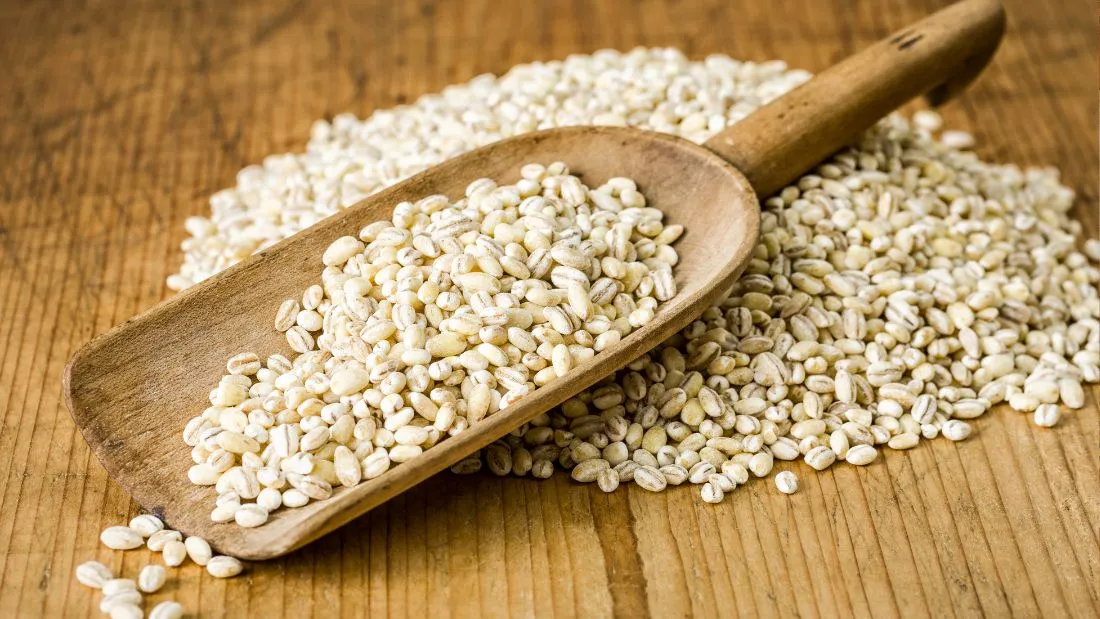
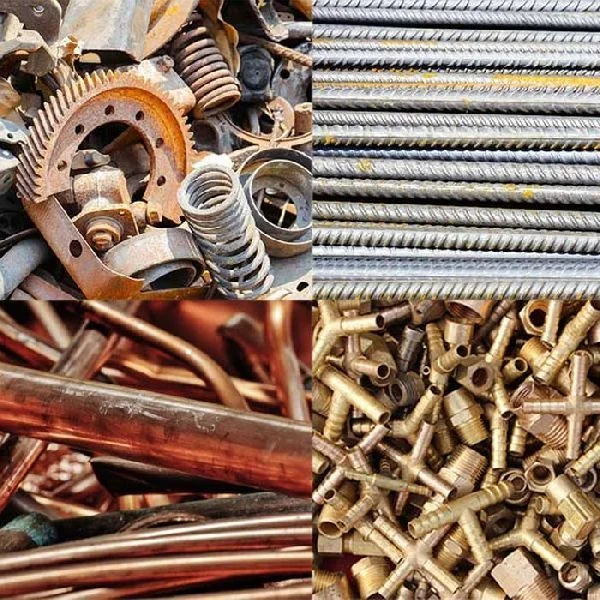
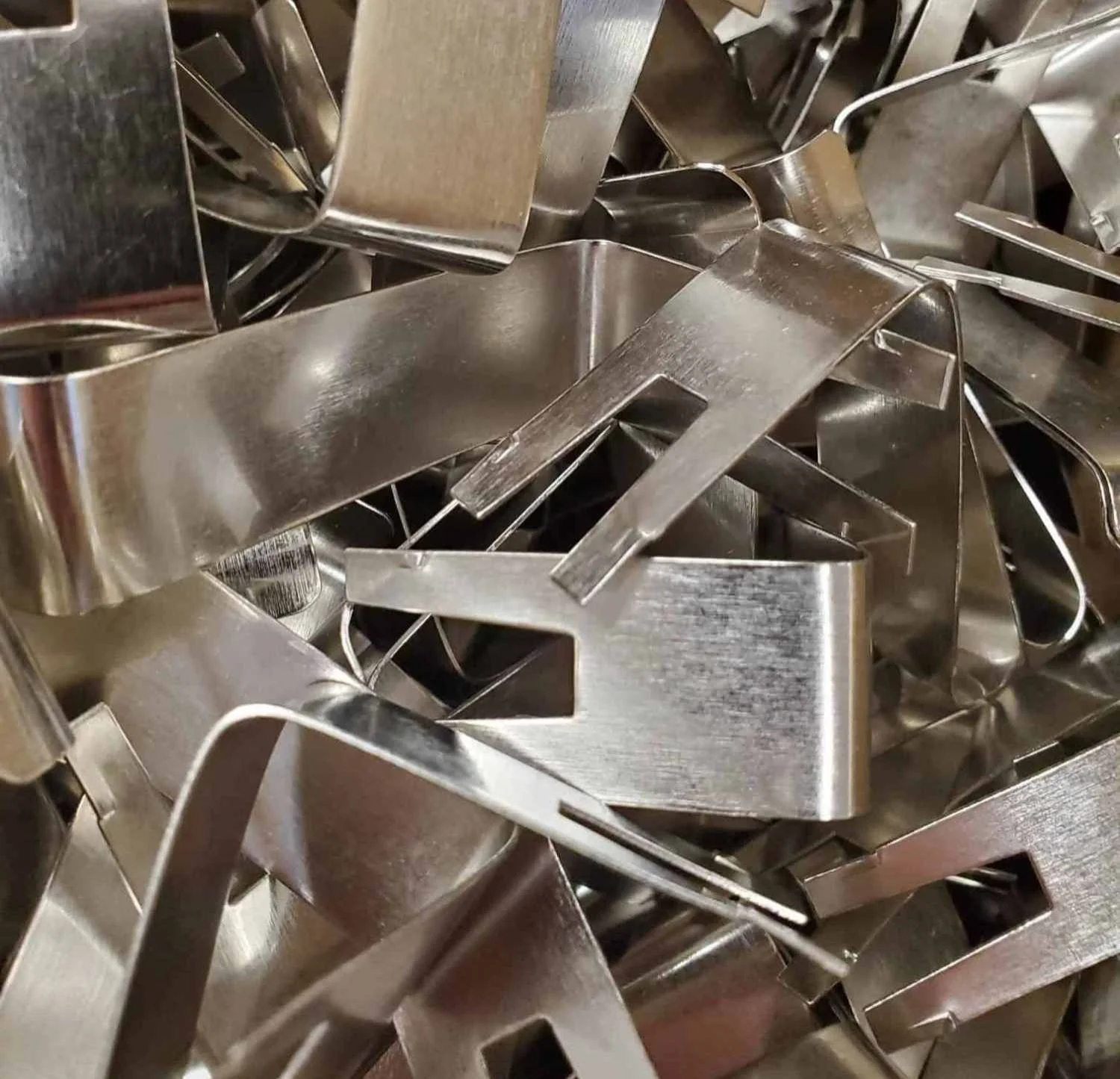
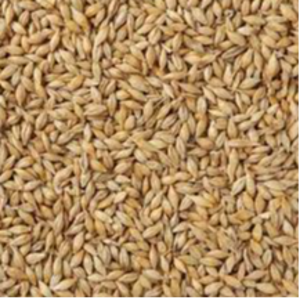
Sajida Exports is based in India and currently lists eight distinct products in its catalogue. The portfolio covers a range of agricultural commodities and a metal scrap category, specifically maize, barley, sugar, millets, wheat, rice, frozen meat, and ferrous metal scrap. The barley entry is recorded under HS code 1003.90 and identified as hulled barley grain (Hordeum vulgare). The metal scrap entry carries HS code 7204.49 and is described as ferrous metal scrap composed of iron and carbon steel. The remaining items are listed without specific HS codes in the provided data.
In addition to the eight products, the supplier groups them under broad categories such as grains, sugar, meat and metal scrap. The grain list includes staple cereals that are commonly exported from India to South‑East Asia, the Middle East and Africa. Sugar and frozen meat are typical Indian export items that require temperature‑controlled logistics. Metal scrap from India is a major feedstock for steel mills in Europe and Southeast Asia, and it is classified under the ferrous scrap HS chapter.
Product Range and Specialties of Sajida Exports
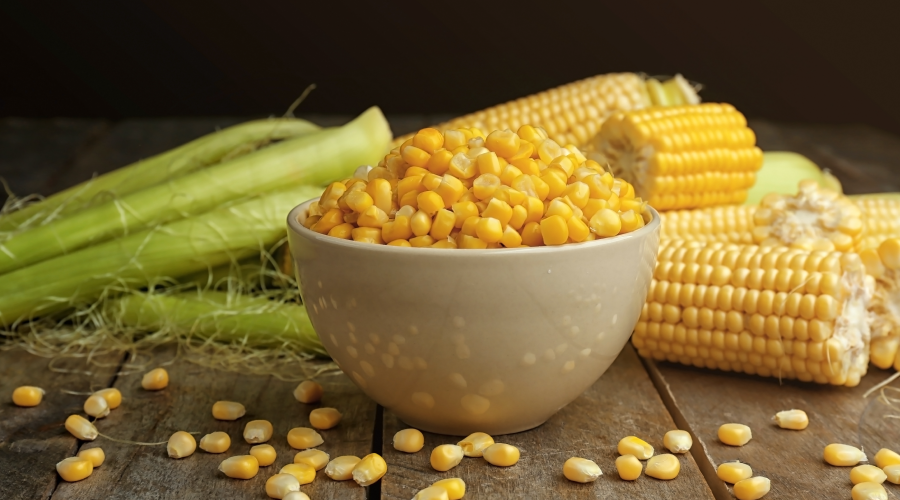
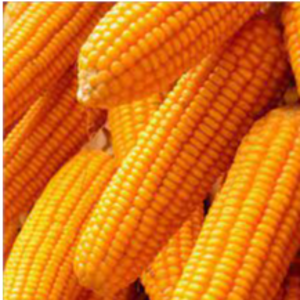
The catalogue shows maize, barley (hulled barley grain, HS 1003.90), wheat, rice and millets as the grain segment, while sugar, frozen meat and ferrous metal scrap complete the offering. In the grain market, buyers usually differentiate grades by moisture (13‑14 % for maize), test weight, protein content and intended use, such as feed or food grade. Barley is traded in malting and feed grades, often with a maximum moisture of 14 % and a specific husk content. Sugar exports are typically judged by ICUMSA 45 purity, moisture below 0.1 % and ash content under 0.02 %. Frozen meat is shipped in insulated reefers with a standard -18 °C temperature, and metal scrap is evaluated by size, steel grade and a mill test report confirming iron and carbon percentages.
Trade and Export Information - Sajida Exports
India ranks among the world’s top exporters of cereals, sugar and ferrous scrap, supplying South‑East Asian, African and European markets. Grain shipments under HS chapter 10 (e.g., HS 1003 for barley) are usually subject to phytosanitary certificates and may require fumigation statements for certain destinations. Ferrous metal scrap classified under HS 7204.49 often needs a certificate of origin and a compliance statement with the destination country’s steel‑recycling standards. Buyers of Indian sugar typically request an ICUMSA analysis and a customs‑approved quality certificate. Shipping terms most often employ FOB at Indian ports such as Mumbai or Kolkata, or CIF to the buyer’s port, with bulk grains packed in 25 kg polypropylene bags or bulk 20‑ft containers, and metal scrap loaded in open‑top containers.
Sourcing from Sajida Exports - Buyer Guidance
When sourcing from Sajida Exports, buyers should ask for a phytosanitary certificate for all grain items and a laboratory analysis report confirming moisture, mycotoxin and pesticide limits. For sugar, request an ICUMSA 45 test report and a moisture analysis. Metal scrap buyers normally require a mill test report, a size‑distribution chart and a certificate of origin to satisfy steel mill specifications. Verify packaging details - grains in 25 kg bags or bulk containers, frozen meat in reefers with temperature logs, and scrap in sealed open‑top containers - before confirming the order.
Frequently Asked Questions About Sajida Exports
What grain products does Sajida Exports offer?
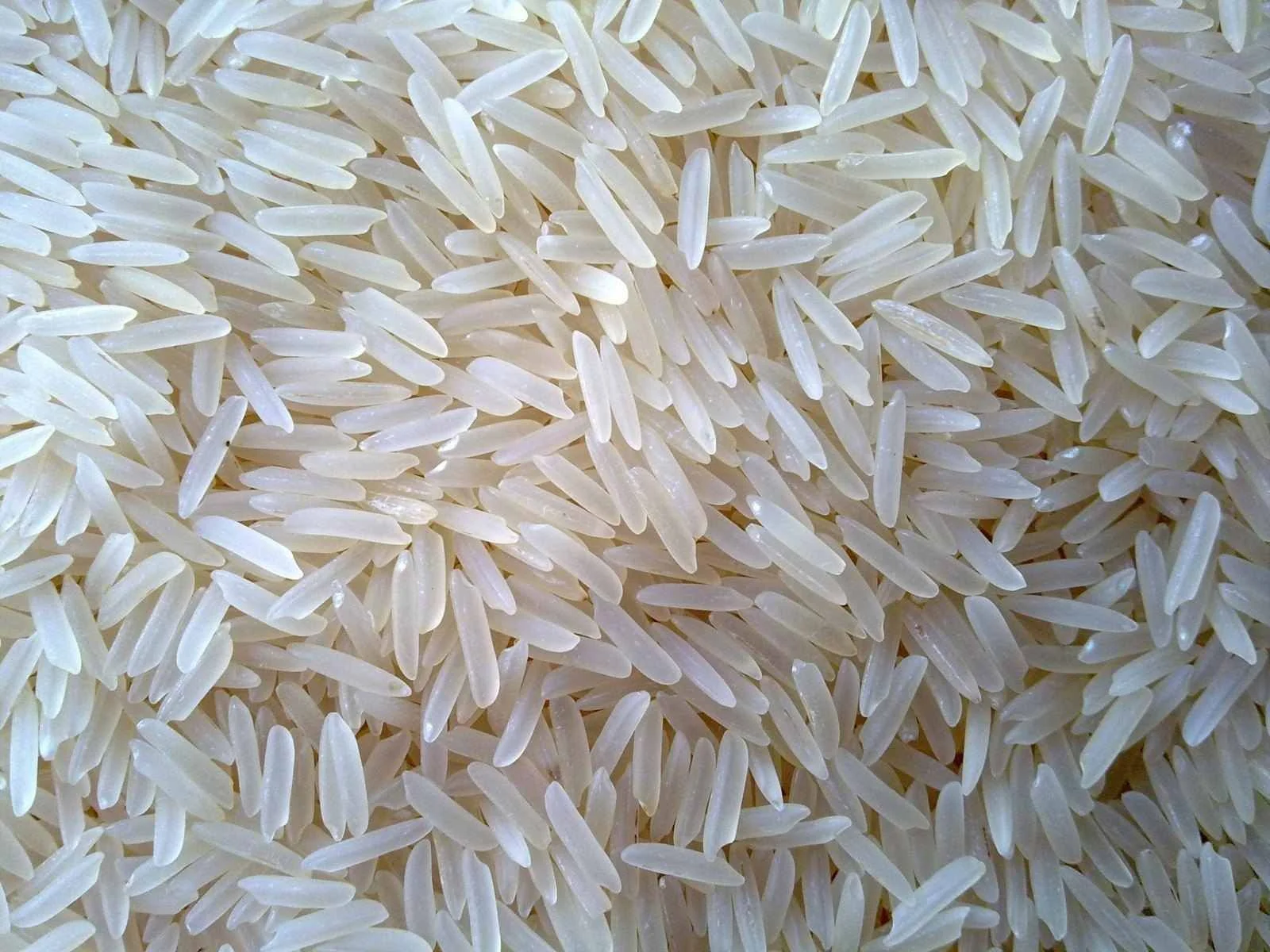
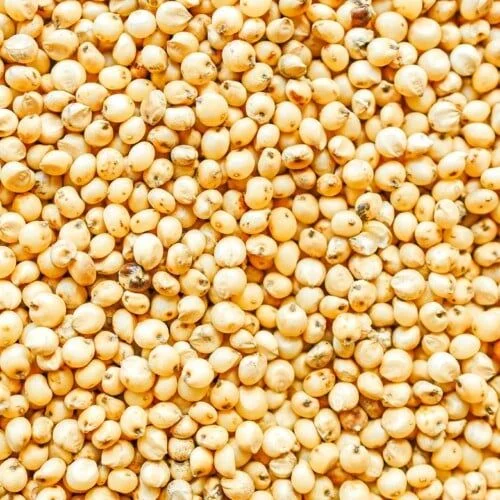
The catalogue lists maize, barley (hulled barley grain HS 1003.90), wheat, rice and millets. These are standard food‑grade cereals commonly traded from India.
Does the supplier provide specifications for the barley product?
Barley is described as hulled barley grain (Hordeum vulgare) under HS code 1003.90. Buyers typically request moisture content (13‑14 %), test weight and a malting or feed‑grade specification sheet.
What information is available for the metal scrap offering?
The metal scrap is classified under HS code 7204.49 and defined as ferrous metal scrap (iron and carbon steel). Standard buyer requests include size distribution, steel grade and a mill test report confirming composition.
Which certifications should a buyer verify for the agricultural products?
For Indian grain exports, buyers commonly ask for a phytosanitary certificate, a certificate of origin and laboratory analysis confirming moisture, mycotoxin levels and pesticide residues. Sugar shipments often require an ICUMSA analysis report.
What are typical packaging and container options for these commodities?
Grains such as maize, barley, wheat and rice are usually packed in 25 kg polypropylene bags or bulk 20‑ft containers with a gross weight up to 20 tonnes. Frozen meat is shipped in insulated 40‑ft refrigerated containers (reefers) with temperature control at - 18 °C.
What are common Incoterms used for shipments from India?
Exporters from India frequently operate under FOB (port of loading) or CIF (destination port) terms, allowing the buyer to arrange onward freight and insurance. The choice depends on the buyer’s logistics preferences.
What is the typical lead time for orders?
Lead times vary by product; bulk grain shipments often require 30‑45 days after order confirmation, while metal scrap may be ready for dispatch within 15‑20 days. Frozen meat generally needs 7‑10 days to complete processing and cold‑chain logistics.
Are there any import restrictions buyers should be aware of?
Importers should verify that the product complies with the destination country’s maximum residue limits, phytosanitary requirements and any tariff classifications under the relevant HS codes (e.g., 1003 for barley, 7204 for metal scrap). Failure to present the required certificates can delay customs clearance.




 , India