Agriculture›
 Apparel and fashion accessories›
 Construction & real estate›💡Electronic & Electrical›🍎Food & Beverages›🛋️Home furnishing & supplies›⚗️Industrial goods & chemical›🪨Minerals & metals›📦Miscellaneous›Agriculture›Apparel and fashion accessories›Construction & real estate›💡Electronic & Electrical›🍎Food & Beverages›🛋️Home furnishing & supplies›⚗️Industrial goods & chemical›🪨Minerals & metals›📦Miscellaneous›
"Rocklite" By M.i. Handicrafts
⚓ Harbor , PakistanNew supplier / no reviews yet
"Rocklite" By M.i. Handicrafts Product Catalog
About \"Rocklite\" By M.i. Handicrafts - Salt Supplier in Pakistan
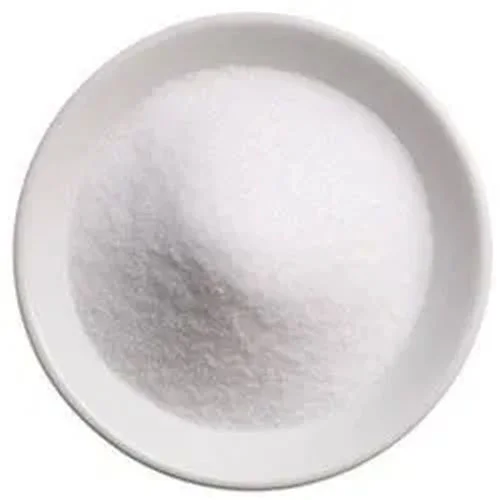
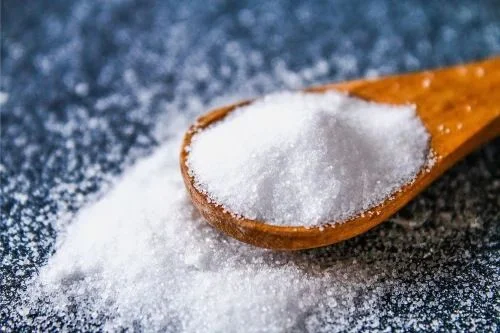
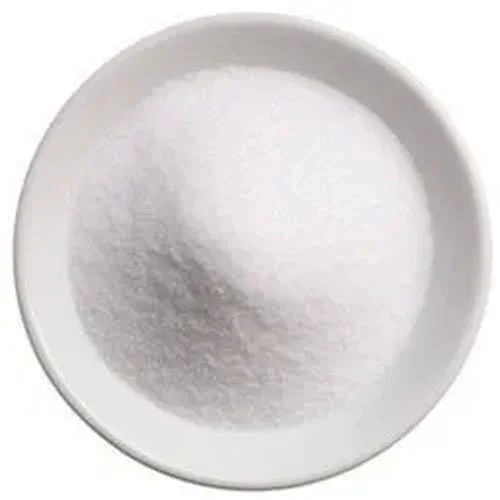
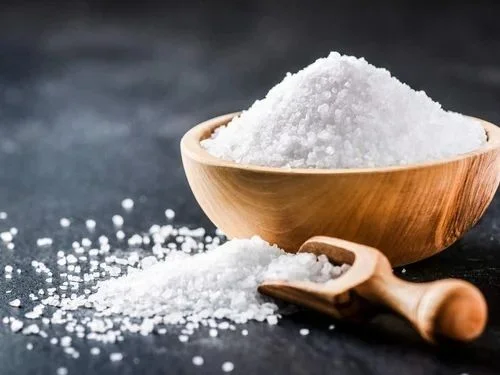
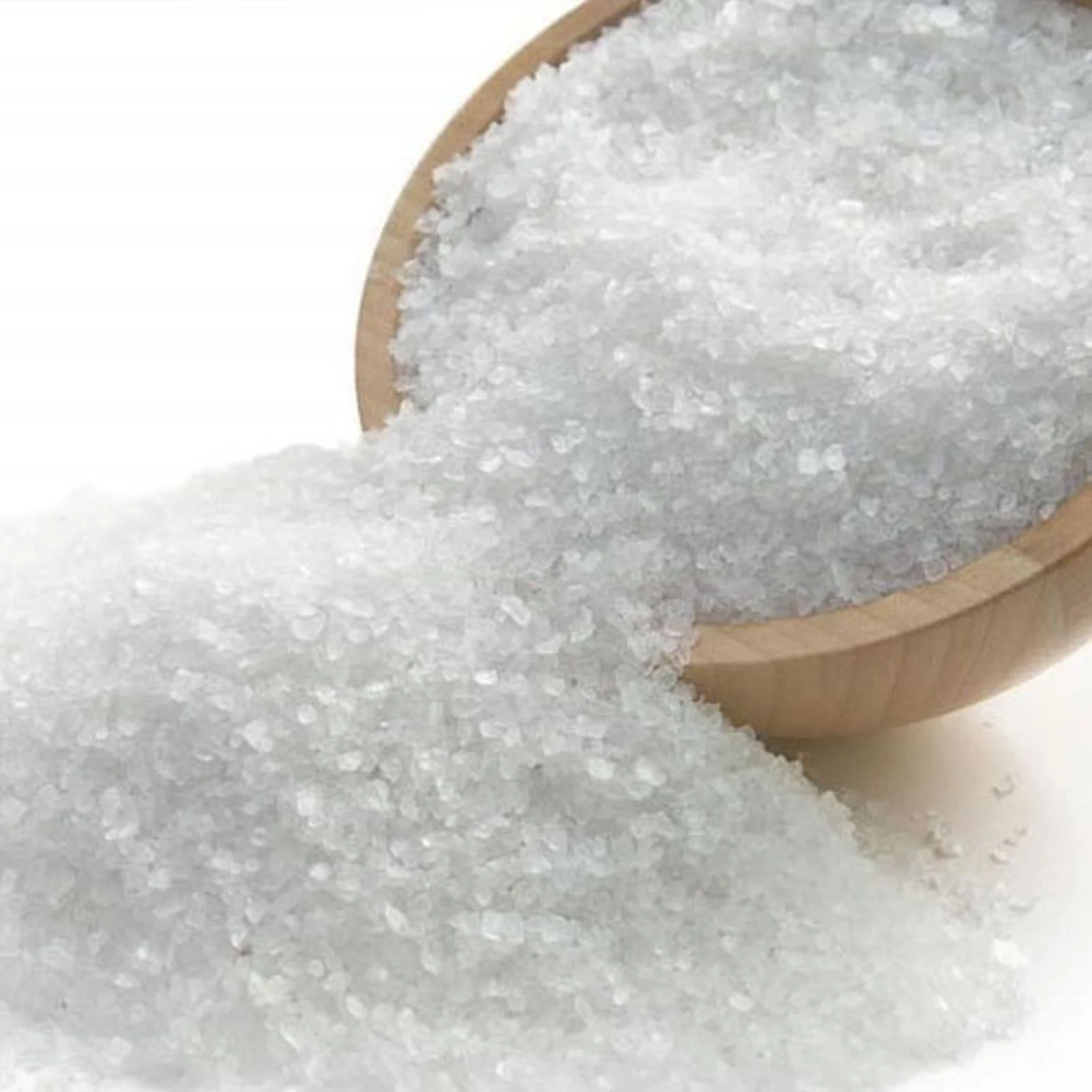
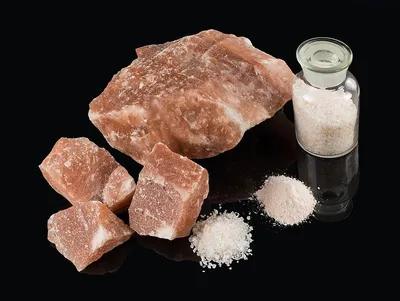
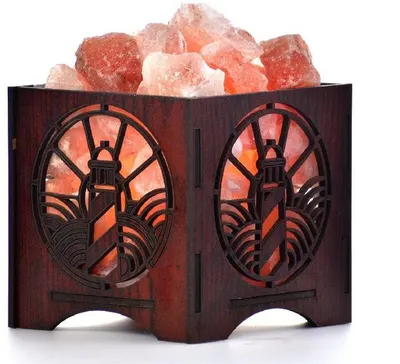
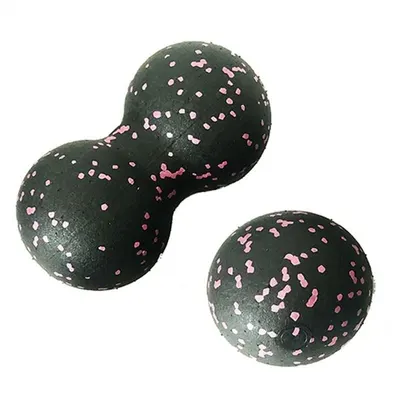
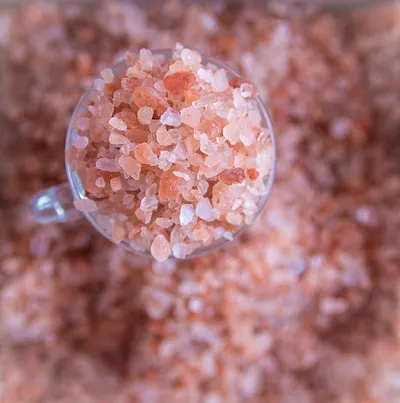
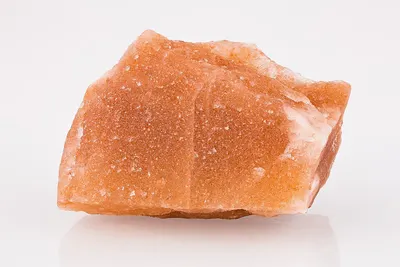
Pakistan‑based \"Rocklite\" By M.i. Handicrafts lists five active products in its catalogue. All items fall under the salt category and include both edible and non‑edible forms. The range comprises a 1 kg pack of Himalayan dark pink edible salt, a 2.5 kg natural rock salt lamp, and a USB‑powered carnival rock salt lamp. Additional items are a rock salt body soap bar, and rock salt massage balls weighing 0.160 grams each. Each product is presented without accompanying HS‑code data in the supplied catalogue.
The edible salt is marketed for culinary applications and is sourced from the Himalayan region of Pakistan, known for mineral‑rich pink salt deposits. The rock salt lamp products are decorative lighting items that utilize the natural translucency of raw rock salt. The body soap bar integrates rock salt as an exfoliating agent, while the massage balls are intended for therapeutic use. All items are described using the generic term “rock salt” without further specification of purity or grain size. The supplier’s catalogue does not provide details on certifications, packaging dimensions, or HS‑code classifications.
Product Range and Specialties of \"Rocklite\" By M.i. Handicrafts
The catalogue offers a rock salt body soap bar, a 1 kg pack of Himalayan dark pink edible salt, a 2.5 kg natural rock salt lamp, a USB‑powered carnival rock salt lamp, and 0.160 g rock salt massage balls. In the broader salt market, edible salts are typically classified by grade such as food‑grade (purity ≥ 99 %), with common specifications including moisture content below 0.5 % and mineral analysis according to ICUMSA standards. Pink Himalayan salt is often graded by color intensity and mineral composition, with ICUMSA 45‑70 being typical for culinary use. Non‑edible decorative lamps are usually sold as raw or lightly polished crystals, and buyers frequently request dimensions, weight verification, and safety certifications for electrical components of USB lamps. Rock salt massage balls belong to wellness accessories; standard parameters include exact weight, hardness measured by Brinell, and surface texture. Potential buyers should verify that the soap bar conforms to local cosmetic regulations regarding allowable salt concentration.
Frequently Asked Questions About \"Rocklite\" By M.i. Handicrafts
What types of salt products does the supplier list?
The supplier lists a rock salt body soap bar, 1 kg Himalayan dark pink edible salt, a 2.5 kg natural rock salt lamp, a USB carnival rock salt lamp, and 0.160 g rock salt massage balls.
Are food‑grade certifications available for the edible salt?
The catalogue does not specify certifications; buyers should request an up‑to‑date food‑safety certificate such as ISO 22000, HACCP, or a Halal audit to verify food‑grade status.
What HS‑code is applicable to the edible salt and decorative lamps?
Edible rock salt falls under HS 2501 (natural salt, crude or refined), while decorative lamps and other stone articles are generally classified under HS 2506 (articles of stone).
What are typical packaging and container sizes for bulk salt shipments?
Bulk edible salt is commonly packed in 25 kg or 50 kg polypropylene bags, which can be loaded into 20‑ft containers (≈ 1 ton capacity) or 40‑ft containers (≈ 2 ton capacity). Decorative lamps are usually boxed individually in cardboard and stacked on pallets for container loading.
Which documents should be requested before placing an order?
Buyers should ask for a Certificate of Origin, a laboratory analysis report showing NaCl purity and moisture content, any relevant food‑safety or cosmetic safety certificates, and, for electrical lamps, a CE or UL conformity test report.
PakistanRelated Suppliers & Products
Explore similar suppliers, related products and trending categories