Reewaz International — Verified Supplier
About Reewaz International - Agriculture Supplier in India
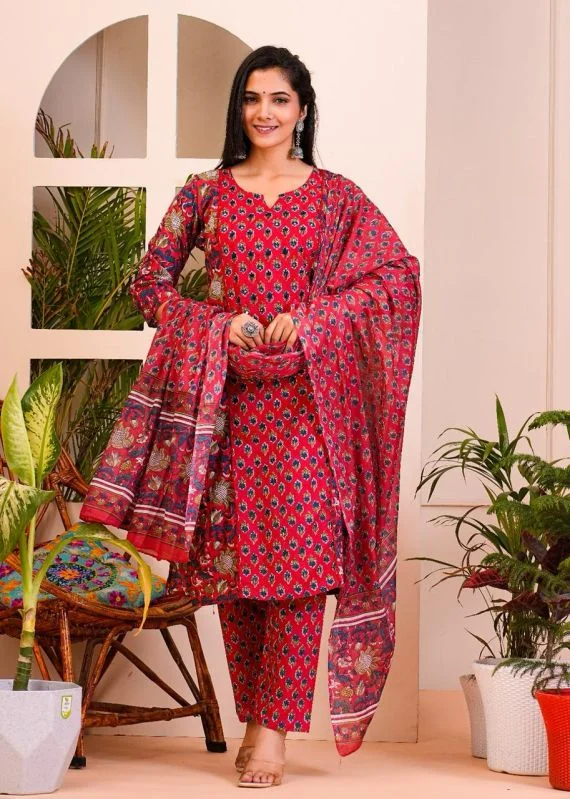
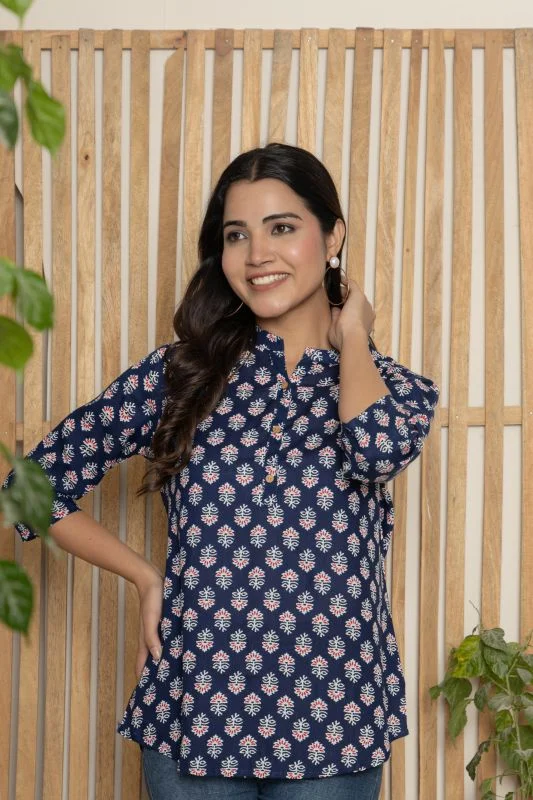
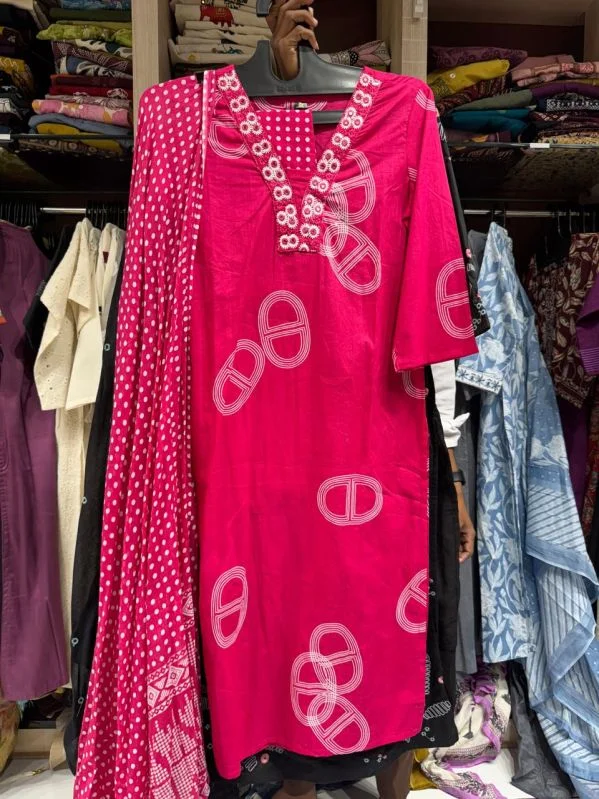
Reewaz International is based in India and lists eleven active products in its catalogue. The product set consists of various styles of kurti and leggings, including plain, printed, long, regular, designer, cotton, and cotton‑lycra variants. Each item is identified by its generic name without a specific HS code in the supplied data, placing them in the broader HS chapter 61 (knitted or crocheted apparel) for trade classification. The catalogue reflects a focus on women’s ready‑to‑wear apparel that is typically exported from Indian textile hubs to South‑Asian, Middle‑Eastern and European markets.
The supplier’s catalogue groups the garments under the broader agricultural category in the source data, but the actual goods are textile products made from cotton or cotton‑lycra blends. Indian manufacturers of such garments often produce fabric weights between 150‑200 g/m² for kurtis and 250‑300 g/m² for leggings, with standard seam allowances of 1‑1.5 cm. Colour fastness, shrinkage, and stitch density are common quality parameters recorded in export documentation for these apparel items.
Product Range and Specialties of Reewaz International
Reewaz International offers eleven distinct garment styles: Kurti, Designer Kurti, Ladies Kurti, Plain Kurti, Long Kurti, Regular Kurti, Printed Kurti, Cotton Kurti, Plain Leggings, Cotton Lycra Leggings, and generic Leggings. In the Indian apparel sector, kurtis are typically woven or blended cotton fabrics with a range of decorative prints, while leggings are knitted garments featuring elastane or lycra for stretch. Industry standards for such garments include fabric GSM (grams per square metre) of 150‑180 for tops and 250‑280 for leggings, and colour consistency measured by ISO 105‑C06. Buyers often request samples that show stitch quality, colour matching, and dimensional stability before placing bulk orders.
Trade and Export Information - Reewaz International
Exporters of women’s casual wear from India commonly ship to the United Arab Emirates, Saudi Arabia, United Kingdom, and United States, using HS chapter 61 codes such as 6105 for women’s blouses and 6204 for women’s trousers and skirts. Standard certifications requested by importers include Oeko‑Tex Standard 100 for harmful substance testing and ISO 9001 for quality management, although the supplier’s own certifications are not listed in the provided facts. Typical incoterms used are FOB Indian ports such as Nhava Sheva, with container loads ranging from 20‑ft (approximately 400 kg of kurtis) to 40‑ft (up to 800 kg) depending on packaging density.
Indian textile exporters must comply with the Foreign Trade Policy and may need to provide a Certificate of Origin and compliance with the EU REACH regulation for chemical safety when targeting European buyers. Packaging generally involves poly‑bagged individual garments placed inside cardboard boxes, with palletised loads for sea freight. Inspection agencies such as SGS or Bureau Veritas are frequently engaged for pre‑shipment checks on fabric weight, colour fastness, and dimensional measurements.
Sourcing from Reewaz International - Buyer Guidance
When sourcing kurtis or leggings from Reewaz International, buyers should request a detailed product specification sheet that lists fabric composition (e.g., 100 % cotton or 95 % cotton + 5 % lycra), GSM, colour codes, and any applicable finish treatments. Samples should be evaluated for seam integrity, stretch recovery (for lycra blends), and colour consistency under ISO 105‑C06 standards before confirming bulk quantities.
Buyers are advised to verify the presence of Oeko‑Tex Standard 100 or comparable test reports, as well as any third‑party inspection certificates for each shipment. Confirm the supplier’s packaging method, container loading plan, and lead time, which for Indian ready‑made garments typically ranges from 30 to 45 days from order confirmation to shipment.
Frequently Asked Questions About Reewaz International
What types of garments does Reewaz International list in its catalogue?
The catalogue includes eleven items: Kurti, Designer Kurti, Ladies Kurti, Plain Kurti, Long Kurti, Regular Kurti, Printed Kurti, Cotton Kurti, Plain Leggings, Cotton Lycra Leggings, and generic Leggings.
Which material blends are common for the listed leggings?
Leggings are commonly produced from cotton‑lycra blends, often 95 % cotton and 5 % lycra, providing stretch while maintaining a soft hand feel.
What HS code family would these garments fall under for export?
Women’s tops such as kurtis are generally classified under HS 6105, while leggings fall under HS 6204, which cover women’s trousers, shorts and similar garments.
What quality standards should a buyer request for these apparel items?
Buyers typically ask for fabric GSM data, colour fastness results (ISO 105‑C06), stitch density, and Oeko‑Tex Standard 100 test reports to confirm the absence of harmful substances.
What is a typical minimum order quantity and lead time for Indian garment exporters?
Minimum order quantities often start at 500 pieces per style, with lead times of 30‑45 days from order confirmation, depending on fabric availability and production scheduling.
How are the garments usually packaged for international shipment?
Each garment is usually poly‑bagged, then placed in a corrugated cardboard box; boxes are stacked on wooden pallets and loaded into 20‑ft or 40‑ft containers for sea freight.
Which certifications are commonly required by importers of Indian apparel?
Importers frequently require Oeko‑Tex Standard 100, ISO 9001 quality management certification, and a Certificate of Origin; these should be confirmed with the supplier before shipment.
What incoterms are typically used for shipping these products from India?
FOB (Free on Board) from major Indian ports such as Nhava Sheva is standard, allowing the buyer to arrange freight and insurance from the loading point.




 , India